






How Long Does a Power Reclining Sofa Last? Real Durability, Motor Life, and Maintenance
- Local Editor:Local Editor: The HOMEiA Team
- Category: Home Maintenance


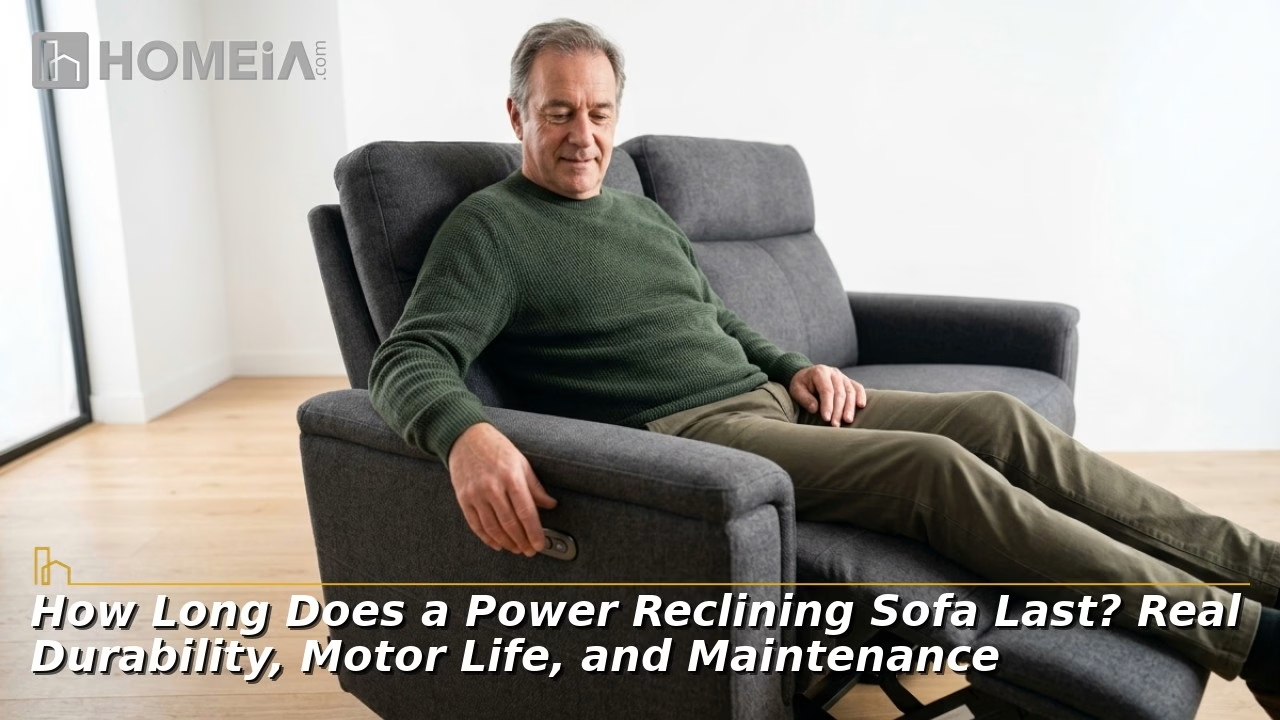
How Long Does A Power Reclining Sofa Last? Purchasing a power reclining sofa is a major investment. Most homeowners worry whether complex electrical systems, motors, and mechanical parts will fail prematurely compared to traditional stationary couches. When investing in modern power reclining seating, the truth is reassuring. Quality power reclining sofas typically lasts between 7 and 15 years under normal household conditions.
The exact lifespan depends on three critical factors: Build quality, Upholstery material, and Frequency of use.
While heavy-duty steel mechanisms and electric motors often last 10 to 12 years, soft components like cushions and upholstery may show wear within 3 to 5 years. Understanding these timelines helps you make informed furniture decisions and plan for maintenance or replacement.
Key Takeaways
- Quality power recliners last 7 to 15 years depending on construction materials and maintenance.
- High-quality motors typically last 10 to 12 years and handle 20,000 to 25,000 operating cycles.
- Solid hardwood and heavy-gauge steel frames are essential for enduring mechanical stress.
- Individual components wear at different rates and can be replaced independently.
- Regular maintenance can double the overall lifespan of your furniture.

Related article
Top 6 Tips for Choosing Luxury Furniture
Choosing luxury furniture can involve substantially more than just picking out a few fancy pieces for your home. It’s about creating an ambiance that makes every moment in your space feel special. No matter how discerning your taste, it can still be confounding to know which pieces to select for your home or which style you should choose…
1. Lifespan by Quality Tier
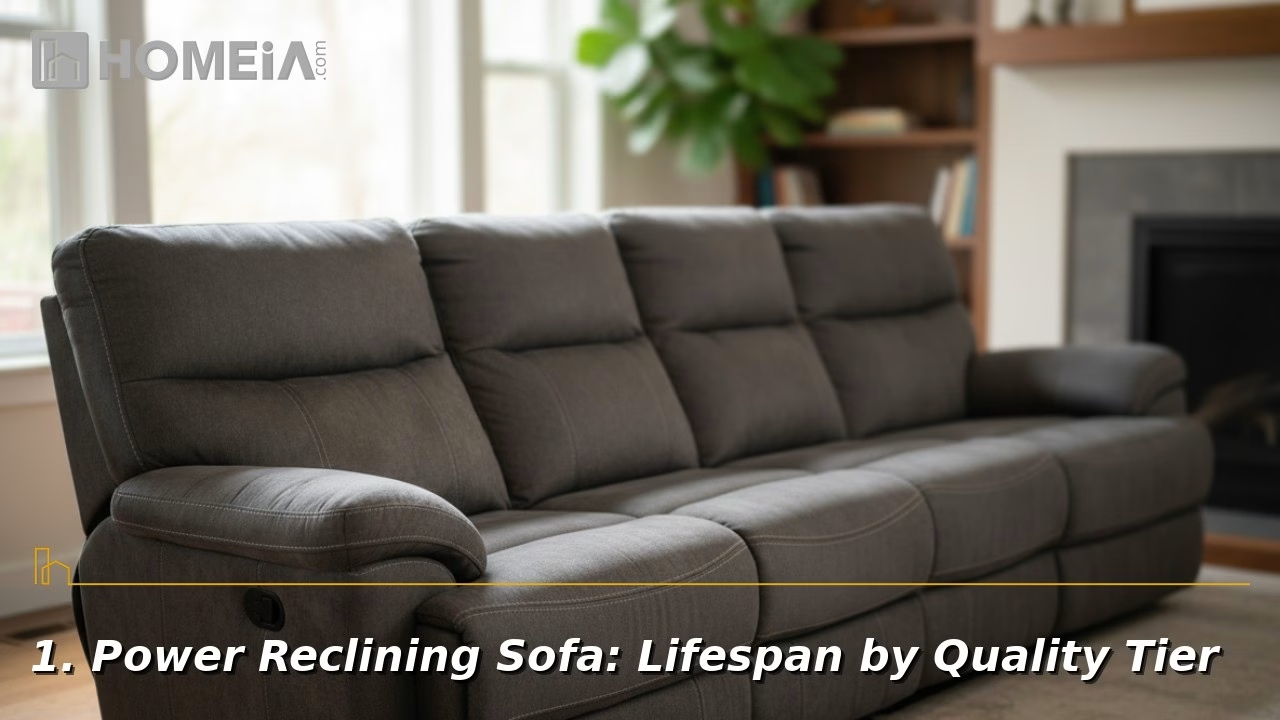
Power reclining sofa longevity is tied to manufacturing quality and material sourcing.
A. Budget Models (3 to 5 Years)
- Use engineered wood, thin plywood, and particleboard frames.
- Feature cheaper motors with lower duty cycles.
- Have polyurethane or low-density polyester upholstery that cracks within years.
- Best for temporary seating or light use only.
B. Mid-Range Models (6 to 10 Years)
- Combine solid hardwood blocks with multi-layer furniture plywood.
- Use heavy-duty, powder-coated steel rails and reliable motors.
- Feature durable performance fabrics or top-grain leather.
- Ideal for most household usage patterns.
C. Premium Models (11 to 15+ Years)
- Built from kiln-dried hardwood frames that resist warping.
- Include commercial-grade motors designed for decades of use.
- Use premium top-grain leather or high-rub-count performance fabrics.
- Employ high-density polyurethane foam or pocketed coil systems.

Related article
Top 10 Things to Know When Shopping for Your Modern Home’s Furniture
High-quality furniture is an investment, much like your home, or your car. If you wouldn’t purchase a house or a car without putting in ample time and research, you shouldn’t impulse buy on furniture, either. Furniture shopping without proper planning can leave you feeling…
2. Component Lifespan Breakdown
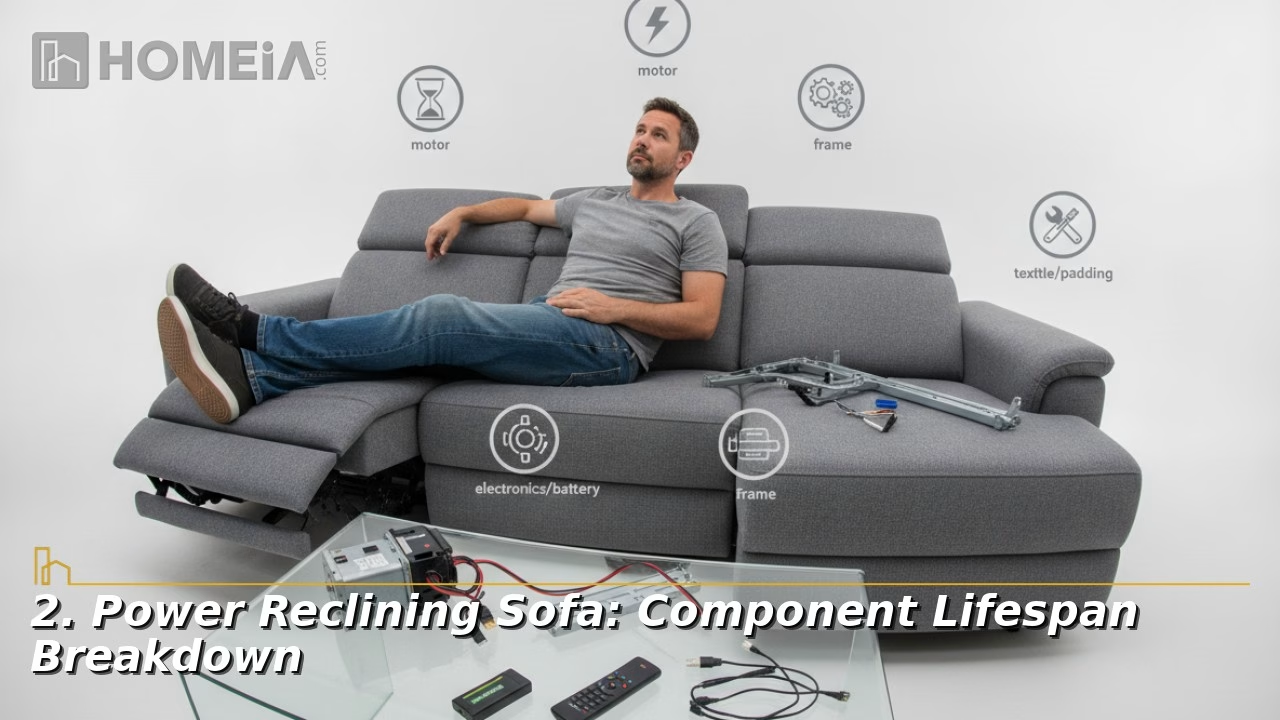
Power reclining sofas are complex machines. Understanding each component’s lifespan helps you identify what to expect:
| Component | Average Lifespan | Primary Wear Factor |
| Frame | 10 to 15+ years | Weight overload, rough handling, dragging |
| Reclining Mechanism | 8 to 12 years | Lack of lubrication, misalignment, weight |
| Motor | 10 to 12 years | Voltage spikes, continuous duty strain, heat |
| Upholstery | 4 to 15 years | Friction, UV exposure, pet damage, body oils |
| Cushions | 5 to 8 years | Foam density, targeted weight concentration |
| Electrical Components | 7 to 10 years | Wire pinching, moisture exposure, switch usage |
When a power reclining sofa fails, it is rarely due to structural collapse. More often, a single sub-component like a loose power cord connection, worn toggle switch, or sagging cushion compromises performance. Knowing individual component lifespans allows targeted repair or specific part replacement rather than discarding the item.
3. What Determines Longevity?
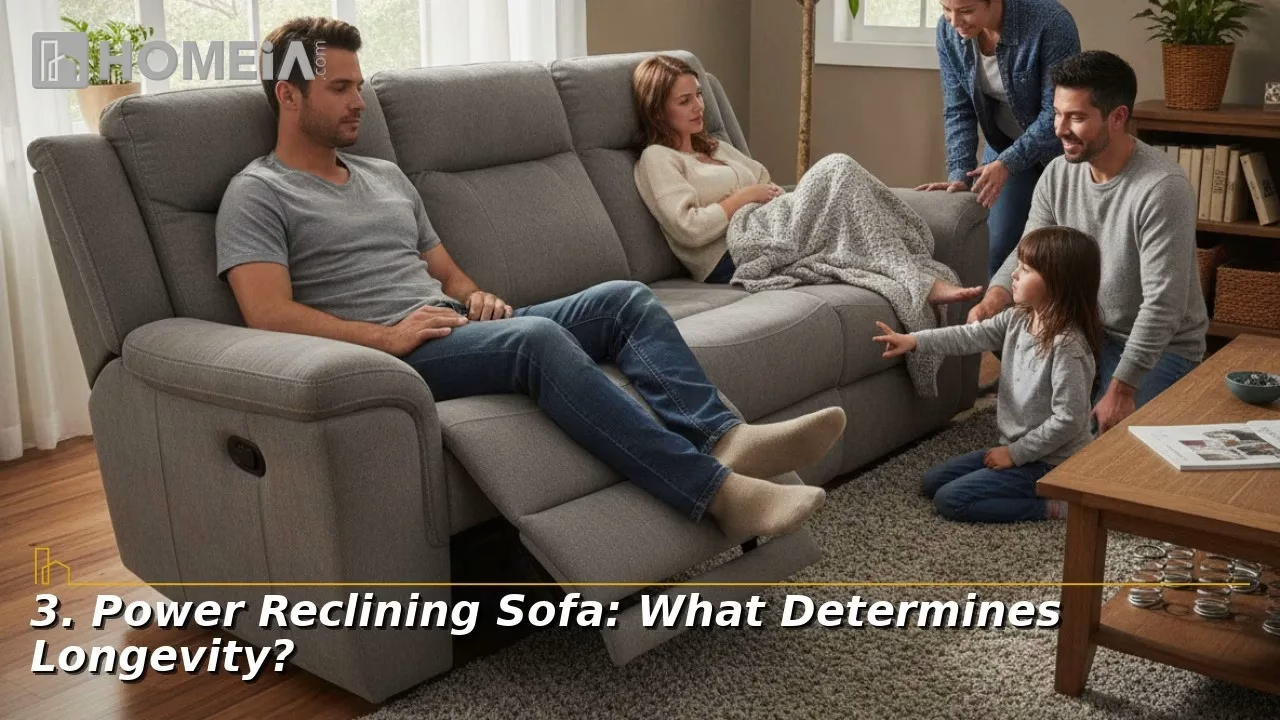
Several factors directly impact how long a power reclining sofa actually lasts:
A. Frame Construction
- Solid kiln-dried hardwood with double-dowel joints provides the highest durability.
- Metal reinforcement plates at stress points prevent splitting.
- Plywood and engineered wood frames flex under motor torque, causing misalignment.
B. Reclining Mechanism Quality
- Heavy-gauge steel stampings with metal rivets at pivots ensure smooth operation.
- Cheaper mechanisms bend under uneven weight, straining the motor.
- Proper weight distribution prevents mechanical breakdown.
C. Upholstery Material
- Genuine top-grain leather lasts two to three times longer than synthetic covers.
- Performance fabrics resist stains and abrasion effectively.
- Faux leather and polyurethane delaminate within 3 to 5 years, especially around high-flex zones.
D. Cushion Quality
- High-density polyurethane foam (1.8+ pounds per cubic foot) resists flattening.
- High-resiliency foam and pocketed coils maintain comfort over years.
- Low-density foam collapses quickly, exposing a hard frame underneath.
E. Frequency of Use
- Light use preserves motors, switches, and foam significantly.
- Heavy daily use, jumping children, and continuous cycling accelerate wear dramatically.
Recommended for you




4. Motor Reliability
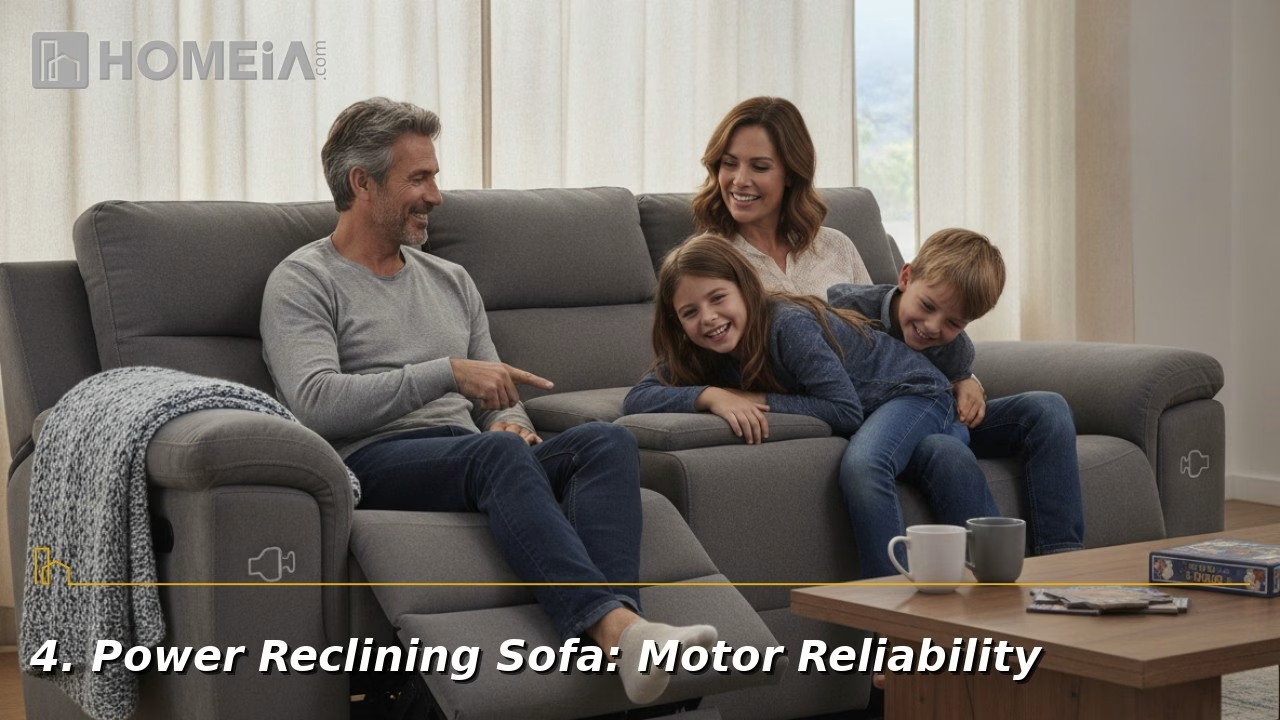
The power recliner motor is a major concern for most shoppers. Under normal conditions, modern DC linear actuator motors last 10 to 12 years. Manufacturers rate motors by operational cycles, with quality units certified for 20,000 to 25,000 cycles. One cycle equals full extension plus full retraction.
Factors that shortcut or shorten motor life include:
- Exceeding weight limits on seat cushions.
- Holding buttons after full extension or retraction (causes overheating).
- Operating motor repeatedly without cool-down time.
- Mechanical blockages like toys or blankets jamming linkages.
Motor replacement is simple and cost-effective, costing $50 to $150 for parts. Since the rest of the sofa frame lasts 5 to 7 additional years, replacing a failed motor usually makes the most sense financially.
5. Common Failure Points
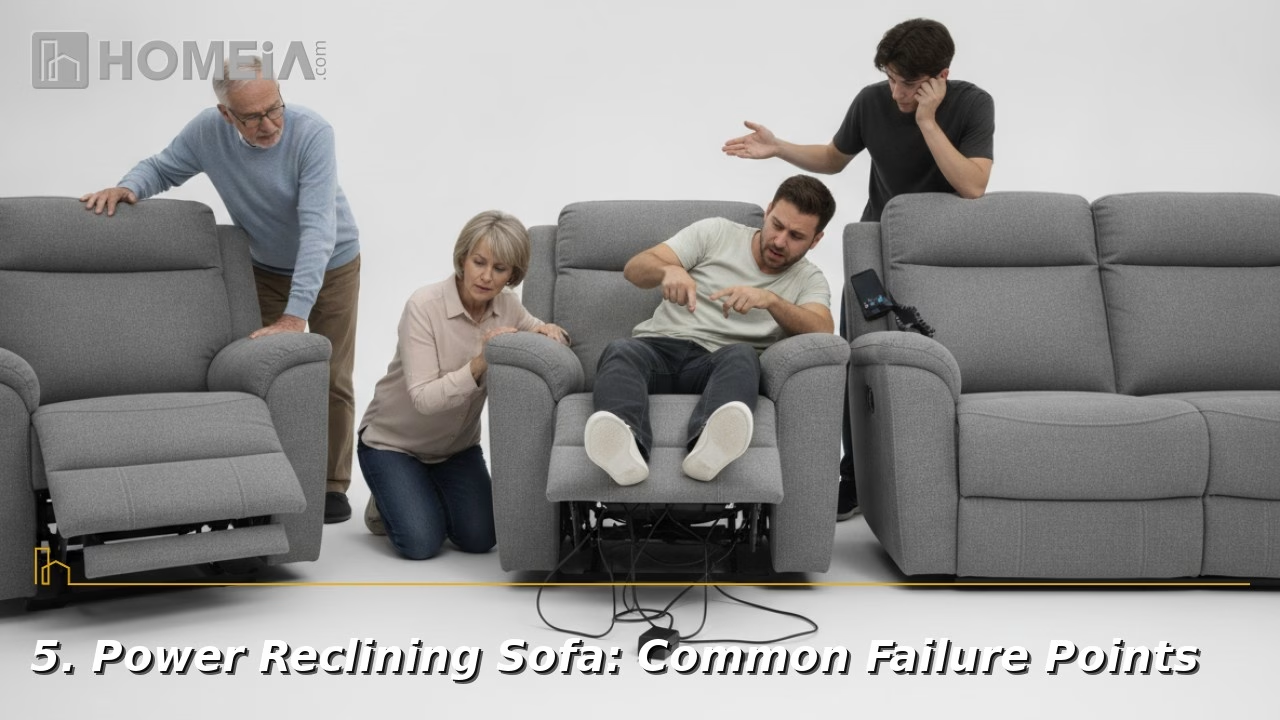
Understanding typical failure modes helps you recognize problems early:
- Motor wear: Internal plastic gears strip or electrical windings burn out from overheating.
- Electrical failures: Power adapters fail from household surges or wires pinching in moving parts.
- Broken switches: Armrest buttons wear out from thousands of presses.
- Damaged mechanisms: Metal links twist when excessive weight stresses extended footrests.
- Frame damage: Wooden joints separate when sofas are dragged rather than lifted.
- Cushion deterioration: Low-density foam breaks down causing severe sagging.
- Upholstery breakdown: Seams split under tension or faux leather peels from friction.
- Lack of maintenance: Dust and debris accumulate, forcing motors to work harder.
Related article
Furniture Material Comparisons of Leather vs. Fabric & Solid Wood vs. Engineered
Furniture materials determine durability, comfort, and long-term performance, yet many buyers focus only on appearance. Ignoring what lies beneath the surface can lead to costly mistakes. This guide compares the four most important furniture materials and includes a practical matrix to help you choose the best option for your lifestyle…
6. Warning Signs of Wear
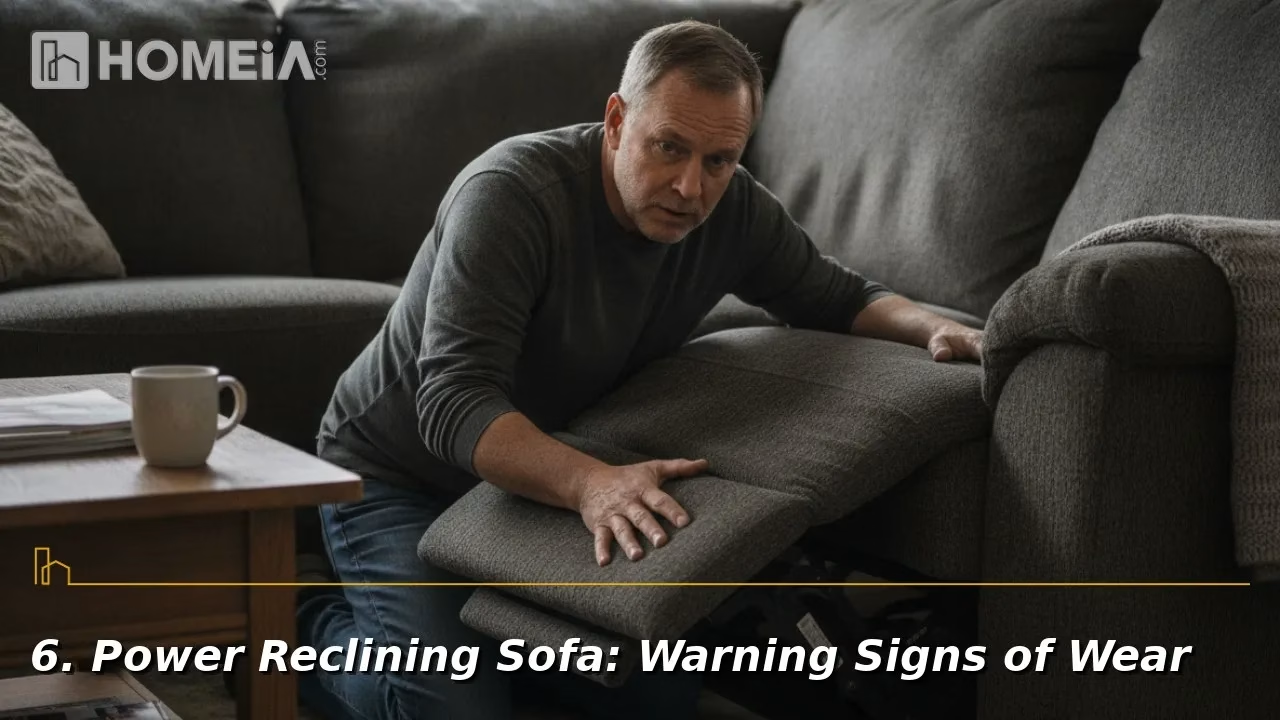
Recognizing early warnings allows you to address problems before catastrophic failure:
- Slow movement or loud whining from the motor indicates fatigue.
- Unusual squeaking, grinding, or clicking point to unlubricated joints or loose bolts.
- Uneven footrest extension on one side suggests twisted mechanisms.
- Intermittent power issues signal loose connections or frayed cables.
- Sagging cushions expose a hard frame underneath.
- Wobbly armrests indicate loose wooden joints or backing bolts.
- Cracked upholstery warns of impending surface peeling.
- Inability to reach full recline suggests internal obstructions.
7. Maintenance to Extend Lifespan
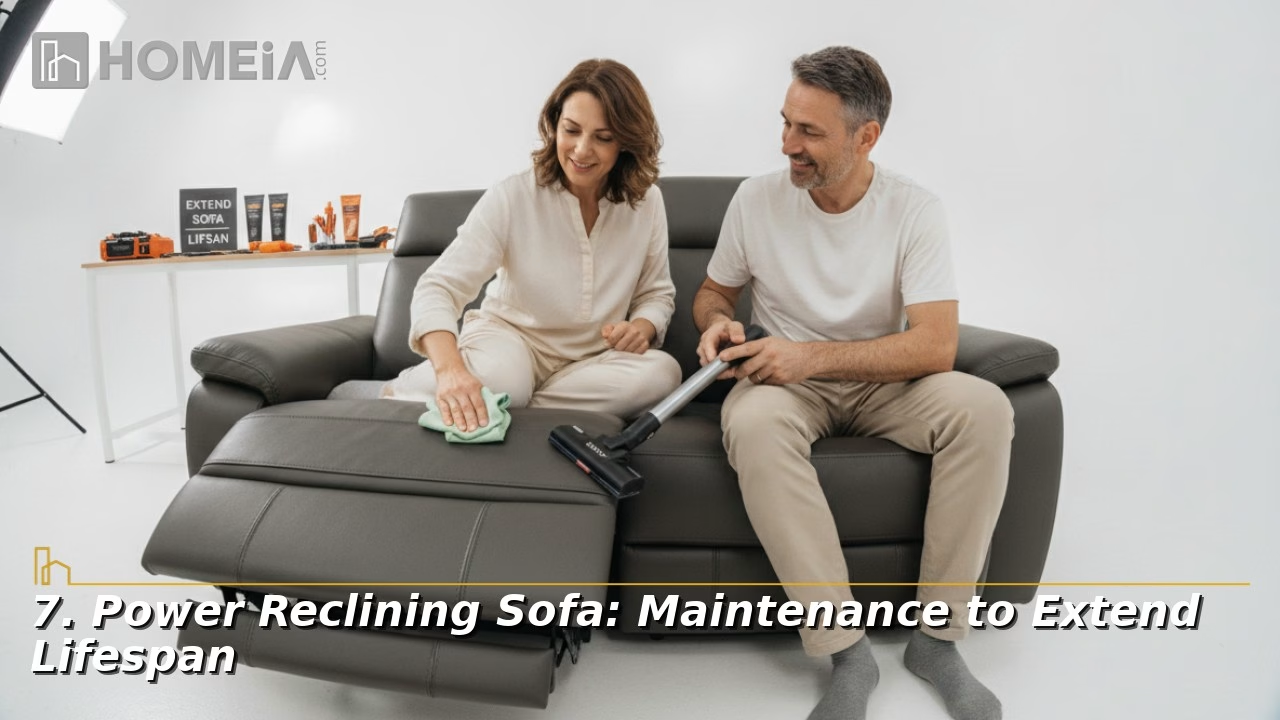
Disciplined preventative maintenance ensures your sofa reaches or exceeds industry longevity estimates. A structured approach protects both the mechanical systems and cosmetic elements of your investment.
A. Monthly Maintenance
- Vacuum gaps between seats, arms, and backrests to remove abrasive dirt, crumbs, and pet dander.
- Inspect power cables to ensure they are clear of moving parts and not twisted or pinched.
- Test all control buttons for responsive, smooth operation across the full range of motion.
- Wipe down fabric or apply approved leather cleaner to remove body oils and environmental residue.
B. Annual Maintenance
- Tip the sofa forward to expose the complete undercarriage and mechanical system.
- Tighten any bolts, nuts, and cotter pins that have vibrated loose during a year of use.
- Apply thin silicone spray or lithium grease to moving metal joints (avoid WD-40 because it attracts dust).
- Check power transformer bricks for signs of discoloration, scorching, or excessive heat generation.
- Inspect all visible welds and structural connections for separation or cracking.
- Test emergency manual release valves if your model includes them.
C. Everyday Habits That Dramatically Reduce Wear
- Never stand or sit on footrests (engineered specifically for leg weight, not full body weight).
- Use high-quality surge protectors rather than plugging directly into wall outlets to protect electronics.
- Lift, don’t drag, when moving the sofa across the room to preserve wooden frame joints.
- Sit centered to avoid uneven weight distribution that gradually twists metal mechanisms.
- Keep children from jumping on extended footrests or using the reclining mechanism as a toy.
- Use furniture covers to protect upholstery from direct sunlight and reduce UV damage.

Related article
11 Black Bedroom Furniture Ideas for your Sophisticated Retreat
Whether redesigning entirely or adding a sophisticated touch, black furniture offers timeless appeal and versatility in creating a luxurious retreat tailored to your unique style. Let’s delve into these sophisticated bedroom decor possibilities…
8. Buying Tips for Maximum Longevity
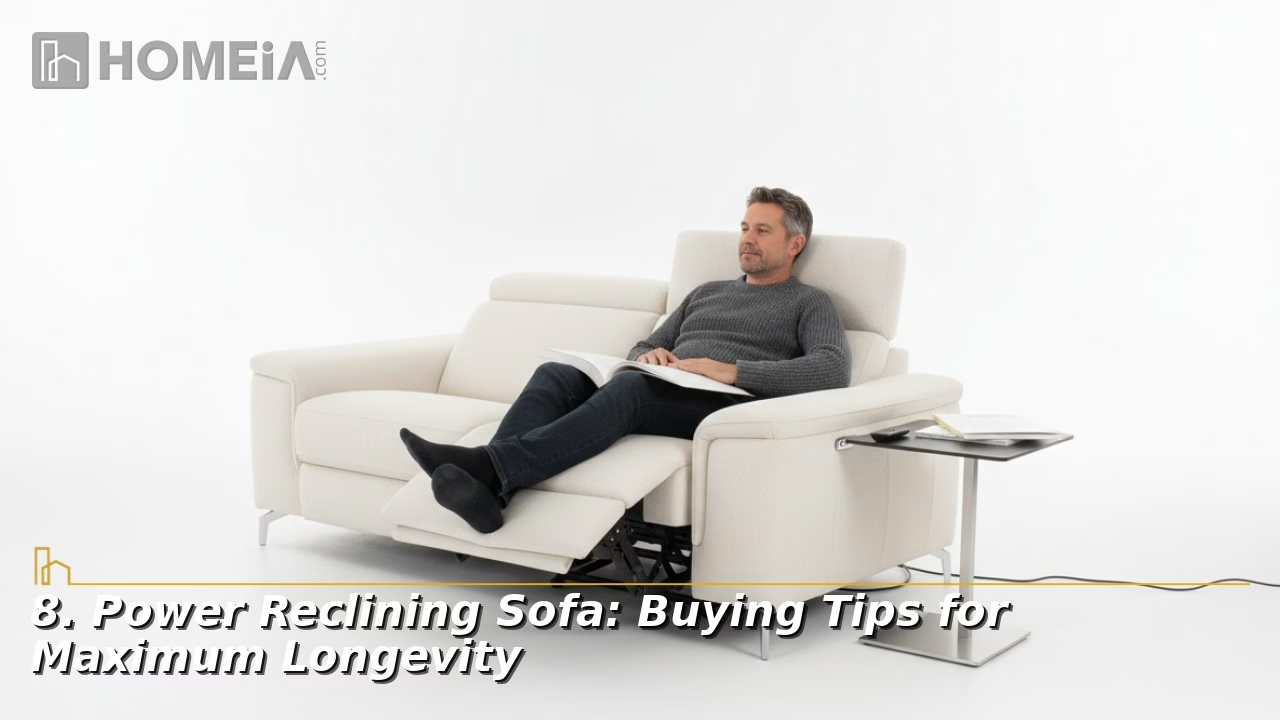
When shopping for a power reclining sofa built for the long term, focus on these key specifications:
- Prioritize true hardwoods: Look for specification sheets listing kiln-dried ash, oak, or maple. Avoid generic particleboard or thin MDF listings.
- Select premium covers: Choose top-grain leather in high-touch zones. For fabric, locate commercial-grade performance fabrics rated for 30,000+ double rubs on the Wyzenbeek scale.
- Analyze the warranty carefully: Reliable manufacturers stand behind their products. Consistent warranties offer lifetime frame coverage, 3 to 5 years on steel mechanisms, and 2 to 3 years on motors and switches.
- Test the motor in the showroom: Listen during operation. Quality motors run with a low, consistent hum. High-pitched whines or erratic speeds indicate cheap, underpowered electronics.
- Ask critical questions: Before purchasing, ask about the motor brand, foam seat core density rating, and whether replacement parts can be ordered directly if something fails out of warranty.
Conclusion
How long a power reclining sofa lasts depends on balancing manufacturing quality with proper care. An economical budget couch might fail within 3 years, while a well-engineered mid-range or premium model easily delivers 7 to 15 years of reliable comfort.
Prioritize solid hardwood frames, choose resilient top-grain leather or performance fabrics, protect electronics with surge protectors, and perform annual lubrication. By investing in quality upfront and maintaining mechanical components properly, you can enjoy smooth, therapeutic relaxation for over a decade.
For homeowners seeking years of reliable comfort with therapeutic positioning options, quality power reclining sofas easily justify the initial investment through a decade or more of daily use.
Recommended for you




FAQs About How Long Does a Power Reclining Sofa Last?
1. How much electricity do power reclining sofas use?
Motors consume 50 to 100 watts during operation, comparable to a light bulb. Stationary phantom energy is under 1 watt. Most households see less than $1 per year in additional electricity costs.
2. What happens if the power goes out while extended?
You’ll be stuck in the extended position. Emergency backup lithium-ion battery packs (under $100) solve this by operating for weeks on a single charge, allowing you to reset the sofa during blackouts.
3. Are replacement parts widely available?
Major brands using standardized components from Okin, Dewert, or Kaidi have parts readily available. Budget sofas with proprietary wiring are difficult to source parts for.
4. What is the typical cost to repair?
Switch replacement: $20 to $75. Transformer: $30 to $75. Motor replacement with labor: $150 to $300. Major structural failures exceeding $400 may make replacement more practical.
5. What warranty coverage should I look for?
Lifetime coverage on wooden frames, 5 years on metal mechanisms, and 3 years on motors and switches. Confirm whether labor costs are included in coverage.
6. Is a power reclining sofa worth the extra cost?
Yes, for those prioritizing ergonomic comfort and accessibility. The automated positioning and accessibility benefits justify the investment for seniors and individuals with mobility challenges.
Share