






Seamless vs. Sectional Gutters: What to Know Before Buying
- Local Editor:Local Editor: The HOMEiA Team
- Category: Home Improvement


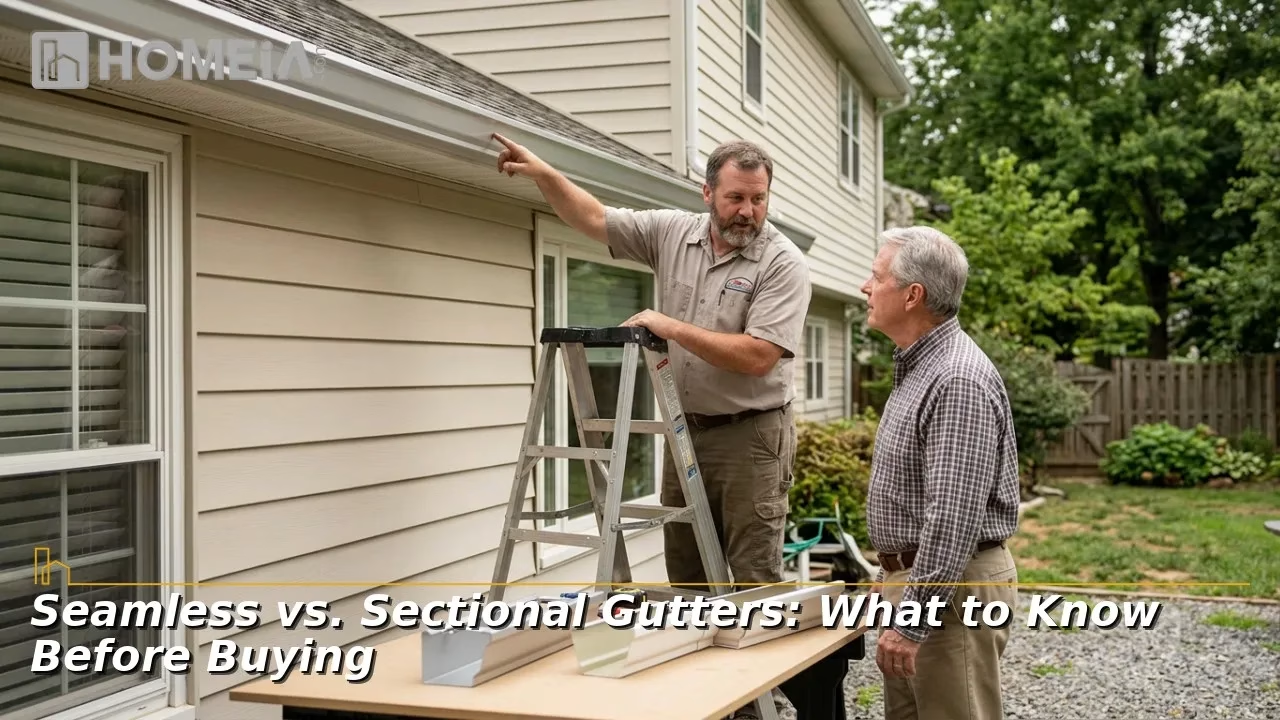
This article compares seamless and sectional gutters by design, cost, lifespan, maintenance, and long-term value. You will learn why seams often become leak points, when a lower-cost sectional system is ideal, and why the seamless variety is usually the better choice for a full-home replacement.
If you are buying gutters for the first time, the lowest quote may not offer the best value. Before scheduling seamless gutter installation, you need to know what the higher price includes and how it may reduce repairs later. The right choice can protect your fascia, siding, landscaping, and foundation while helping you avoid years of frustrating leaks.
Key Takeaways
- Sectional gutters cost less upfront, but each connection creates a possible leak point.
- Seamless gutters use one custom-cut piece across each straight run, reducing leaks and repairs.
- Seamless aluminum is $6 to $12 per foot installed, depending on the home and market.
- Well-maintained seamless aluminum gutters can last 30 years or longer.
- Sectional gutters work well for small buildings, short repairs, and experienced do-it-yourself homeowners.
- Seamless systems require professional equipment, accurate measurements, and trained installation.
- Compare complete written estimates, including downspouts, removal, repairs, cleanup, materials, labor, and warranties before choosing an installer, protecting your home, and avoiding surprises.

Related article
How to File a Roof Insurance Claim: A Step-by-Step Guide for Homeowners
Filing a roof insurance claim can have a major financial impact, but the process is often unfamiliar to homeowners. Missing deadlines, failing to document damage properly, or making procedural mistakes can reduce or even jeopardize a valid claim. This guide explains each step of the roof insurance claims process, helping you document damage effectively, avoid common pitfalls, and maximize the insurance benefits you’re entitled to receive…
1. Know What You Are Buying

a. How sectional gutters work
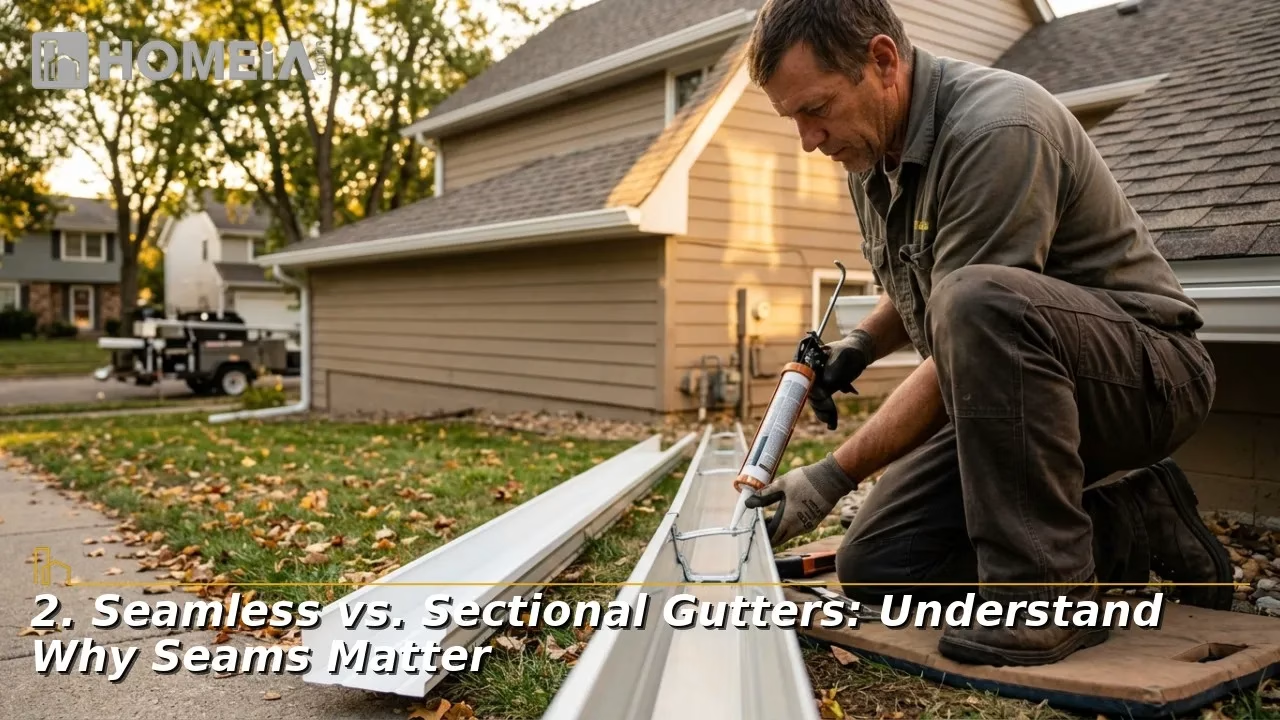
Sectional gutters come in factory-cut pieces, often 10 feet long. Installers or homeowners join the pieces with connectors, rivets, and gutter sealant. A 40-foot roof edge made from four pieces requires at least three joints. Corners, outlets, and end caps create additional connections.
These products can likely be found at local home improvement stores. They remain a practical option for skilled homeowners wanting to DIY their own installation.
The drawback is simple. Every joint gives water another possible escape route. Even when the metal remains stable, the sealant can crack, shrink, or pull away from gradual wear.
b. How seamless gutters work
Seamless gutters begin as a coil of metal, usually aluminum. At your property, an installer feeds the coil through a portable forming machine. The machine shapes and cuts one continuous gutter for each straight roof run.
A 40-foot roof edge receives one 40-foot channel instead of four shorter pieces. Seams remain at corners and downspout outlets, despite there being no joints across the straight span.
“Seamless” does not mean the entire system has zero seams. Rather, it relates to the unnecessary middle seams having been removed. This custom design lowers the number of possible leak points, creating a smoother appearance.

Related article
Roof Restoration: When It’s Worth It and When to Replace Instead
Roof restoration offers homeowners a cost-effective alternative to full roof replacement when the existing structure remains fundamentally sound. Unlike simple repairs or cosmetic coatings, true restoration is a comprehensive process that renews a roof’s performance, extends its lifespan, and addresses underlying issues before they worsen. This guide explains…
2. Understand Why Seams Matter
a. Weather stresses each joint
Metal expands in hot weather while contracting in cold. The sealant in a sectional joint must move with it. Sun, standing water, ice, and repeated temperature changes can make sealant split or separate. Freeze-thaw cycles add additional stress because trapped water expands when it freezes.
A failed joint may begin with a small drip. If ignored, water can run behind the gutter and soak the fascia board along the roof edge. It may also stain siding, damage landscaping, or collect near the foundation.
Watch for these warning signs:
- Drips below a connector
- Stains on the fascia or siding
- Peeling paint near the roof edge
- Rust around a seam
- Sagging where sections meet
- Wet soil below a joint
b. Compare the trouble spots
Four 10-foot sectional pieces create at least three mid-run joints across a 40-foot span. A seamless gutter covering the same span has none.
Fewer joints do not guarantee perfect performance. Poor slope, weak hangers, clogged outlets, and too few downspouts can cause either type to fail. Seamless gutters only remove several common trouble spots before problems begin.
Recommended for you




3. Compare Installation Costs
a. Cost per linear foot
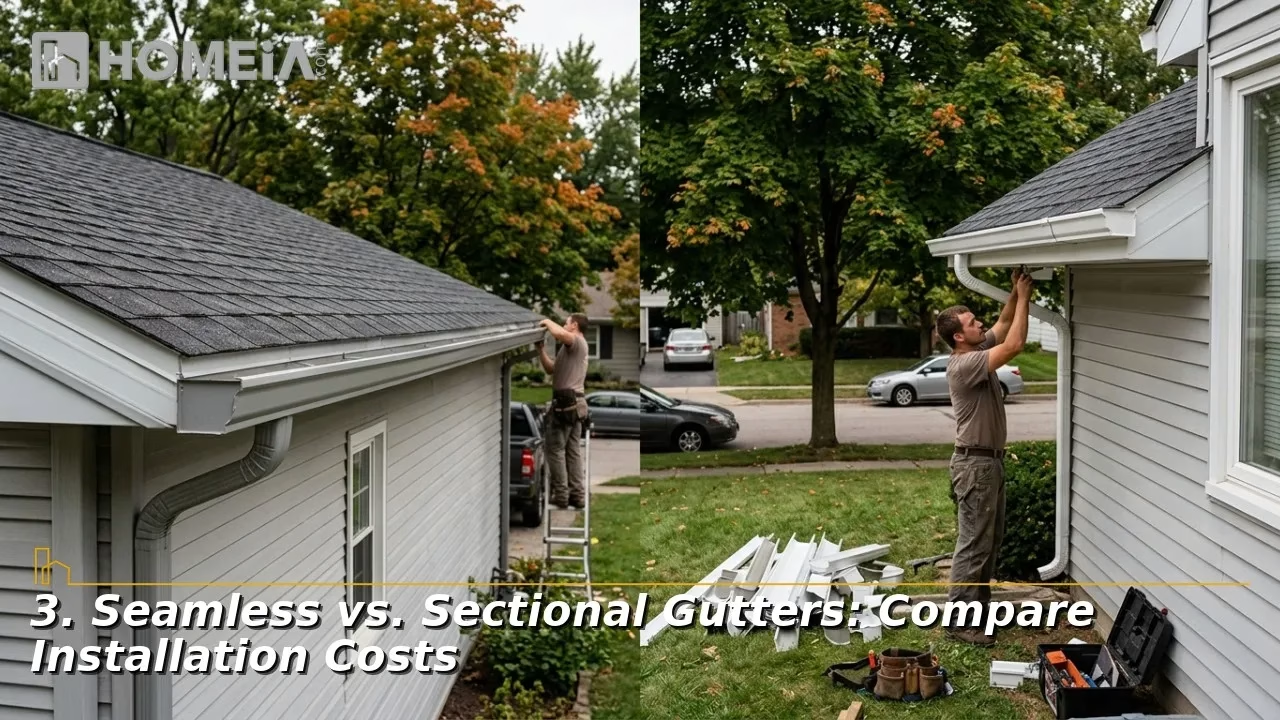
Seamless aluminum gutters cost between $6 to $12 per linear foot installed. Sectional aluminum is $3 to $6 per foot. Local labor rates, home height, roof design, metal thickness, and gutter size can change those prices.
The seamless gutter installation cost per foot is higher because the job requires specialized forming equipment and trained workers. Crews form, cut, and secure each long section at your property.
Price can also depend on:
- Total gutter length
- One-story or two-story access
- Corners and unusual roof angles
- Five-inch or six-inch gutter size
- Downspout number and size
- Old gutter removal
- Fascia repairs
- Gutter guards
b. Whole-home cost
A typical home may need anywhere from 150 to 200 feet of gutter. At the rates above, seamless aluminum for a 200-foot project may cost around $3,000 after common extras. A comparable sectional system has a range of $2,000 to $2,400 for cost.
In many cases, homeowners pay $600 to $1,000 more for seamless gutters. That extra expense covers custom fabrication, skilled labor, and fewer potential repairs.
c. Complete quote comparison
Do not choose an installer by the advertised per-foot price alone. One quote may include downspouts and old gutter removal, while another adds those items later.
Ask whether each estimate includes:
- Gutters, outlets, and end caps
- Downspouts, elbows, and extensions
- Hangers and fasteners
- Removal and disposal
- Cleanup
- Fascia repairs
- Labor and material warranties
Compare bids that cover the same work. A low starting rate does not always produce the lowest final bill.

Related article
Essential Guide to Roof and Siding Repair: Key Factors You Need to Know
Understanding the nuances of roof and siding repair is essential for any homeowner looking to maintain or enhance the longevity and safety of their residence. This comprehensive guide will equip you with insights and practical roof and siding repair knowledge…
4. Consider Long-Term Value
a. Expected lifespan
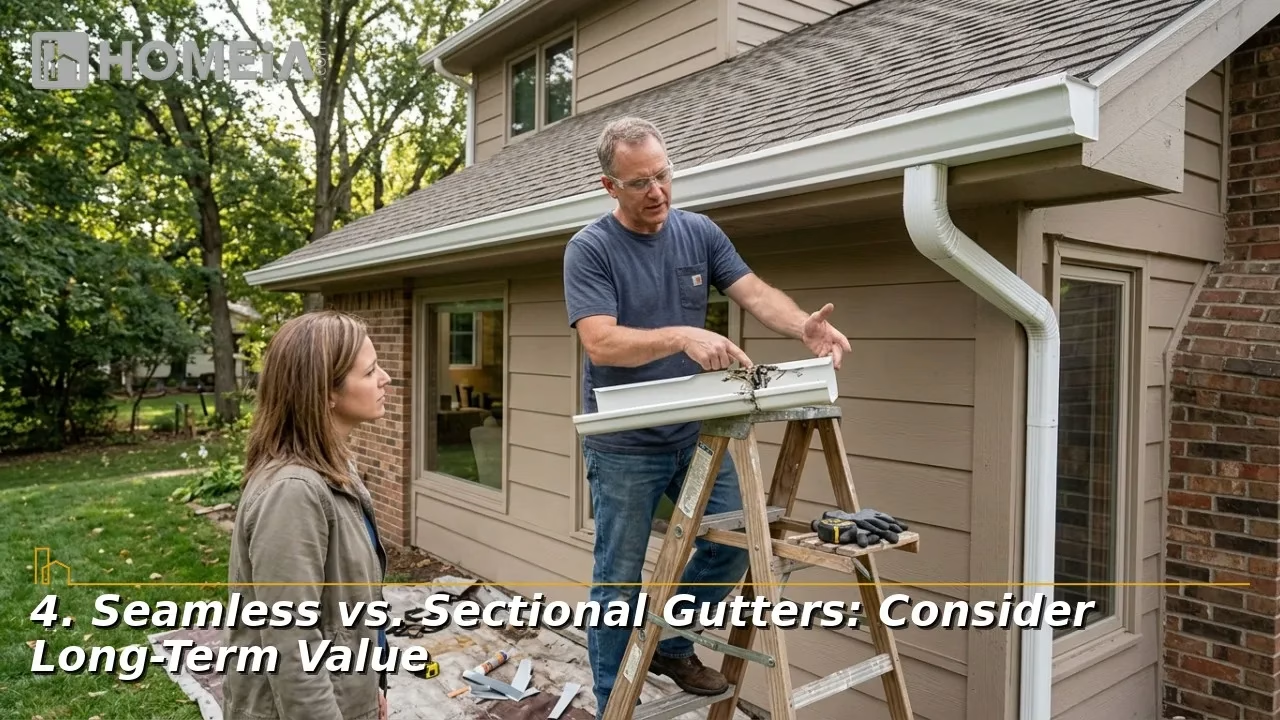
How long do seamless gutters last? Seamless aluminum can last 30 years or longer with correct installation and regular maintenance. Metal thickness, weather, snow, branches, and cleaning habits affect the actual lifespan.
Sectional metal may also last for decades. However, connections are often the weaker part. Joint sealant may crack within 5 to 10 years, especially where summers are hot and winters bring repeated freezing and thawing.
A leaking sectional joint may only need fresh sealant rather than full replacement. However, repeated inspections and repairs add time and expense. Sagging joints, rust at seams, and ongoing leaks often appear sooner than they do with seamless systems.
b. Routine maintenance
Seamless does not mean maintenance-free. Leaves, needles, seeds, and roof grit can block any gutter. Most homeowners should clean their gutters at least twice a year, often during spring and fall. Homes surrounded by trees may need more frequent service.
Inspect these areas after cleaning and major storms:
- Corners and end caps
- Downspout outlets
- Hangers and fasteners
- Areas holding water
- Downspout discharge points
- Soil near the foundation
Sectional gutter owners should also inspect every connector and replace failed sealant. Seamless owners have fewer joints to check, making for straightforward treatment.
c. Avoided repair costs
The strongest financial case for dependable gutters is avoided damage, not a guaranteed increase in home value. Proper drainage keeps roof water away from fascia, siding, landscaping, and the foundation.
Leaking or overflowing gutters can contribute to rotten wood, eroded soil, stained siding, and moisture problems. Fascia, foundation, and interior water repairs may cost far more than new gutters.
No gutter can prevent every water issue. However, seamless construction removes many of the joints where leaks commonly start.

Related article
5 Common Types of Roof Repairs and The Pros & Cons of Repair vs Replace a Roof
When deciding between repair and roof replacement, consider your long-term objectives, budget, and the condition of your roof. Repairs might be quick and cheaper, but they can also result in recurring problems. On the other hand, replacement offers peace of mind and a long-term solution, but it also comes with a higher price.
5. Decide Which System Is Better
a. When seamless is worth it
For most full-home replacements, seamless aluminum offers a well-rounded balance of price, durability, appearance, and low upkeep. It is especially useful when:
- You plan to own the house for several years
- Long roof runs would require many sectional joints
- Your climate has large temperature swings
- You want fewer joints to inspect and reseal
- You prefer a clean, custom-fitted appearance
- You are already hiring a professional
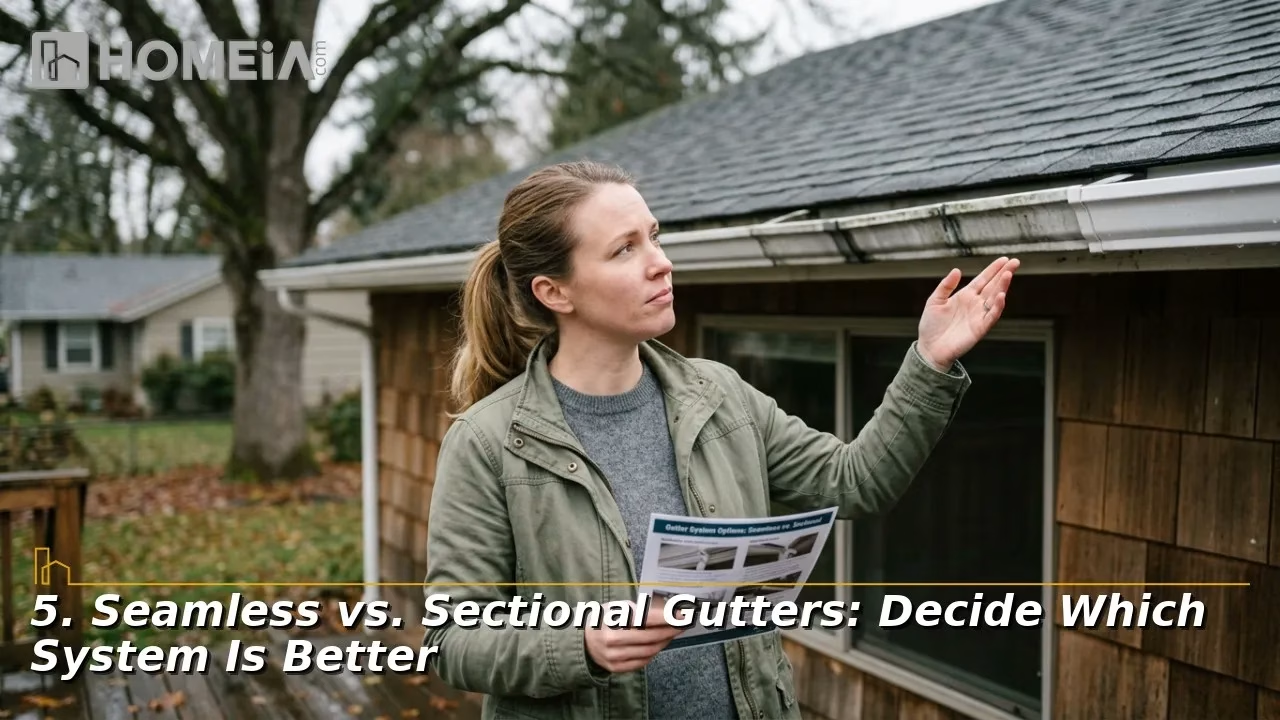
Are seamless gutters worth the extra money? Usually, yes. The higher initial price buys fewer leak points, less joint maintenance, and a longer-lasting system.
b. When sectional makes sense
Sectional gutters can work well on a shed, detached garage, small addition, or short repair. They can also help with tight budgets or an experienced homeowner wants a do-it-yourself project.
Be realistic about your skills. Incorrect slope can trap water. Poor hanger spacing can cause sagging. Bad downspout placement can cause overflow. Installation mistakes may quickly erase the labor savings.
c. Questions for an installer
Get at least two written estimates for the same project. Ask each installer to list the material, metal thickness, gutter profile, size, hanger spacing, downspout details, color, warranty, and final price.
Inquire why the contractor recommends 5-inch or 6-inch gutters. The correct size depends on roof area, roof slope, and local rainfall. A large or steep roof may need wider gutters, larger downspouts, or additional outlets.
Sectional gutters often win on the first receipt. Seamless gutters usually win on leak resistance, maintenance, appearance, and long-term convenience.
Recommended for you




FAQs about Seamless vs. Sectional Gutters
1. Do seamless gutters still need cleaning?
Yes. Removing middle joints does not stop leaves and roof debris from entering the channel. Clean the system at least twice a year and inspect more often when trees hang over the roof.
2. Can seamless gutters be installed on a metal roof?
Yes. Gutters normally attach to the fascia rather than through the roof panels. Since metal roofs shed water quickly, an installer should confirm the gutter size, placement, hanger strength, and downspout capacity.
3. Can a damaged seamless gutter be repaired?
Small holes, loose hangers, leaking corners, and damaged outlets may be repairable. A badly bent or crushed continuous run may require complete replacement.
4. Do gutter guards work with seamless gutters?
Most gutter guard styles fit seamless aluminum gutters. Select a guard based on the gutter size, roof type, nearby trees, weather, and service access. Guards reduce debris, but they do not eliminate cleaning.
5. Are seamless gutters better for heavy rain?
Their continuous design reduces seam leaks, but water capacity depends mainly on gutter and downspout size. A large or steep roof may require 6-inch gutters, larger downspouts, or additional outlets.
Share