






What You Can Do if Your Air Conditioner Breaks Before Selling Your House
- Local Editor:Local Editor: Tiffani Wroe
- Category: Sell Home , Home Improvement


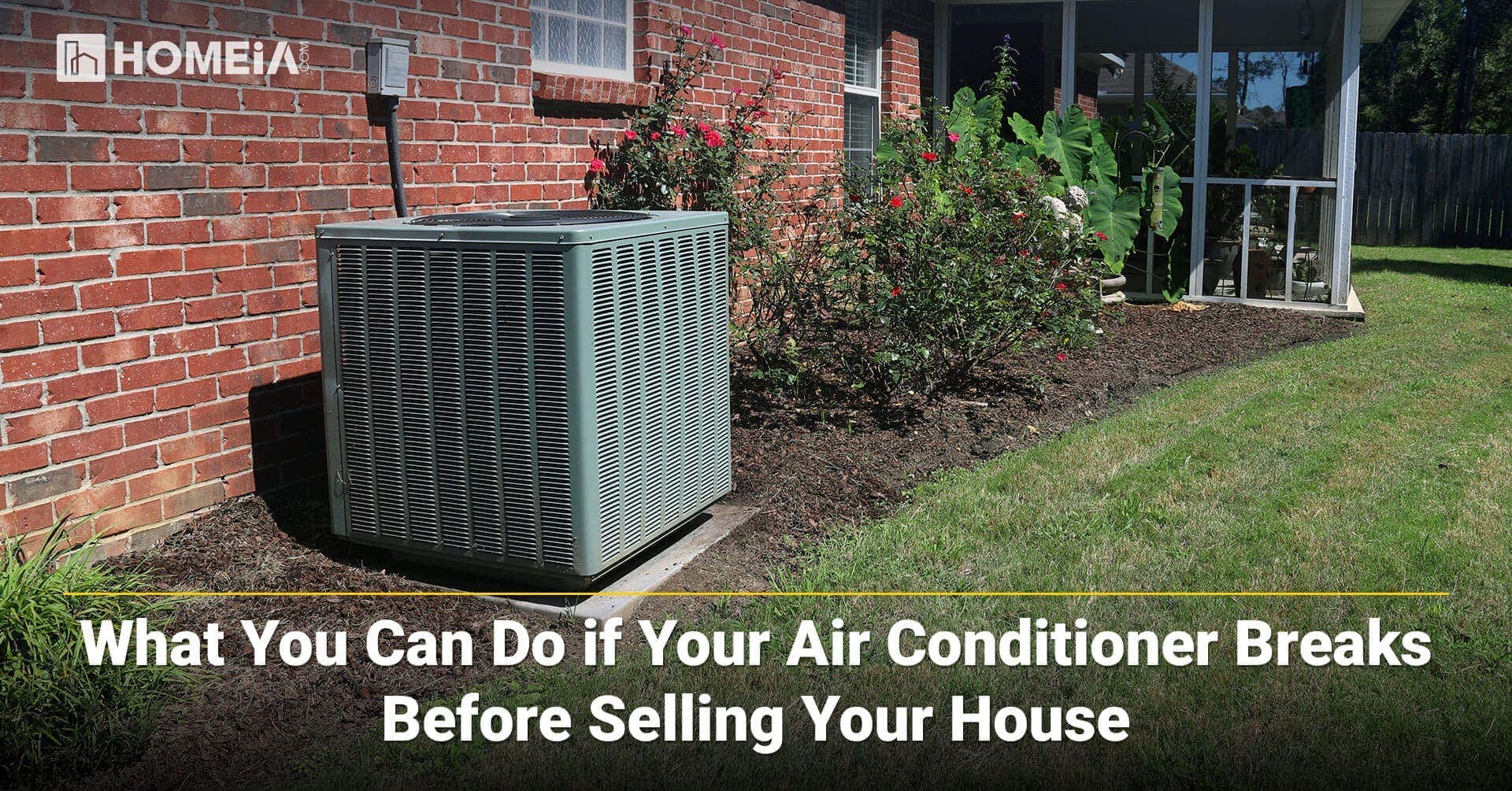
A functional HVAC is no longer a luxury in a home—it is an absolute necessity. Homebuyers around the country expect to step into a perfectly temperature-controlled environment and be able to trust that the existing HVAC will continue to work for a while. So, when your A/C is not functioning, and you want to sell your house, what are you supposed to do? Here are a few solutions that could help you sell your home quickly.
1. Fix Your Air Conditioner

It should come as little surprise that the best solution is to pay to have your air conditioner fixed. Before I sold my first house, I hired a home inspector to identify all the issues potential buyers might see. Among other small problems (mostly cosmetic), she noted that the A/C needed maintenance and could break down while my house was on the market.
Instead of risking any A/C failure, I hired an A/C repair service near me to tune up my unit and check over other elements of my HVAC. Overall, the cost of the service was a little over $100, and I avoided any last-minute crises that would significantly devalue my house.
Fixing your A/C is the best option if you have the cash to spare and if you are trying to sell your property for as much as possible (who isn’t?). Once you have paper receipts to show that your HVAC system has been recently tuned up by an HVAC professional, potential buyers will be more likely to trust that you have invested good maintenance in other systems around your house.
While repairs do require some up-front costs, these costs will be more than covered by the increased perceived value of your home, thanks to your perfectly functional A/C.


Related article
The 10 Best Places to Live in Oregon
Oregon is a study in contrasts. It has 363 miles of the most breathtaking coastline you’ll encounter anywhere in the world. But it also has dense forests, mountain ranges, and high desert country. Here are the 10 Best Cities to Live in Oregon…
2. Sell Your House As-Is

Your other option is to sell your home “as-is.” For sellers, as-is sales are easily the most convenient option, because it does not require you to make any changes to your property, whatsoever. You can pack up your things, leave the key in the door and never go back. For this reason, as-is sales are ideal if you are facing a financial hardship (because you don’t have the money to pay for costly repairs or updates) or if you need to relocate quickly.
In truth, “as-is” has a legal definition that can slightly vary from state to state, but generally, it means that buyers accept the condition of the property and are unable to back out of a sales contract due to a disclosed problem. Typically, as-is properties are dramatically riskier investments for buyers, meaning most buyers will offer much less money for them. Thus, if your broken A/C is causing you to list your home as-is, you should expect a notable drop in value.
In some areas, that low-cost home remains attractive, especially if buyers are only going to tear down the existing structure or if they have the capital to make necessary repairs and upgrades. In this case, the land is more valuable than the house structure, so you might not even take much of a loss (if any) on offering a property as-is.

Related article
The 10 Best Places in the USA to Retire on the Water for Less
The popularity of the waterfront can mean high housing costs and consumer prices. Luckily, for those willing to look past the likes of Malibu and Venice Beach, there are plenty of scenic spots along the country’s lakes and oceans where retirees can make a nice home even with a reduced…
However, in other places, the “as-is” marker is a red flag telling buyers to stay away. After my father passed, I decided it was easier to sell his old, outdated and poorly maintained home as-is, and it drove down the price of the home significantly.
Buyers in that area wanted turnkey properties, meaning they were fully updated and ready for move-in. An as-is house would require significant work, which meant delays, which lowered the buyers’ interest. Though I did sell the house, it is highly probable that I could have gotten a better sale price if I would have had the time to fix it up.
That said, before you decide whether to list your house as-is, you should do some research into your local real estate market, perhaps talking with a real estate professional to better understand your options. Rather than offering your home as-is, you might be better off selling your property directly to a company, like Opendoor or Zillow.
If you carefully weigh your options, you should be able to find one that gives you the right balance of home value and convenience.
Recommended for you



3. Get a Home Warranty
There is a lesser-known, third option that many home sellers might not be aware of. If your A/C is puttering along fine now but is expected to break down in the next few months, you might want to offer your buyers a home warranty.
Home warranties are like insurance (but not the same as your home insurance). They provide protection against certain financial burdens of owning a home—except instead of protecting against unforeseen disasters, as insurance does, home warranties guard against failure of home systems.
Not only does a standard home warranty protect the HVAC system, but it also covers large appliances, water heaters, electrical, plumbing, and sometimes roofing or the pool.
It’s common for sellers of older homes to offer a year’s worth of home warranty coverage as a show of good faith that the home systems are in working order. Doing so will cost you between $350 to $600, depending on the optional coverage you add. This might be more than the cost of fixing the A/C, but it is a major perk for buyers who are uncertain about many systems within a home.
It means they would only pay a flat fee, usually around $70, to have any covered system inspected, fixed, and even replaced. Put plainly, if you believe a major system like the HVAC could go kaput within the year, a home warranty is a useful tool to give your buyers peace of mind to lessen their concerns.
A non-functional A/C won’t kill your chances of selling your house—but it will severely impact the sale price of the home. In most cases, it is wiser and safer to get your A/C fixed before listing your property, so you can get the most money from your real estate sale.

Related article
12 Key Factors to Know About Living in Houston
Houston, Texas is a vibrant city with much to offer. U.S. News & World Report ranks Houston #30 in its Best Places to Live assessment and #26 in Best Places to Retire. There’s much to love about this southern city, nicknamed Space City in the days of the NASA Manned Spacecraft Center…
You Want to Sell Your House, but Your AC Just Broke. Now What? Your FAQs, Answered
1. Should I repair or replace a broken air conditioner before listing my home?
The decision to repair or replace your busted AC depends largely on the system’s age, overall condition, and local market expectations. If the unit is less than 12 years old and the issue is minor (such as a capacitor or thermostat problem), a simple (although unwanted) repair is usually the most cost-effective route.
However, if your system is older, you know it’s inefficient, or requires major component replacement (like a compressor), installing a new unit will generally offer stronger buyer appeal. In competitive markets, a newer, functioning and energy-efficient HVAC system can prevent price negotiations and inspection delays, since potential buyers know they won’t have to replace the unit anytime soon. Consider comparing repair costs to the potential resale value impact before making a final decision.
2. Will buyers walk away from a home with a broken AC system?
In many regions, especially warmer climates, a non-working air conditioner can raise red flags for buyers about your past commitment to the rest of the home’s maintenance. While it may not automatically kill a deal, your non-working AC can reduce the home’s perceived value and invite aggressive negotiations.
Buyers often interpret a broken HVAC system as deferred maintenance, even if the issue is recent or isolated. In markets where air conditioning is considered essential, lenders and appraisers may also view a malfunctioning system as a livability concern. If you choose not to repair it, you should realistically be prepared to offer a credit or price adjustment. Transparency about the issue is necessary, and can maintain trust during negotiations while reducing the risk of surprises during inspection.
3. Is offering a buyer credit better than fixing the AC myself?
The answer usually depends on how much time you have, and how much effort you want to make. Offering a credit at closing can sometimes be simpler than managing repairs before listing, especially if you’re hurrying to sell. A credit allows buyers to choose their preferred contractor and system type.
However, this approach will almost certainly limit your buyer pool, since some buyers prefer a move-in ready home and aren’t looking to take on immediate replacement tasks.
Additionally, buyers and their real estate agents may estimate replacement costs higher than necessary during negotiations. If the repair is straightforward and affordable, fixing the system upfront can help maintain your asking price and reduce back-and-forth negotiations, while increasing buyer confidence around the rest of the home and how you approached maintenance as an owner. The right approach often depends on your timeline and market demand.
4. Will a broken AC affect my home’s appraisal value?
Appraisers evaluate a home’s total condition, including the health of major systems, as part of determining fair market value. A non-functional HVAC unit can negatively affect appraisal value, particularly if cooling is standard for comparable properties in the area. While the full replacement cost isn’t always deducted dollar-for-dollar, appraisers may adjust value based on the condition and remaining lifespan of the system.
In some cases, buyers relying on financing may face lender repair requirements before closing on the home. Addressing the issue before you list can help ensure the appraisal aligns more closely with your contract price, reducing the risk of financing delays or renegotiation.
5. What temporary AC solutions can I use if I’m selling during warmer months?
If your air conditioner fails during peak selling season (you have our sympathies), temporary solutions can help maintain comfort during showings. Portable air conditioners or window units, while not aesthetically pleasing, can cool key rooms effectively and demonstrate that the space can remain comfortable. Scheduling showings during cooler parts of the day, such as early mornings and evenings after dinner, may also help.
However, temporary solutions should not replace proper disclosure, and should be explained as temporary. Buyers and inspectors will still evaluate the central system. Temporary cooling measures are best used as a short-term strategy while deciding whether to repair or replace the main unit, not as a substitute for addressing the underlying problem.
6. Should I disclose that the air conditioner is broken?
Yes, always. In most states, sellers are legally required to disclose known material defects, including HVAC system issues. Failing to disclose a broken air conditioner can lead to legal disputes after closing if the buyer discovers the problem, and any money you were trying to save (or gain) during the selling price will likely evaporate, plus some.
Even if disclosure laws vary by state, transparency builds buyer confidence and reduces liability. If the system has already been repaired, providing documentation such as service invoices or warranties can enhance your position. Being upfront about the condition, and how you’ve addressed it or plan to, shows good faith and can help keep negotiations smooth and professional.
7. Does a new AC system improve my home’s resale value enough to justify the cost?
A new cooling system rarely delivers an actual, full dollar-for-dollar return on investment, but it can improve overall marketability and reduce your home’s time on market. Buyers often value energy efficiency, reliability, and peace of mind, particularly in hotter climates. A new system also appeals to buyers wanting “camera-ready” homes and helps your home stand out against comparable listings with older HVAC units.
While you may not recoup the entire installation cost directly in the sale price, you should see the benefit through stronger offers, fewer repair or update requests, and a smoother closing process. If your existing system is near the end of its lifespan, and if your goal is to sell your home, replacement can be a strategic selling advantage rather than just a repair expense.
Share