






Fiberglass vs. Concrete vs. Vinyl Liner Pools: Cost, Lifespan and Maintenance Compared
- Local Editor:Local Editor: The HOMEiA Team
- Category: Home Improvement


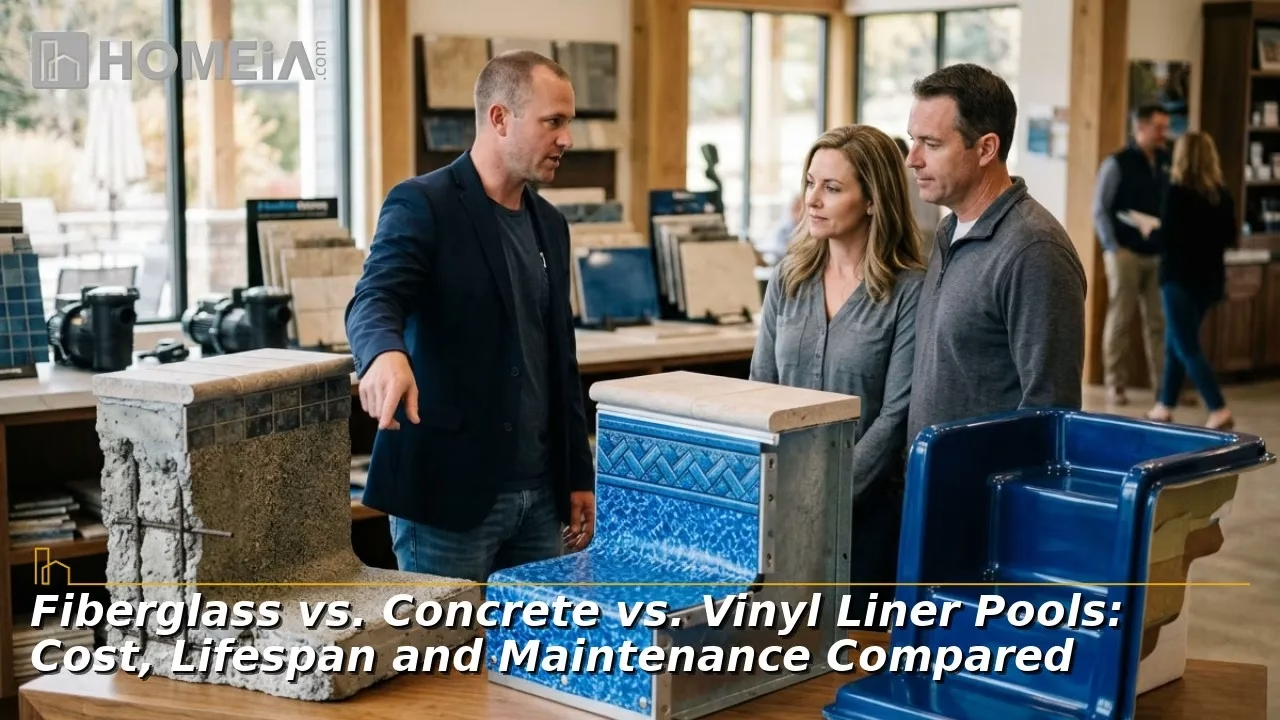
Fiberglass vs. Concrete vs. Vinyl Liner Pools: Choosing a pool type is the decision that sets the precedent for every other number in your project. It determines your upfront costs, how long the build disrupts your yard, how much will be spent on chemicals each summer, and what you owe in resurfacing or liner replacement a decade from now.
This guide compares fiberglass, concrete and vinyl liner pools across installed cost, build time, lifespan and long term ownership cost, then covers where fiberglass wins, where it falls short, and how climate should change your answer. Regional pricing matters too, and a closer look at how fiberglass pool installation costs across Ohio break down by property is a useful reference point while you compare. Choose the type before you collect quotes, because switching later is expensive.
Key Takeaways
- Vinyl liner is the lowest financial price point to install, fiberglass sits in the middle, and concrete takes the crown.
- Fiberglass installs fastest, often in weeks rather than the months a concrete pool takes.
- Vinyl liners need replacing every 5 to 10 years, which erases most of the upfront savings.
- Concrete needs resurfacing roughly every 10 to 15 years at significant cost.
- Fiberglass uses the fewest chemicals because its gelcoat surface is non-porous.
- Concrete offers unlimited shape and depth. Fiberglass is limited by what fits on a truck.
- In freeze-thaw climates, fiberglass flexes where concrete tends to crack.

Related article
5 Swimming Pool Maintenance Tips That Can Make Life Easier
Like all the other parts of your property, your pool needs to be looked after properly for optimum performance and to make sure you can enjoy it for longer. If you’re ready to learn, here are 4 swimming pool maintenance tips you should know to make your life easier…
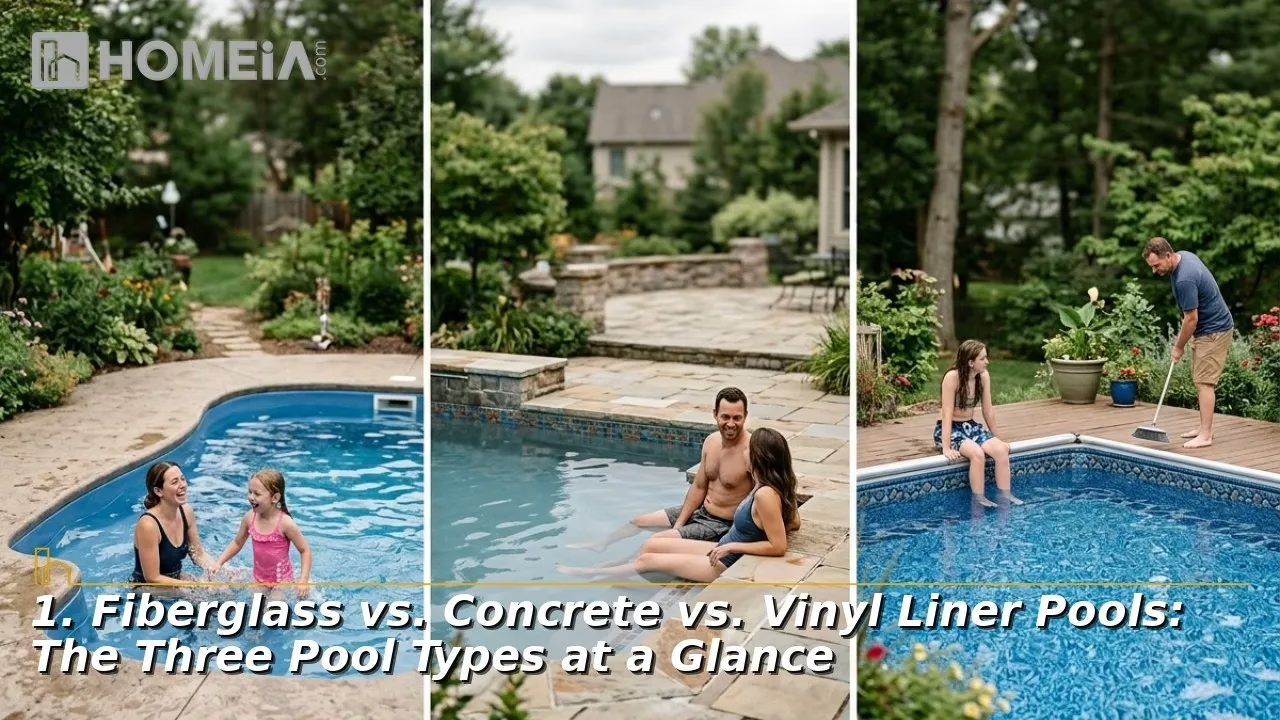
1. The Three Pool Types at a Glance
| Factor | Fiberglass | Concrete (gunite) | Vinyl liner |
| Typical installed cost | $55,000 to $100,000 | $65,000 to $120,000+ | $40,000 to $75,000 |
| Build time | 2 to 5 weeks | 3 to 6 months | 4 to 8 weeks |
| Surface lifespan | 25+ years, no resurfacing | Resurface every 10 to 15 years | Liner replaced every 5 to 10 years |
| Recurring surface cost | Minimal | $10,000 to $20,000 per resurface | $6,000 to $10,000 per liner |
| Chemical use | Lowest | Highest | Low to moderate |
| Shape options | Manufacturer catalog only | Unlimited custom | Wide, within panel limits |
| Max practical size | About 16 ft wide, 8 ft deep | No practical limit | Large, but rectangular bias |
| Salt system friendly | Yes | Harder on plaster | Yes, with care on wall panels |
Figures are standard US ranges for 2026 and vary by region, site conditions and decking included. Your own quote depends heavily on your property, covered in our guide to the eight site factors that change a pool quote.
2. What Each Type Actually Costs Over Time
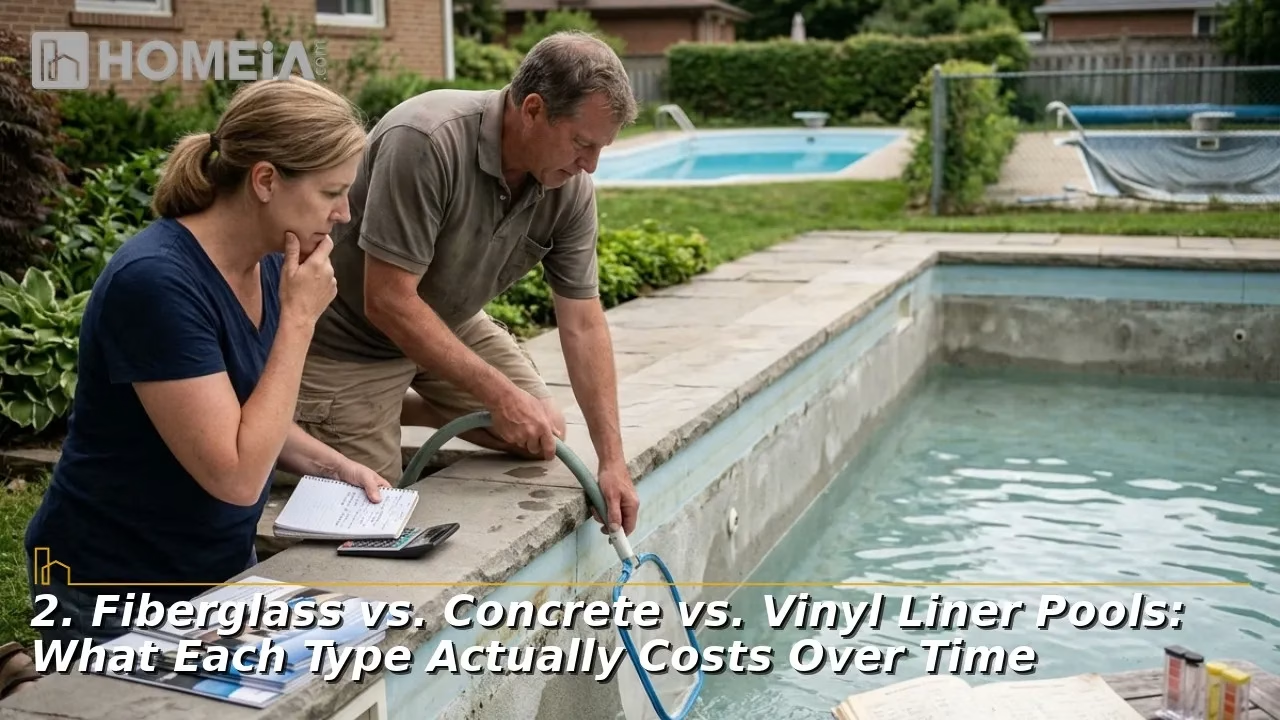
Upfront price is the number most people compare, and the one most likely to mislead. Run the math across a realistic ownership period instead.
| Time horizon | Fiberglass | Concrete | Vinyl liner |
| Year 0 (install) | $75,000 | $90,000 | $55,000 |
| Year 10 running total | About $88,000 | About $118,000 | About $76,000 |
| Year 20 running total | About $101,000 | About $155,000 | About $105,000 |
These assume midpoint installs, annual chemical and power costs of around $1,300 for fiberglass, $2,800 for concrete and $1,600 for vinyl, one liner replacement per decade, and one concrete resurface per decade.
The pattern holds across most real projects:
- Vinyl stays cheapest for about a decade. The first liner replacement lands near year 7 and closes much of the gap.
- Fiberglass and vinyl converge around year 10 to 12. After the second liner, fiberglass pulls clearly ahead.
- Concrete costs the most at every horizon. You are paying for design freedom, not value.
Related article
Top 10 Benefits of Resurfacing Your Old Fiberglass Pool
We’ve compiled 10 reasons you should resurface your fiberglass pool below. These range from saving money to saving time and having a pool that simply looks better in your yard. Not every benefit may matter to you, but when you put them all together, it’s impossible to say that fiberglass resurfacing isn’t an excellent choice…
3. Build Time and Disruption
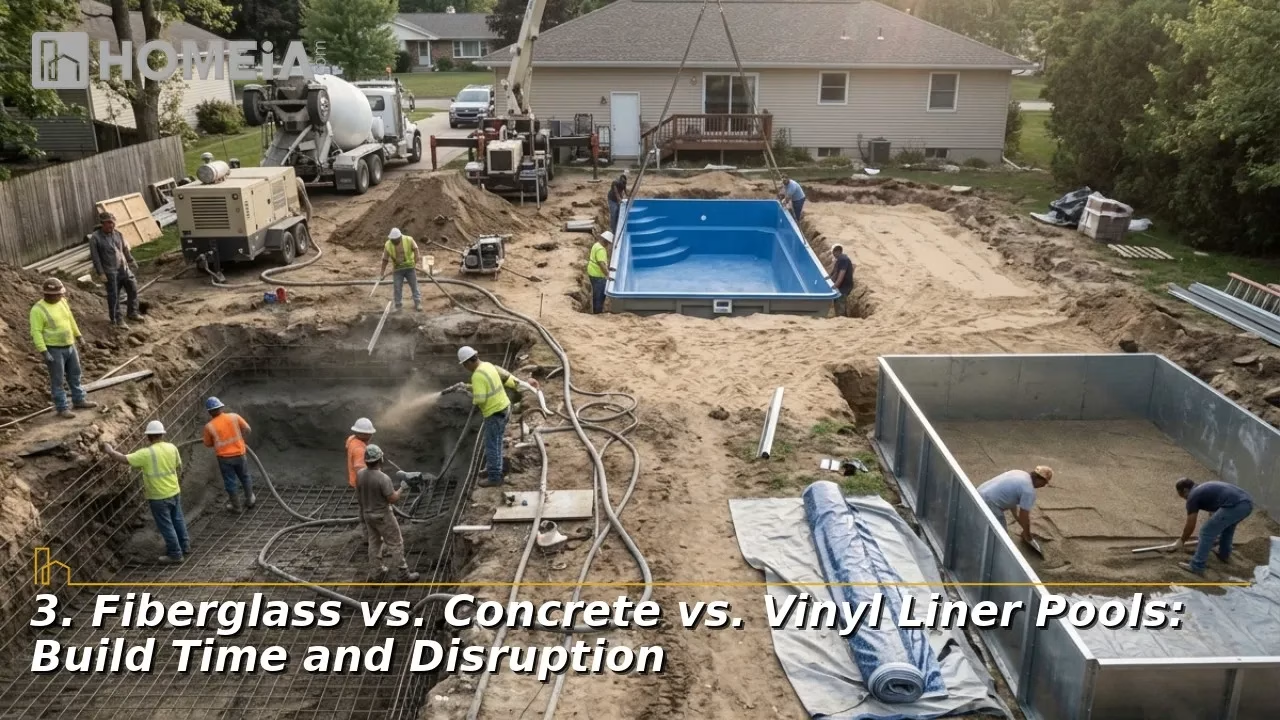
Time matters more than buyers expect, because your yard is a construction site throughout.
- Fiberglass: 2 to 5 weeks. The shell is craned in within a day. Any remainder is excavation, plumbing, backfill, decking and inspections.
- Vinyl liner: 4 to 8 weeks. Wall panels are assembled on site, then the liner is fitted.
- Concrete: 3 to 6 months. Gunite must be sprayed, cured, tiled and plastered, and curing cannot be rushed.
A concrete pool started in spring may not be swimmable until late summer. In short northern seasons, that can cost you a full year of use.
4. Where Fiberglass Genuinely Wins
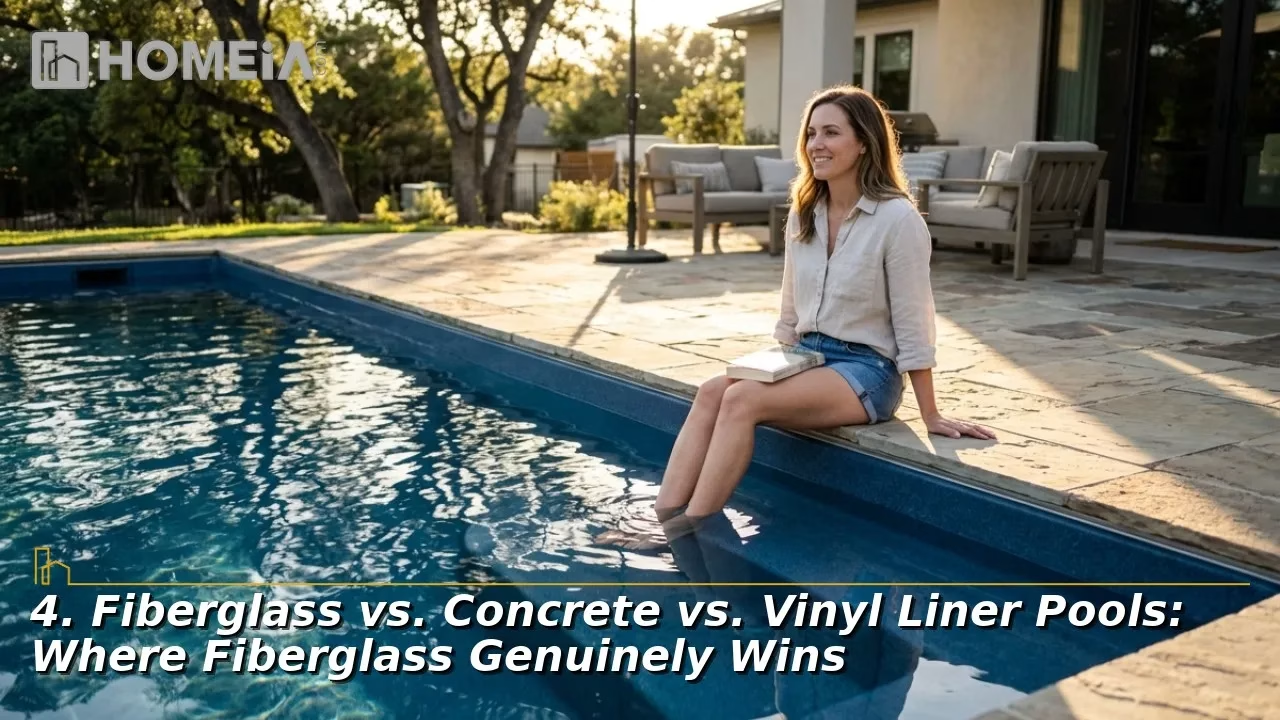
- Chemical consumption. The non-porous gelcoat gives algae nothing to grip and keeps pH stable. Concrete is porous and alkaline, pushing pH upward and demands more acid and chlorine.
- Surface durability. No resurfacing cycle or liner schedule. Our guide to resurfacing an old fiberglass pool covers the far end of that lifespan.
- Comfort. Smooth rather than abrasive, which matters for children and frequent swimmers.
- Speed. Weeks rather than months of disruption.
- Freeze-thaw performance. Fiberglass flexes with ground movement. Concrete is rigid, and rigid materials crack.
Recommended for you




5. Where Fiberglass Falls Short
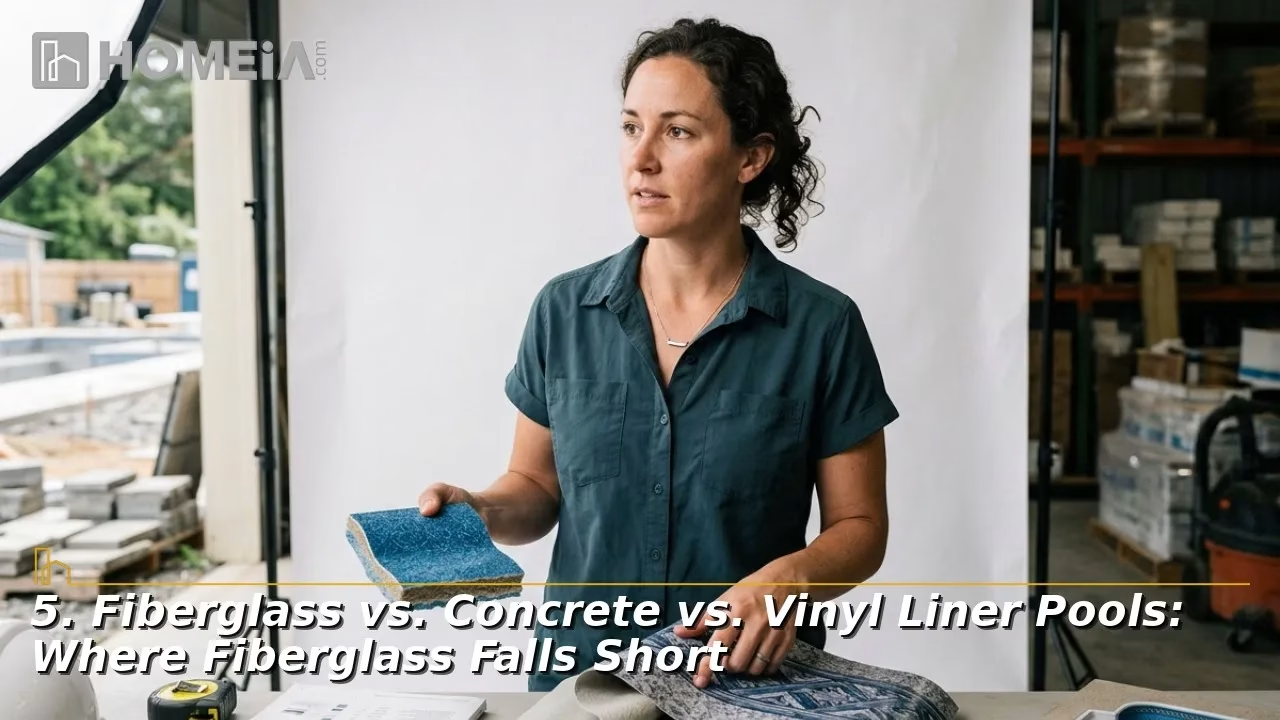
Balance matters here, because most fiberglass content is published by companies selling fiberglass.
- Size and shape limits. Shells travel by road, capping practical width near 16 feet and depth near 8 feet. For a diving well, a custom shape or massive pool, concrete is the only option.
- Gelcoat fading. Colour can dull over 15 to 20 years with heavy sun or chronically unbalanced water.
- Spider cracks. Fine surface cracks from shipping stress, poor backfill or point loads. Usually cosmetic, but they need addressing.
- Groundwater sensitivity. An emptied shell can shift or float if the water table rises. Hydrostatic relief and drainage are essential.
- Installation quality is everything. Shells are made to a standard. This means most fiberglass failures trace back to base preparation and backfill, not the product.
6. Climate and Soil Should Change Your Answer
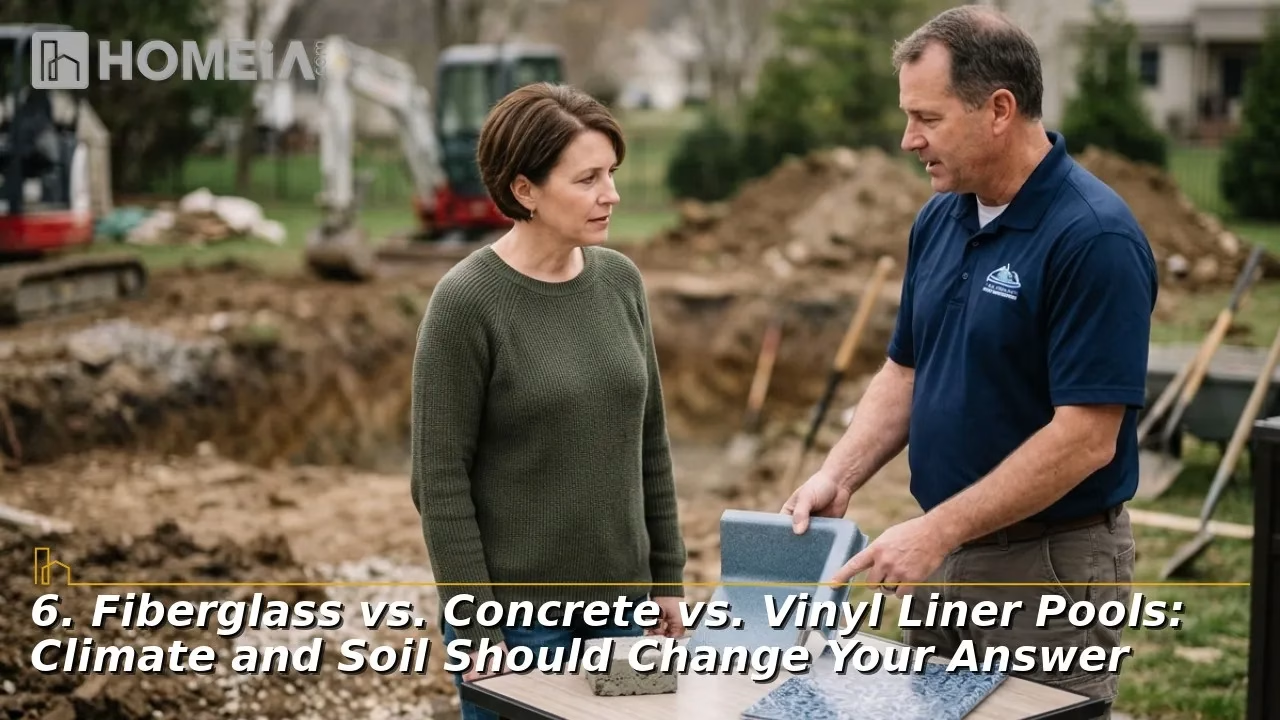
Where you live is not a footnote in this decision.
- Freeze-thaw regions (Midwest, Northeast): Ground movement favours fiberglass. Vinyl works with careful winterizing. Concrete needs proper engineering and reinforcement.
- Expansive clay soils: Common across Ohio and the Midwest. Clay swells and shrinks with moisture, stressing rigid structures. Fiberglass tolerates it better.
- High water table or poor drainage: The most important variable, and it affects every type. If your yard shows signs it needs drainage work, fix that first.
- Warm, stable climates: The case for concrete strengthens, since freeze damage is not a factor and design freedom decides.

Related article
12 Tips to Create a Cozy Outdoor Space for Your Patio
One of the absolute best parts of owning a home is the ability to enjoy your own backyard. And the best way to spruce up your backyard? Creating the coziest patio space! There are countless ways to create a more inviting patio space: upgrading your outdoor furniture, using colors and décor to create cohesion…
7. How to Decide
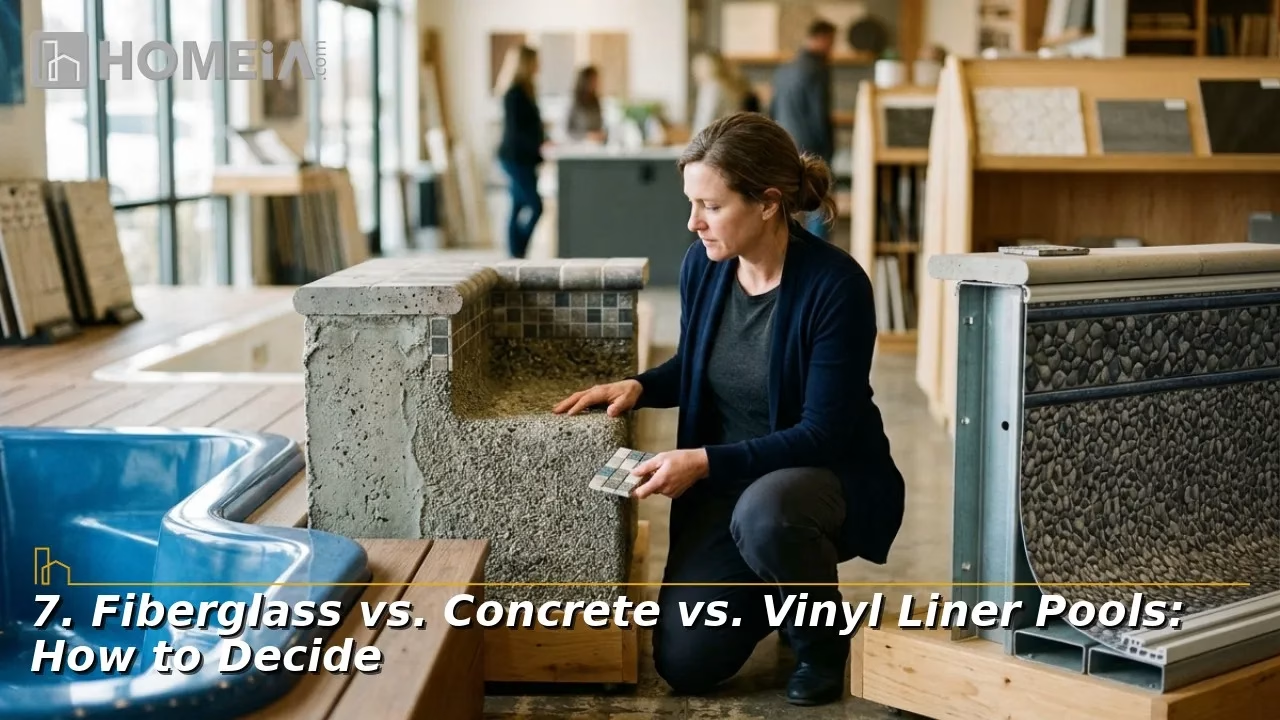
Work through these in order.
- Need a custom shape, diving well, or a pool wider than 16 feet? Go with concrete. Nothing else will suffice.
- Is the lowest upfront number the binding constraint? Choose vinyl, and budget a replacement liner around year 7.
- Staying more than 10 years? Fiberglass usually wins on total cost of ownership.
- Short season, or want to swim this year? Fiberglass, on build time alone.
- Want the least ongoing work? Fiberglass, on chemical use and surface maintenance.
- Yard sloped, clay-heavy or wet? Fiberglass, with a contractor who properly addresses drainage and backfill.
Whichever you go with, treat the contract as you would any major renovation. Our guide to home improvement contracts covers the scope and allowance language that decides whether two quotes are comparable, and it is worth weighing which upgrades return value at resale first.
Recommended for you




FAQs About Fiberglass vs. Concrete vs. Vinyl Liner Pools: Cost, Lifespan and Maintenance Compared
1. Can a fiberglass pool be installed above ground or partially above ground?
Yes, and this is a useful option on sloped lots where full excavation would require major earthwork. Fiberglass shells are self-supporting, allowing them to be set partially above grade with a retaining wall or deck structure built around the exposed portion. Concrete can do this too. Vinyl liner pools likely cannot, because their wall panels rely on backfill for support. Confirm the arrangement with the shell manufacturer first, since not every model is rated for partial above ground installation and doing it unapproved can void the warranty.
2. Can you drain a fiberglass pool?
Not casually, and this surprises many new owners. An empty fiberglass shell loses the water pressure that holds it against the surrounding ground. If the water table is high, the shell can lift, shift or distort, a problem installers call float. Concrete pools experience a milder version of the same risk, while vinyl liners can shrink and crack when exposed to air. If you need to drain for a repair, have the installer do it, and only after checking groundwater conditions and using the hydrostatic relief valve. Routine cleaning almost never requires draining.
3. Can a fiberglass pool be resurfaced or painted?
Yes, though it is a different process from resurfacing concrete. Faded or chalky gelcoat can be professionally restored, and epoxy pool paint is an option. However, this introduces a maintenance cycle that fiberglass otherwise avoids, since paint typically needs redoing every 5 to 7 years. Restoring the original gelcoat lasts considerably longer. Since this work is specialised, get quotes from companies that specifically handle fiberglass rather than general pool renovators.
4. Are saltwater systems safe for all three pool types?
Fiberglass handles salt well and is often the recommended pairing because the gelcoat is unaffected by salinity. Vinyl liners are compatible, but the metal wall panels, fasteners and any ladder anchors need to be salt rated or they will corrode over time. Concrete is the most vulnerable, since salt gradually degrades plaster and grout and can shorten the interval between resurfacings. If saltwater is a priority for you, it should push you toward fiberglass or vinyl.
5. Why is the fiberglass shell price so much lower than the installed price?
Because the shell is typically only 30 to 40 percent of the project. A shell quoted at $25,000 can easily become a $75,000 finished pool once you add excavation and soil removal, delivery and craning, plumbing and equipment, electrical work, backfill and base material, decking, fencing, permits, water and startup, and yard restoration. When a price is quoted unusually low, it is almost always a shell-only figure or a quote that excludes decking. Always compare proposals on total installed scope rather than headline price.
Share