






Advanced Guide to Warehouse Space Rental and Cost Optimization
- Local Editor:Local Editor: The HOMEiA Team
-
Category: Rent
Share


Finding the right warehouse space for rent goes beyond securing square footage—it’s about acquiring a strategic logistics asset that drives supply chain efficiency. This guide explores cost structures, layout optimization, lease strategies, and operational best practices to maximize your warehouse rental investment.
Table of Contents:
- 1. Strategic Warehouse Space Rental Approach
- 2. Understanding Warehouse Rental Costs
- 3. Lease Negotiation Strategies
- 4. Operational Optimization Within Rental Space
- 5. Location and Infrastructure Evaluation
- 6. Legal and Risk Management
- 7. Market Trends and Cost Management
- 8. Future-Proofing Your Warehouse Strategy
- Frequently Asked Questions about Warehouse Rental
1. Strategic Warehouse Space Rental Approach
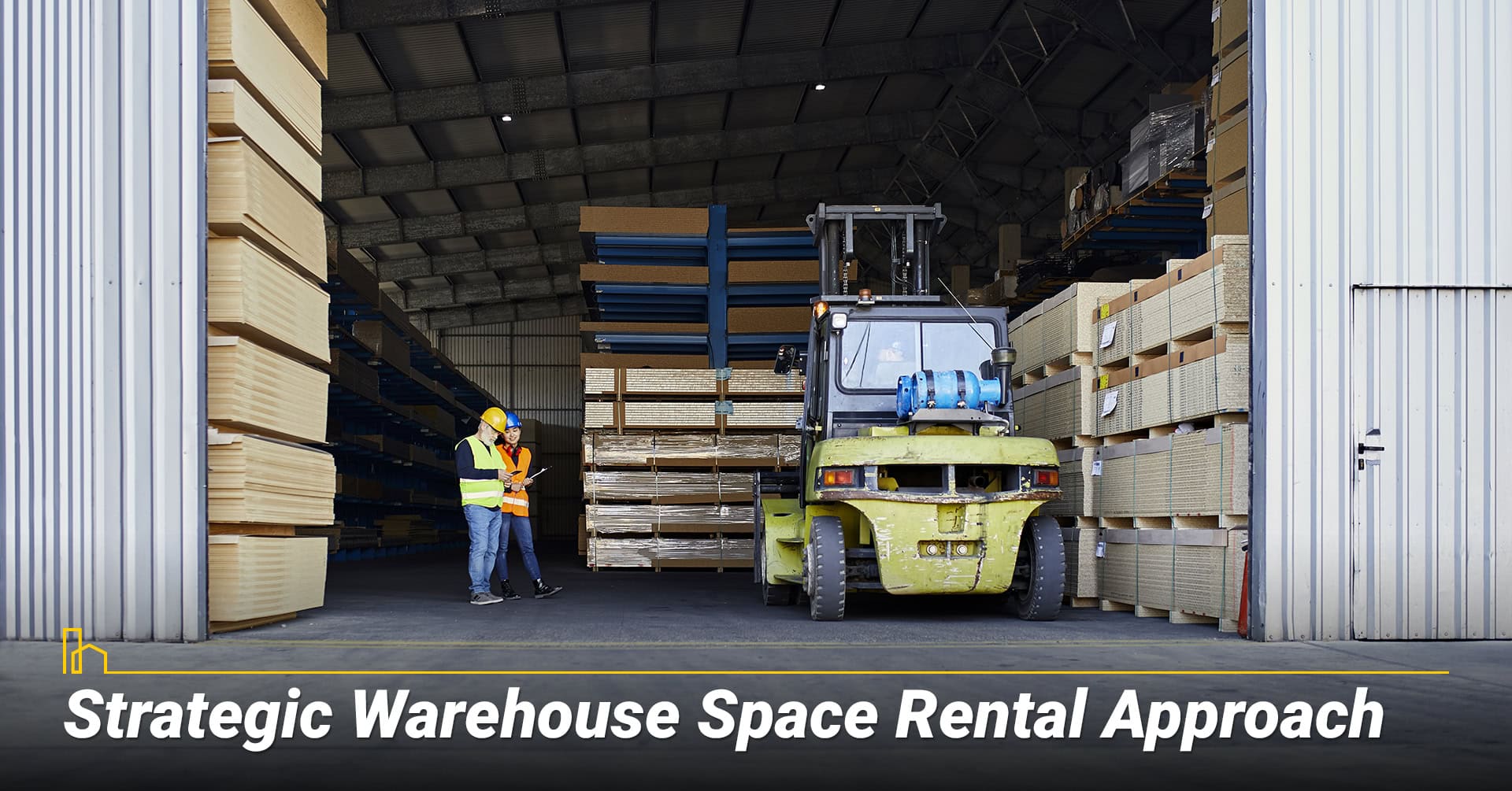
When evaluating warehouse rental options, consider strategically positioning your supply chain. Warehousing expenses now account for about 13% of total supply chain costs, making location and efficiency critical factors.
A. Transportation and Location Strategy: Transportation cost reduction represents one of the most significant factors in warehouse selection. Proximity to suppliers, customers, and major transportation corridors directly impacts profitability through reduced shipping times and freight costs. Companies can achieve 15-30% cost savings by strategically positioning warehouses near key infrastructure.
Consider the broader logistics network when selecting locations. A warehouse that appears expensive on paper may provide substantial savings through reduced transportation costs, faster delivery times, and improved customer satisfaction.
B. Space Utilization Optimization: Cubic space maximization has become increasingly critical as average peak warehouse utilization reached 85.6%, with 37% of facilities pushed beyond 95% capacity. High ceilings and vertical storage systems can dramatically increase usable area without expanding the physical footprint.
Throughput optimization through efficient layouts minimizes pick-path distance and maximizes productivity. Consider factors such as • Product velocity and seasonality patterns for optimal slotting, • Equipment requirements, and traffic flow optimization, • Future expansion and scalability needs for long-term growth.

Related article
8 Important Things to Consider Before Buying a Storage Shed
We’ve compiled a list of 8 important things to consider prior to purchasing your new storage shed. Many of these considerations go hand-in-hand while preparing to purchase and install a storage shed. As such, be sure to look at each of these factors before deciding on the new addition to your property…
2. Understanding Warehouse Rental Costs
Warehouse rental cost encompasses multiple components beyond base rent. U.S. warehousing rent has risen by 4.8% to $7.86 per square foot, with lease rates jumping more than 20% to reach $9.72 per square foot in many markets.
A. Core Cost Components:
| Cost Category | Description | Typical Range |
| Base Rent | Primary monthly/annual rental fee | $0.85-$1.10 per sq ft/month |
| Operating Expenses (N) | Property taxes, insurance, maintenance | $0.25-$0.35 per sq ft/month |
| Utilities | Electricity, water, heating, cooling | Variable by usage |
| Security Deposits | Upfront landlord requirements | 1-3 months rent |
| Additional Services | Dock scheduling, loading assistance | As needed |
B. Cost Calculation Methods: For a 5,000-square-foot warehouse with a base rental rate of $0.85 per square foot per month and operating expenses of $0.25 per square foot per month, the total monthly cost would be $5,500 (5,000 × $1.10).
Operating expenses, often called NNN (triple net) or CAM (common area maintenance), cover property taxes, insurance, and maintenance costs. Always request detailed breakdowns of these costs and verify which services are included and which are excluded.
C. Hidden Cost Considerations: Minimum monthly spend requirements have risen from $337.50 to $517, making lease flexibility increasingly important for smaller operations. Additional costs that often surprise tenants include escalation clauses, utility connection fees, and specialized equipment requirements.
Related article
Choosing Between Short-Term and Long-Term Self Storage
When renting a self storage unit, one crucial decision you’ll have to make is whether to opt for long-term or short-term storage. Both options have their advantages and disadvantages, and the choice largely depends on your specific needs and circumstances. Let’s explore the differences between long-term and short-term self storage so you can determine which is the best option for you…
3. Lease Negotiation Strategies
Maximize operational and financial leverage through strategic lease negotiations. The warehouse leasing market has become increasingly tenant-favorable in many regions, creating opportunities for better terms.
A. Essential Negotiation Points:
| Term | Benefit | Negotiation Strategy |
| Rent Abatement Period | Reduced/waived rent during initial months | Request 1-3 months for longer leases |
| Right of First Refusal | Priority on adjacent space expansion | Essential for growing businesses |
| Improvement Allowances | Landlord contributions to tenant fit-outs | Negotiate based on lease length |
| Sublease Rights | Flexibility for changing business needs | Critical for business flexibility |
| Early Termination Clauses | Exit options under specific conditions | Include performance triggers |
B. Risk Mitigation Strategies: Always have leases reviewed by commercial real estate attorneys familiar with industrial contracts. Key areas requiring attention include:
- Escalation clause caps and calculation methods
- Common area maintenance charge definitions and audit rights
- Assignment and subletting restrictions
- Force majeure and termination provisions

Related article
The 7 Benefits of Renting a Self Storage Unit for Homeowners
With self-storage, it’s easy to remove items from your home without the need to part with them permanently. When you want them back, you only need to stop by your storage unit. Is it time to reclaim your home and restore your peace of mind so you can enjoy life to the fullest? Here are six…
4. Operational Optimization Within Rental Space
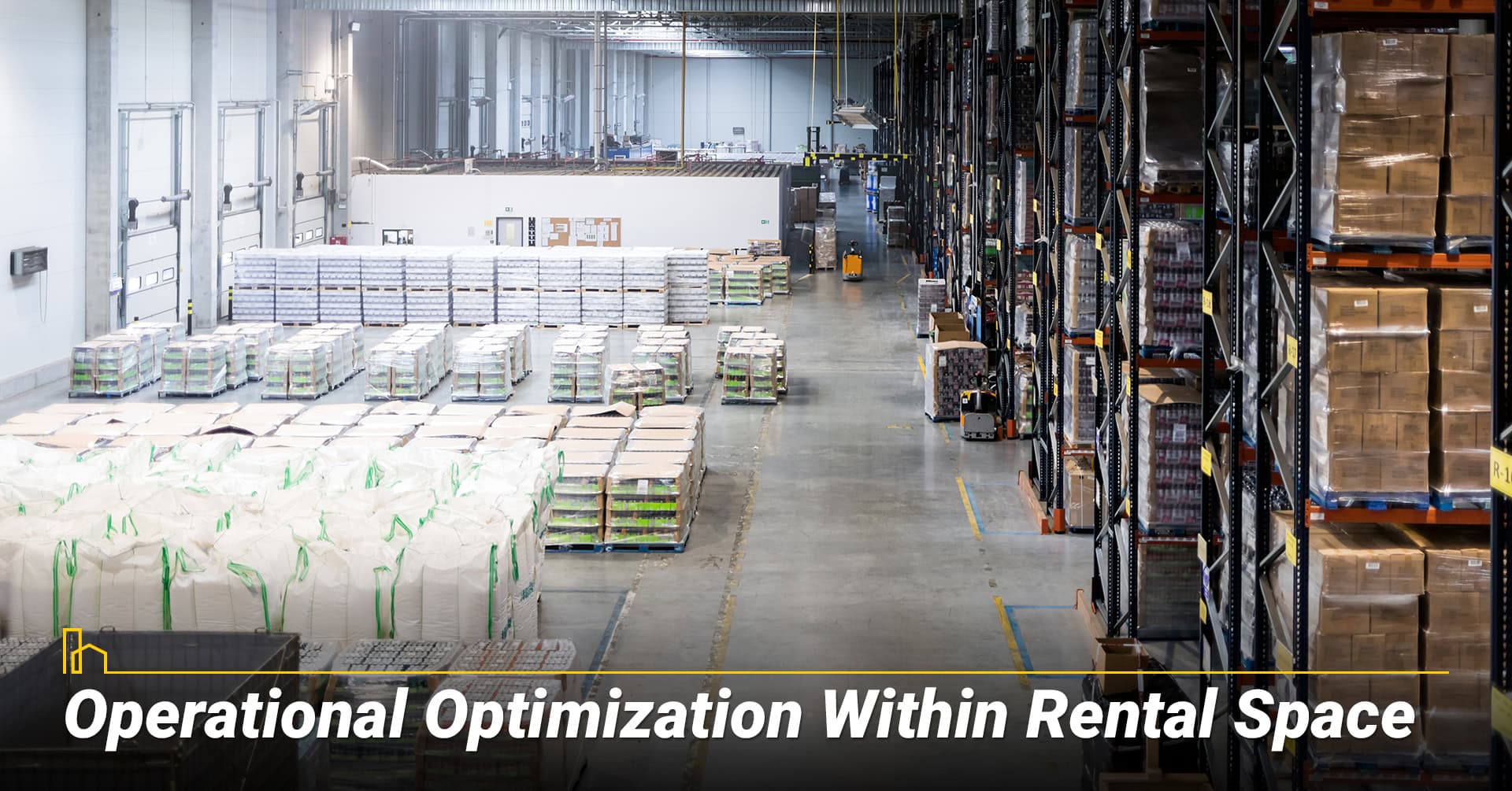
Maximize efficiency within your warehouse to offset rent costs through strategic, operational improvements.
A. Layout and Design Efficiency: U-shaped layouts are proven ideal for high-volume operations, ensuring an efficient flow from receiving to shipping while keeping storage centralized. Aisle width optimization balances equipment access with space efficiency while maintaining safety standards.
Zone-based design principles create dedicated areas for various functions, including receiving, storage, picking, packing, and shipping. This approach improves workflow efficiency and allows for specialized equipment and processes in each zone.
B. Technology Integration: Slotting optimization involves positioning high-demand products closer to picking stations based on velocity patterns. Data-driven slotting reduces unnecessary movements and improves picking accuracy by 15-25%.
The Warehouse Management System market is projected to reach $4.1 billion. Key technology benefits include: • Real-time inventory tracking and location management • Automated replenishment and cycle counting • Performance analytics and optimization recommendations.
C. Storage System Optimization: Vertical storage systems, particularly Automated Storage and Retrieval Systems (AS/RS), can increase storage density by 40-60% compared to traditional racking while improving accuracy and reducing labor costs.
Cross-docking implementation reduces storage time for fast-moving goods by transferring products directly from inbound to outbound shipments, minimizing handling costs and storage requirements.

Related article
The Benefits of Steel Shed Storage, with a Customizable Colorbond Shed
Colorbond sheds have the most spectacular range of colors for enhance any property, are low-maintenance and pest and fire-resistant offering great long-term value and safety. Whether they are used for the storage of equipment, protection for livestock, or just ambiance for outside…
5. Location and Infrastructure Evaluation
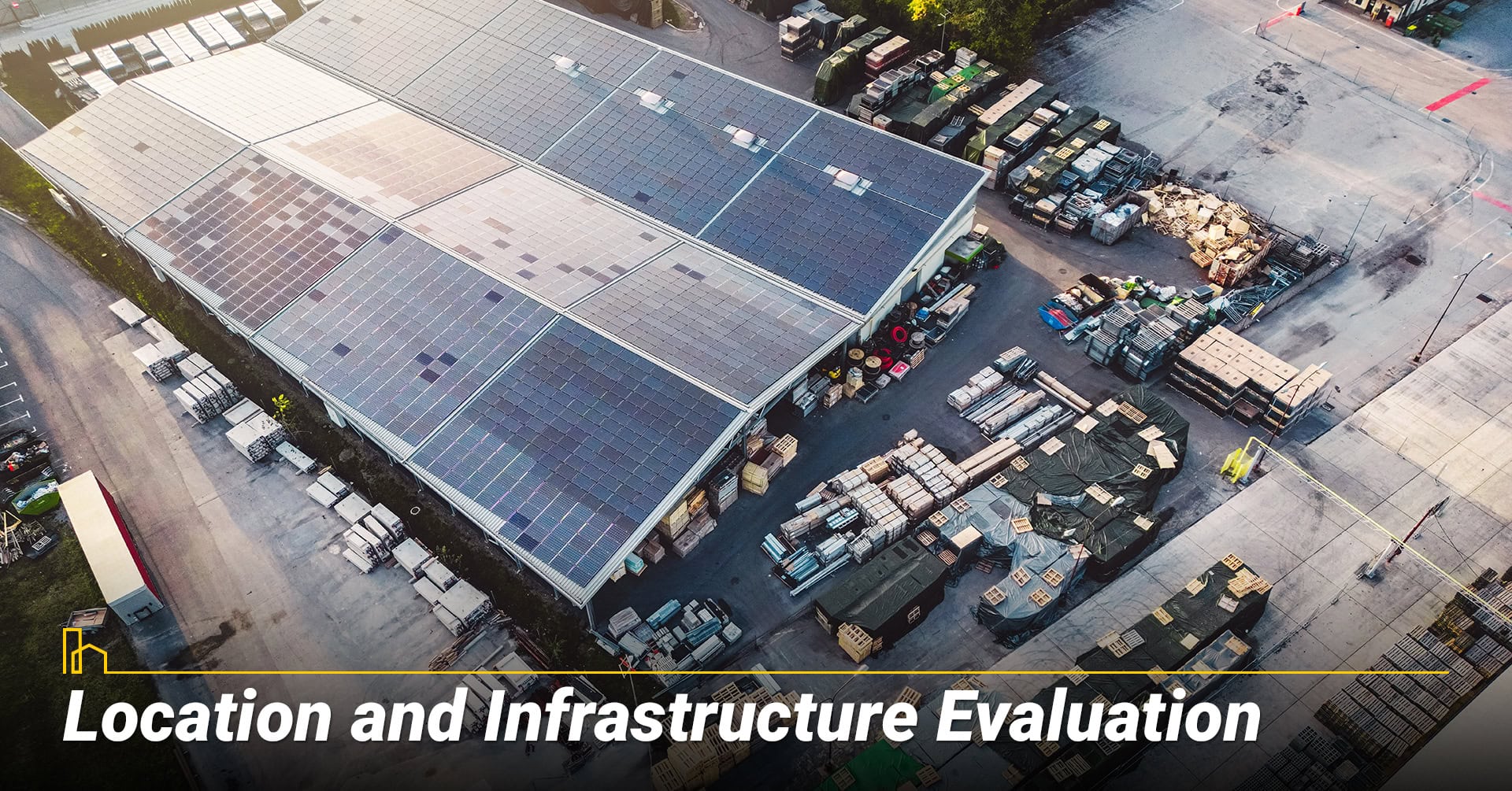
Strategic location selection significantly impacts total operational costs, far beyond the base rent. Transportation costs can represent 60-70% of total logistics expenses.
A. Transportation Access: Transportation access through proximity to highways, ports, and rail systems can reduce shipping costs by 15-30% compared to remote locations. This advantage often justifies higher rental rates through operational savings.
B. Facility Infrastructure Requirements: Essential infrastructure considerations include: • Power capacity for automated systems and equipment • HVAC systems appropriate for product requirements • Floor load capacity for heavy storage systems • Ceiling height for vertical storage optimization.
C. Labor Market Analysis: Labor availability represents a critical factor in location selection. Access to skilled warehouse workers, reasonable wage rates, and low turnover areas contribute significantly to operational success.
6. Legal and Risk Management
Protect your investment through proper due diligence and understanding of potential pitfalls.
A. Common Lease Pitfalls: Uncapped escalation clauses can lead to unpredictable rent increases. Always negotiate caps on annual increases or tie escalations to specific indices, such as the Consumer Price Index (CPI). Undefined CAM charges represent another common pitfall where fees lack audit rights or clear expense categories.
B. Compliance and Property Management: Verify that all planned activities comply with local regulations and that required permits can be obtained. Property management support quality varies significantly between landlords and can impact operational efficiency.

Related article
3 Reasons You May Need Car Storage
The world around us has changed greatly in the past year or so, and it continues to do so. One trend that is growing is the need for car storage. As fewer people are commuting and more people are spending time at home, downsizing to single-car households, and making other moves, vehicles are becoming less of a status symbol than they might have been in the past…
7. Market Trends and Cost Management

48.6% of warehouses now charge long-term storage fees, up from 23.33%, making inventory management increasingly important for cost control. These fees typically range from $5 to $10 per pallet per month.
A. Current Market Dynamics: Warehouse space costs have surged 50% since spring 2020, with vacancy rates at the lowest ever 3% with an estimated 800 million square feet shortage. Average annual price increases decreased from 4.23% to 3.57%, though more warehouses now report increasing prices regularly.
B. Alternative Solutions: Third-party logistics providers offer compelling alternatives to direct warehouse rental. 3PL partnerships provide shared infrastructure that reduces individual overhead and easier scalability based on demand fluctuations.
C. Performance Monitoring: Essential metrics include: • Space utilization rates targeting 85% efficiency • Cost per unit stored including all soft costs • Inventory turnover optimization to reduce carrying costs.
8. Future-Proofing Your Warehouse Strategy
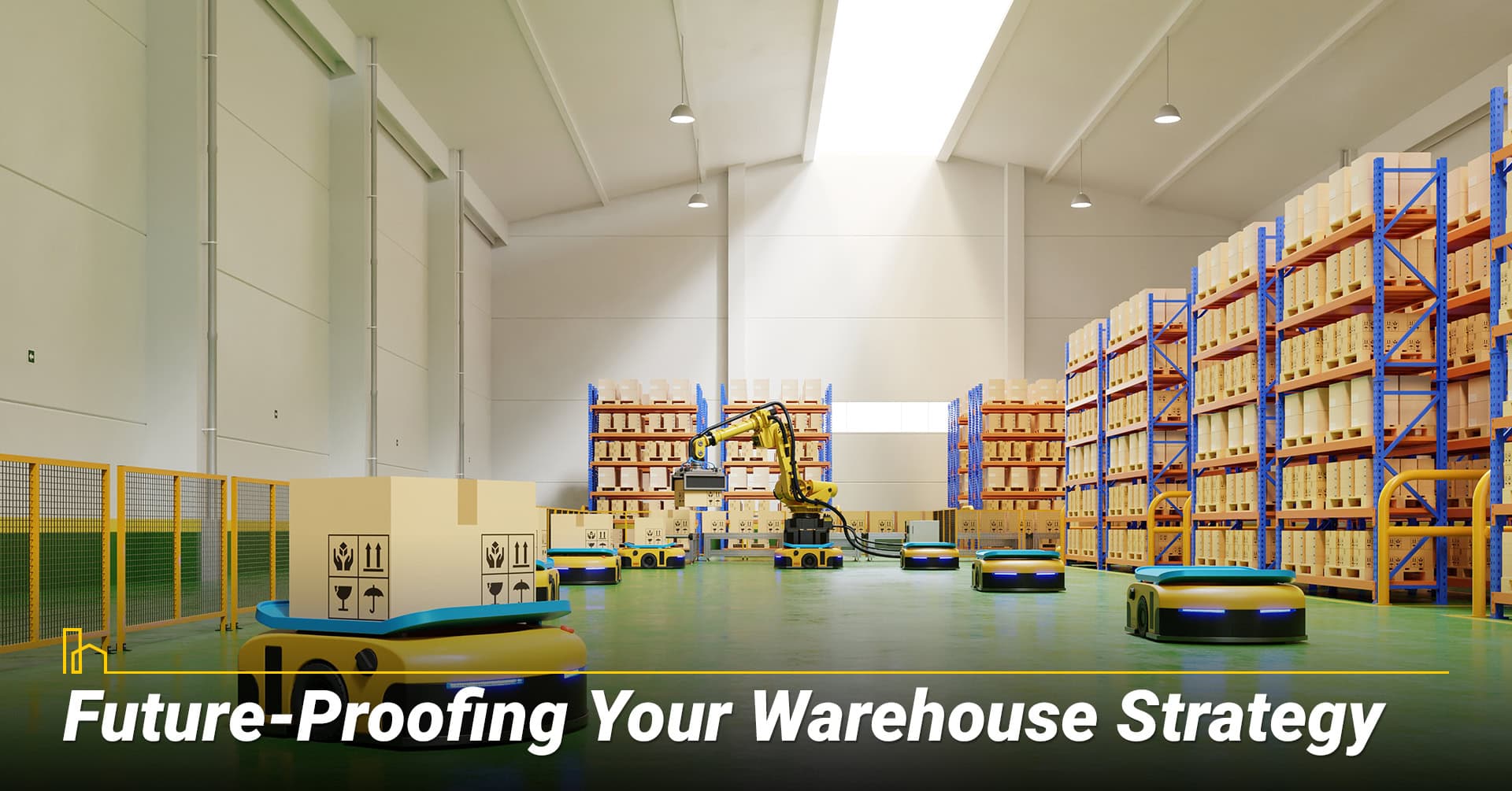
Technology integration provides real-time inventory tracking and space optimization capabilities. Customer retention among warehouses increased from 94.2% to 96.49% among those investing in technology solutions.
A. Technology Adoption: Automated systems reduce labor costs and improve accuracy while providing data for continuous optimization. Consider scalable solutions that can grow with your business and integrate with existing systems.
B. Flexibility Planning: Plan for business growth and changing requirements by incorporating flexibility into lease terms and facility design. This includes expansion options, equipment modification capabilities, and operational scalability.

Related article
How to Choose the Best Storage Rental in Las Vegas
By comparing features like location, size and even the surrounding climate, you can get a great deal on a storage unit while getting the best protection for your valuable possessions. Here’s what you need to know…
Conclusion: Successful warehouse space rental requires strategic thinking beyond basic cost comparison. With warehousing representing 13% of supply chain costs and market constraints tightening, optimizing rental decisions is crucial for achieving a competitive advantage.
Focus on the total cost of occupancy, rather than just base rent, considering the location’s impact on transportation costs, layout efficiency for operational productivity, and lease terms for business flexibility. Warehouse optimization through continual operational refinement achieves maximum efficiency and profitability, transforming warehouse space from a cost center into a competitive logistics asset.
Frequently Asked Questions about Warehouse Rental
1. What is the average cost per square foot for warehouse rental? The average U.S. warehouse rent is $7.86 per square foot annually, though this varies significantly by location. Including operating expenses (N), total costs typically range from $1.10 to $1.45 per square foot per month, with premium markets commanding higher rates.
2. How long should I commit to a warehouse lease? Most warehouse leases range from 3 to 10 years, with 5-year terms being the most common. Longer leases often secure better rates and improvement allowances, while shorter terms provide flexibility. Consider your business growth projections and market expansion plans when determining optimal lease length.
3. What percentage of my budget should go toward warehouse costs? Warehousing typically accounts for 13% of total supply chain costs, although this percentage varies by industry and business model. As a general rule, total occupancy costs (rent, utilities, labor) should not exceed 8-12% of gross revenue for distribution-focused businesses.
4. Should I rent warehouse space or use a 3PL provider? Consider 3PL when you need flexibility, lack warehouse expertise, or have seasonal demand fluctuations. Direct rental makes sense when you have consistent volume, specific operational requirements, or want complete control over processes. Many businesses use hybrid approaches, combining both strategies.
5. What red flags should I watch for in warehouse lease agreements? Key warning signs include uncapped rent escalation clauses, undefined common area maintenance charges without audit rights, restrictive assignment/subletting terms, and zoning restrictions that limit your intended use. Always have an attorney review lease terms before signing.

Related article
The Ultimate Guide to Self-Storage Unit Maintenance Tips for Long-Term Rentals
You may be wondering how to ensure that your items stay in the best condition possible. In this guide, you will learn ways to prepare your belongings and maintain your self-storage unit in order to keep your items safe and looking as good as new…


Related Content