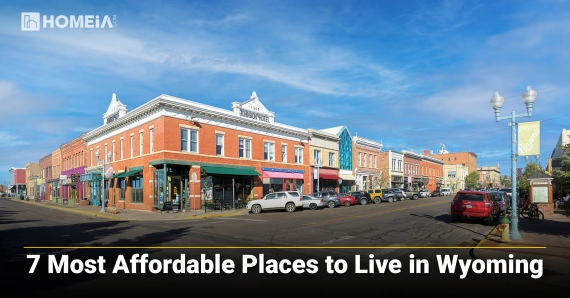







Wyoming offers standout affordability with no state income tax and below-average home prices, but costs vary by location. This guide analyzes seven of the state’s most inexpensive cities, comparing housing, utilities, and transportation to help families, retirees, and remote workers balance budget with Western lifestyle…
Moving to Wyoming: The Complete Relocation Guide & Checklist
- Local Editor:Local Editor: The HOMEiA Team
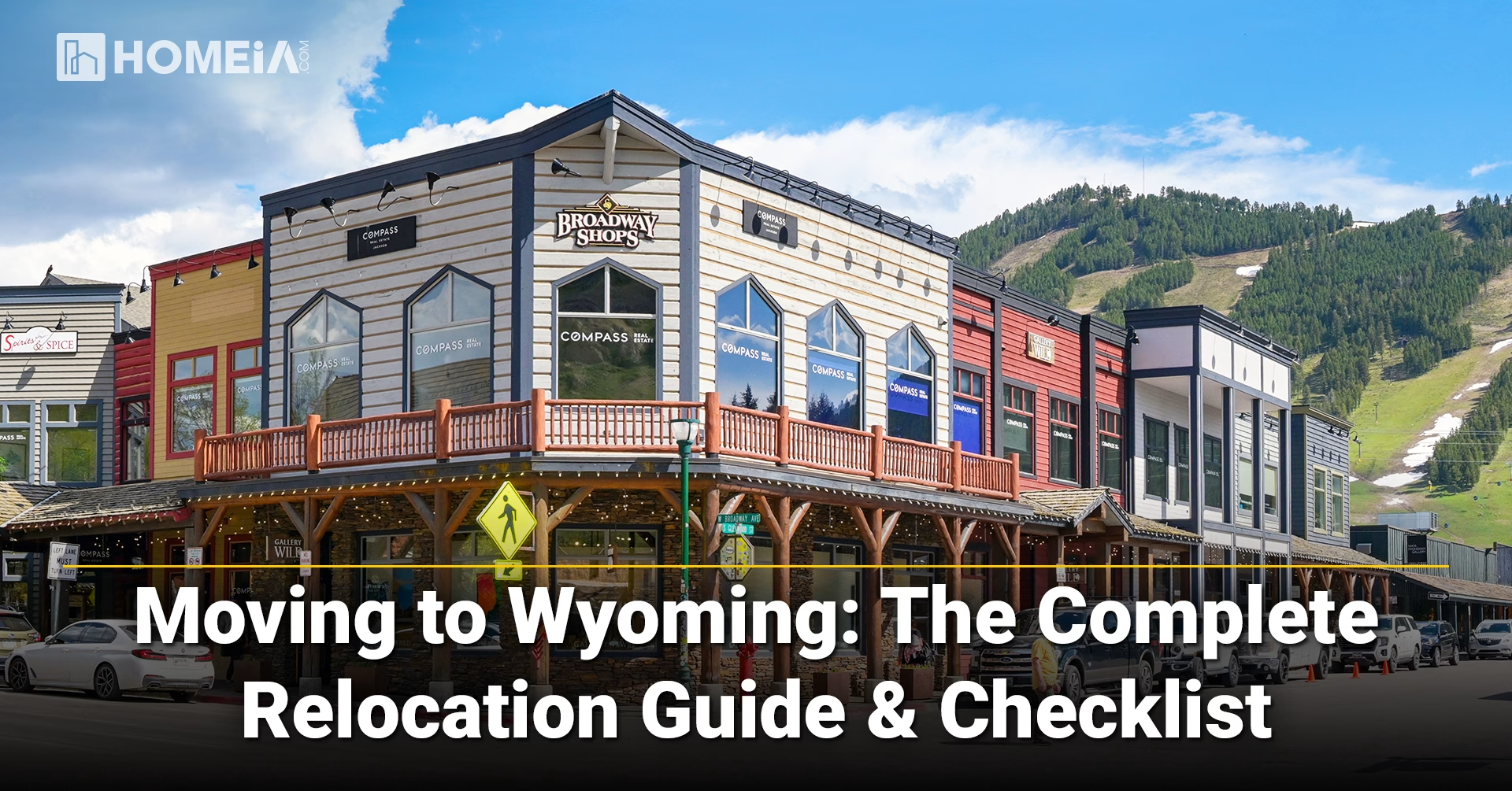
Bordered by Montana, South Dakota, Nebraska, Colorado, Utah, and Idaho, Wyoming offers a lifestyle defined by rugged natural beauty, wide-open spaces, and frontier independence. Over 580,000 residents call it home, drawn by its majestic mountains, abundant wildlife, and low population density. Cheyenne provides urban amenities against a backdrop of the Laramie Mountains, while hundreds of smaller communities dot a landscape of high plains, river valleys, and volcanic mountains.
Known for Yellowstone National Park, Grand Teton National Park, and celebrated Western culture, this part of the American West offers more to newcomers, no state income tax, low overall cost of living, and culture built on self-reliance and community. This comprehensive guide covers essential relocation information, from preparing for the climate and understanding costs to navigating the legal requirements of becoming a Wyoming resident.
Key Takeaways
- The Affordable Cost of Living: Wyoming’s overall cost of living is roughly 6% below the U.S. average. Housing is significantly more economical than in most other Western states, and utility costs are generally lower, though can vary depending on seasonality.
- Diverse Climate Zones: Prepare for a high-plains climate with four distinct seasons. Northern areas experience freezing winters, while southern regions are warmer and drier year-round.
- Specialized Economy: Energy, tourism, agriculture, government, and healthcare are the state’s primary economic pillars, offering stable jobs but often in specific sectors. The market for other professions can be limited.
- Outdoor Recreation: Outdoor recreation is a central part of their identity, with world-class national parks, ski resorts, and vast public lands for hiking, fishing, and winter sports.
- Safety & Infrastructure: Safety ratings are generally high, but some rural areas may have limited access to high-speed internet and specialized healthcare.
Methodology: How We Built This Guide
Our relocation timeline and recommendations are based on a multi-factor analysis of the key elements that impact a move to the 44th state. We compiled data from verified 2025 sources, including the U.S. Census Bureau, Bureau of Labor Statistics, Zillow housing market reports, FBI crime statistics, and Wyoming state agencies.
Our evaluation criteria for advice and city selection are weighted as follows:
- Housing & Affordability (30%): Analyzing median home prices, rental costs, and utility averages to provide accurate budgeting advice.
- Access & Logistics (25%): Assessing the practicalities of moving goods and vehicles into the state, considering its landlocked but well-connected nature.
- Legal & Administrative Requirements (20%): Outlining essential steps for establishing residency, including vehicle registration, driver’s licensing, and voter registration.
- Community & Lifestyle Integration (15%): Providing insights into cultural norms, community events, and tips for building a social network.
- Economic Preparation (10%): Offering guidance on job searching and financial planning specific to the state economy.

Related article
Our Methodologies to create HOMEiA Score Ratings for Each Group of Content
HOMEiA uses a consistent, data-driven methodology to evaluate U.S. states for livability, affordability, and long-term value. Our analysis centers on key factors such as Housing and Affordability, Cost of Daily Living, Access and Infrastructure, Community Strength, Safety and Quality of Life, Economic Resilience and Job Market…
1. What Is It Really Like to Live in Wyoming?
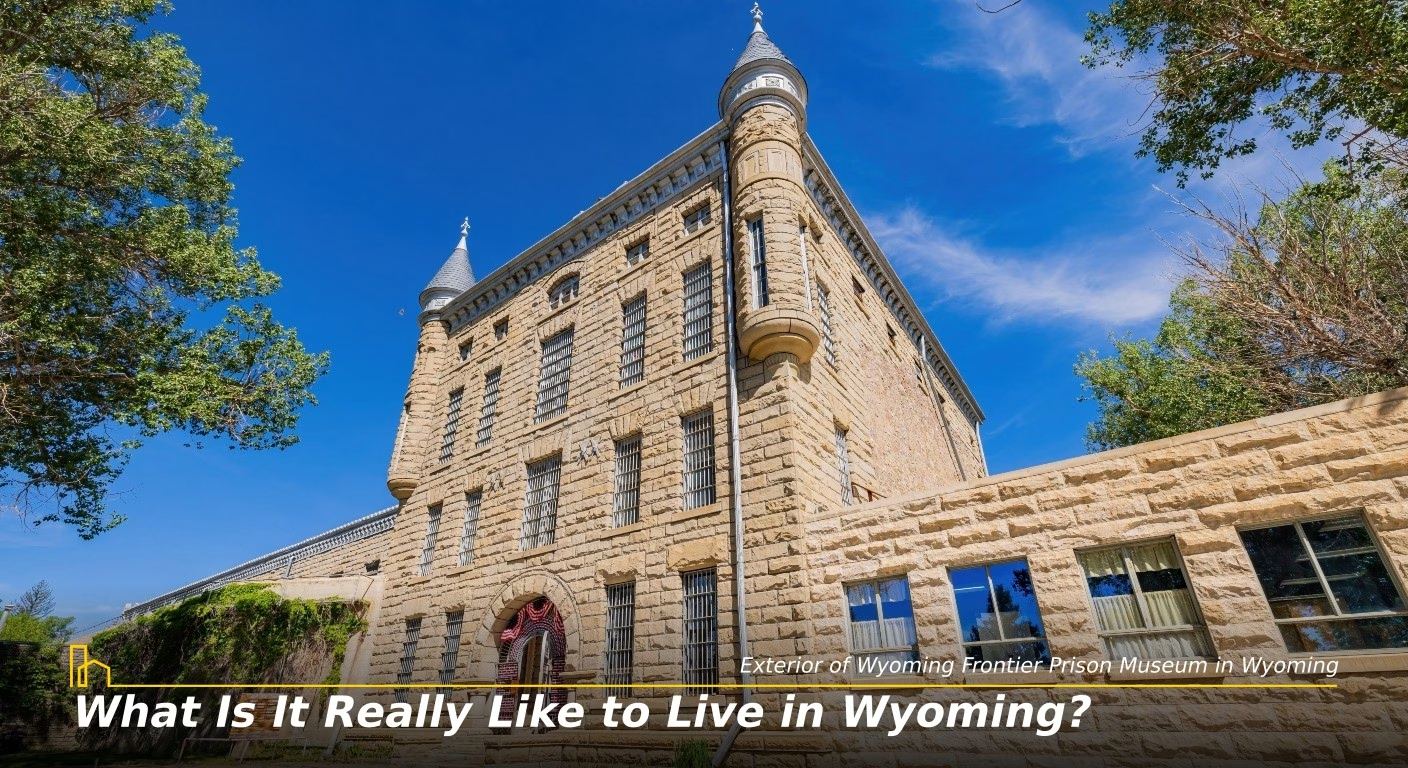
A. Culture & Lifestyle: Wyoming’s culture is deeply rooted in Western heritage, self-reliance, and a profound connection to the land. There’s an emphasis on independence, community, and outdoor living. Here, pace of life is generally slower and more deliberate than in major metropolitan areas. Community events including rodeos, county fairs, and local festivals are cornerstone activities, providing newcomers with natural opportunities to integrate and experience the state’s authentic character.
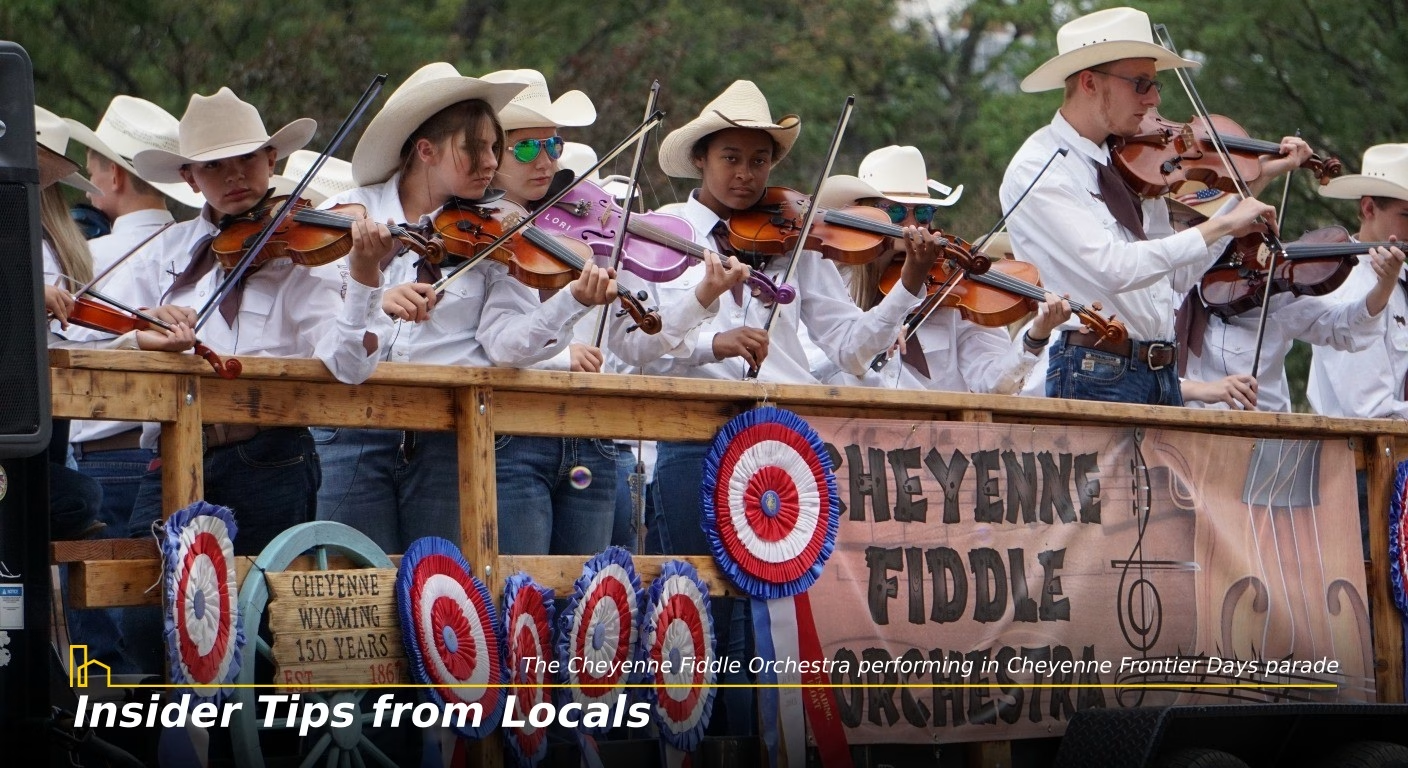
B. Arts, Sports, and Entertainment: Jackson Hole and Cody are renowned for their Western art galleries and museums, including the Buffalo Bill Center of the West. Notable cultural scenes also include the Grand Teton Music Festival, Cheyenne Frontier Days, alongside countless local traditions. For pro sports, there are minor league baseball teams (Casper Ghosts, Cheyenne Grizzlies) and NCAA Division 1 college sports through the University of Wyoming Cowboys. Outdoor sports are a way of life, from hiking and fishing in the summer to skiing and snowmobiling in the winter.
C. Food Scene & Nightlife: Traditional cuisine features hearty fare including bison burgers, steaks, and trout. While fine dining thrives in Jackson Hole, nightlife is generally reserved and centered around local breweries, community events, and small-town bars rather than going out. Smaller towns will likely have a few beloved local restaurants that serve as community hubs.
D. Outdoor Recreation & Natural Beauty: Outdoor recreation isn’t viewed as a hobby; it’s a central part of the cultural identity.
- National Parks & Monuments: Yellowstone, Grand Teton, Devils Tower, and Fossil Butte National Monument offer unparalleled hiking, wildlife viewing, and sightseeing.
- Skiing & Snow Sports: Jackson Hole Mountain Resort, Grand Targhee, and Snowy Range provide world-class winter sports.
- Hiking & Fishing: The Wind River Range, Bighorn Mountains, and countless rivers host endless trails and world-class fishing.
- Public Land: Millions of acres of national forest, BLM (Bureau of Land Management) land, and state land provide endless exploration.
E. Climate: Wyoming has several climate zones:
- Northern (Sheridan, Buffalo): High plains. Unforgiving winters (average lows around 10°F and highs up to 30°F), warm, sunny summers (70°F to 85°F).
- Central (Casper, Riverton): High plains. Cold winters (15°F to 35°F), warm summers (75°F to 90°F).
- Southern (Cheyenne, Laramie): High plains. Winters are generally from 20°F to 40°F, summers warm (75°F to 90°F), with windy conditions common.
- Western (Jackson, Cody): Mountain climate. Frozen winters (0°F to 25°F), mild summers (65°F to 80°F).
Related article
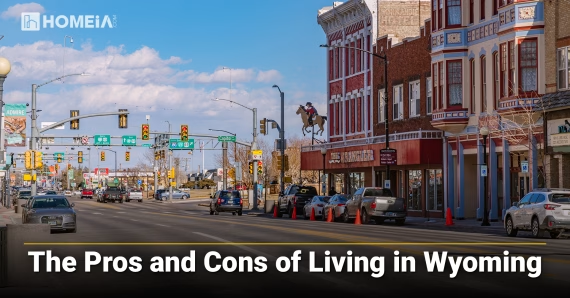
The Pros and Cons of Living in Wyoming
Wyoming offers rugged beauty, outdoor adventure, and a low-tax lifestyle rooted in independence. But life here also brings harsh winters, limited job opportunities, and sparse communities. This balanced guide explores the pros and cons of living in the Cowboy State and highlights the best cities for professionals, families, and retirees…
2. Cost of Living & Affordability
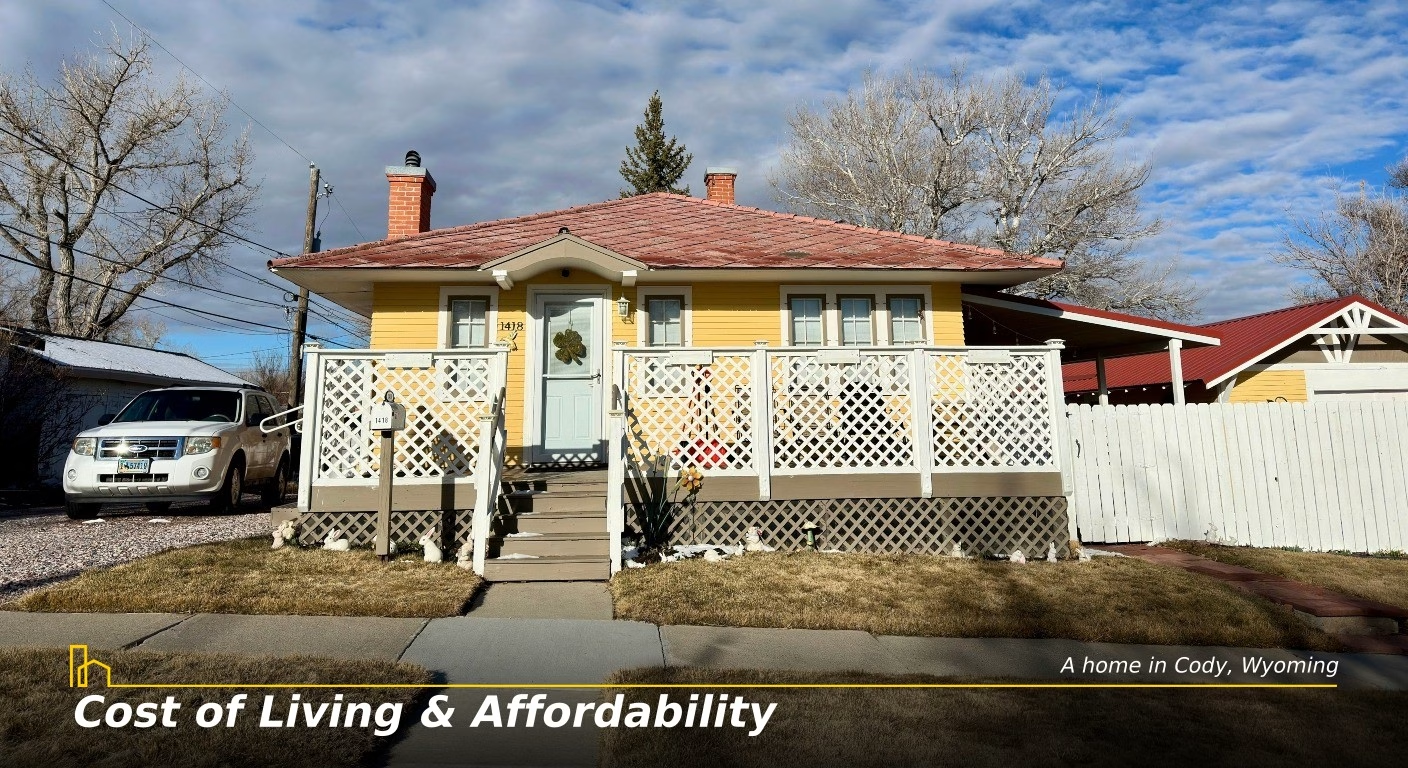
Affordability is one of its greatest assets. Let’s break down the costs.
A. Housing Market: Housing costs vary by city and region.
Housing Type | Cheyenne | Casper | Laramie | Jackson | Sheridan |
|---|---|---|---|---|---|
| Median Home Price | $351,700 | $324,500 | $366,784 | $1,200,000 | $417,333 |
| Avg. 2-Bedroom Rent | $1,134 | $1,217 | $1,499 | $2,500 | $850 |
Notes: Median home prices in Cheyenne are nearly $351,700 according to recent data. Casper median home price is estimated around $324,500, with rents averaging $1,217. Laramie median home price is $366,784 with rent about $1,499. The most expensive housing is in Jackson, with a median home price around $1.2 million and rent about $2,500.
B. Daily Expenses
Monthly Expense Category | Average Cost | Notes |
|---|---|---|
| Utilities (HVAC Focus) | $150 – $400 | Seasonal variation; winter heating costs can be high but utility costs are about 10% below U.S. average overall. |
| Groceries (Family of 4) | $500 – $750 | Slightly above/near national average due to transportation costs in remote areas. |
| Gasoline | ~$3.00/gallon | Slightly below/near the U.S. average. |
| Internet | $70 – $100 | Generally reliable in cities; more limited and pricier in rural areas. |
Related article
3. Jobs & Economy
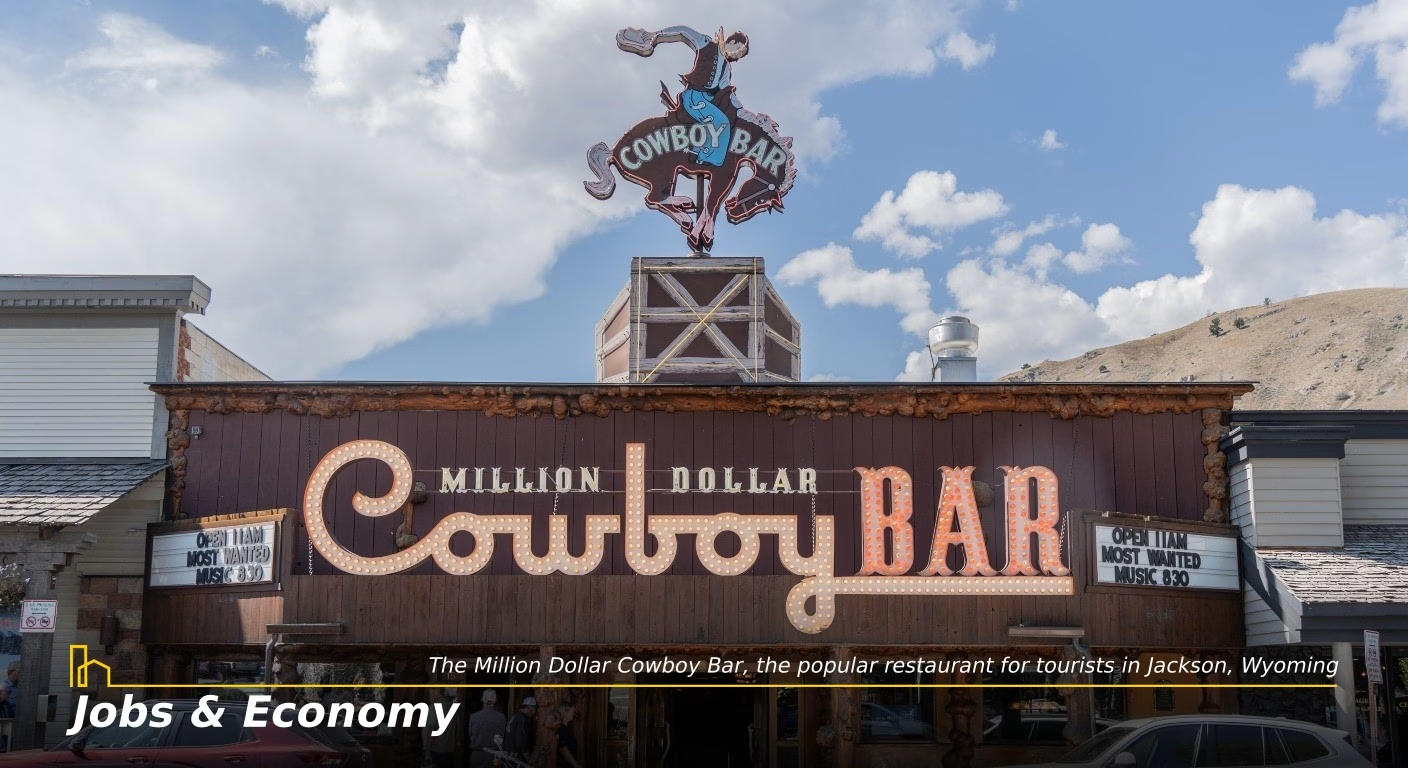
Wyoming’s economy is driven by key sectors:
- Energy: The largest industry, including coal, oil, natural gas, and increasingly wind power production.
- Tourism & Hospitality: On the come up, focused on outdoor recreation, national parks, and Western tourism.
- Government: State, federal, and local government positions provide steady employment.
- Agriculture: Cattle ranching and farming remain important economic pillars.
- Healthcare & Social Assistance: Stable and growing, especially in population centers.
4. Planning Your Move: A Timeline

A successful move to the Cowboy State requires planning, especially if coming from a great distance.
Timeline | Essential Tasks | Important Details |
|---|---|---|
| 8-12 Weeks Before | Plan & Research | Get moving quotes, budget, research new state laws, start decluttering. |
| 6-8 Weeks Before | Notify & Pack | Give notice to the landlord, collect boxes, pack off-season items, transfer medical files. |
| 4-6 Weeks Before | Transfer Services | Schedule utility shutoff/start, file USPS change of address, find new doctors, register kids for school. |
| 2-4 Weeks Before | Finalize Details | Finish packing, plan route, confirm mover, fill prescriptions. |
| 1-2 Weeks Before | Prepare to Go | Pack essentials, defrost fridge, clean home, confirm utility dates. |
| Moving Day | Execute Move | Oversee loading, final walkthrough, keep documents handy. |
| After Arrival | Settle In | Unpack basics, update license/registration, explore new town. |
=> Get the Relocation Guide & Checklist PDF — prepared for both Desktop and Mobile devices.
Recommended for you



5. Transportation
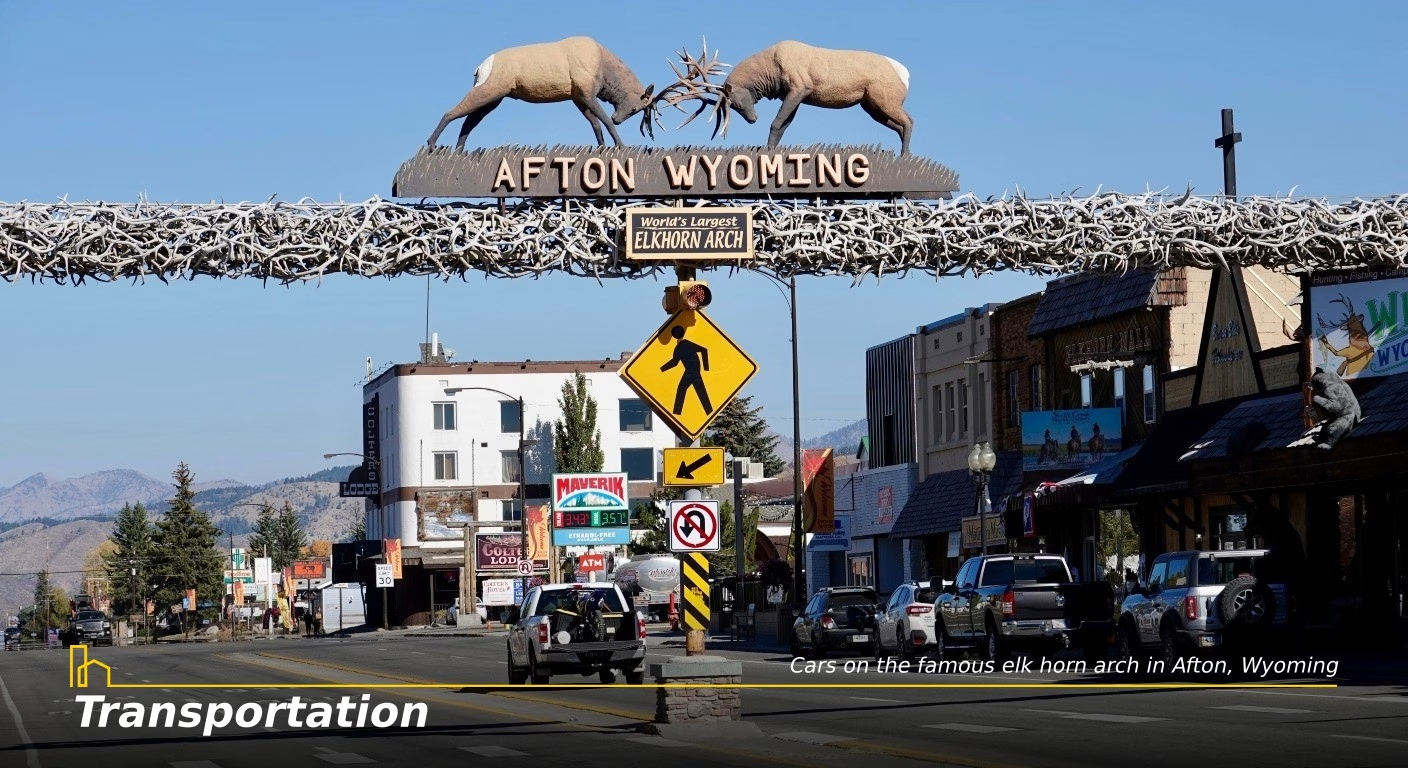
- Driving: I-80 runs east-west across southern Wyoming; I-25 runs north-south along the eastern border. These highways are the primary transit corridors. Rural communities connect via state highways but some remote areas can be isolated.
- Flying: Jackson Hole Airport (JAC) is the major hub with direct flights to major cities. Smaller airports in Cheyenne (CYS), Casper (CPR), and Cody (COD) offer connecting flights.
- Public Transit: Limited in metropolitans; cars are essential for most residents.
- Winter Driving: From October to April, winter or all-weather tires are recommended. Carry an emergency kit including blankets, food, and water.
6. Legal Requirements & Paperwork
New residents must complete several key tasks:
- Vehicle Registration: Required within 60 days of residency. Necessary documents include an out-of-state title, proof of Wyoming insurance, and a VIN inspection.
- Driver’s License: Must be obtained within 30 days of residency. You must surrender your previous license and provide proof of identity, residency, and Social Security Number.
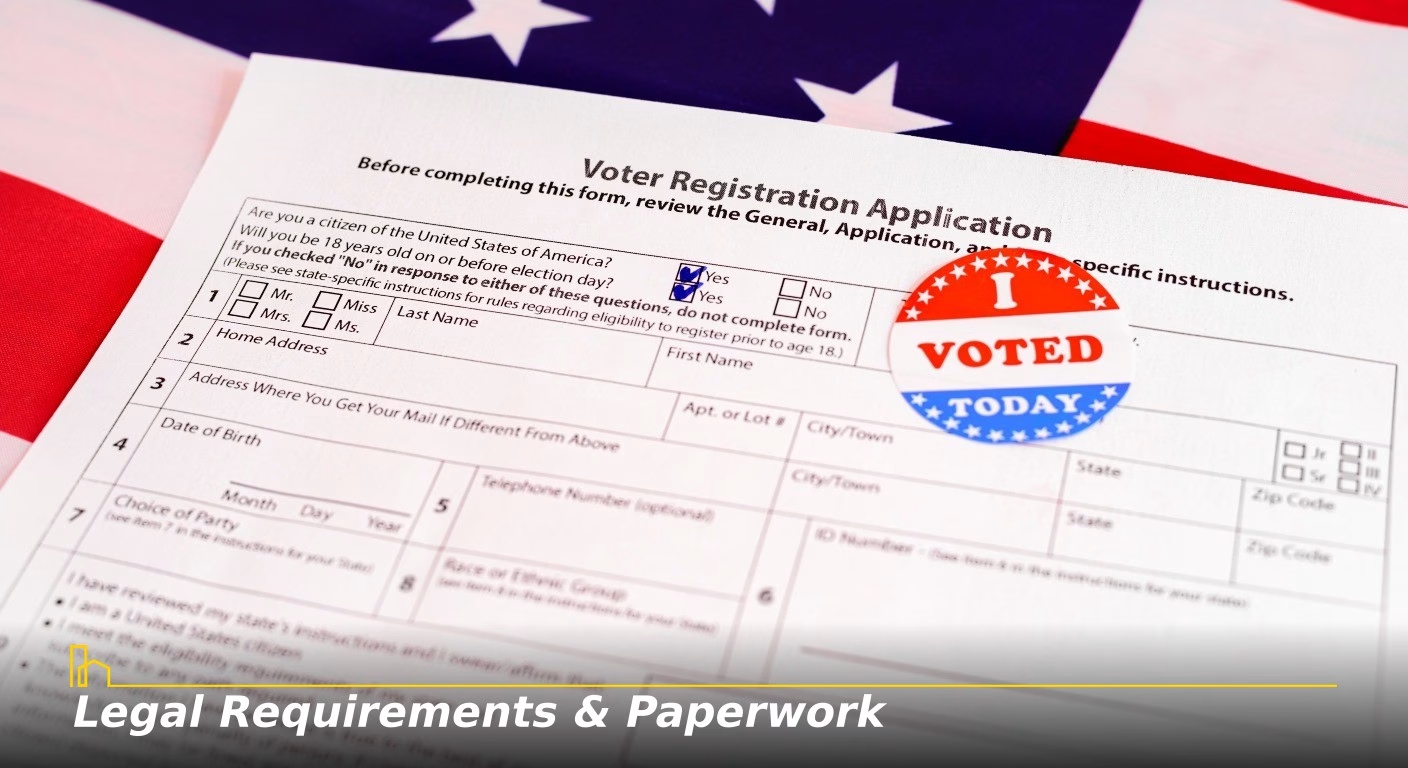
- Voter Registration: Can be done at the time of obtaining your driver’s license.
- Other: Hunting and fishing require a state license purchase.
Related article
The 5 Best Places to Live in Wyoming: A City Comparison
Wyoming blends vast natural beauty with small-town living and frontier values. Choosing the right city is key to matching lifestyle goals. This data-driven guide ranks the five best places to live in Wyoming for 2025, evaluating affordability, jobs, safety, amenities, and quality of life across standout communities…
7. Financial Planning

Create a realistic budget covering moving expenses (truck or pod rental, travel). Keep housing costs below 30% of income. Build an emergency fund covering 3-6 months living expenses due to sectoral economic variability. Benefit from no state income tax to increase savings or reduce debt.
8. Insider Tips from Locals
- Embrace the Seasons: Wyoming has hearty four-season changes. Invest in durable winter gear and enjoy outdoor activities year-round.
- Wind Preparedness: Southern Wyoming is notably windy; secure outdoor items and be ready for challenging driving conditions.
- Wildlife Awareness: Be mindful of wildlife on roads at dusk/dawn. Carry bear spray when hiking in bear habitats.
- Community Involvement: Join local groups, volunteer, or participate in community events to build connections quickly.
- Be Self-Sufficient: Learn basic home maintenance and vehicle care, especially as services can be limited in rural areas.
Conclusion: Moving to Wyoming is grander thana change of address; it’s an embrace of a distinct lifestyle emphasizing independence, outdoor living, and community. Benefits include no state income tax, financial advantages, freedom, and spectacular natural beauty. With thorough preparation and openness, your relocation to the American West can be deeply rewarding. For comparison, see our guide on moving to Colorado.
Recommended for you




FAQs About Moving to Wyoming
1. What is the first step to moving to Wyoming?
Secure a job and housing first. While cost of living is low, the job market outside key industries can be competitive.
2. Should I drive or ship my car to Wyoming?
Driving is generally the most practical and cost-effective option. The Equality State is accessible via major interstates I-80 and I-25. Shipping is usually unnecessary unless distance or personal circumstances prevent driving.
3. How do I get my belongings to Wyoming?
National moving companies and truck rentals are common for large moves. Pod services are also options. For smaller moves, freight or rented trailers can be cost-effective.
4. What should I pack vs. buy there?
Bring essential documents, specialty gear, and sentimental items. Household goods and furniture can be purchased locally at reasonable prices, often found affordably on platforms like Facebook Marketplace, eBay, and Mercari.
5. Is it hard to make friends in Wyoming?
Not typically. Residents value independence but welcome newcomers who respect local culture. Participation in community events, volunteering, and joining clubs are effective ways to integrate.
Share