






Room-by-Room Residential Window Guide: Best Styles, Privacy, Light, and Ventilation for Each Space
- Local Editor:Local Editor: The HOMEiA Team
- Category: Home Improvement


Windows are the most complex component of your home’s exterior. They serve as the primary gateway for natural light and air while acting as the most vulnerable point for heat loss and moisture intrusion. Modern homeowners now prefer a room-by-room approach to window selection, acknowledging the privacy of a bathroom fundamentally differs from the safety requirements of a bedroom or the ergonomics of a kitchen.
By analyzing the specific environmental and functional needs of each space, you can optimize your home for comfort, efficiency, and safety. This guide provides a strategic walkthrough of every major room, offering technical recommendations for styles, glass, and hardware.
Key Takeaways
- Targeted Selection: Selecting windows by room allows you to balance specialized needs like moisture resistance in kitchens and absolute privacy in bathrooms.
- Performance Metrics: Focus on U-factor for insulation in cold climates and SHGC for heat rejection in hot or sun-drenched areas.
- Safety Standards: International Residential Code (IRC) egress compliance is mandatory for all sleeping rooms and finished basements.
- Acoustic Control: High-performance options, notably laminated glass, can reduce perceived exterior noise by up to 50%.
- Investment Protection: Proper maintenance, including cleaning basement window wells and verifying warranties, ensures long-term durability.

Related article
Window Restoration vs. Replacement: Cost, Value, and Sustainability Compared
This comprehensive guide examines both paths in detail, providing the insights needed to make an informed choice that aligns with your home’s needs, your values, and your budget…
1. Foundation: Key Window Basics
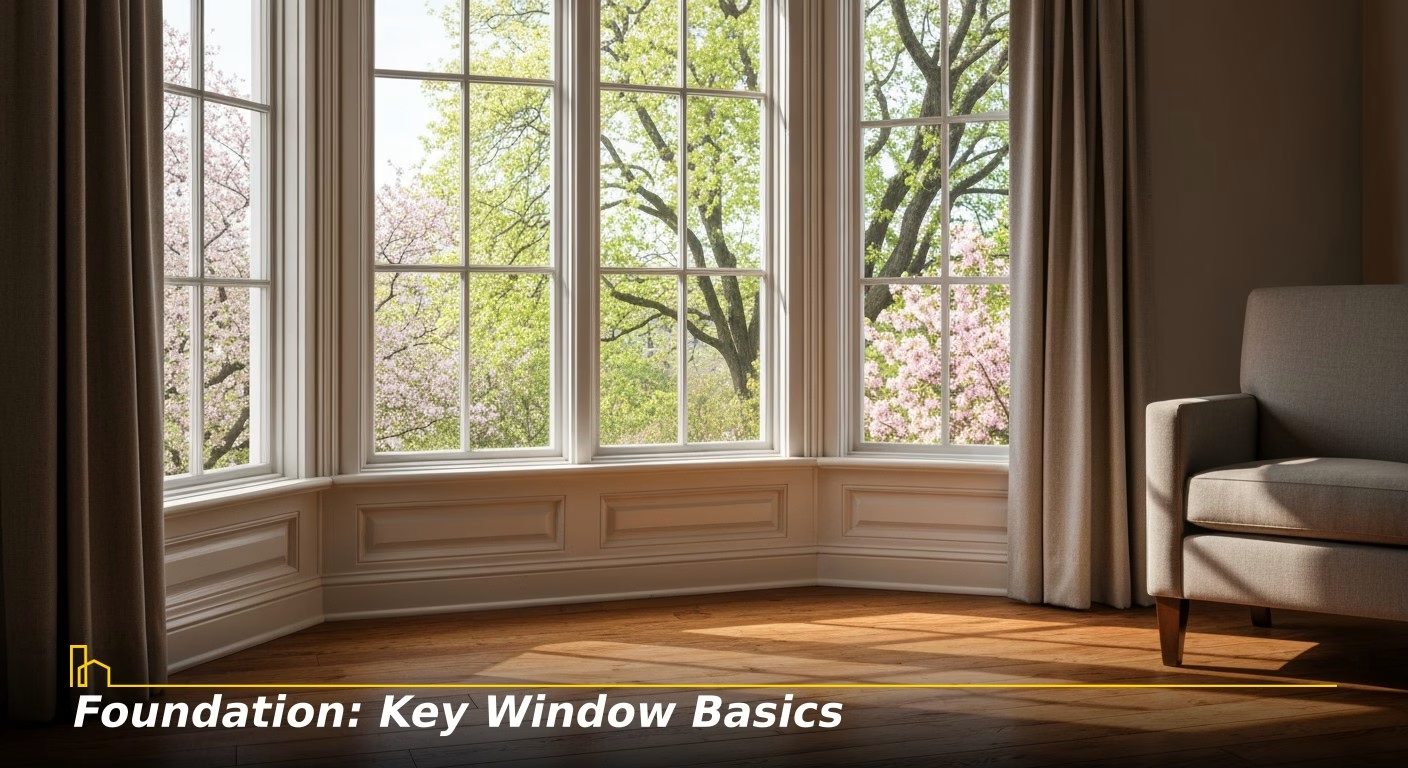
Before diving into room-specific choices, it’s important to understand the standard mechanical styles and performance metrics used in North America.
- Mechanical Classifications
- Double-Hung and Single-Hung: Traditional styles where sashes slide vertically. Double-hung units allow both sashes to move, facilitating better airflow.
- Casement: Hinged on the side and opened via a crank. These offer the tightest seal against air infiltration and provide unobstructed views.
- Awning and Hopper: Horizontal windows hinged at the top (awning) or bottom (hopper). Awnings can stay open during rain, while hoppers are best for small basement openings.
- Sliding: Sashes glide horizontally. They are ideal for wide openings and contemporary designs.
- Picture/Fixed: Non-operable windows designed for maximum light and energy efficiency.
- Performance Metrics
- U-Factor: Measures heat transfer. Lower numbers mean better insulation (critical for cold winters).
- Solar Heat Gain Coefficient (SHGC): Measures how much solar enters. Lower values block more heat (critical for summer comfort).
- Sound Transmission Class (STC): Measures noise reduction. While standard windows range from STC 28–32, high-performance designs; often inspired by the thick glazing and airtight seals of the German window standard, can reach STC 40 or higher.
- Acoustic Control: High-performance options, notably laminated glass, can reduce perceived exterior noise by up to 50%.

Related article
Optimize Your Window for Energy Efficiency: Homeowners’ Guide
Windows serve as standout architectural pieces providing natural light, ventilation, and views, yet they represent serious weaknesses in a home’s thermal envelope. These openings allow substantial heat transfer, the desired warmth during winter months and despised heat infiltration during summer…
2. Living Room and Family Room Windows
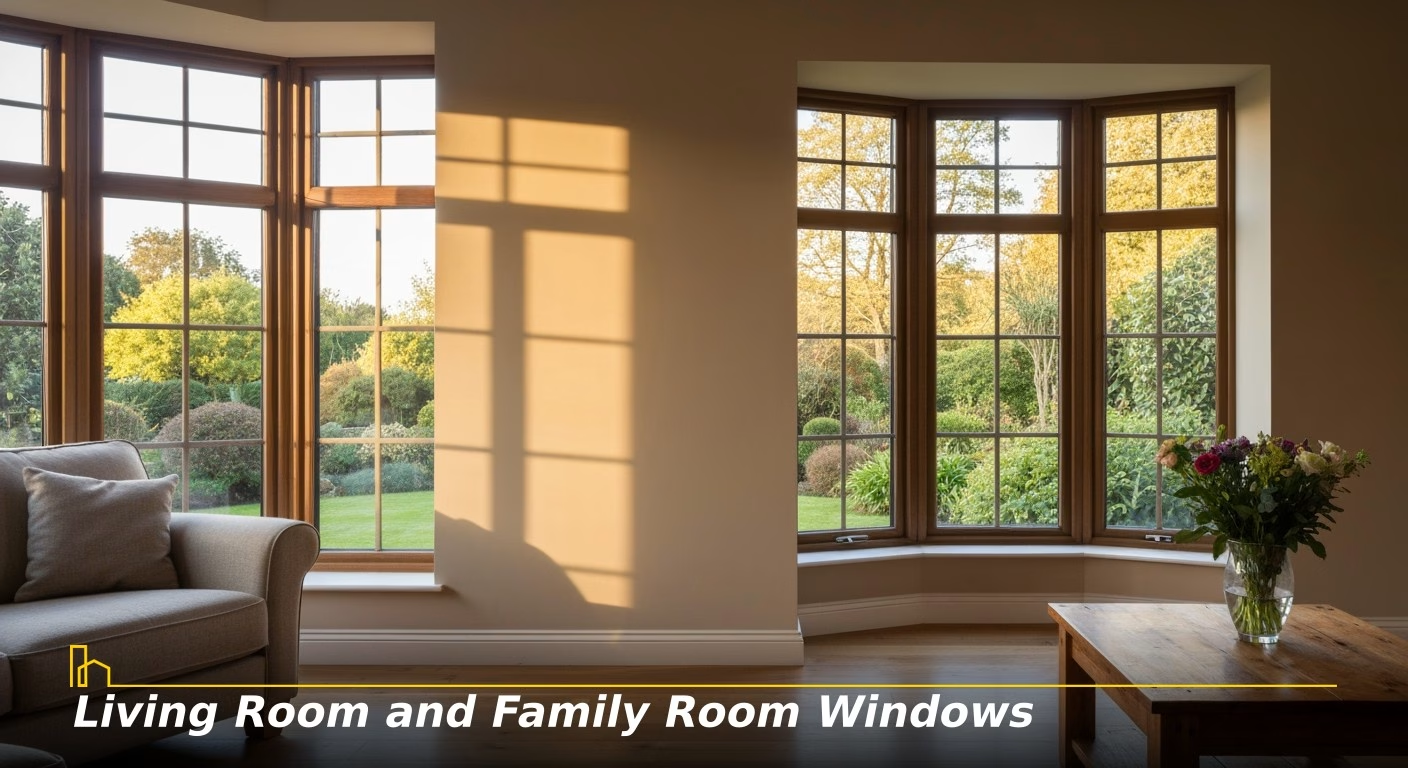
Living rooms prioritize expansive views and natural light, but they must also manage thermal loads of large glass surfaces.
A. What window styles work best in living rooms?
Picture, bay, and bow windows are the gold standard for living areas because they maximize views and architectural interest. Large picture windows provide a wall of glass vibe, but they should be flanked by operable casement or double-hung units to allow for cross-ventilation. Bay and bow windows create additional interior space, providing multiple angles for natural light to enter throughout the day.
B. How do you balance light, glare, and privacy in living spaces?
Strategic orientation and high-performance glass coatings are key to managing glare on screens and heat absorption. West-facing living rooms are prone to afternoon glare spikes; for these, specify Low-E glass with a lower SHGC to block heat without darkening the room. For privacy in street-facing rooms, consider transom windows, short units placed high on the wall attracting light and sky views without exposing the interior.
C. How can you reduce street noise in living areas?
Integrating laminated glass or triple glazing is the most effective way to dampen external noise. Laminated glass features a polymer interlayer absorbing sound vibrations, while triple glazing adds a third pane and an extra air gap to disrupt noise waves. High-performance acoustic windows can reduce traffic noise to a faint murmur, significantly improving the room’s atmosphere.
Recommended for you




3. Kitchen Windows
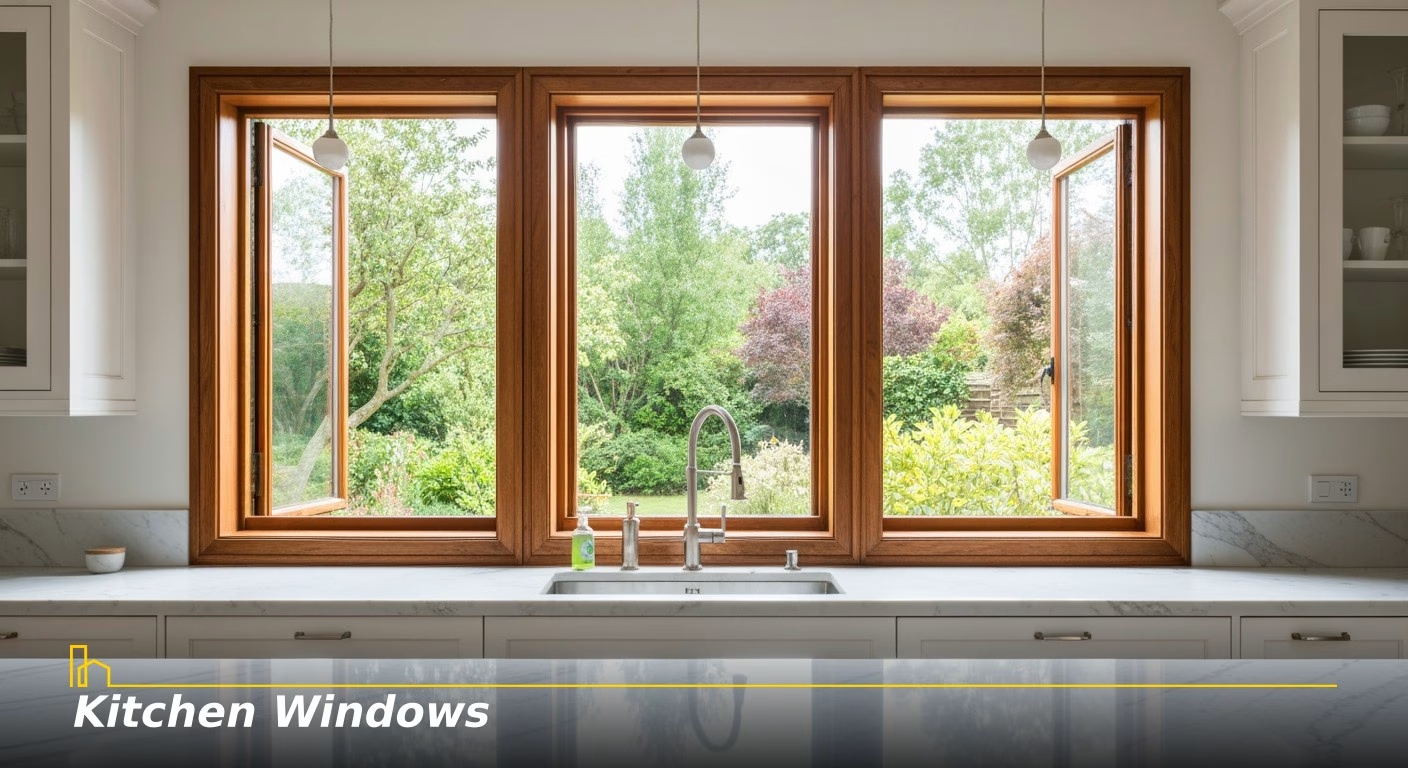
Kitchen windows must handle high humidity, grease, and the ergonomic challenge of being reached over counters.
A. Which windows are best above the sink and counters?
Casement and awning windows are the best choices for hard-to-reach areas because they operate with a simple crank located at the bottom of the frame. Unlike double-hung windows, which require you to lean forward and lift a heavy sash, casements can be opened with one hand. Sliding windows are also a viable, low-effort alternative for wide counter spaces.
B. How do you manage steam, cooking odors, and ventilation?
Natural ventilation is essential for exhausting steam and odors quickly. Position operable windows near the main cooking zone to facilitate the stack effect, where warm air escapes through the opening and draws fresh air into the house. Awnings are useful here as they can remain open for ventilation even during a light rain.
C. How do you maintain privacy without losing natural light in the kitchen?
Utilize textured or obscure glass patterns, such as “Rain” or “Reed,” to blur shapes from the outside while lighting the kitchen. Another effective strategy is to use higher sill heights or transom windows above eye level. These preserve privacy while allowing consistent daylight to illuminate your workspaces.
Related article
How Much Do Energy-Efficient Windows Really Save? A Homeowner’s Guide
Energy-efficient replacement windows promise lower utility bills and a more comfortable living environment. Understanding the true savings and benefits is essential for homeowners considering window upgrades. This guide explores the financial, practical, and environmental impacts of investing in high-performance windows…
4. Bedroom Windows
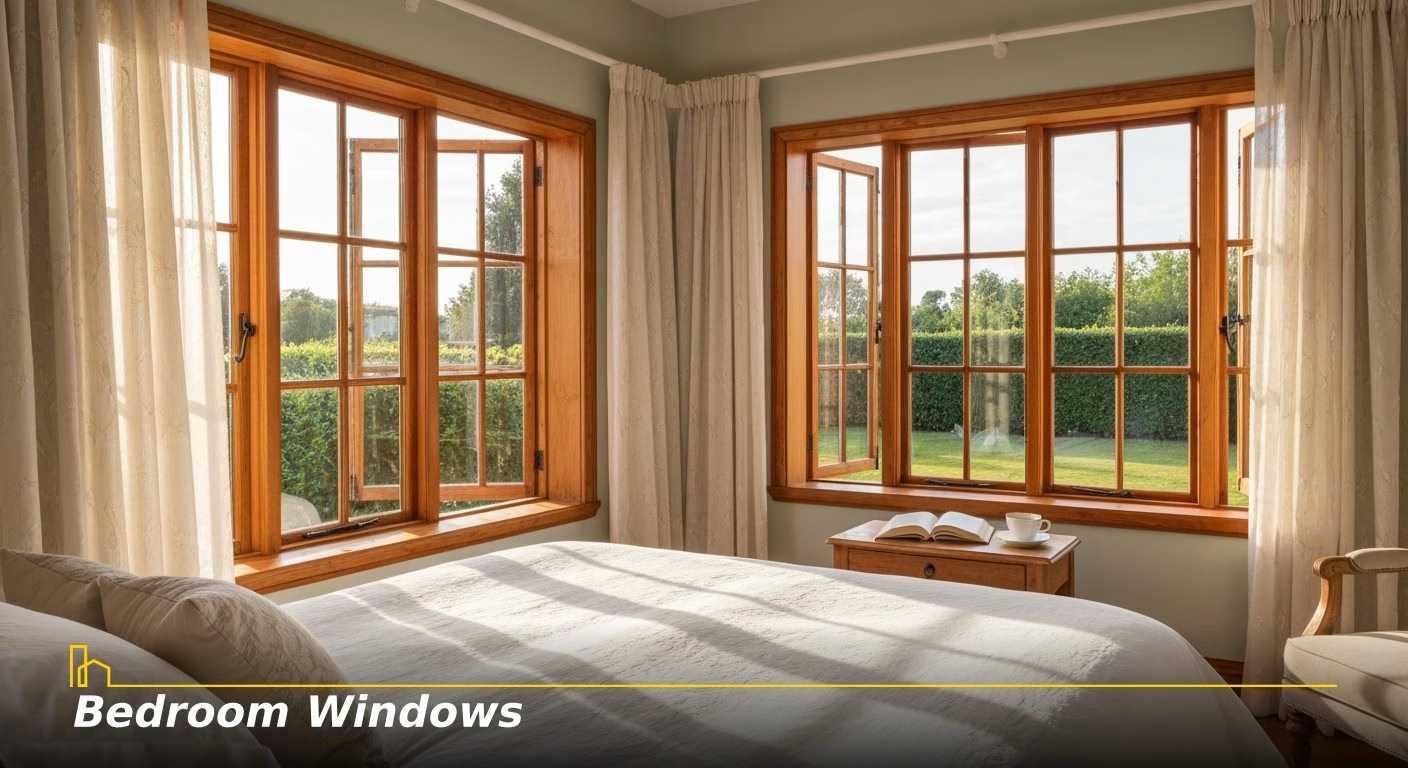
Bedroom windows focus on sleep quality, acoustic comfort, and strict safety compliance.
A. What bedroom window styles support comfort and good sleep?
Casement windows are often preferred for bedrooms because their compression seals block more drafts and noise than sliding styles. To ensure a dark environment for better sleep, pair clear glass with high-quality blackout shades or top-down-bottom-up treatments for flexible light control.
B. What are the egress requirements for bedroom windows?
The International Residential Code (IRC) requires every sleeping room to have an emergency escape and rescue opening (EERO). These windows must be large enough for an occupant to climb out and firefighters to enter. Generally, this requires a minimum clear opening of 20 inches wide, 24 inches high, and a total net area of 5.7 square feet (5.0 sq ft at ground level), with a maximum sill height of 44 inches from the floor.
C. How do you balance privacy, light, and safety in bedrooms?
For second-story bedrooms, use Window Opening Control Devices (WOCDs) to prevent children from falling. These devices limit the opening to below4 inches for daily use while featuring a manual release for emergency exit. To maintain privacy without losing light, use clear glass on the upper portions and window treatments that can be adjusted to block lower sightlines from neighbors.

Related article
6 Benefits of Custom Blinds for Your House
The right window treatments are a small adjustment to your home that can make a huge difference. Custom blinds, with their tailor-made appeal, offer a seamless blend of function and fashion…
5. Bathroom Windows
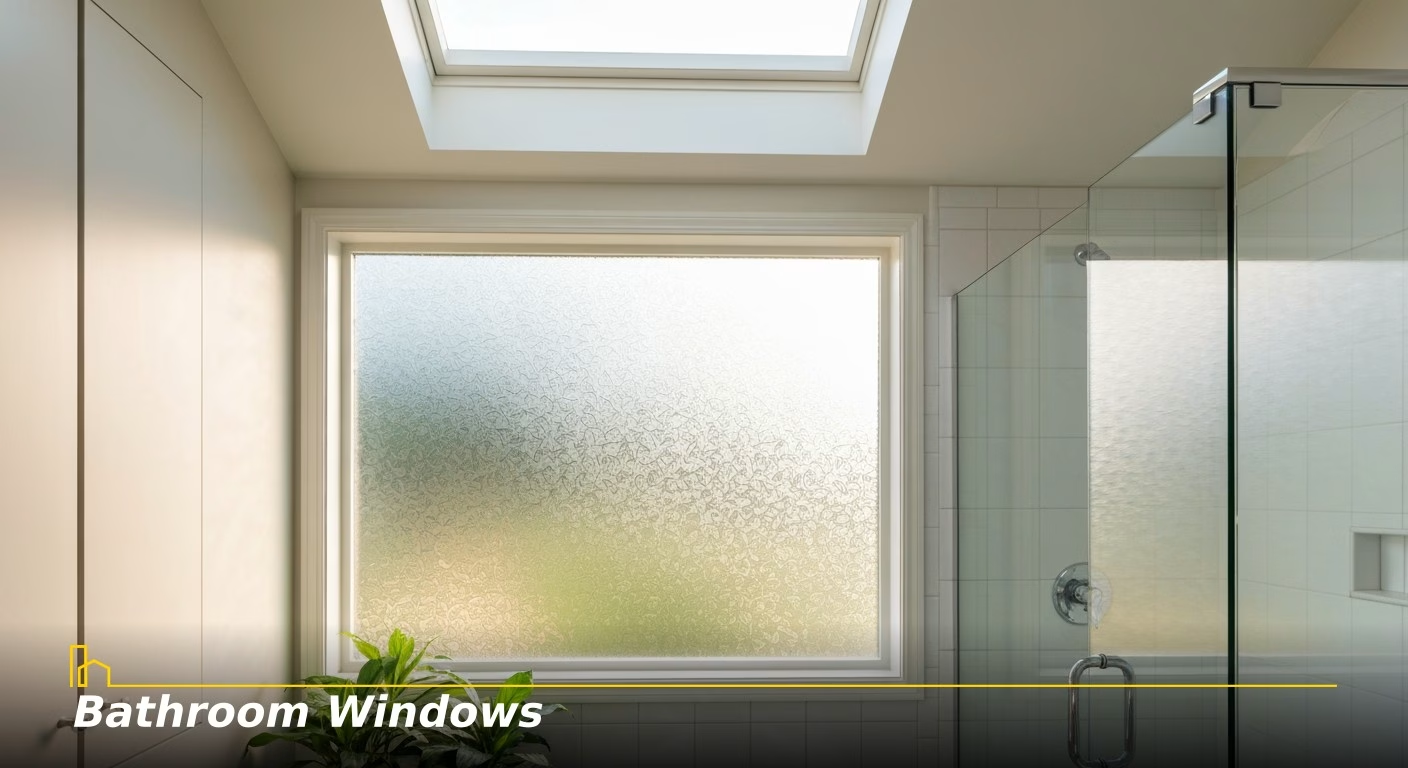
Bathroom windows must provide absolute privacy while withstanding constant moisture.
A. What are the best windows for bathroom privacy?
Obscure glass is essential for bathrooms, with “Frosted” or “Glue Chip” patterns providing the highest level of opacity. These textures allow a soft glow of natural light to enter the room while completely hiding the interior from view, ideal for windows near showers or toilets.
B. How do you get natural light without compromising privacy?
Architectural solutions including skylights, clerestory windows, or transoms are the most effective ways to introduce daylight without blinds. These features allow you to look at the sky while remaining completely obscured from ground-level sightlines.
C. How do you deal with moisture, mold, and ventilation in bathrooms?
Moisture-resistant materials like vinyl or fiberglass frames are necessary to prevent rot and warping. Operable casement or awning windows are vital for exhausting humid air quickly after a shower. By law, any glass located in wet zones, such as directly above a tub or inside a shower,must be tempered safety glass to prevent injury from breakage.

Related article
6 Benefits of Custom Home Windows for Canadians
When it comes to elevating the visual charm of your home, the significance of windows cannot be overstated. They are a statement of style, an expression of personal taste, and a bridge between the architectural soul of your home and the natural world outside. Let’s take a closer look at how windows affect your home aesthetically…
6. Basement and Below-Grade Windows
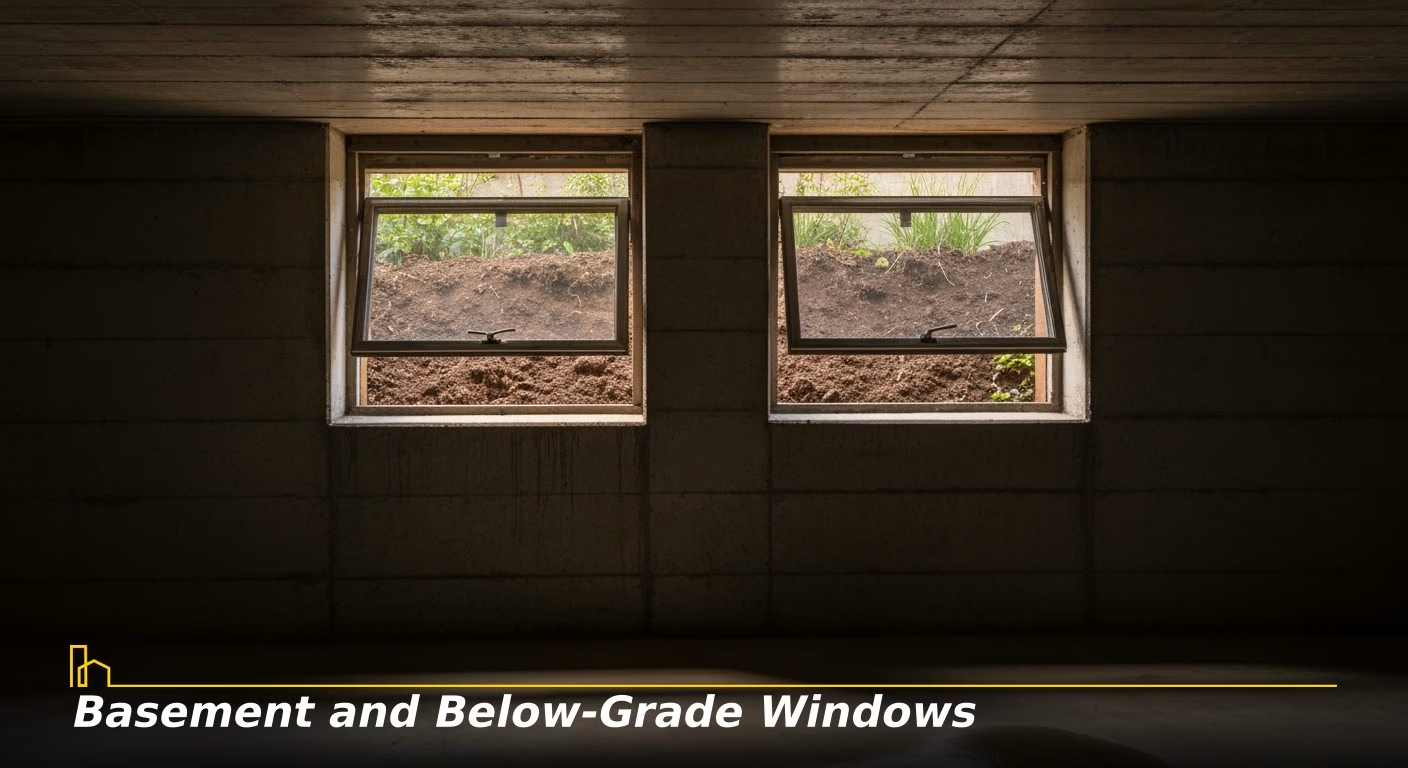
Basement windows are critical for light and safety but face challenges from soil pressure and drainage.
A. What types of windows work best in basements?
Hopper and sliding windows are standard for small basement openings as they maximize the available space for light and air. In finished basements, greater casements are often used to meet strict egress codes while significantly brightening what is typically a dark space.
B. How do egress window requirements affect basement design?
Any finished basement with a bedroom or habitable living space must have a code-compliant egress window and matching window well. The well must provide at least 9 square feet of horizontal area and a 36-inch projection from the wall. If deeper than 44 inches, a permanently affixed ladder or steps must be installed.
C. How can you keep basements dry and comfortable around windows?
Proper drainage is the single most important factor. Ensure window wells have a layer of clean gravel (at least 4–12 inches deep) allowing water to permeate. Using clear polycarbonate covers prevents leaves and debris from clogging the drainage system and keeps rain away from the window seal.
Related article
Choosing the Right Modern Accent Chair for Your Space: Size, Scale, and Room Layout Explained
That perfect accent chair can fall flat if size and scale are wrong — too small feels toy-like, too large overwhelms the room. Accent chairs aren’t just decor; they balance layout, comfort, and visual weight. This guide breaks down sizing vs. scale, key measurements, and real-world layout scenarios so you can choose confidently and make your space feel right…
7. Stairwell, Hallway, and Landing Windows
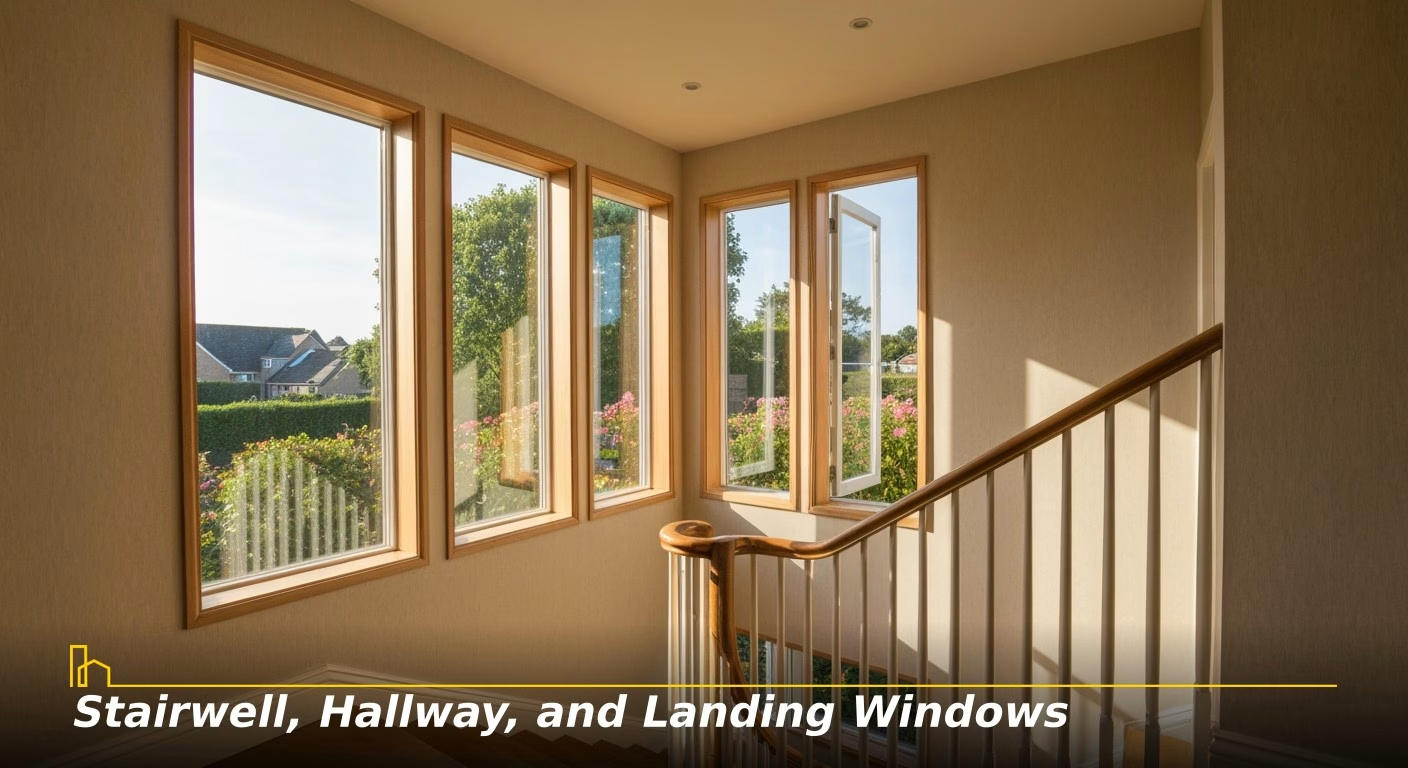
Connective spaces use windows to improve safety through better visibility.
A. How can stairwell windows improve safety and light?
Natural light on stairs reduces the risk of trips and falls by improving depth perception. Because these windows are near walking surfaces, the IRC mandates that any glass within 36 inches of the walking surface must be tempered safety glass.
B. What about opening windows in stairwells for ventilation?
High windows in stairwells are ideal for creating a stack effect to cool the entire house naturally. However, if these windows are within reach of children, they should be equipped with WOCDs or permanent guardrails to prevent accidental falls while they are open for air exchange.
Summary Table: Room-by-Room Recommendations
Room Type | Recommended Styles | Key Goals | Special Notes |
|---|---|---|---|
| Living Room | Picture, Bay, Bow | Light, Views | Use Low-E for west facing. |
| Kitchen | Casement, Awning | Reach, Ventilation | Vinyl/Fiberglass for moisture. |
| Bedroom | Double-Hung, Casement | Sleep, Safety | Must meet Egress Code. |
| Bathroom | Awning, Fixed | Privacy, Moisture | Tempered glass required. |
| Basement | Hopper, Slider | Egress, Daylight | Well/Ladder for living spaces. |
| Stairwell | Fixed, Transom | Visibility, Safety | Tempered glass required. |
| Home Office | Casement, Double-Hung | Focus, Glare | Perpendicular desk placement. |
8. Practical Buying and Planning Tips
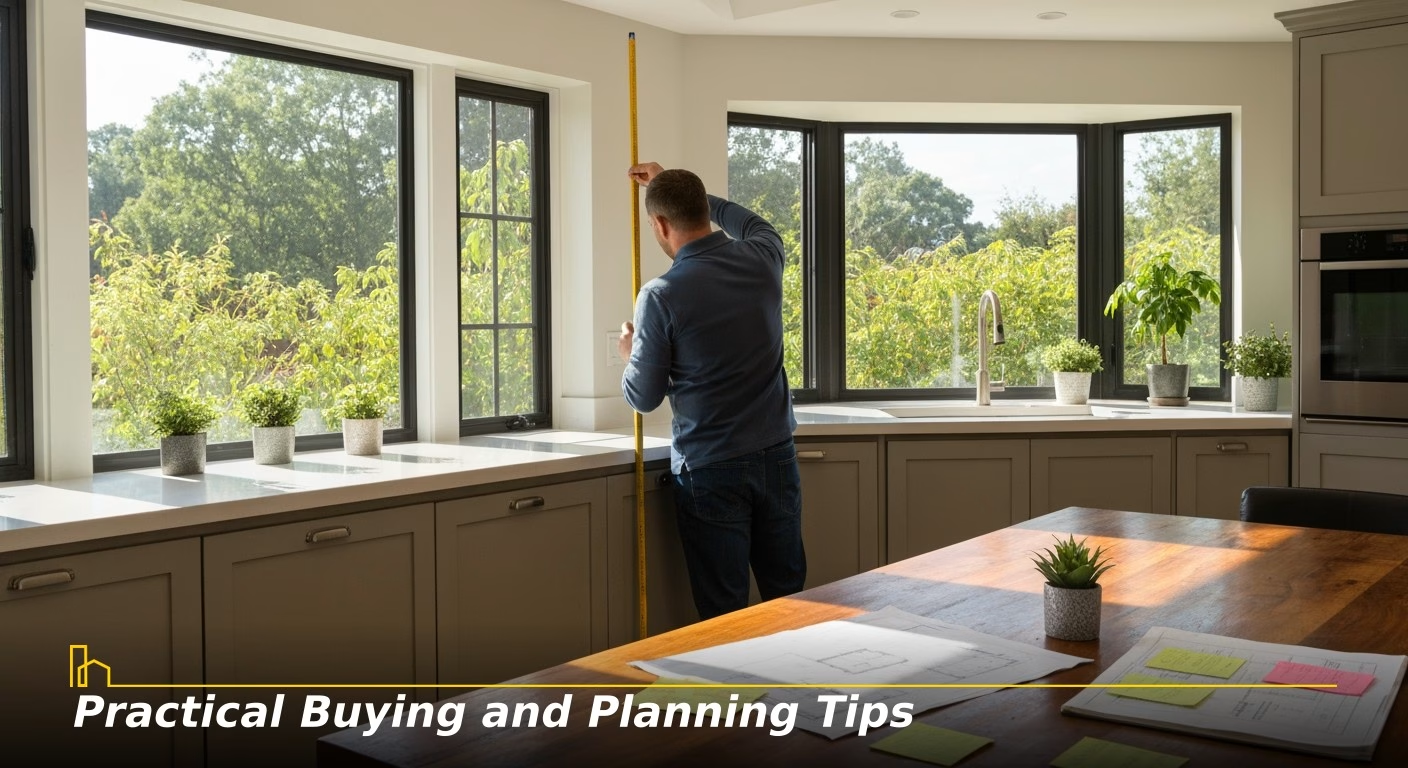
A. Talking to a Professional
Bring rough measurements, photos of existing frames, and a clear list of priorities for each room (e.g., The bedroom needs to be quieter). Ask specifically about energy ratings for your climate zone and verify that all bedrooms meet the 2024–2026 egress standards.
B. Prioritizing Upgrades
If working on a limited budget, prioritize rooms in this order:
- Safety: Replace windows that don’t meet egress or have broken locks.
- Structural: Fix windows with rot, leaks, or failed seals that risk damaging your walls.
- Comfort: Upgrade the rooms you use most, like the primary bedroom and living room.
Recommended for you




FAQs About Residential Home’s Windows
1. How do I safely clean high transom or hard-to-reach kitchen windows?
Use a telescopic extension pole with microfiber scrubbers and squeegees to stay safely on the ground. For interior transoms, use a sturdy ladder with a stabilizer and consider professional no-drip cleaning solutions to prevent streaks on your walls.
2. What is a standard window warranty for 2025–2026?
Most reputable manufacturers offer a lifetime limited warranty on frames and sashes. Insulated Glass Units (IGUs) are covered for 20 years against seal failure, while professional labor for repairs often last for 10 years.
3. Are there tax credits for window upgrades in 2025?
Yes. US homeowners can currently claim a federal tax credit of 30% of the product cost, up to $600 per year, for windows and skylights that meet ENERGY STAR “Most Efficient” certification standards.
4. Is “smart glass” a good option for home offices in 2026?
Smart glass (electrochromic glass) is an emerging trend for offices because it transitions from clear to opaque at the touch of a button. It eliminates the need for manual blinds while automatically adjusting its tint to block screen glare throughout the day.
5. What maintenance do basement window wells require to prevent flooding?
Clear leaves and debris from your window wells at least twice a year. Ensure the gravel layer is loose and permeable, and confirm your window well covers are flush against the foundation to deflect rainwater away from the window.
Decision Checklist
- Purpose: Sleeping, working, or humid cooking?
- Light: Maximum brightness or diffused glow?
- Privacy: Exposed to the street or a private backyard?
- Safety: Does it need to be an emergency exit?
- Noise: Is there significant street traffic?
Selecting the right windows is a balancing act of lifestyle and technical performance. By focusing on the unique needs of each room, you create a home that is safer, efficient, and comfortable.
Share