



The 5 Best Places to Live in Rhode Island: A City Comparison
- Local Editor:Local Editor: The HOMEiA Team
- Category: City Living Guide
Share



Rhode Island may be the smallest state in the US, but it packs a powerful punch when it comes to quality of life, coastal charm, and New England character. Choosing the right community within the Ocean State is crucial to unlocking a lifestyle matching your ambitions, no matter the goal.
This guide provides an in-depth, data-driven analysis of the five best places to live in Rhode Island for 2026. We’ve moved past simple charm to evaluate these population centers on the factors that matter most: economic opportunity, affordability, safety, access to amenities, and unique quality of life. From the historic elegance of Providence to the coastal sophistication of Newport, we break down what makes each city a premier destination for building your future in the Northeast.
For those considering other states, you might also explore our comparison of the pros and cons of living in Massachusetts.
Table of Contents:
Key Takeaways
- Diverse Options for Diverse Needs: These top cities offer distinctly different lifestyles, from the urban cultural hub of Providence to the affluent coastal community of Newport.
- Affordability Varies Significantly: Rhode Island’s cost of living generally exceeds the national average, but strategic choices can help manage expenses while enjoying the state’s benefits.
- Safety is Generally Strong: Most top cities maintain solid safety ratings, with suburban communities typically offering the highest security.
- Economic Drivers Differ: Each city’s job market is anchored by different sectors—education, healthcare, tourism, or government—requiring alignment with your career field.
- Culture is Key: The intangible sense of place, community, and access to coastal living are often the defining factors in choosing between these exceptional locations.
I. Methodology: How We Chose the Best
To ensure a comprehensive and objective ranking, our analysis is based on a multi-factor methodology that evaluates each city on key criteria essential for quality of life in the Rhode Island context.
Our evaluation criteria are weighted as follows:
- Employment & Economy (25%): Assesses job market health, major employers, economic diversity, and income levels relative to the local cost of living.
- Housing & Affordability (25%): Evaluates median home value, average rent, and home-price-to-income ratios, acknowledging Rhode Island’s premium pricing but important local variations.
- Quality of Life & Culture (20%): Encompasses access to coastal recreation, cultural attractions, dining, entertainment, and overall lifestyle.
- Access & Infrastructure (15%): Considers connectivity (road, rail, air), healthcare access, internet reliability, and other critical services.
- Safety & Community (15%): Reviews crime statistics and overall community engagement, resilience, and family-friendliness.
Data is compiled from reputable 2025 sources, including the U.S. Census Bureau, Bureau of Labor Statistics, FBI crime data, and real estate market analyses (Zillow, local MLS).

Related article
Our Methodologies to create HOMEiA Score Ratings for Each Group of Content
HOMEiA uses a consistent, data-driven methodology to evaluate U.S. states for livability, affordability, and long-term value. Our analysis centers on key factors such as Housing and Affordability, Cost of Daily Living, Access and Infrastructure, Community Strength, Safety and Quality of Life, Economic Resilience and Job Market…
II. The 5 Best Cities: A Portrait of Rhode Island’s Diversity
1. Providence: The Creative Capital
HOMEiA Score: 82/100
- Cost of Living: 15% above U.S. average
- Monthly Rent: $1,800
- Home price to income ratio: 6.2:1
- Income to rent ratio: 45.8x
- Safety rating: 58/100
A. Employment & Economy: Providence serves as Rhode Island’s economic and cultural engine. Home to Brown University, Rhode Island School of Design (RISD), and multiple healthcare systems, the city offers diverse employment opportunities in academia, healthcare, and creative industries. Downtown revitalization has attracted tech startups and professional services, creating a modern dynamic job market balancing traditional industries with innovation.
B. Housing & Affordability: The capital offers a mix of historic homes and modern apartments, with the home-price-to-income ratio at 6.2:1. While more expensive than other cities in-state, this remains more affordable than Boston while offering similar urban amenities. There exists options from renovated triple-deckers in Federal Hill to luxury condos in the Jewelry District.
C. Quality of Life & Culture: An authentic New England urban experience can be found here with WaterFire installations, world-class restaurants, and vibrant arts scene. The city boasts world-class museums, performing arts venues, and a walkable downtown. Access to both Narragansett Bay and the Blackstone River provides outdoor recreation opportunities within the urban landscape.
D. Access & Infrastructure: As the state’s transportation hub, Amtrak service to Boston and New York, T.F. Green Airport (PVD), and major highway access great for domestic and international travel. The city features excellent healthcare facilities, including Rhode Island Hospital and multiple universities that contribute to infrastructure and cultural vitality.
E. Safety & Community: With a safety rating of 58/100, neighborhoods range from very safe to requiring more caution. The East Side and College Hill offer protected environments, while the downtown core experiences typical urban challenges. The population is highly diverse and educated, with strong neighborhood identities throughout the city.

Related article
The Pros and Cons of Living in Rhode Island
Rhode Island offers more than colonial charm and coastal beauty, blending maritime heritage, creative culture, and tight-knit communities. But trade-offs include a high cost of living, cold winters, and limited space. This guide provides a balanced look at the pros and cons of life in the 401 and highlights the best cities for young professionals, families, and retirees…
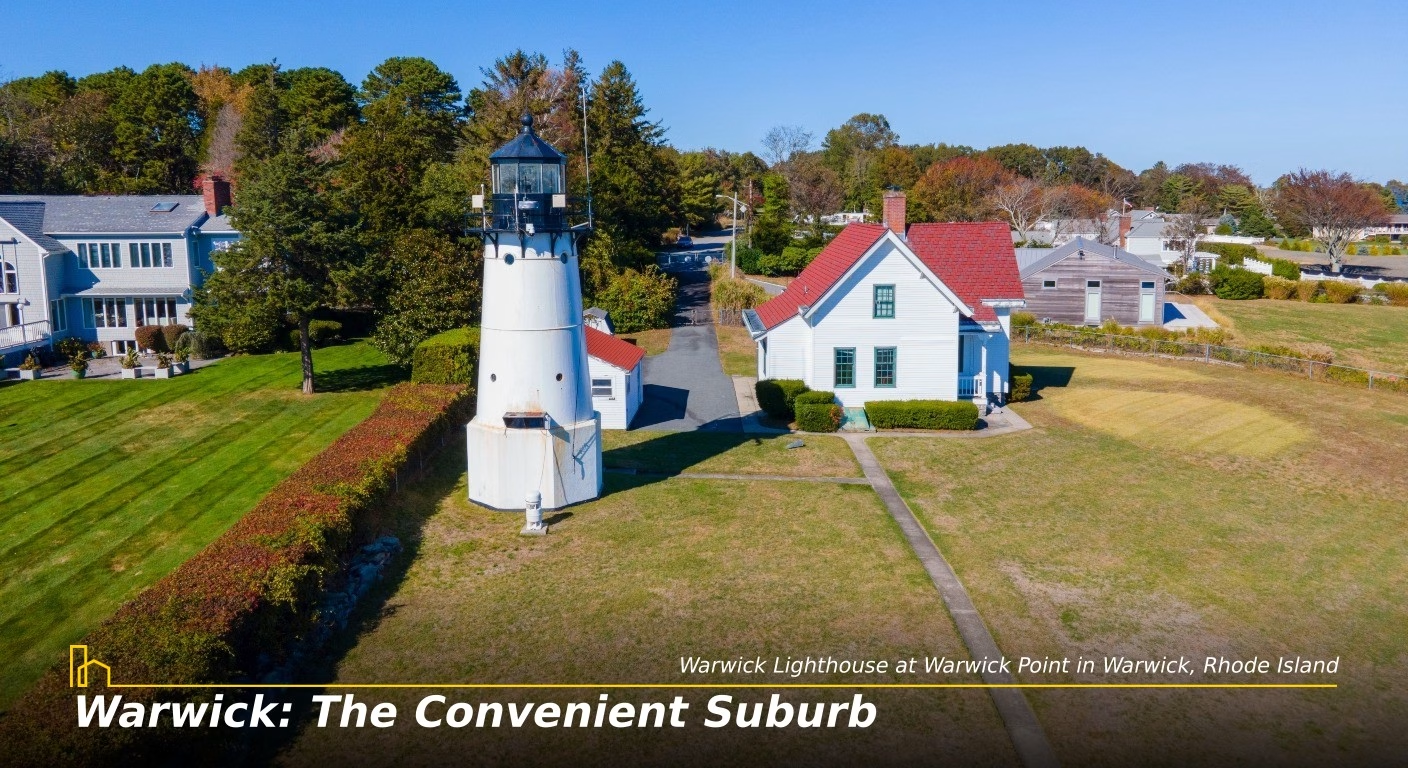
2. Warwick: The Convenient Suburb
HOMEiA Score: 84/100
- Cost of Living: 12% above U.S. average
- Monthly Rent: $1,600
- Home price to income ratio: 5.8:1
- Income to rent ratio: 50.0x
- Safety rating: 65/100
A. Employment & Economy: Warwick benefits from its strategic location between Providence and the South County beaches. The city hosts T.F. Green Airport (PVD), major retail centers, and healthcare facilities, creating a diverse employment base. Major employers include Kent Hospital, retail distribution centers, and the airport-related service industry, providing ample job opportunities across multiple sectors.
B. Housing & Affordability: Warwick offers ideal value with its home-price-to-income ratio of 5.8:1. What can be found here is a range of housing options from waterfront properties to suburban neighborhoods, all at more affordable prices than Providence while maintaining quick access to urban amenities. Cost of living at 12% above average represents good value for the region.
C. Quality of Life & Culture: Life for residents centers around convenience and coastal access. Extensive parks, golf courses, and waterfront activities along Greenwich Bay are popular. Shopping at Warwick Mall and dining options throughout the city provide ample amenities, while quick access to both Providence and beaches makes it an ideal central location.
D. Access & Infrastructure: A prime location offers the state’s main airport, major highway interchanges (I-95, I-295), and commuter rail service. The city has modern infrastructure, excellent public services, and convenient access to all of Rhode Island’s major destinations within 30 minutes.
E. Safety & Community: With a safety rating of 65/100, this area maintains a commendable suburban safety profile. The community is family-oriented with excellent schools and neighborhood associations. The population represents a mix of long-time residents and newcomers attracted by the city’s convenience and quality of life.
Recommended for you




3. Cranston: The Family-Friendly City
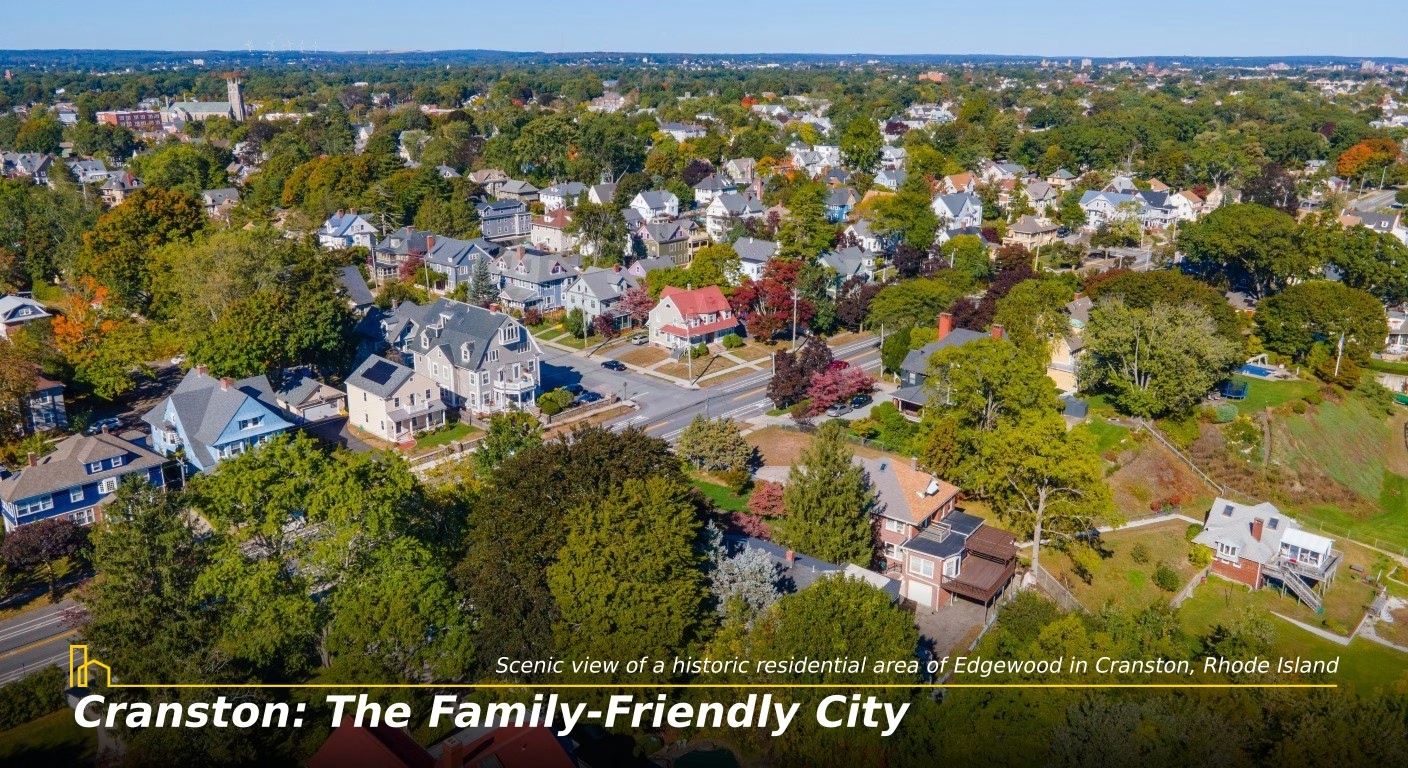
HOMEiA Score: 85/100
- Cost of Living: 10% above U.S. average
- Monthly Rent: $1,550
- Home price to income ratio: 5.5:1
- Income to rent ratio: 51.6x
- Safety rating: 70/100
A. Employment & Economy: Cranston’s economy balances municipal services, healthcare, and retail with proximity to Providence’s job market. In the city itself it hosts corporate offices, medical facilities, and a growing small business community. Residents enjoy a modest commute to metropolitan high-paying jobs while benefiting from its own employment opportunities and lower cost structure.
B. Housing & Affordability: Some of the best housing value in the metropolitan area is located here with a home-price-to-income ratio of 5.5:1. The market includes well-maintained suburban neighborhoods, historic homes in Garden City, and modern developments, all at prices creating favorable purchasing power for families and professionals.
C. Quality of Life & Culture: A perfect balance of suburban comfort and urban access awaits. The city boasts lush parks, community centers, and recreational facilities. Garden City Center offers upscale shopping and dining, while quick access to Providence ensures residents don’t miss out on cultural events and entertainment.
D. Access & Infrastructure: Fully integrated into the metropolitan area, residents are spoiled by road networks, public transportation options, and modern utilities. This location provides seamless connectivity to Providence, Warwick, and the airport while maintaining its distinct community identity and excellent municipal services.
E. Safety & Community: With a safety rating of 70/100, it consistently ranks among Rhode Island’s safest cities. The community is highly engaged with established neighborhood associations, youth sports programs, and community events. The school system is well-regarded, making it a top choice for families seeking security and community engagement. Cranston was ranked #1 Best Place to Live in Rhode Island for 2025-2026 by U.S. News & World Report, highlighting its exceptional living conditions and strong community environment.

Related article
Moving to Rhode Island: The Complete Relocation Guide & Checklist
Rhode Island blends coastal charm, rich history, and compact living in America’s smallest state. Over 1 million residents enjoy scenic shorelines, vibrant Providence arts, and easy access to major New England cities. This guide covers relocation essentials; from coastal climate and living costs to the legal steps of becoming a Rhode Island resident…
4. Newport: The Coastal Gem
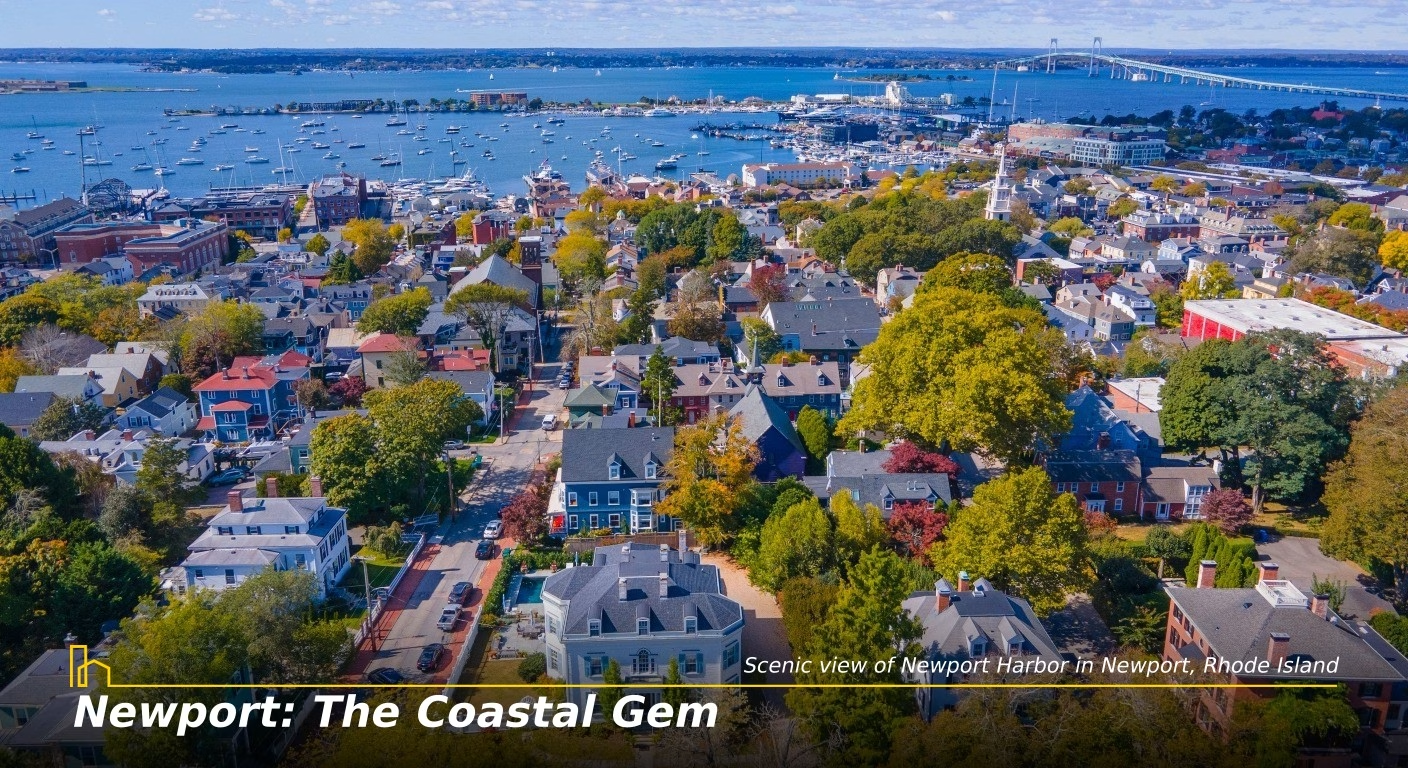
HOMEiA Score: 86/100
- Cost of Living: 25% above U.S. average
- Monthly Rent: $2,200
- Home price to income ratio: 8.8:1
- Income to rent ratio: 40.9x
- Safety rating: 75/100
A. Employment & Economy: Newport’s economy revolves around tourism, maritime industries, and defense. It hosts the Naval War College, sailing events, and a vibrant seasonal tourism economy. Year-round employment focuses on healthcare, education, and professional services serving both the local community and affluent seasonal residents.
B. Housing & Affordability: Here represents RI’s premium housing market with a home-price-to-income ratio of 8.8:1. Limited land and high demand from primary and secondary home buyers create a competitive market, especially for historic properties and waterfront locations. Exorbitant costs reflect the unparalleled coastal lifestyle.
C. Quality of Life & Culture: This area provides world-class coastal living with historic mansions, sailing culture, and exceptional dining. The city boasts Gilded Age architecture, Cliff Walk, and America’s Cup history alongside modern amenities and cultural events. Natural beauty and sophisticated atmosphere create a unique quality of life that justifies the premium cost for many residents.
D. Access & Infrastructure: While somewhat isolated on Aquidneck Island, it connects via bridges to the mainland and has ferry service to Providence and Block Island. The city maintains exceptional public services, healthcare facilities, and infrastructure that supports both residents and the vital tourism industry.
E. Safety & Community: With a safety rating of 75/100, locals have an ideal security profile despite its tourist orientation. Community members blend long-time residents, military families, and affluent homeowners in a tight-knit environment focused on preserving the city’s historic character and coastal beauty.

Related article
7 Most Affordable Places to Live in Rhode Island
Rhode Island offers pockets of affordability amid its coastal charm and historic appeal. While costs vary widely, careful planning can unlock strong value compared to other New England states. This guide uses data on housing, utilities, and transportation to highlight seven of Rhode Island’s most affordable places to live…
5. Barrington: The Affluent Suburb
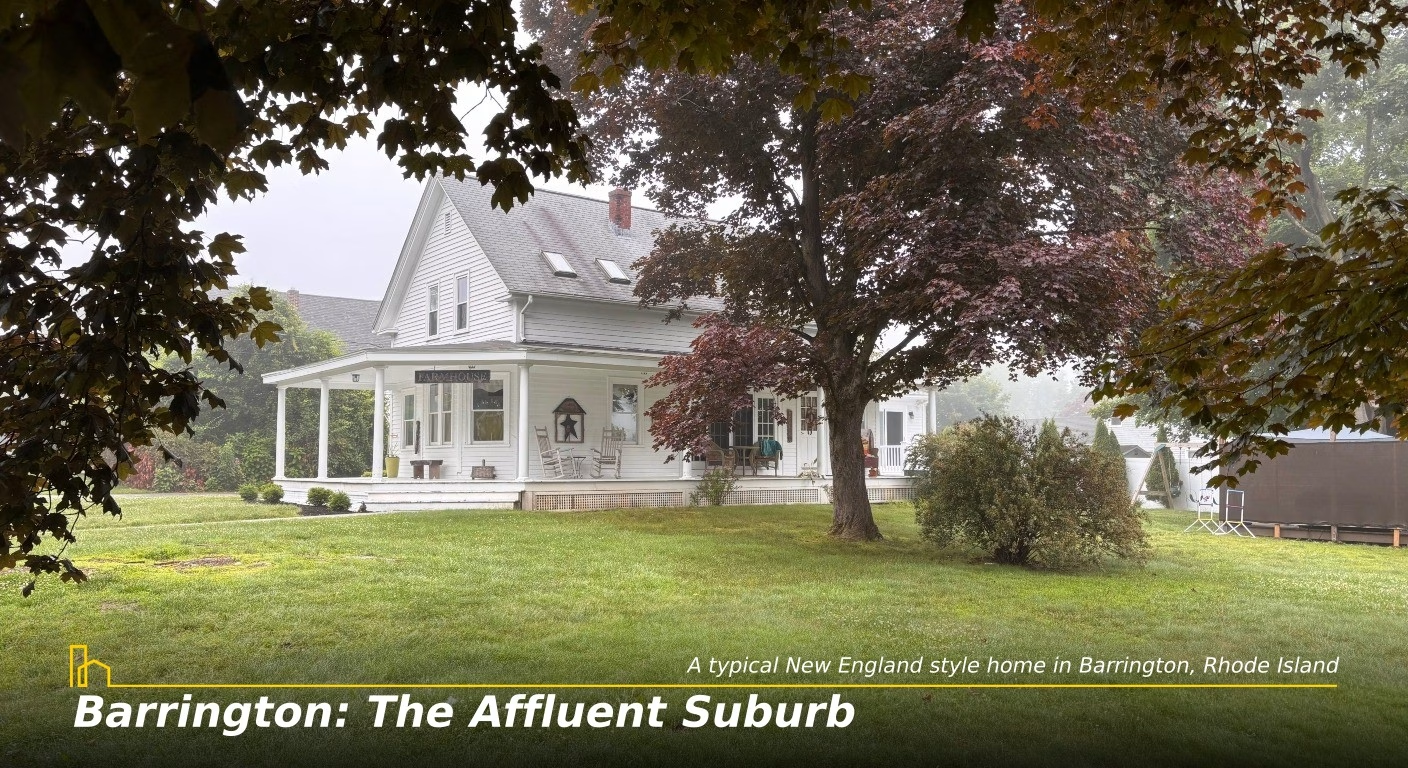
HOMEiA Score: 90/100
- Cost of Living: 30% above U.S. average
- Monthly Rent: $2,400
- Home price to income ratio: 4.5:1
- Income to rent ratio: 83.3x
- Safety rating: 85/100
A. Employment & Economy: Barrington functions primarily as an affluent bedroom community with those calling it home commuting to Providence, Boston, and corporate centers throughout the region. Locally, their economy focuses on supporting the residential community with respected schooling, municipal services, and local businesses serving the high-income population.
B. Housing & Affordability: This section represents the premium end of Rhode Island’s housing market with expensive properties but a favorable home-price-to-income ratio of 4.5:1 due to high household incomes. Options include waterfront estates, traditional New England homes, and excellent schools that justify the premium for families seeking the best educational opportunities.
C. Quality of Life & Culture: Life centers around family, education, and coastal recreation. The town boasts top-ranked schools, extensive conservation land, and waterfront access along Narragansett Bay. The community maintains a quiet, residential character while offering quick access to Providence’s amenities and cultural opportunities.
D. Access & Infrastructure: Well-connected to the metropolitan area, a major perks is its convenient highway access and commuter routes to Providence and Boston. The town maintains fantastic municipal services, modern infrastructure, and community facilities that support its affluent residential character and family-focused lifestyle.
E. Safety & Community: With a safety rating of 85/100, it ranks among the safest communities in New England. The town features impeccably maintained properties, well-respected schools, and a highly engaged, educated population focused on family life, education, and community preservation.
Comparative Data Table
City | HOMEiA Score | Cost of Living | Avg. Rent (2-Bed) | Home Price to Income Ratio | Income to Rent Ratio | Safety Rating |
|---|---|---|---|---|---|---|
| Barrington | 90 | +30% | $2,400 | 4.5:1 | 83.3x | 85 |
| Newport | 86 | +25% | $2,200 | 8.8:1 | 40.9x | 75 |
| Cranston | 85 | +10% | $1,550 | 5.5:1 | 51.6x | 70 |
| Warwick | 84 | +12% | $1,600 | 5.8:1 | 50.0x | 65 |
| Providence | 82 | +15% | $1,800 | 6.2:1 | 45.8x | 58 |
Conclusion: Finding Your Perfect Rhode Island Match
The best Rhode Island city depends entirely on your priorities and budget. Providence delivers urban energy and cultural richness, while Warwick offers suburban convenience at reasonable costs. Cranston provides family-friendly safety and value, and Newport offers unparalleled coastal sophistication. Barrington represents the premium choice for families seeking top schools and security.
Each location presents a clear trade-off between cost, lifestyle, and opportunity. This ideal choice should align with your career goals, family needs, and personal preferences for coastal living. For those still considering options, our guide to the best places to live in Massachusetts might provide additional insights for New England living.
Recommended for you




FAQs About Living in Rhode Island’s Best Cities
1. Which city has the best job market?
Providence has the largest, most diverse job market in the state, spanning education, healthcare, creative industries, and growing tech sectors. Warwick offers stable employment centered around transportation, retail, and healthcare services.
2. I’m a remote worker. Where should I move?
For the best blend of reliable infrastructure, amenities, and quality of life, Newport offers exceptional coastal living with good connectivity. For more affordable options with excellent internet and urban access, consider Cranston or Warwick. Always confirm internet reliability at your specific address before moving.
3. Are these cities safe?
Safety varies by community. Barrington is generally considered the safest (85/100), followed by Newport (75/100) and Cranston (70/100). Providence (58/100) has protected neighborhoods like the East Side alongside urban areas that require more discernment. Always research specific neighborhoods.
4. What’s the best city for young professionals?
Providence offers the most vibrant social scenes, networking opportunities, and diverse career paths for young professionals. The city’s universities and creative energy create a dynamic environment perfect for building careers and social networks.
5. What’s the best city for families?
Families often choose based on schools and safety. Barrington offers the best schools and highest safety rating (85/100) but comes with premium costs. Cranston provides an excellent family-friendly environment with great schools and community amenities at a more accessible price point with a strong safety rating (70/100).
For those exploring other coastal living options, you might also consider the best places to live in Florida or the best places to live in California. If you’re looking for more affordable alternatives in New England, check out our guide to the cheapest places to live in Massachusetts. For those interested in the broader relocation process, our comprehensive essential steps for moving to a new city provides valuable guidance.


Related Content