






Moving to Washington: The Complete Relocation Guide & Checklist
- Local Editor:Local Editor: The HOMEiA Team
-
Category: City Living Guide
Share


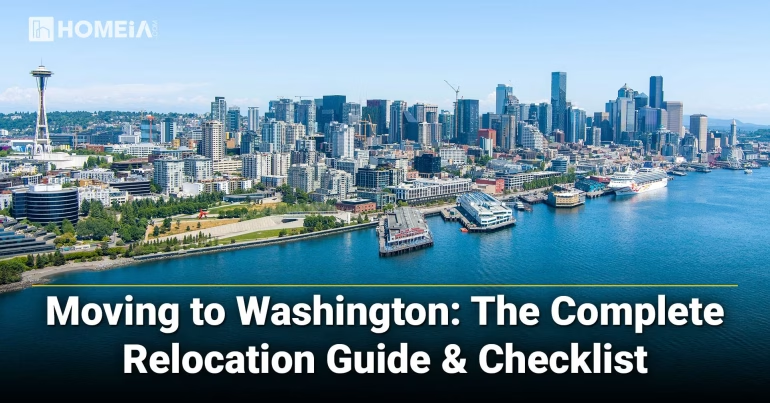
Bordered by the Pacific Ocean, Canada, and Oregon, Washington offers a lifestyle defined by breathtaking natural beauty, technological innovation, and diverse cultural experiences. Over 8 million residents call The Evergreen State home, drawn by its unique blend of urban sophistication and outdoor adventure. Seattle provides world-class amenities against a backdrop of the Cascade Mountains and Puget Sound, while hundreds of smaller communities make up a landscape of temperate rainforests, volcanic peaks, and agricultural valleys.
Known for coffee culture, aerospace innovation, and iconic tech companies, this part of the Pacific Northwest offers more to newcomers—a vibrant economy with major employers like Amazon, Microsoft, and Boeing, stunning natural recreation, and progressive social policies. Our comprehensive moving to Washington guide covers essential relocation information, from preparing for the climate and understanding costs to navigating the legal requirements of becoming a Washington resident.
Table of Contents:
Key Takeaways
- The Varied Cost of Living: Washington’s overall cost of living is 20-34% above the U.S. average, with significant variation between regions. The Seattle metro area is particularly expensive, while eastern Washington offers more affordable options.
- Diverse Climate Zones: Prepare for a marine west coast climate with distinct wet and dry seasons. Western Washington experiences mild, rainy winters and cool summers, while eastern regions have hotter summers, colder winters, and less precipitation.
- Robust Economy: Technology, aerospace, agriculture, and international trade are the state’s economic pillars, offering abundant job opportunities but often requiring specialized skills and facing intense competition.
- Outdoor Lifestyle: Daily life revolves around access to nature, from hiking in the Cascades to kayaking in Puget Sound. The state’s natural beauty is a central part of its identity.
- Progressive Infrastructure: Washington leads in environmental policies, public transportation, and social services, though rural areas may have limited access to high-speed internet and specialized healthcare.
Methodology: How We Built This Guide
Our relocation timeline and recommendations are based on a multi-factor analysis of the key elements that impact a move to Washington. We compiled data from verified 2025 sources, including the U.S. Census Bureau, Bureau of Labor Statistics, Zillow housing market reports, FBI crime statistics, and Washington state agencies.
Our evaluation criteria for advice and city selection are weighted as follows:
- Housing & Affordability(30%): Analyzing median home prices, rental costs, and utility averages to provide accurate budgeting advice.
- Access & Logistics (25%): Assessing the practicalities of moving goods and vehicles into the state, considering its coastal but well-connected nature.
- Legal & Administrative Requirements (20%): Outlining the essential steps for establishing residency, including vehicle registration, driver’s licensing, and voter registration.
- Community & Lifestyle Integration (15%): Providing insights into cultural norms, community events, and tips for building a social network.
- Economic Preparation (10%): Offering guidance on job searching and financial planning specific to the state economy.

Related article
Our Methodologies to create HOMEiA Score Ratings for Each Group of Content
HOMEiA uses a consistent, data-driven methodology to evaluate U.S. states for livability, affordability, and long-term value. Our analysis centers on key factors such as Housing and Affordability, Cost of Daily Living, Access and Infrastructure, Community Strength, Safety and Quality of Life, Economic Resilience and Job Market…
1. What Is It Really Like to Live in Washington?
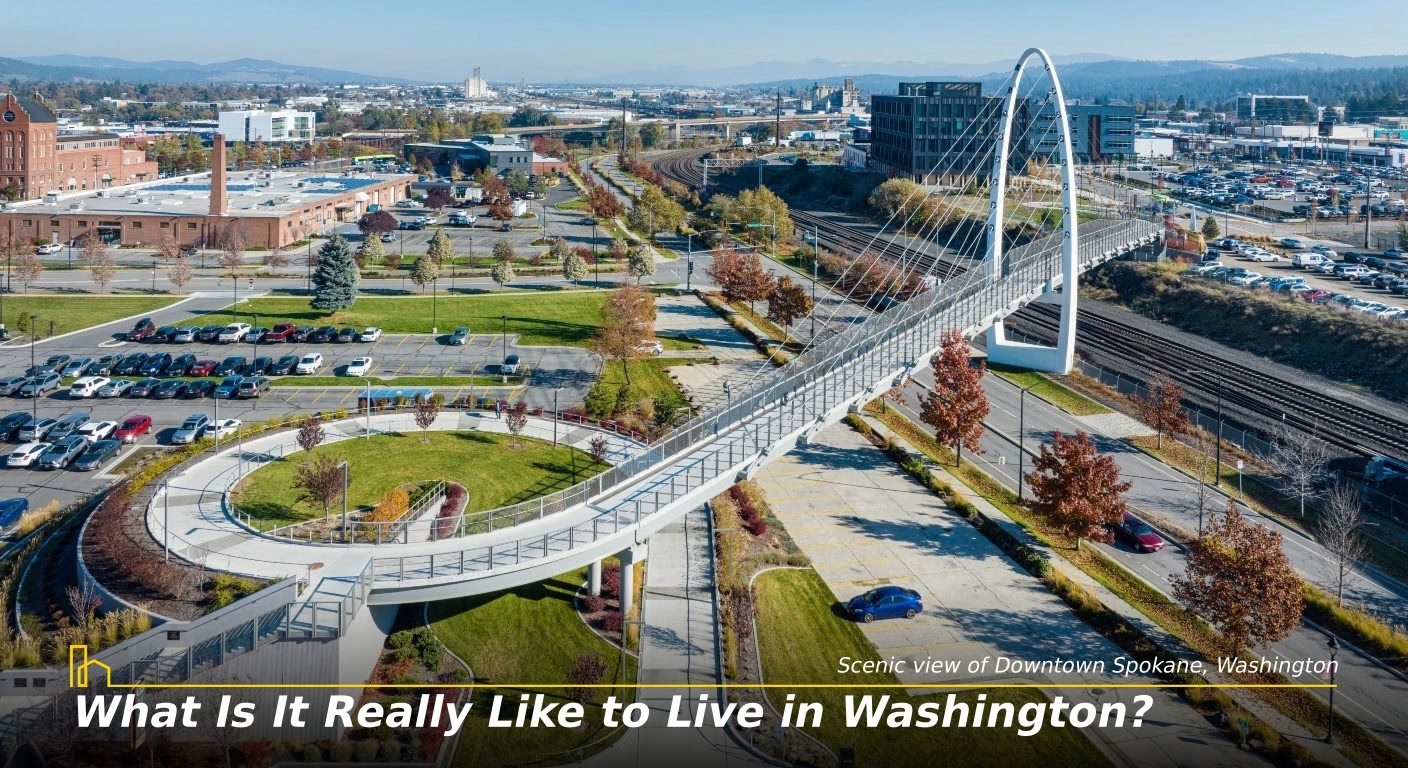
A. Culture & Lifestyle: Washington’s culture is a unique tapestry of PNW innovation, outdoor recreation, and progressive values. An emphasis on environmental consciousness, work-life balance, and community engagement are all apparent and instantly felt. Here, pace of life balances urban energy with appreciation for natural spaces. Community events including farmers’ markets, outdoor festivals, and tech meetups are tentpole activities, providing newcomers with natural opportunities to integrate and experience the state’s authentic character.
B. Arts, Sports, and Entertainment: Seattle is a cultural hub with world-class institutions like the Seattle Art Museum, Museum of Pop Culture, and Chihuly Garden and Glass. The city’s music scene is legendary, having produced grunge rock and continuing to support diverse musical traditions. For pro sports, Washington boasts six teams, the Seattle Seahawks (NFL), Seattle Mariners (MLB), Seattle Sounders (MLS), Seattle Kraken (NHL), Seattle Storm (WNBA), and OL Reign (NWSL). Outdoor sports are a way of life, from hiking and skiing in the mountains to sailing and kayaking on the Sound. For a look at cultural life in another state, you might explore what it’s like to live in Tennessee.
C. Food Scene & Nightlife: The food scene reflects its diverse geography and cultural influences. Fresh seafood, particularly salmon and Dungeness crab, are staples. WA is also a major wine producer, with over 1,000 wineries statewide concentrated in regions like Walla Walla and the Columbia Valley. Coffee culture is deeply ingrained, with Starbucks originating in Seattle and countless independent roasters thriving. Nightlife ranges from sophisticated cocktail bars in urban centers to craft breweries and live music venues.
D. Outdoor Recreation & Natural Beauty: Outdoor recreation isn’t a hobby; it’s a central part of the Washington identity.
- National Parks & Forests: Olympic, Mount Rainier, and North Cascades National Parks offer unparalleled hiking, camping, and sightseeing.
- Water Activities: Puget Sound, Lake Washington, and countless rivers provide opportunities for boating, fishing, and water sports.
- Skiing & Snow Sports: Crystal Mountain, Stevens Pass, and Mount Baker offer world-class winter sports.
- Hiking & Climbing: The Cascade and Olympic Mountains offer endless trails, while Mount Rainier is a coveted climbing destination.
- Public Land: Millions of acres of national forest and state parks provide endless exploration.
E. Climate: Washington has several distinct climate zones:
- Western (Seattle, Tacoma): Marine west coast. Mild, rainy winters (40°F to 50°F), cool, dry summers (70°F to 80°F). Overcast skies are common.
- Olympic Peninsula: Temperate rainforest. Damp winters (35°F to 45°F), breezy summers (65°F to 75°F).
- Cascade Mountains: Alpine. Cold, snowy winters (10°F to 30°F), mild summers (60°F to 75°F).
- Eastern (Spokane, Tri-Cities): Semi-arid. Cold winters (20°F to 35°F), hot, dry summers (85°F to 95°F).
Related article
The 5 Best Places to Live in Washington: A City Comparison
Washington blends rugged wilderness with innovative urban life, making community choice essential. This guide ranks the state’s five best places to live using data on jobs, affordability, safety, amenities, and quality of life. From Seattle’s tech-driven energy to Spokane’s quieter appeal, we highlight where you can build…
2. Cost of Living & Affordability
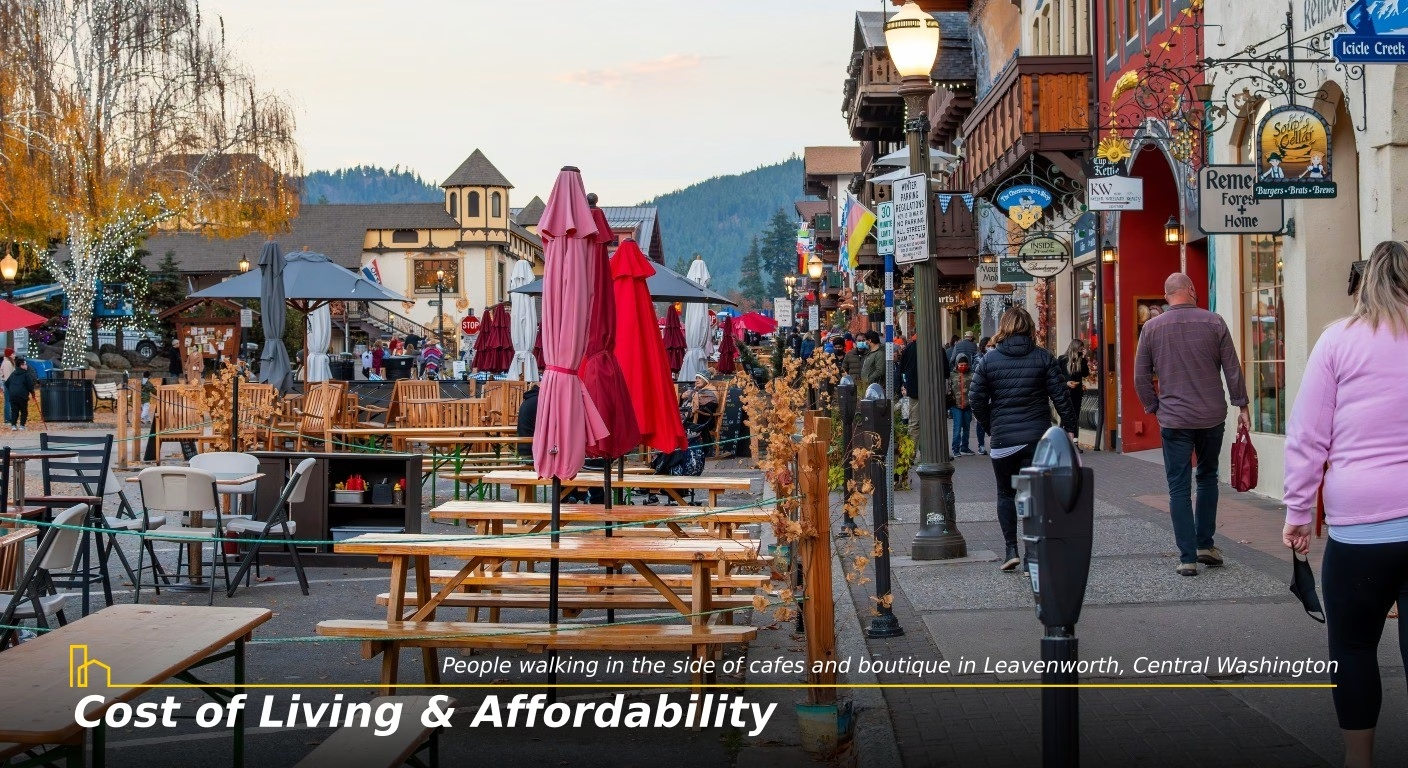
Cost of living varies significantly by region, with the Seattle area being particularly expensive. Let’s break down expenses.
A. Housing Market
Housing varies dramatically by city and region.
|
Housing Type |
Seattle |
Spokane |
Tacoma |
Bellevue |
Vancouver |
|---|---|---|---|---|---|
| Median Home Price | $850,000 | $390,000 | $490,000 | $1,550,000 | $510,000 |
| Avg. 2-Bedroom Rent | $2,360 | $1,215 | $1,720 | $2,800 | $1,645 |
B. Daily Expenses
|
Monthly Expense Category |
Average Cost |
Notes |
|---|---|---|
| Utilities (HVAC Focus) | $120-$250 | Generally moderate due to mild climate; heating costs higher in eastern WA winters |
| Groceries (Family of 4) | $600-$900 | Slightly above national average, particularly in urban areas |
| Gasoline | ~$3.10-$3.20/gallon | Prices fluctuate with national averages, though state taxes can add to costs |
| Internet | $70-$100 | Generally reliable service in cities; can be limited in very rural areas |
3. Jobs & Economy
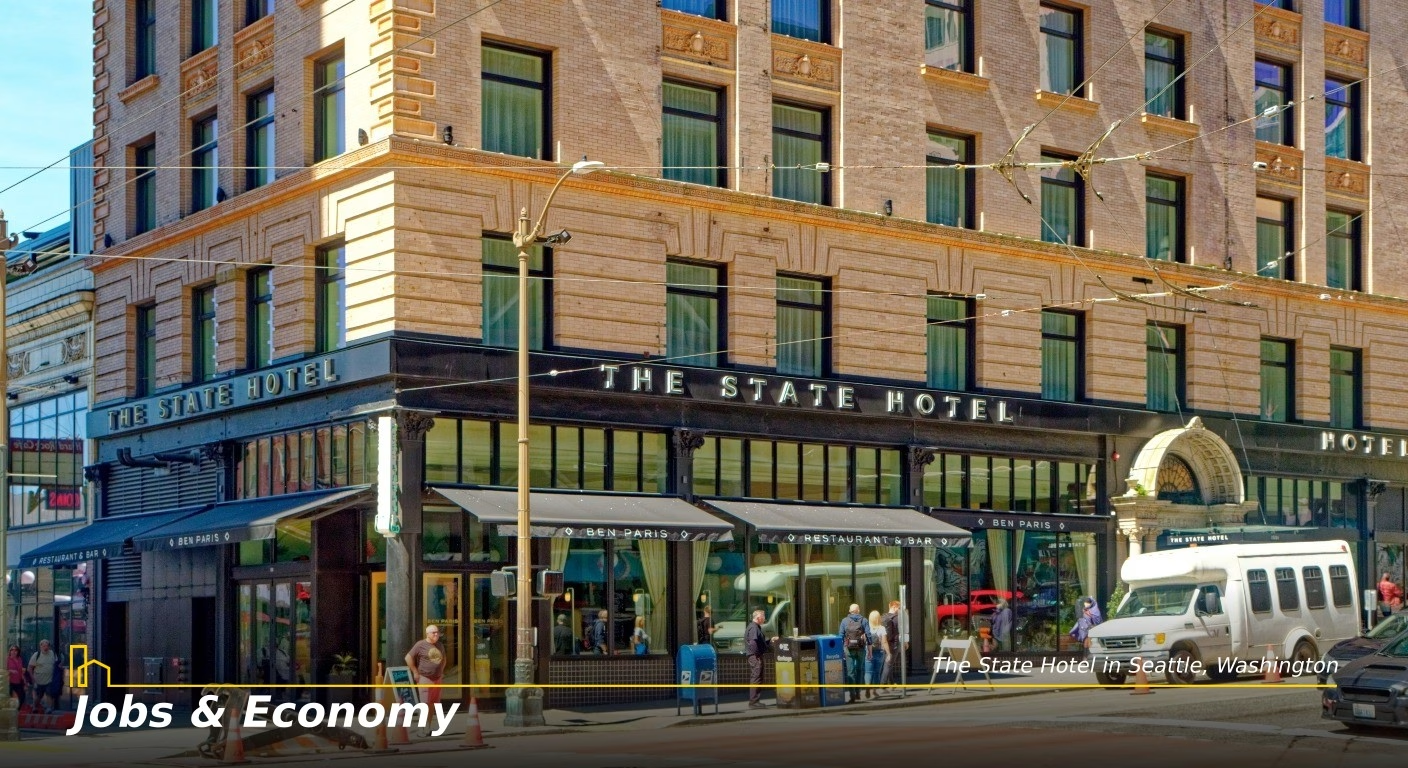
The 42nd state’s economy is driven by several key sectors:
- Technology: The largest sector, with major employers including Amazon, Microsoft, and numerous startups concentrated in the Seattle area.
- Aerospace: Boeing remains a prominent employer, remaining resilient to industry challenges in recent years.
- International Trade: Major ports in Seattle and Tacoma facilitate trade with Asia and beyond.
- Agriculture: Eastern Washington is a notable producer of apples, wheat, and other crops.
- Healthcare & Biotechnology: Growing sector, particularly in research and development.
- Tourism: Significant industry focused on outdoor recreation, urban attractions, and cruise ships.
Recommended for you




4. Planning Your Move: A Timeline

A successful move requires planning, especially if coming from a great distance.
|
Timeline |
Essential Tasks |
Important Details |
|---|---|---|
| 8-12 Weeks Before | Plan & Research | Get moving quotes, create budget, research new state laws, start decluttering. |
| 6-8 Weeks Before | Notify & Pack | Give notice to your landlord, collect boxes, pack off-season items, transfer medical files. |
| 4-6 Weeks Before | Transfer Services | Schedule utility shutoff/start, file USPS change of address, find new doctors, register kids for school. |
| 2-4 Weeks Before | Finalize Details | Finish packing, plan travel route, confirm mover schedule, fill prescriptions. |
| 1-2 Weeks Before | Prepare to Go | Pack essentials box, defrost fridge, clean home, confirm utility dates. |
| Moving Day | Execute Move | Oversee loading, do final walkthrough, keep documents handy. |
| After Arrival | Settle In | Unpack basics first, update license/registration, explore new town. |
=> Get the Relocation Guide & Checklist PDF — prepared for both Desktop and Mobile devices.
5. Transportation
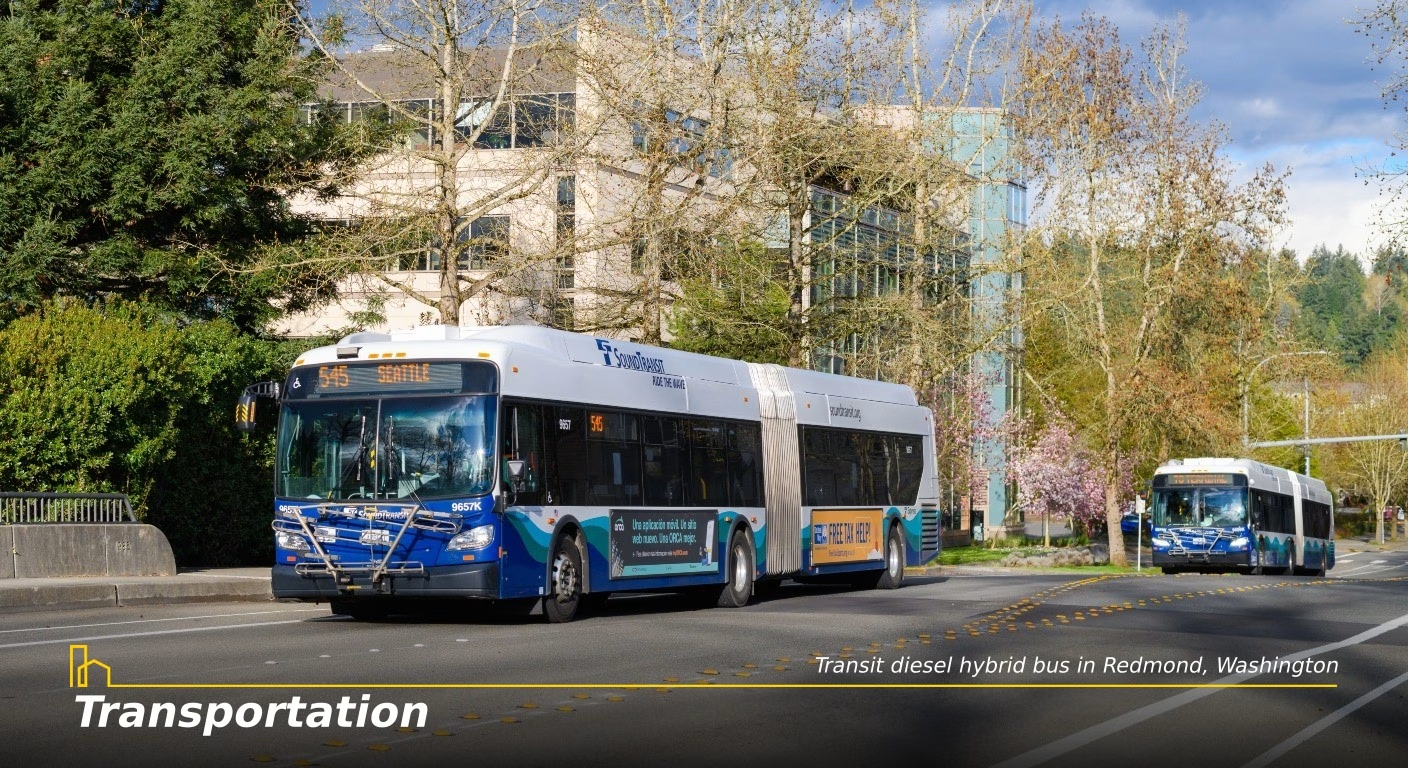
- Driving: I-5 runs north-south (Canada to Oregon), and I-90 runs east-west (Seattle to Spokane). These are the state’s lifelines. The Washington State Ferry system is the largest in the country., connecting communities across Puget Sound.
- Flying: Seattle-Tacoma International Airport (SEA) is the major hub. Smaller airports in Spokane (GEG), Pasco (PSC), and Bellingham (BLI) offer connecting flights.
- Public Transit: Seattle has extensive bus service and a light rail system that continues to expand. Other cities have limited public transit. Cars are essential for most residents outside urban centers.
- Winter Driving: In mountain passes and eastern Washington, winter tires or all-weather tires are recommended from November to March. Carry chains and an emergency kit.
Related article
7 Most Affordable Places to Live in Washington
Washington is known for natural beauty and a strong tech economy, yet pockets of affordability remain beyond Seattle’s high prices. With no state income tax and wide regional cost differences, this guide analyzes housing, utilities, and transportation to identify seven of Washington’s most affordable places to live in…
6. Legal Requirements & Paperwork

New residents must complete several tasks:
- Vehicle Registration: Required within 30 days of establishing residency. You’ll need an out-of-state title, proof of WA insurance, and a VIN inspection.
- Driver’s License: Required within 30 days. One must surrender their previous license. Proof of identity, residency, and Social Security Number are required.
- Voter Registration: Registering to vote can occur when applying for your driver’s license or online.
- Other: Washington has no state income tax, which simplifies tax filing but means higher sales and property taxes.
7. Financial Planning

Create a realistic budget accounting for moving expenses and the Evergreen State’s higher cost of living, particularly in the Seattle area. Keep housing expenditures below 30% of your income. Build a healthy emergency fund (3-6 months) due to a competitive job market. Take advantage of no state income tax to potentially increase savings, but budget for higher sales and property taxes.
8. Insider Tips from Locals

- Embrace the Outdoors: Invest in quality rain gear for enjoying outdoor activities in all weather conditions. Seattle drizzle is manageable with proper clothing.
- Learn Coffee Culture: Understanding the difference between a pour-over, cold brew, and Americano will help navigate social and professional situations.
- Be Patient with Traffic: Seattle traffic is consistently ranked among the worst in the nation. Factor extra time for commutes and consider alternative transportation options.
- Support Local: Farmers’ markets and local artisans are the heart of many communities. Support them for the best produce and unique goods.
- Understand the “Seattle Freeze”: While Washingtonians are generally friendly, it can take time to build deep social connections. Be persistent and join community groups to meet people.
Conclusion: Moving to the State of Love and Trust is more than a change of address; it’s an embrace of innovation, natural beauty, and progressive values. Rewards are immense: career opportunities in leading industries, unparalleled access to outdoor recreation, and the beauty of building a life in one of America’s most dynamic states. With thorough preparation and an open mind, relocating to the Pacific Northwest can be the start of a deeply rewarding adventure. For those still considering options, our guide on moving to Colorado might provide an interesting comparison.
Recommended for you




FAQs About Moving to Washington
1. What is the first step to moving to Washington?
The absolute first step is to secure a job and housing. While the job market is strong, competition is intense, particularly in the tech sector, and having these secured will make your transition smooth.
2. Should I drive or ship my car to Washington?
Driving is almost always the most convenient option. Washington is easily accessible via major interstates (I-5 and I-90). Shipping a car can be expensive and is generally unnecessary unless you are moving from an extreme distance and cannot drive.
3. How do I get my belongings to Washington?
For large moves, using a national moving company or renting a truck is common. Pod-like services are also readily available. For smaller loads, using a freight service or driving a rented trailer can be cost-effective.
4. What should I pack vs. buy there?
Bring all essential documents, specialized gear, and personal items. Everyday household items, furniture, and bulky goods are better purchased in Washington to avoid high moving costs. You can find great deals at local stores or on Facebook Marketplace once you arrive.
5. Is it hard to make friends in Washington?
Generally, it requires effort. Washingtonians are famously reserved in what’s known as the “Seattle Freeze.” Join community groups, recreational sports leagues, volunteer, or take a class to meet people quickly. Showing up to local events is the fastest way to integrate.


Related Content