






Illegal Evictions and Lockouts: How Tenants Can Fight Back and Reclaim Their Home
- Local Editor:Local Editor: The HOMEiA Team
-
Category: Rent , Home Maintenance
Share


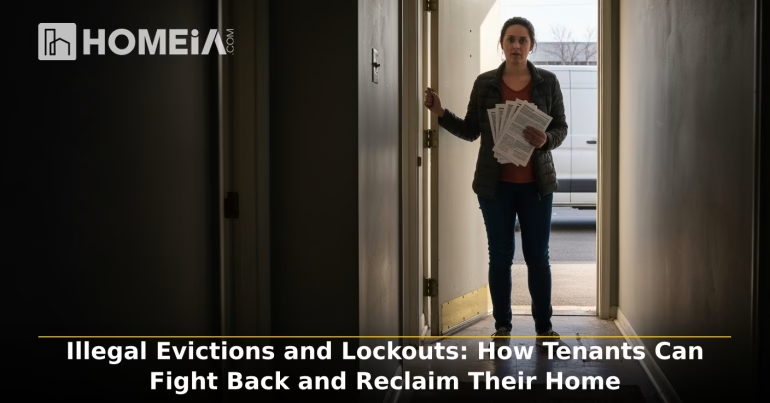
Finding yourself suddenly unable to enter your own home because the locks have been changed or utilities have been cut off is a tenant’s worst nightmare. In the heat of the moment, it is natural to feel panicked, but the most effective way to handle illegal evictions and lockouts is to stay calm and act methodically. There are strict laws in every state preventing landlords from fulfilling these scenarios, and there are emergency legal paths designed to get you back inside quickly.
Table of Contents:
- Key Takeaways
- 1. Quick answer: Can my landlord evict me or change the locks without going to court?
- 2. What counts as an illegal lockout or ‘self-help’ eviction?
- 3. Step-by-step: What to do if you are locked out right now
- 4. What legal remedies might be available (depending on state)
- 5. How to document an illegal eviction case
- 6. What if I received an eviction notice but no court date?
Key Takeaways
- Lockouts are Illegal: It is strictly forbidden for landlords to change locks, cut utilities, or remove belongings without a formal court order.
- Immediate Help: You can call the police to report an illegal lockout as a misdemeanor and request help getting back inside.
- Emergency Orders: Courts offer fast-tracked “writs of re-entry” or “restoration of possession” allowing you to reenter your home quickly.
- Landlord Penalties: Landlords may be forced to pay triple damages, hotel costs, and daily penalties for every day you are locked out.
- Trial Rights: A warning notice is not an eviction; you have the right to a court hearing before being removed.
Disclaimer: This article provides general information and is not legal advice. Eviction and lockout laws vary significantly by state and city. You should always check your local housing rules or consult a qualified attorney or legal aid organization before taking action.

Related article
What To Do If Your Landlord Won’t Make Repairs: Tenant Rights, Evidence Checklist, and Legal Remedies
When a landlord ignores repair requests, renters can be left in unsafe, stressful living conditions. But tenants have legal rights. By documenting issues, providing proper notice, and using local housing laws, renters can push for repairs, protect their health, and hold landlords accountable…
1. Quick answer: Can my landlord evict me or change the locks without going to court?
In almost every part of the US, it is strictly forbidden for a landlord to lock you out, shut off utilities, or remove belongings without first winning a case in court and obtaining a judge’s order. Even if you owe rent or have violated your lease, landlords must follow the formal legal eviction process, which concludes with a law enforcement officer, not the landlord, physically removing you. If your landlord bypasses the courts to force you out, they are performing an illegal “self-help” eviction and may face severe penalties.
2. What counts as an illegal lockout or ‘self-help’ eviction?
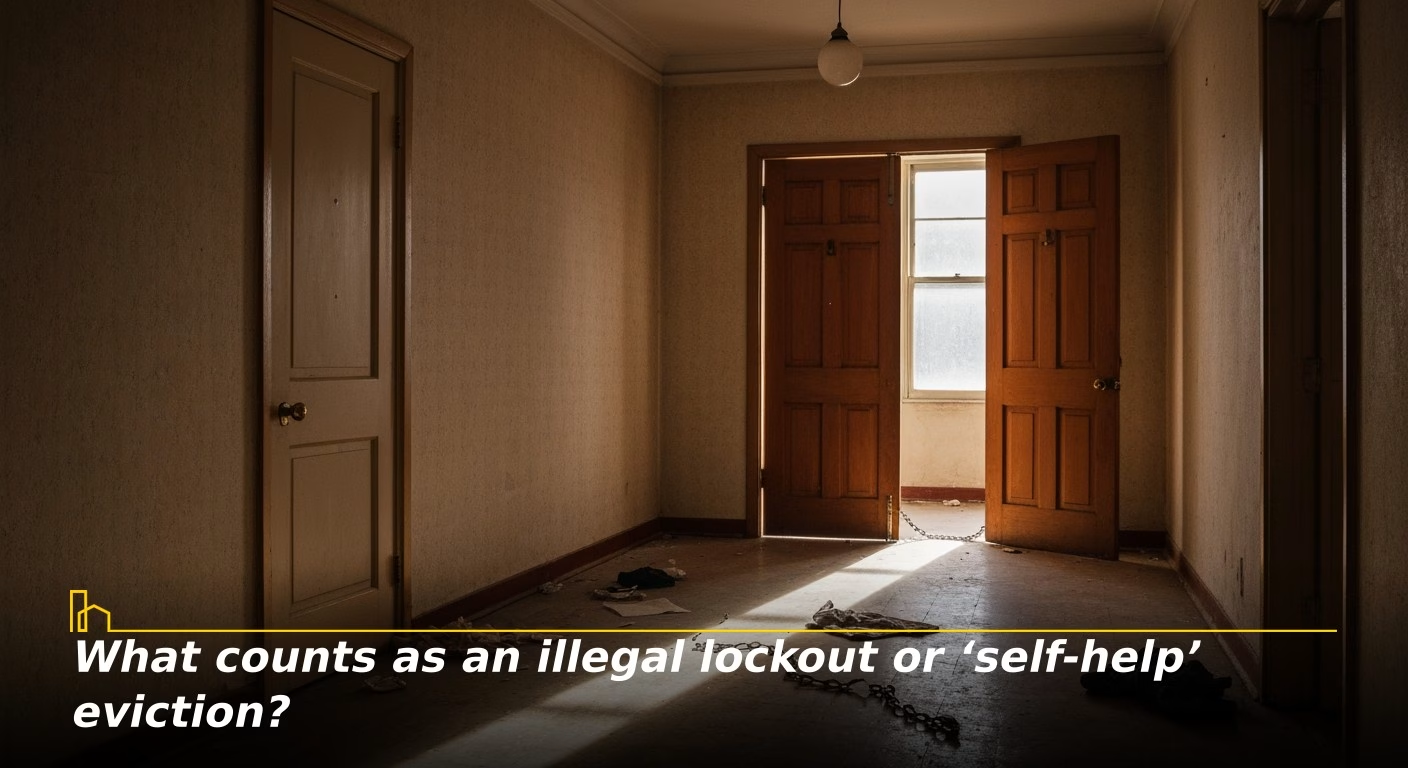
An illegal eviction, often called a “self-help” eviction, happens when a landlord tries to force a tenant to move out by making the home unlivable or inaccessible rather than going through the court system. This is a violation of your “right to possession” and the “implied covenant of quiet enjoyment,” which is a baseline promise in every lease that you can live in your home undisturbed.
Common examples of illegal self-help tactics include:
- Changing the Locks: Replacing the deadbolts or padlocking the doors so your key doesn’t work.
- Utility Shutoffs: Intentionally turning off essential services like water, heat, gas, or electricity to make the space unlivable.
- Removing Doors or Windows: Taking off the front door or removing window panes to expose you to the elements and security risks.
- Removing Belongings: Entering the unit and throwing your furniture, clothes, or electronics onto the curb or into a dumpster without a court order.
- Physical Blocking: Using physical force or threats of violence to prevent you from entering the property.
- Extreme Harassment: Constant threats, late-night phone calls, or entering your home without notice to scare you into leaving.

Related article
How To Document Landlord Harassment and Retaliation For Building A Legal Case
Landlord harassment and retaliation are unlawful tactics used to pressure tenants into leaving without proper eviction. From intimidation and neglect to sudden rent increases, these actions endanger housing stability. Tenants are legally protected when asserting their rights, and…
3. Step-by-step: What to do if you are locked out right now
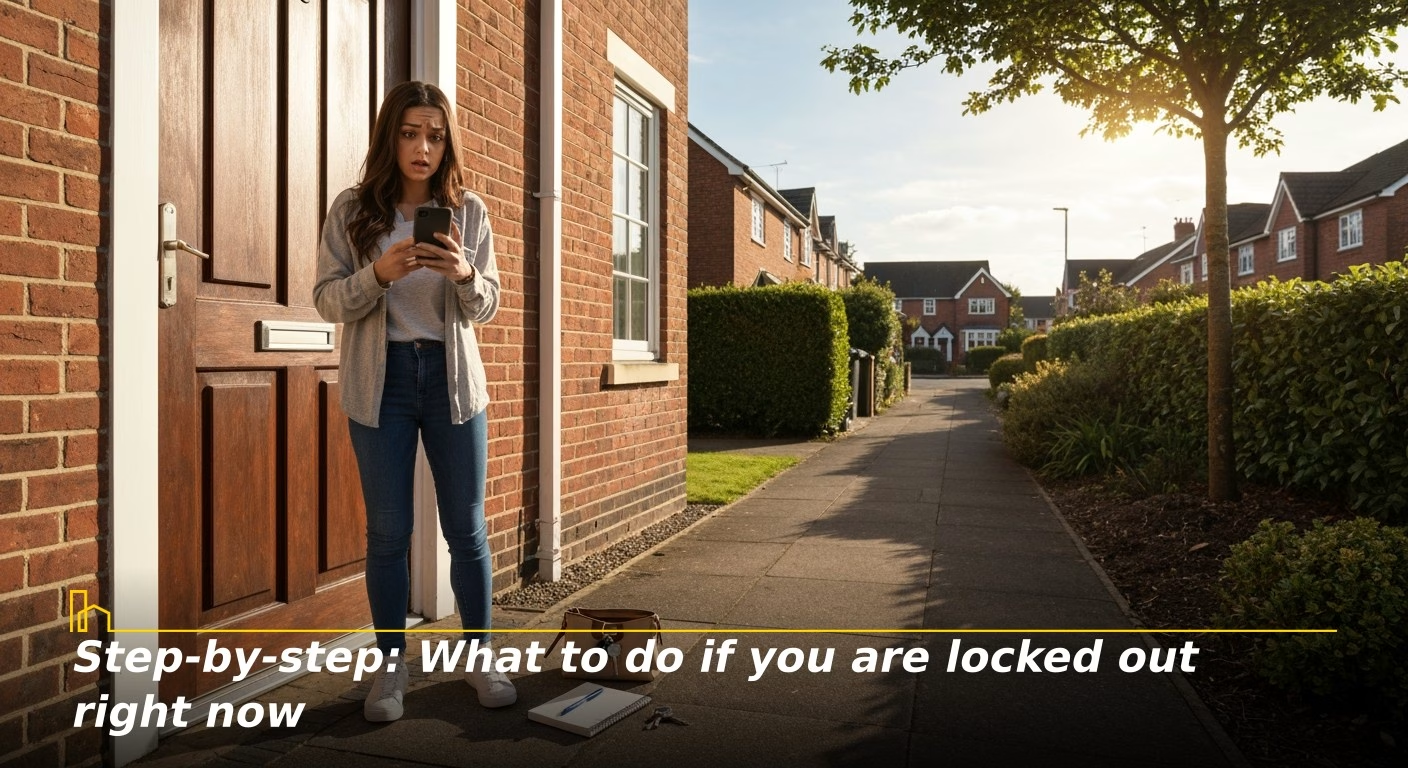
If you arrive home and find it impossible to enter, follow these steps immediately to protect your rights and regain access.
A. Stay safe and document the situation: Your immediate safety is the priority. Do not get into a physical confrontation with your landlord. Instead, use your phone to take photos or videos of the changed locks, boarded-up windows, or any of your belongings sitting outside. If you have neighbors who saw the landlord changing the locks, ask these witnesses for their names and contact info.
B. Try contacting your landlord in writing: Even if enraged, send a calm text or email to your landlord. State that you are a lawful tenant, you have been locked out, and are requesting immediate access to the property. Keep a screenshot of this message. In many states, this acts as the “notice” required before you can take further legal action.
C. Call non-emergency police or go to the precinct: In many jurisdictions, an illegal lockout is a criminal misdemeanor. Call the police and explain: “I am a lawful tenant at [Address], and my landlord has illegally locked me out without a court order.” Have your ID, copy of your lease, or utility bill ready to verify you live there.
- Police Intervention: Officers may accompany you to the property and order the landlord to let you back in.
- Police Report: If they say it is a “civil matter” and refuse to help you get back in, insist that they at least write a police report to document that you were excluded from your home. This report is vital evidence for the court.
D. Ask about emergency court orders: If the police cannot get you back in, you need to go to your local housing or civil court the very next morning. Ask the clerk for an “emergency restoration of possession” or a “writ of re-entry”.
- These are high-priority cases. It’ll include filling out a sworn statement (affidavit) explaining the facts to a judge that same day.
- If the judge believes you were illegally locked out, they can sign an order that allows the sheriff to physically put you back into the apartment, sometimes even by force.
E. Contact legal aid or a tenant attorney: Illegal evictions are legally complex and often involve high stakes. Organizations like LawHelp.org can connect you with a lawyer in your area who can help you file for emergency relief or sue for damages. If you have a low income, you may qualify for free legal representation through the Legal Services Corporation (LSC).

Related article
Tenant Rights When a Rental is Unsafe or Uninhabitable: From Code Complaints to Breaking Your Lease Legally
Living without heat, dealing with leaks, or facing pest infestations in a rental endangers health and safety. Landlords cannot legally charge rent for uninhabitable housing. Tenants who understand habitability standards…
4. What legal remedies might be available (depending on state)
If you win an illegal eviction case, you aren’t getting your home back; you may also be entitled to financial compensation for harm suffered.
|
Remedy |
Description |
|---|---|
| Restoration of Possession | A court order forcing the landlord to let you back in and stay until a legal eviction process is completed. |
| Actual Damages | Money to cover real financial losses, such as hotel stays, moving expenses, or damaged property. |
| Statutory Penalties | Many states set fixed penalties. In California, it can be $100 per day; in Texas, it can be one month’s rent plus $1,000; and in Massachusetts, it can be three months’ rent. |
| Emotional Distress | Compensation for the mental anguish and trauma caused by being made homeless unexpectedly. |
| Attorney’s Fees | In some states, landlords can be ordered to pay your lawyer’s fees if you win the case. |

Related article
Step by Step Renters Guide on How To File a Complaint or Lawsuit Against Your Landlord
Filing a formal complaint or a lawsuit is a serious step shifting the conflict from a private disagreement to a public legal matter. It requires preparation, evidence, and a clear understanding of your rights. This guide walks you through the escalation process, from organizing your trial binder to filing…
5. How to document an illegal eviction case
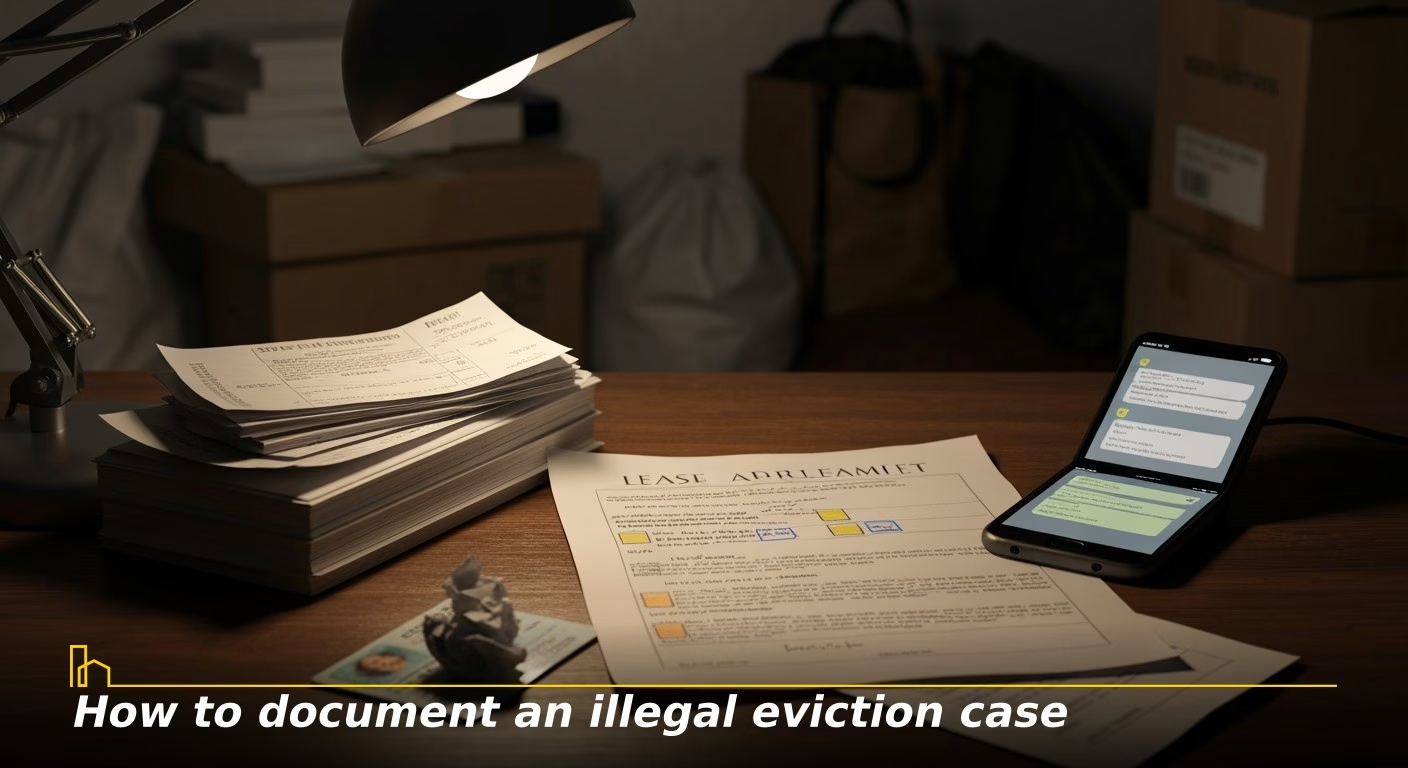
To win in court, your word against what the landlord says isn’t always enough. You need to build a paper trail proving you lived there and they intentionally kept you out.
Keep these documents organized:
- Lease Agreement: Even if it has expired, it proves you had a right to be there.
- Rent Receipts: Bank statements or receipts showing you have been paying to live in the space.
- Government ID: A driver’s license or state ID with the rental address.
- Communication Records: Printouts of all texts, emails, or letters where you asked to be let back in.
- Visual Evidence: Photos of the lock, empty apartment, or a video of you trying your key and it not working.
- Financial Proof: Maintain every single receipt for hotel rooms, storage units, moving trucks, or replacement belongings.
6. What if I received an eviction notice but no court date?
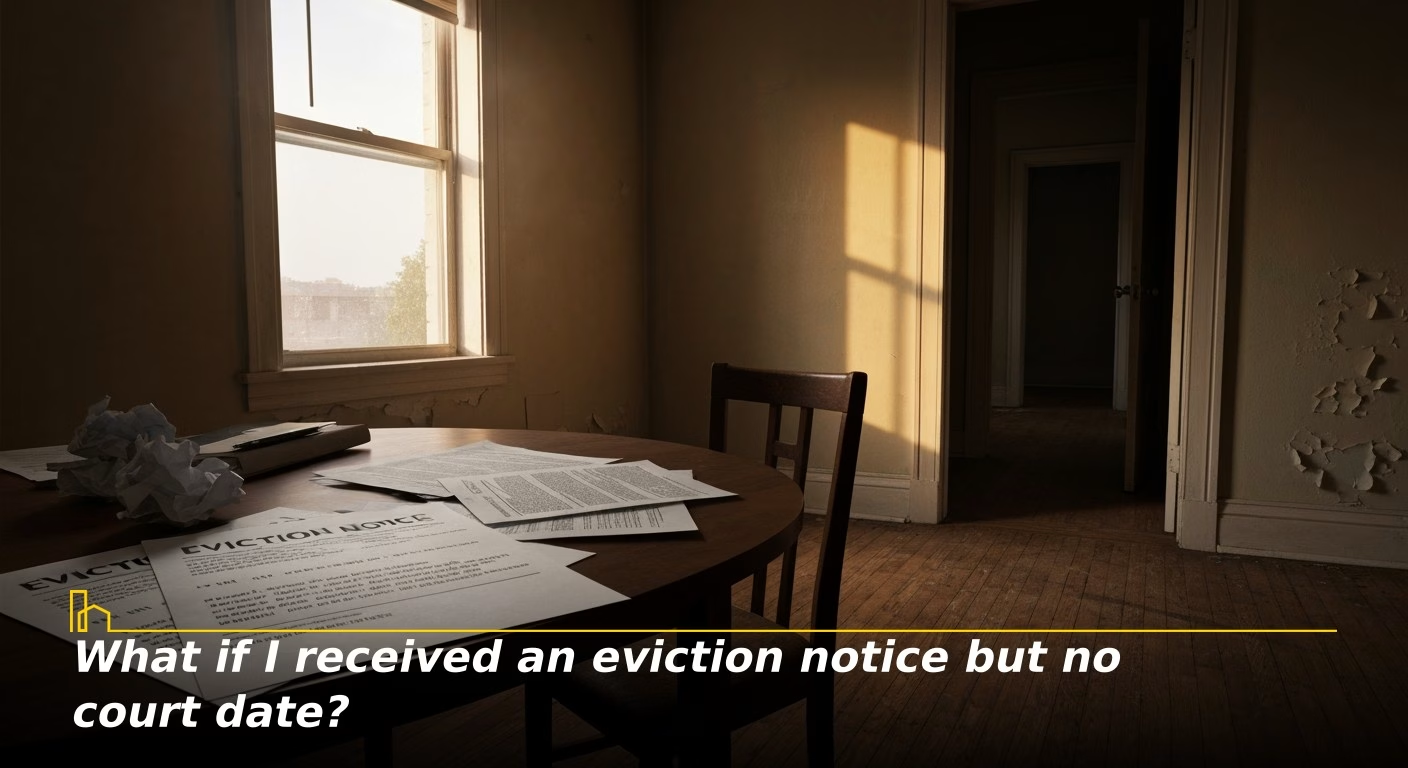
Many tenants mistake a “Notice to Quit” or a “Notice to Vacate” for an actual eviction. It is important to understand the difference:
- A Landlord Notice: This is only a warning. It is a letter from your landlord saying, “Pay your rent or leave in 3 days”. You do not have to move out by that deadline, and the landlord still cannot lock you out when that date passes.
- A Court Order (Writ): This comes only after a judge has heard the case. If you lose, the court issues a “Writ of Recovery” or “Writ of Possession”. Even then, only a sheriff or marshal can execute it. They will typically post a final warning on your door giving you 24 to 72 hours before they return to physically remove you.
Conclusion: An illegal lockout is a violation of your basic right to a safe home. While it is an overwhelming experience, remember that the law is on your side. Landlords who skip the court process are breaking the law, and the system provides emergency tools to help fight back. By acting quickly, documenting every detail, and seeking help from local legal professionals, you can regain your home and secure the compensation rightfully deserved. Stay calm, keep your records safe, and do not hesitate to involve the authorities to protect your rights.
Recommended for you




FAQs About Illegal Evictions and Lockouts: How Tenants Can Fight Back and Reclaim Their Home
1. Can my landlord turn off my electricity if I haven’t paid the bill?
In almost every state, no. Even if you are behind on your utilities, a landlord cannot intentionally cut off essential services as a way to force you out. The utility company may shut them off for non-payment, but if the landlord does it, it is considered an illegal “constructive eviction”.
2. Can I break a window or pick the lock to get back in if I’m locked out?
This is very risky and usually discouraged by legal experts. While it is your home, breaking in could lead to the landlord calling the police on you for burglary or trespassing. It is best to have the police do a “civil standby” while you enter, or to get an emergency court order that authorizes the sheriff to let you back in.
3. What if I don’t have a written lease, can I still be locked out?
No. Even if you have a verbal agreement or are an authorized occupant (like a family member), you still have tenant rights. If you have lived there for a certain period of time (often 30 days), the landlord must still use the formal court process to remove you.
4. Can the landlord move my stuff to the curb if I’m late on rent?
Absolutely not. They can only move your belongings if they have won an eviction case and a law enforcement officer is present to supervise the set-out. Moving your property without a court order is a form of illegal eviction and theft.
5. How long does it take to get back in through the court?
Emergency lockout cases (sometimes called “Petitions for Possession”) are usually fast-tracked. You can often get a hearing and a court order within 1 to 2 business days.


Related Content