








Section 8 Transfer to Another State: Complete Portability Guide
- Local Editor:Local Editor: The HOMEiA Team
-
Category: Rent , City Living Guide
Share


Life happens. Maybe a new job opportunity opens up across the country, a health crisis requires being closer to family, or you simply need to find a safer place to raise your children. Whatever the reason, the thought of moving can be overwhelming, especially when dependent on a Section 8 Housing Choice Voucher to afford housing. The great news is that your voucher can move with you, a feature known as “portability.” This guide will serve as a walk-through for the entire process, with a special focus on the crucial 2025 Section 8 transfer to another state rules that have made the process faster and more streamlined. We’ll provide a clear, step-by-step roadmap so you can move with confidence and keep your housing assistance secure.
Key Takeaways
Moving with your Section 8 voucher, a process known as portability, is more organized and efficient than ever thanks to new 2025 rules. This comprehensive guide will help to navigate the entire journey. You’ll learn about the new 30-day processing requirement that speeds up transfers and how to use online tracking systems to monitor your application. The article provides a detailed, step-by-step checklist to ensure a smooth transfer, from checking one’s eligibility to finding a new home. We’ll also cover common denial reasons and provide a realistic timeline to effectively manage expectations. By the end, you’ll be empowered with the knowledge and tools to successfully transfer your housing assistance to a new state to start a new chapter.
Table of Contents:
1. Section 8 Portability Rules: What Changed

The U.S. Department of Housing and Urban Development (HUD) has rolled out several key updates in 2025 to make the portability process better structured. Changes aim to cut down on the frustrating delays and communication gaps that were common in previous years. Understanding all new rules is the first, and most important, step in your journey to finding Section 8 Housing in a new location.
- 30-Day Processing Requirement: Public Housing Authorities (PHAs) are now required to process portability requests within a specific 30-day window. This change is monumental compared to years past, where the process could drag on for months, leaving families in limbo. While some individual steps may still take time, this new rule creates a hard deadline for the initial PHA to send your file to the receiving PHA.
- Online Tracking Systems: To improve transparency, HUD has introduced a digital system for tracking transfers. Doing so allows applicants to check the status of an application in real time, eliminating constant phone calls and uncertainty. This system helps both you and the PHAs monitor progress and quickly identify any roadblocks.
- New Documentation Standards: A new, standardized form has been created to replace the varied paperwork previously required by different PHAs. A simplified, uniform document helps ensure that all necessary information is collected and transferred correctly the first time, preventing delays caused by missing or incomplete paperwork.
- Billing Arrangements: A significant policy change that took effect on April 1, 2025, is that some PHAs, such as the one in Georgia, will no longer absorb incoming portability vouchers. Instead, they will process portability requests under an initial billing arrangement, where your old PHA continues to pay your new PHA. This change requires clear communication between both agencies and may affect your process, so it’s essential to understand the billing policy of your receiving PHA.

Related article
10 Budget-Friendly Ways to Move Across the U.S.
In this article, you’ll learn how to save money in small and meaningful ways when moving across the USA. From the planning to the packing stage, these are some creative hacks to cut down your moving costs…
2. Step-by-Step Cross-State Transfer Process
Moving with your Section 8 voucher is an organized process that involves coordination between your current PHA (the “initial PHA”) and the PHA in the new area (the “receiving PHA”). Following this checklist will help navigate each step without a hitch.
Step 1: Check Your Eligibility (Approx. 1-2 Weeks)
- Action: Contact your current PHA. You must express your desire to move. They will review your file to make sure you are in good standing. This means there is no outstanding balance to the either PHA or current landlord, and all program rules must have been followed.
- Critical Requirement: You must have lived in the initial PHA’s jurisdiction for at least 12 months from the date the voucher was received. This is a common rule, though some PHAs may have different residency requirements.
- Pro Tip: Gather important documents including proof of income, Social Security cards, and birth certificates for all family members if not already in possession.Having these ready will expedite the process.
Step 2: Submit Your Portability Request (Immediately After Approval)
- Action: Once your PHA determines you are eligible, you will fill out a “Request for Portability” form. You must also provide a written notice of your intent to vacate to your landlord, as required by your lease agreement (usually 30 days).
- Timeframe: This is a crucial first step. Submitting these forms properly kicks off the entire process. Your PHA will verify current eligibility and landlord notice before proceeding.
Step 3: The Initial PHA Sends Your File (Within 30 Days)
- Action: Your current PHA will put together a “portability packet” encompassing household information, income, voucher size, and other details. They will send this packet to the receiving PHA in the new location.
- New 2025 Rule: The new 30-day processing requirement means this step should happen quicker than it used to. It’s your responsibility to know which PHA you want to transfer to and provide their contact information.
Step 4: Contact the Receiving PHA (Immediately)
- Action: It is your responsibility to contact the new PHA to confirm receipt of your file. This proactive step helps avoid delays. Ask them about their specific procedures, including any intake appointments or orientations you need to attend.
- Important: Do not move to the new location until the receiving PHA has reached out and you have a new voucher from them.
Step 5: Receive Your New Voucher & Find a Home (Up to 120 Days)
- Action: The receiving PHA will give you a new voucher and paperwork. The term of this new voucher is typically 120 days. You must find a unit, have it inspected, and get a lease approved within the time frame.
- Pro Tip: Use the new HUD online tracking tool to monitor the status of your application. This can provide peace of mind and help you know when to follow up.

Related article
10 Most Commonly Asked Questions about Renters Insurance
In a world of uncertainties, getting insured is one constant that will give you security, and more importantly, peace of mind…
3. State-by-State Portability Differences

While the 2025 rule changes have standardized much of the portability process, there are still key differences between states and even between different PHAs within the same state. These variations often relate to the local housing market, waiting list policies, and specific requirements. Here is a comparison table to easily understand what to look for when researching your target location. Remember, these are examples to guide your research, and one should always verify the latest information with the specific PHA you plan to move to.
|
State (Example) |
Waiting Periods (Estimated) |
Common Special Requirements |
Acceptance Rates (Estimated) |
|---|---|---|---|
| New York | 1-2 years | May require in-person meetings; high competition in the NYC area. | Moderate |
| Texas | 6 months – 2 years | Varies by PHA; some have preferences for local residents. | Moderate |
| Florida | 1-3 years | High demand in many cities; some PHAs have closed waiting lists. | Low to Moderate |
| Illinois | 6 months – 1 year | Many PHAs have specific requirements for employment or education. | High in some suburban areas, low in Chicago. |
| California | 2-5+ years | Extremely high demand; many PHAs have lengthy, or closed, waiting lists. | Very Low |
| North Carolina | 6 months – 1.5 years | Varies; some PHAs are known for faster processing. | Moderate to High |
| Arizona | 1-2 years | Can have long waiting lists, especially in major metro areas. | Moderate |
| Washington | 1-3 years | High demand in Seattle and surrounding areas. | Low to Moderate |
| Michigan | 1 year or less | Some PHAs have been able to absorb more vouchers. | High in some areas. |
| Ohio | 6 months – 1 year | Generally more accepting due to lower cost of living. | High |


Related article
How to Rent to Own a House
If renting to own sounds like an idea you’d like to pursue, then you need to know how it works. Like most things in real estate, there are pros and cons, but having a clear understanding of what you are getting into will make a big difference. Here we will discuss the most popular topics on rent to own homes so you can decide if this is the right type of real estate transaction for you…
4. Common Portability Denial Reasons (And How to Avoid Them)

While the portability process is designed to help with moving, there are still reasons your transfer could be denied. Understanding these common pitfalls can help to avoid them.
(a) You Owe Money to Your Current PHA or Landlord: Any outstanding debt, whether for rent, damages, or fees, will cause an immediate denial.
How to Avoid: Settle all financial obligations before starting the portability process.
(b) You Broke Your Lease: Moving without giving proper notice to the landlord or violating the terms of your lease can result in a denial.
How to Avoid: Follow the notice requirements in your lease to the letter. Get a written confirmation that you gave notice and there are no lease violations.
(c) Failure to Comply with Receiving PHA Procedures: Each receiving PHA has its own specific set of rules. For example, some may require you to attend an in-person orientation or submit additional paperwork. Failure to follow these rules will be grounds for denial.
How to Avoid: As soon as you begin contact with the receiving PHA, ask for their specific checklist and follow it exactly.
(d) The New Unit Fails Inspection: The unit you find must pass a health and safety inspection by the receiving PHA. Common issues include non-working smoke detectors, mold, or lead-based paint hazards.
How to Avoid: Before signing a lease, conduct your own careful walkthrough. Look for any potential issues and ask the landlord to address them.
(e) The New Rent is Not Reasonable: The PHA must determine that the rent for the unit you choose is reasonable compared to similar unassisted units in the area.
How to Avoid: Work with your PHA to understand their payment standards and “rent reasonableness” rules before you start house hunting.
5. Timeline and Processing Expectations
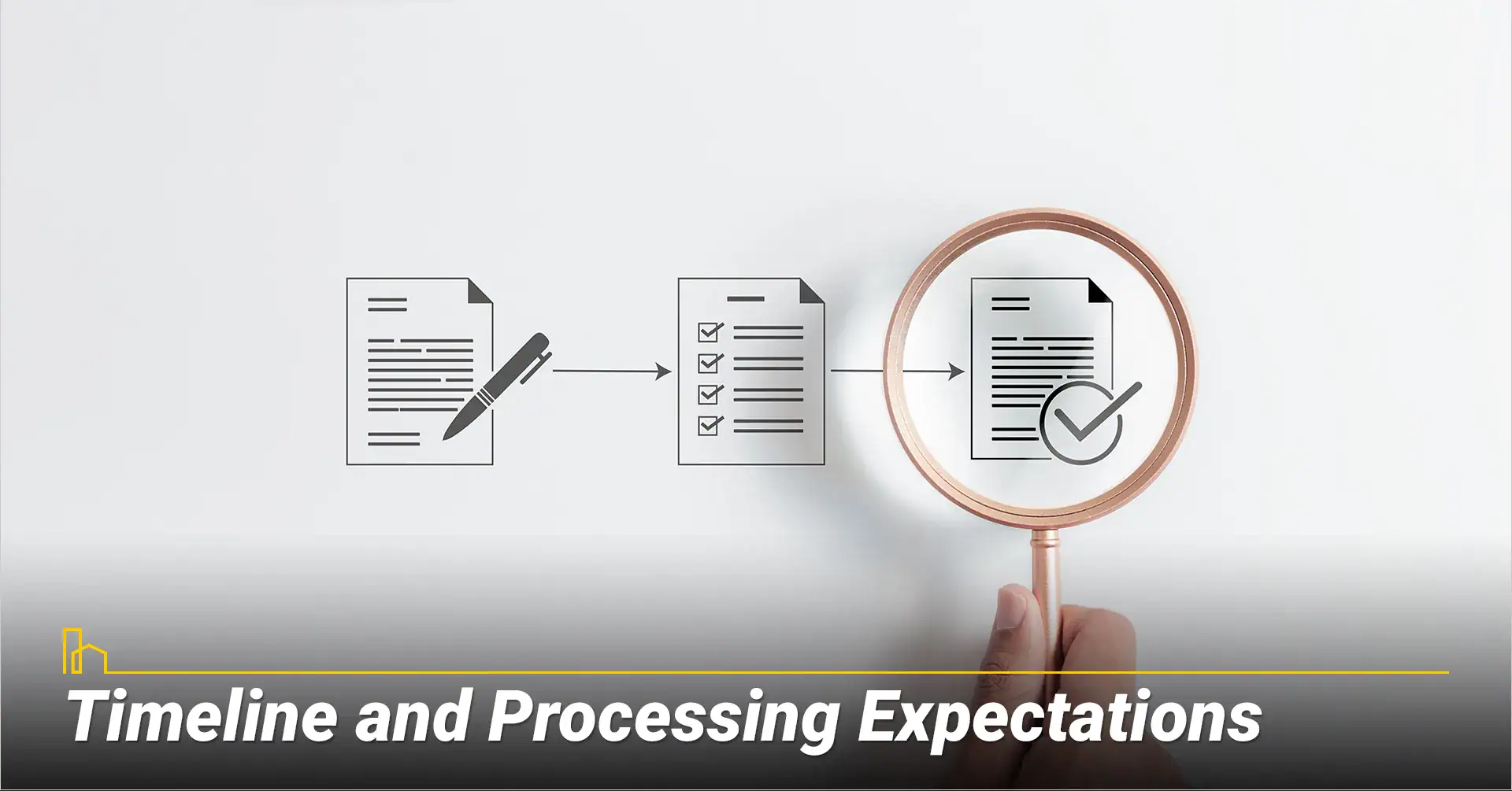
Even with the new 2025 rules, it is essential to have realistic expectations about the timeline. While the goal is to be fast, some steps are still dependent on human interaction and local resources.
(a) Best-Case Scenario (6-8 weeks): You meet all eligibility requirements, your current PHA processes the request quickly, and the new PHA is well-staffed and efficient. You find a perfect unit and it passes inspection on the first try.
(b) Worst-Case Scenario (4-6 months): There are minor delays at your initial PHA. Your receiving PHA has a backlog or a smaller staff. There are difficulties finding a unit that passes inspection or meets the rent reasonableness test.
Conclusion: Portability is a powerful tool designed to provide the freedom to move for a better life. The new 2025 rules, while still fresh, show a strong commitment from HUD to make this process smoother and more reliable for families across the country. Remember, a voucher is your ticket to a new beginning. By staying organized, communicating proactively, and understanding the rules, you can make your move a success.
![10 Most Affordable (Safe) Places to Live in the U.S. [Updated]](https://homeia.com/wp-content/uploads/2025/08/10-Safest-and-Most-Affordable-Places-to-Live-in-the-U.S-392x205.webp)
Related article
10 Most Affordable (Safe) Places to Live in the U.S. [Updated]
As the year’s midpoint passes, many plan ahead. If relocation is on your mind, this guide on the Most Affordable Places to Live in the U.S. is essential—backed by data from U.S. News, MoneyGeek, SafeWise, and the FBI, it highlights top destinations for safety, cost, and quality of life…
FAQ: Common questions families have about Section 8 portability:
1. What is the difference between “billing” and “absorbing” in portability?
When a PHA “absorbs” a voucher, it takes over the payment for your housing assistance from its own funds. When it “bills” your initial PHA, this authority continues to send money to your new PHA. The new 2025 changes are making billing more common.
2. Can I transfer my Section 8 waiting list position to another state?
No. The ability to “port” only applies once you have a voucher. You cannot transfer a waiting list application to another state. If your goal is moving to a new state and are currently on a waiting list, you must apply to the waiting list for the PHA in the new location.
3. What if I can’t find a place within the 120-day voucher term?
If you’re having trouble, immediately contact the receiving PHA. Most PHAs will grant an extension, especially if you have been actively searching and have a clear reason for needing more time.
4. Are there any special rules for veterans or people with disabilities?
Yes. The HUD-VASH program for veterans, for example, has its own specific portability rules. You should work with your case manager to stay complicit with the correct procedures for your specific program.
Emergency contacts: If you are in urgent need of assistance or have a question, you can contact the HUD Public and Indian Housing (PIH) Resource Center at 1-800-955-2232. You can also contact the local PHA in your current or future location.


Related Content



























































































































![10 Most Affordable (Safe) Places to Live in the U.S. [Updated]](https://homeia.com/wp-content/uploads/2025/08/10-Safest-and-Most-Affordable-Places-to-Live-in-the-U.S-570x298.webp)