






Water Damage Mitigation: THE 24-Hour Action Plan for Homeowners
- Local Editor:Local Editor: The HOMEiA Team
- Category: Home Maintenance , Home Improvement


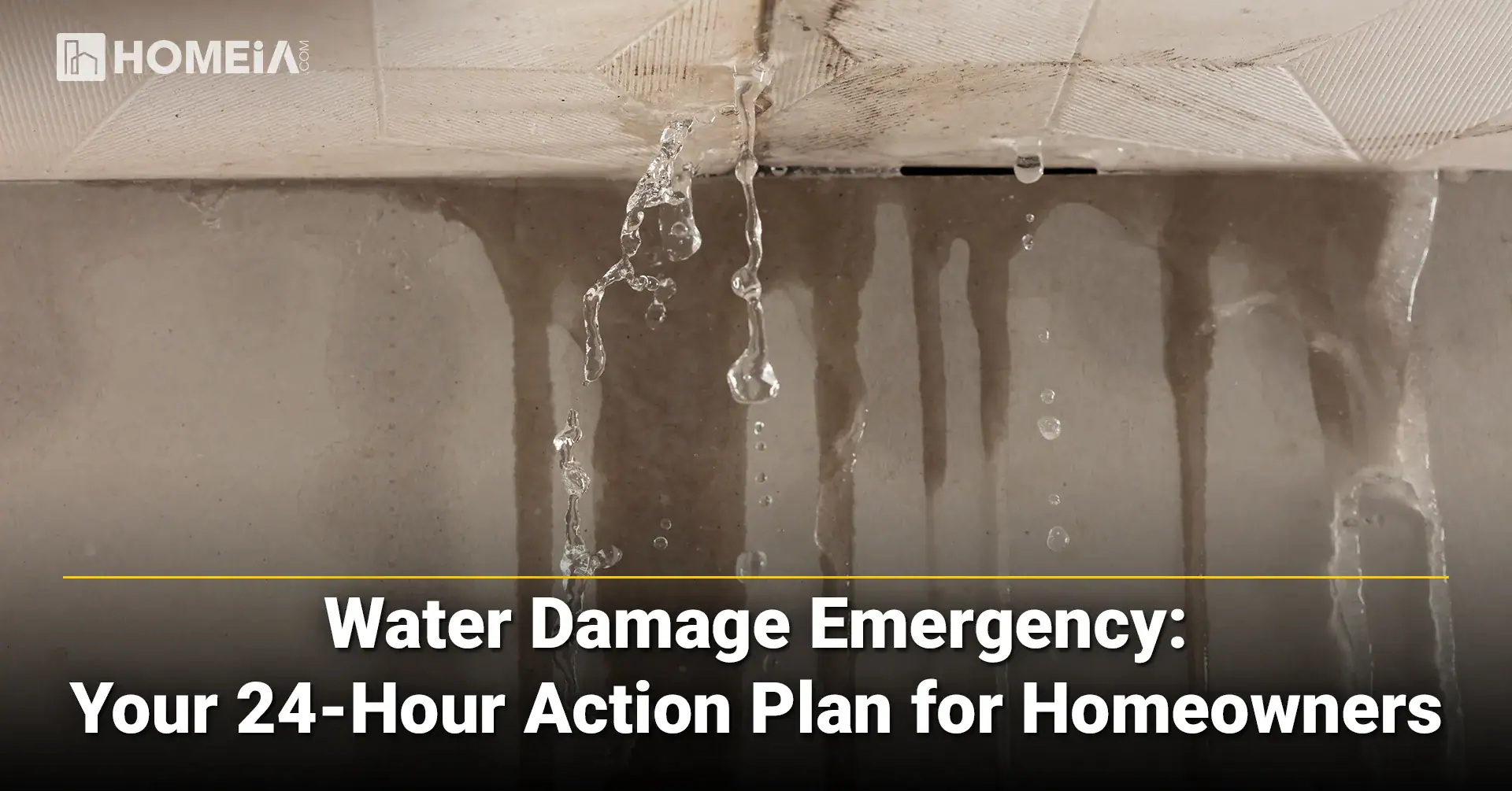
There aren’t many feelings worse than walking into a room and seeing a pool of standing water somewhere. With severe thunderstorms, flash floods, and winter freezes, water damage emergencies are a serious and frequent threat for homeowners. Whether it’s a pipe bursting in the middle of a cold snap or a storm that overwhelms your gutters, it can be a real doozy of a problem.
But here’s the thing: the next 24 to 48 hours make or break getting your home back in shape. Acting fast with a clear head can prevent a small mess from turning into a major, “spendy” headache. This water damage mitigation guide will walk you through a plan that’s simple, smart, and be able to handle this emergency like a pro.
Key Takeaways for Water Damage Mitigation:
When water damage hits your home, a quick response is the secret to getting things back to normal without a major headache.
- Safety First: Turn off the power and stop water flow if you can safely do so.
- Document Everything: Take detailed photos and videos before cleanup. This documentation is crucial for your insurance claim.
- Act Fast: Mold can start in as little as 24 hours. Quick response is essential to saving your property and wallet.
- Know When to Call a Pro: Professionals are needed for extensive damage. They have the right tools to find and fix all the problems you can’t see.
1. Your First Few Hours – Safety First, You Betcha
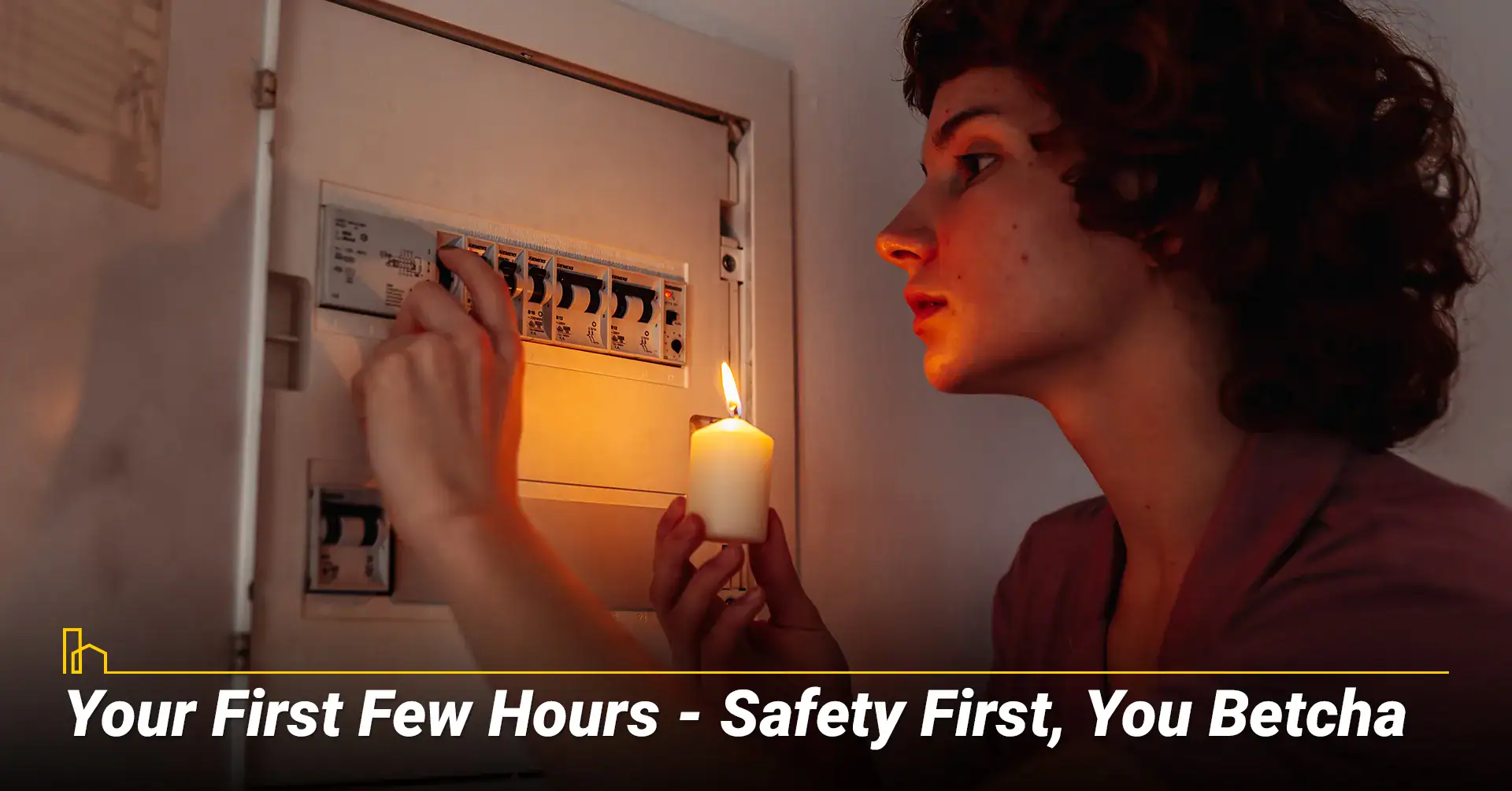
A. Your Safety Comes First, Dontcha Know
Before touching wet items or entering flooded areas, prioritize your family’s safety. Water and electricity create life-threatening shock hazards and fire risks. Turn off power to affected areas immediately. For widespread damage, shut off the main circuit breaker.
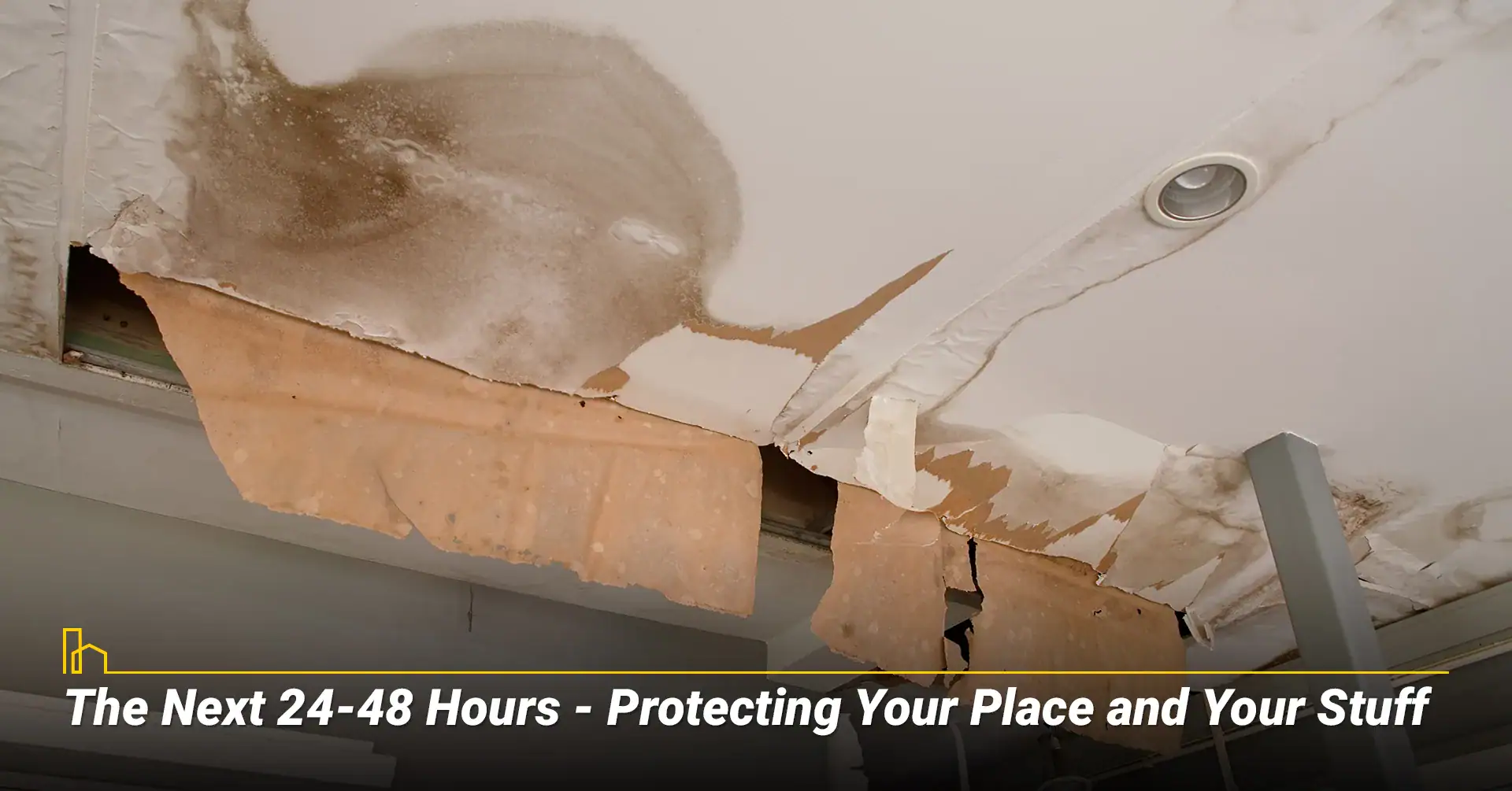
Critical warning: if the breaker box is wet or flooded, don’t touch it! Get everyone out and call professionals. Watch for structural issues – water-soaked drywall can cause the ceiling to collapse. Avoid standing under waterlogged or discolored ceilings. Your safety is worth more than any possession.
B. Find the Source and Shut ‘er Down
Stop water flow if possible. For plumbing issues like burst pipes, leaking water heaters, broken toilets, or washing machine problems, find and shut off the source immediately. The main water shut-off valve is typically in basements, crawl spaces, or outside near water meters. Know this location before an emergency strikes.
For weather-related flooding, water comes from outside and can’t be stopped. Focus on safety and getting to secure, dry locations. Once it recedes, damage mitigation begins.

Related article
Signs Something Has Gone Wrong with Your Electrical System
Fortunately, it’s not hard to make sure your electrical system stays in tip-top shape. Just pay attention once in a while and notice if there are any signs of trouble. Here’re 9 big signs that your electrical system has a problem—and what to do to keep the problem from growing even…
2. The Next 24-48 Hours – Protecting Your Place and Your Stuff
A. Document, Document, Document
Before starting any cleanup, get complete damage records for filing insurance claims. Take comprehensive photos and videos of affected areas, capturing water sources, room extent, and damaged belongings. For basement floods, measure and document water line height.
Keep detailed records of insurance communications, including dates, times, and representative names. Save receipts for temporary repairs and living expenses – these may be reimbursed through Additional Living Expenses (ALE) coverage. Document first to avoid the dire mistake of cleaning before preserving evidence.
B. Salvage What You Can, Quick as a Wink
After having everything documented, protect any valuables and prevent further damage. Move furniture, electronics, and personal items to dry areas. Place wood blocks or aluminum foil under heavy furniture legs to prevent staining. For precious items like documents, books, and photographs that can’t be dried immediately, freeze them to halt damage and mold growth.
Begin drying by opening windows and doors (weather permitting) and using fans for air circulation. However, household vacuums and mops only handle surface water – they can’t reach deep moisture trapped in walls, subflooring, and insulation. This reveals why professional help becomes necessary.
Related article
How to Deal with a Mold Problem in Your House
When you have a leaking pipe within the walls, mold may also form in its vicinity. Even a leaky roof can lead to mold formation on your ceiling and the wall directly underneath the leak. Here is how to identify and remove mold from your house…
3. The Big Problem – Why DIY Ain’t Gonna Cut It, Eh?
A. Secondary Damage and Why It’s a Doozy
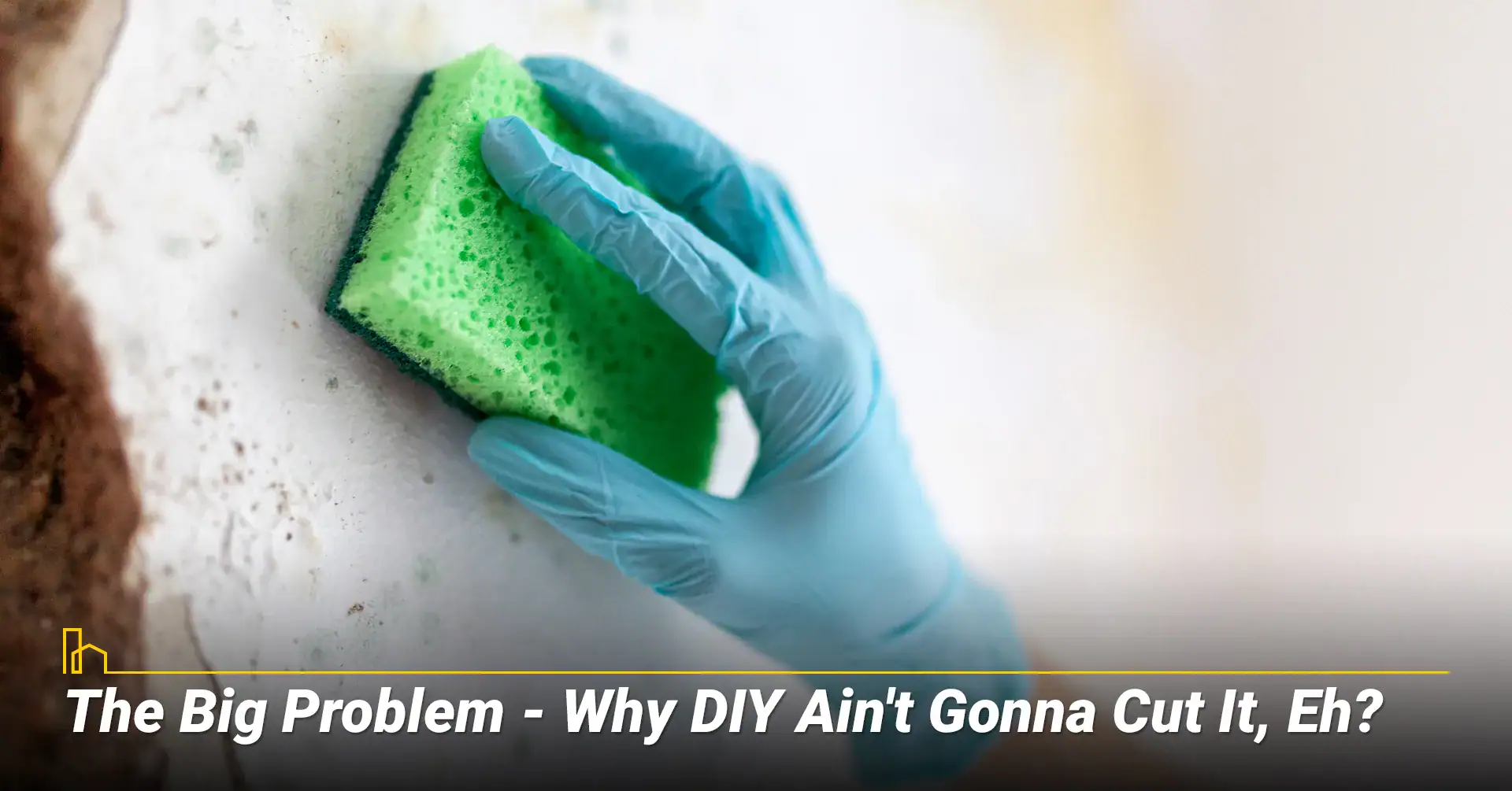
Many homeowners attempt DIY cleanup, creating immensely expensive problems. “Secondary damage” from lingering moisture causes mold growth within 24-48 hours. Moisture in porous materials like drywall, carpet, and wood creates perfect breeding grounds for spores, leading to respiratory problems and allergies.
Water also causes significant structural damage, primarily weakened support beams, rotting wood, warping floors, peeling paint, bubbling wallpaper, and rusting fixtures. For older homes, this is especially concerning as unaddressed issues can multiply repair costs.
B. The Problem with DIY
Household tools like mops and wet/dry vacuums only remove surface water. They lack power to extract deep, hidden moisture trapped behind walls, under floors, and in insulation. Rooms may appear dry when a droplet is not in sight, but hidden moisture creates perfect mold environments and structural damage. DIY efforts are inefficient and risky, leading to extensive repairs due to incomplete drying.
Handling water damage without professional help is dangerous. Beyond electrocution risks, hazardous “black water” from sewage backups contains harmful pathogens. Professional restoration companies have training, experience, and industrial equipment to handle the process safely.
Criteria | DIY Approach | Professional Restoration |
|---|---|---|
| Immediate Response | Yes (You can start right away) | Yes (24/7 emergency service) |
| Expertise & Knowledge | Limited, based on personal experience | Certified, trained in industry standards |
| Equipment | Household fans, mops, shop vacs | Industrial-grade pumps, dehumidifiers, air movers |
| Identifying Hidden Damage | Limited or non-existent | Yes, with moisture meters & thermal cameras |
| Risk of Secondary Damage | High (mold, structural decay) | Low (thorough drying, antimicrobial treatment) |
| Insurance Assistance | No, you handle it all yourself | Yes, assistance with documentation & claims |
Related article
Dealing with a Foundation Leak? Signs to Look For
Foundation leaks crop up for all kinds of reasons. It’s often difficult to tell, though, just how severe the leak you have on your hands is before the worst of the symptoms arise. When in doubt, reach out to local professionals for help fixing any foundation problems that have appeared…
4. The Pro Cleanup – What to Expect from the Experts
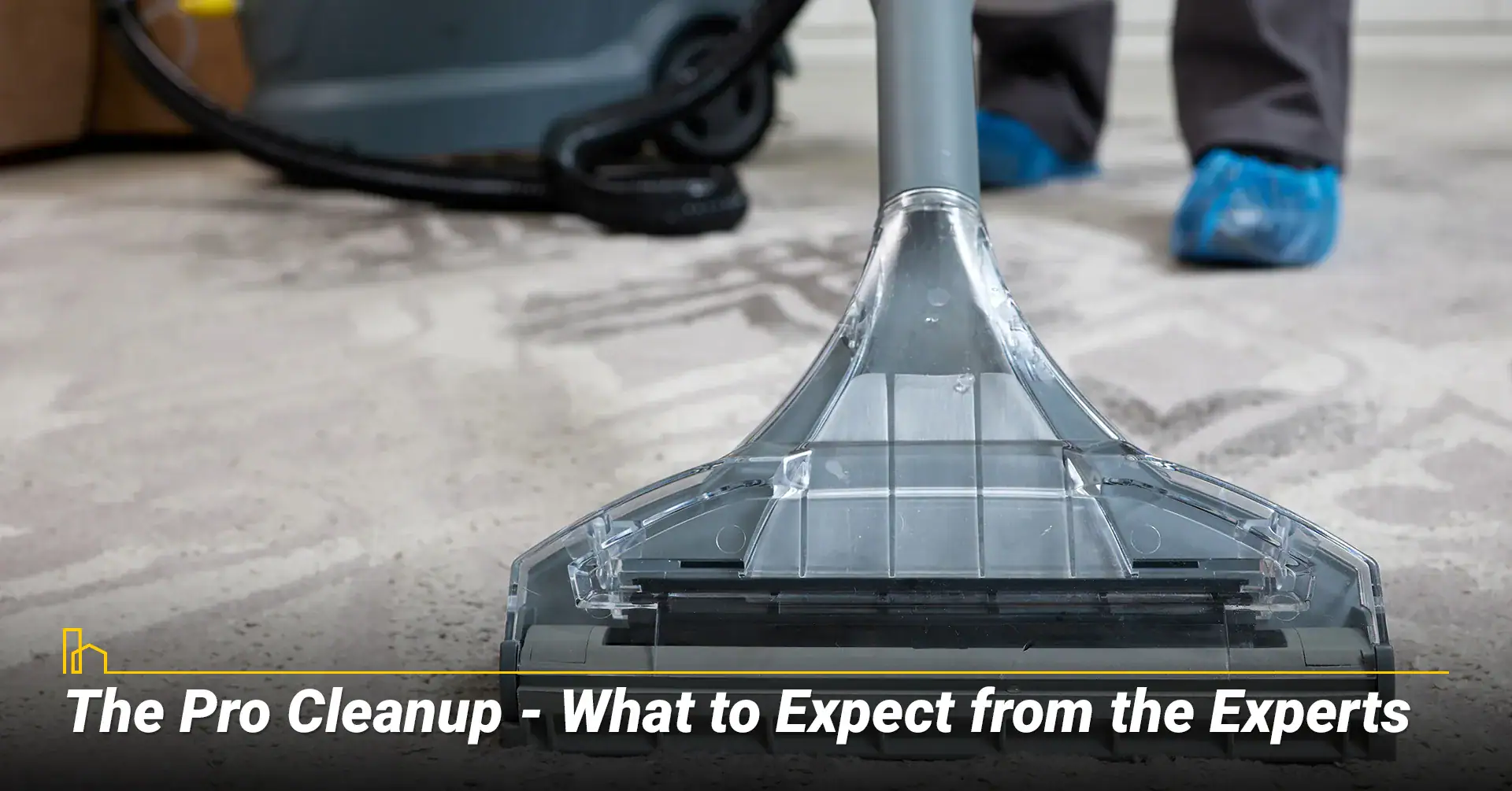
When facing extensive water damage, we recommend contacting a certified Water Damage Restoration professional immediately, especially if you’re in Tennessee where severe weather patterns and seasonal temperature changes create unique restoration challenges. Here’s what to expect from professional services:
A. Rapid Response and Assessment
Professional restoration companies provide 24/7 emergency services with rapid response. They conduct comprehensive damage assessments using specialized equipment to find hidden water pockets. This includes moisture meters measuring electrical resistance and thermal imaging cameras detecting trapped water in walls, floors, and ceilings. Complete moisture detection ensures full problem resolution.
B. The Big Dry-Out
After assessment, teams implement strategic dry-out plans using industrial-grade pumps and vacuums for complete water extraction. Professionals deploy powerful commercial equipment such as high-powered air movers for circulation and commercial dehumidifiers for moisture removal. These powerful units have much higher capacity than residential models. Professionals monitor progress ensuring complete drying before restoration completion.
C. Cleanup and Deodorization
Final steps restore properties to their former condition. This includes sanitizing affected surfaces and using antimicrobial treatments to prevent mold and bacteria growth. Teams remove unsalvageable items like soaked carpeting and drywall.
Water damage often leaves lingering musty odors from bacteria and mold. Restoration crews use air scrubbers and ozone generators to filter and neutralize odor-causing molecules. Final restoration involves replacing damaged drywall, flooring, and other building materials.
Related article
7 Common Causes of Water Leaks
When you see any sign of a leak, it is a good idea to seek the advice of a professional promptly in order to prevent further damage. Water leaks can occur for many reasons, some of which can be prevented through proper maintenance and close inspection. Below are some common causes of water leaks…
A. What Does My Policy Cover?

Most homeowners insurance follows “sudden and accidental” damage rules. Burst pipes, frozen pipes, and appliance failures are typically covered, as are roof leaks from storm damage. Common exclusions include negligence, maintenance issues, and gradual leaks. Standard policies omit natural disaster flooding or sewage backups – these require separate coverage.
B. How Restoration Companies Help with Claims
Professional companies work with insurance providers ensuring accurate claims and proper damage documentation, including hidden moisture. This streamlined process leads to faster, fairer settlements. You’re not obligated to use insurance-recommended companies – choose trusted companies with proper credentials and certifications.
Claims Process Checklist:
- Stop the Source: Turn off water/power if safe
- Document Damage: Take photos and videos before cleanup
- Call Your Insurer: Report claims immediately
- Mitigate Damage: Do temporary repairs if needed
- Get Professional Estimates: Hire certified companies for assessments
- Meet with Adjusters: Provide documentation and answers
Conclusion: While water damage emergencies are overwhelming, clear action plans make all the difference. Prioritize safety, document everything for insurance claims, and understand that DIY approaches often cost more long-term. Bringing in professionals within 24-48 hours prevents secondary damage like mold and structural decay, which can turn stressful events into financial disasters.
When the unexpected happens, having local experts with proper tools, knowledge, and experience is the best way to restore your home and peace of mind. We got your back, you betcha.
Related article
Why Is My Electric Water Heater Not Heating? 7 Common Causes and Fixes
Electric water heaters are essential in homes, providing reliable hot water for bathing, cleaning, and cooking. When your electric water heater stops heating, it can disrupt your daily routine. This article outlines the seven most common causes for an electric water heater not heating and provides clear troubleshooting steps…
Frequently Asked Questions
- How long does restoration take?
Timeline varies by damage severity. Small areas might take days to dry, but extensive damage could be weeks or months. Professionals use industrial equipment to complete projects faster than DIY efforts. - What are signs of hidden water damage?
Key warning signs include musty odors in closed spaces, unexplained water bill increases, yellow or brown ceiling/wall stains, and peeling paint or wallpaper. Professionals use moisture meters and thermal cameras to find hidden water pockets. - When is DIY cleanup okay?
Only for very minor spills from clean water sources that can be completely dried within 24-48 hours. If water is contaminated, covers large areas, or has been sitting over 48 hours, call professionals to avoid dangerous mold growth. - Can water damage affect home value?
Yes, you betcha. Untreated water damage causes structural problems and makes buyers hesitant. Without proper professional documentation, it’s challenging to prove all issues have been resolved. Quick professional cleanup protects long-term value. - What are the different water damage types?
“Clean water” from sanitary sources like broken pipes poses no health risk. “Gray water” from washing machines or toilets could cause illness. “Black water” from sewage or floods contains dangerous pathogens and should only be handled by professionals.
Share