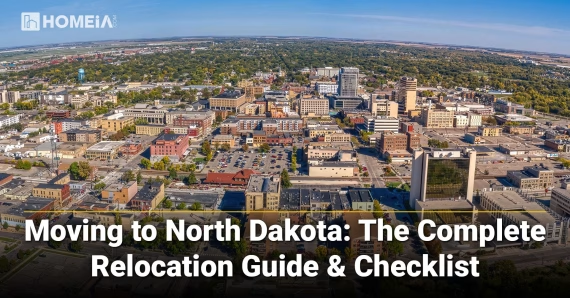








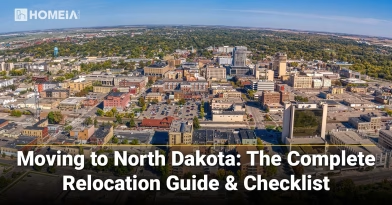
North Dakota offers wide-open spaces, friendly communities, and strong economic opportunity. Over 750,000 residents enjoy affordable living, low unemployment, and a relaxed lifestyle. Fargo delivers urban conveniences, while Bismarck provides growing cultural and economic appeal. This guide covers…
The Pros and Cons of Living in North Dakota
- Local Editor:Local Editor: The HOMEiA Team
- Category: USA , North Dakota
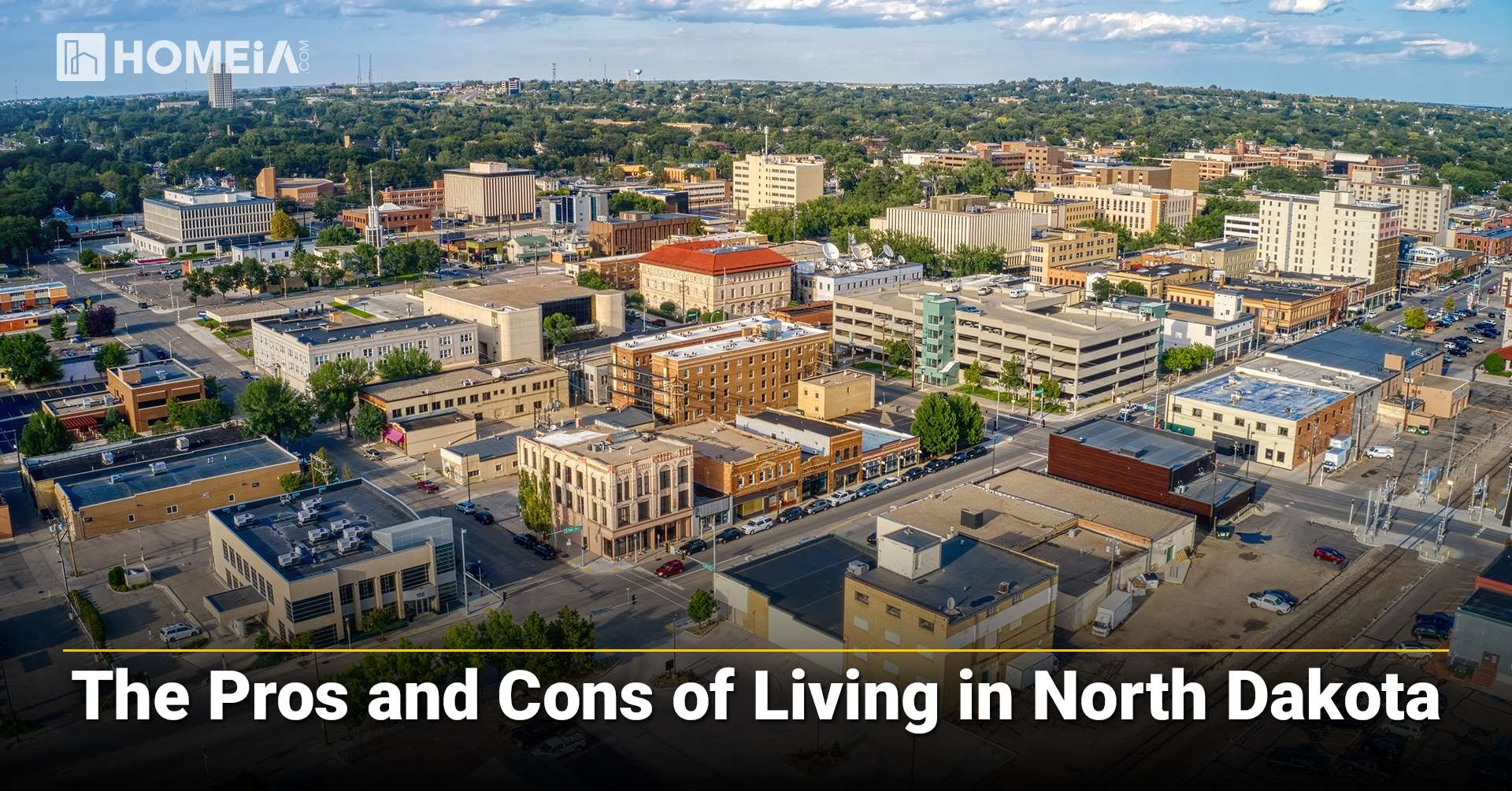
When picturing North Dakota, imagery commonly associated are vast prairies, oil fields, and harsh winters. But the Peace Garden State offers more than Midwestern stereotypes; here lies an area where flourishing communities, economic opportunity, and affordable living define everyday life. Yet, moving there comes with significant trade-offs, from relentless weather conditions to limited cultural amenities and geographic isolation. This guide provides a balanced, comprehensive analysis of the pros and cons of living in North Dakota while offering detailed insights into the best cities for young professionals, families, and retirees.
Key Takeaways
- Economic Strength: North Dakota holds one of the lowest unemployment rates in the nation, driven by a robust energy sector, strong agriculture industry, and growing technology presence, offering excellent job opportunities and economic stability.
- Affordable Living: Overall costs are significantly below the national average, thanks in part to an accessible housing market in many areas of the state, making it one of the most affordable states to buy a house.
- Quality of Life: Rich communities, standout schooling, and low crime rates create an ideal environment for families, while abundant outdoor recreation opportunities provide year-round activities.
- Climate Challenges: Faces some of the harshest winters in the continental U.S., with extreme cold, heavy snowfall, and limited daylight hours during winter months.
- Geographic Isolation: Located far from major metropolitan centers, requiring significant travel for specialized services, cultural events, and access to major airports.
- Limited Diversity: Less cultural and ethnic diversity compared to national averages, with fewer international amenities and cultural institutions.
I. Methodology: How We Evaluated North Dakota
Our analysis is based on a multi-factor review of key elements that impact residents’ quality of life and financial well-being. We compiled data from reputable 2026 sources, including the U.S. Census Bureau, Bureau of Labor Statistics, Zillow housing market reports, FBI crime statistics, and state agencies.
Our evaluation criteria are weighted as follows:
- Cost of Living (25%): This foundational metric analyzes the day-to-day expenses defining a household budget, including cost of groceries, utilities, transportation, and healthcare, all benchmarked against national and regional averages to gauge true purchasing power.
- Economic Health & Opportunity (25%): Long-term stability is non-negotiable. Criterion assesses the robustness of the local economy by examining median household income, unemployment trends, and the diversity of key industries to ensure a community is resilient, growing, and full of potential for its residents.
- Housing & Affordability (20%): The most significant financial decision for most. We delve beyond median home prices and rental costs to use crucial ratios like home-price-to-income and income-to-rent—providing a clear picture of how housing costs align with local earnings.
- Quality of Life & Community (20%): Affordability means little without well-being. This metric evaluates the essential factors contributing to daily life, including access to unique cultural amenities, outdoor recreation, climate, public safety, and the strength of community engagement.
- Access & Infrastructure (10%): A community’s potential is tied to its connections. This evaluates critical modern infrastructure, including reliable high-speed internet, healthcare access, transportation links, and proximity to major employers and commercial centers.

Related article
Our Methodologies to create HOMEiA Score Ratings for Each Group of Content
HOMEiA uses a consistent, data-driven methodology to evaluate U.S. states for livability, affordability, and long-term value. Our analysis centers on key factors such as Housing and Affordability, Cost of Daily Living, Access and Infrastructure, Community Strength, Safety and Quality of Life, Economic Resilience and Job Market…
Pros: Why Choose North Dakota? Top Benefits
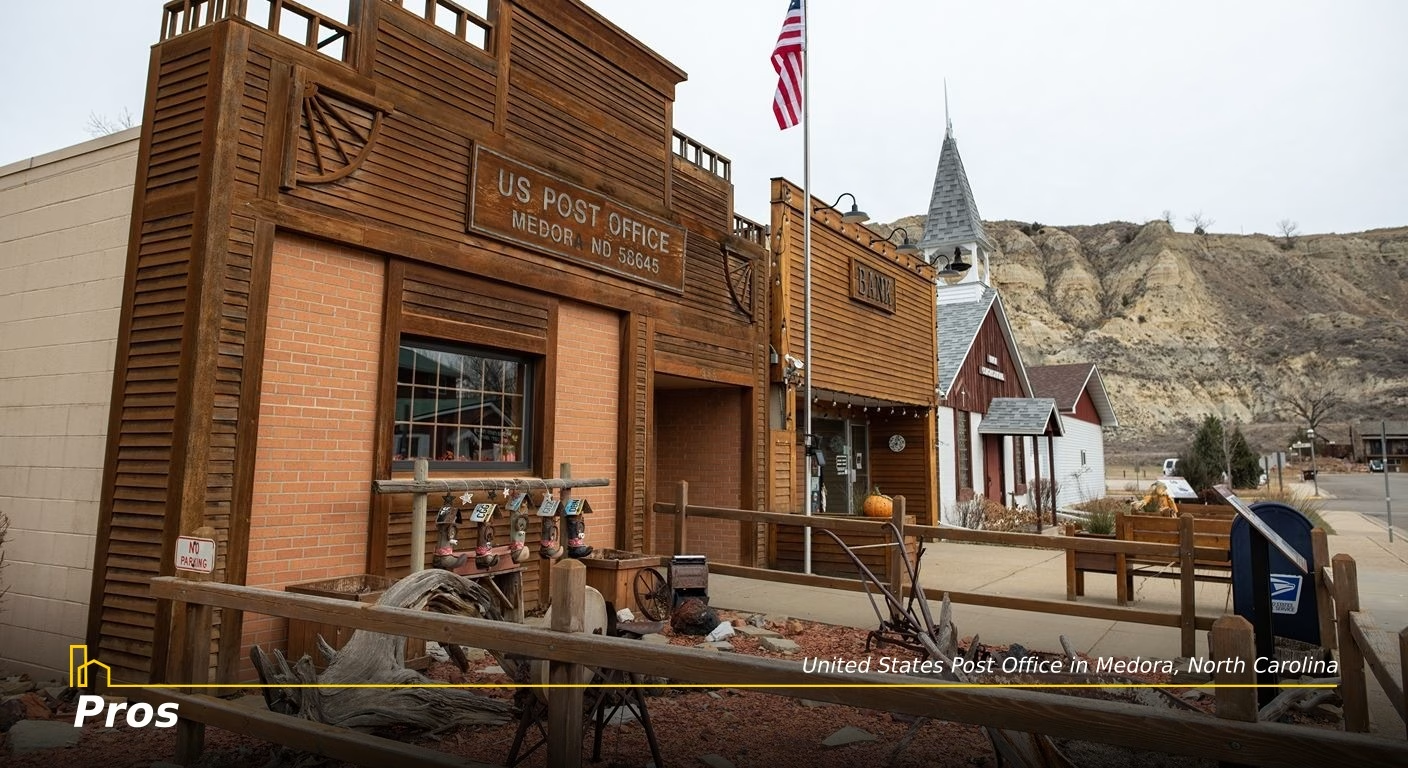
A. Strong Economy and Job Opportunities: North Dakota’s greatest asset is its robust and diverse economy. The state consistently maintains one of the lowest unemployment rates in the nation, driven by a reliable energy sector, pioneering agriculture industry, and growing tech presence. Major employers include energy companies in the Bakken oil fields, agricultural corporations, healthcare systems, and emerging tech firms. Their business-friendly environment and low taxes create excellent conditions for career growth and entrepreneurship. For those seeking different economic opportunities, consider the best places to live in Colorado.
B. Affordable Cost of Living and Housing: Another compelling advantage is its affordability. Cost of living is roughly 10%-15% below the national average, with some variation depending on location. This is driven by a housing market offering exceptional value, with median home values around $240,000 and housing costs being less than 20% lower than national averages. This allows North Dakotans to enjoy a high quality of life without the financial pressure found in many other states. Homeownership is particularly accessible, with favorable home-price-to-income ratios in many cities.
C. Excellent Quality of Life for Families: ND consistently ranks among the best states for raising a family. The state boasts exceptional public schools, low crime rates, and strong community values. Families benefit from safe neighborhoods, abundant parks and recreational facilities, and numerous youth programs. An emphasis on education and community creates an ideal environment for children to thrive.
D. Abundant Outdoor Recreation: Despite its reputation for harsh winters, it offers enjoyable outdoor recreation year-round. The state features beautiful state parks, extensive trail systems, world-class fishing on the Missouri River system, and excellent hunting opportunities. Summer brings hiking, camping, and water sports, while winter offers snowmobiling, ice fishing, and cross-country skiing. Its natural beauty provides endless opportunities for adventure.
E. Strong Community Values: Residents are known for their head-down work ethic, neighborly spirit, and community involvement. They maintain a small-town feel even in its larger cities, with inhabitants genuinely caring about their communities. This creates a supportive environment where people look out for one another and actively participate in local events and organizations.
Cons: North Dakota Living Challenges — What to Know
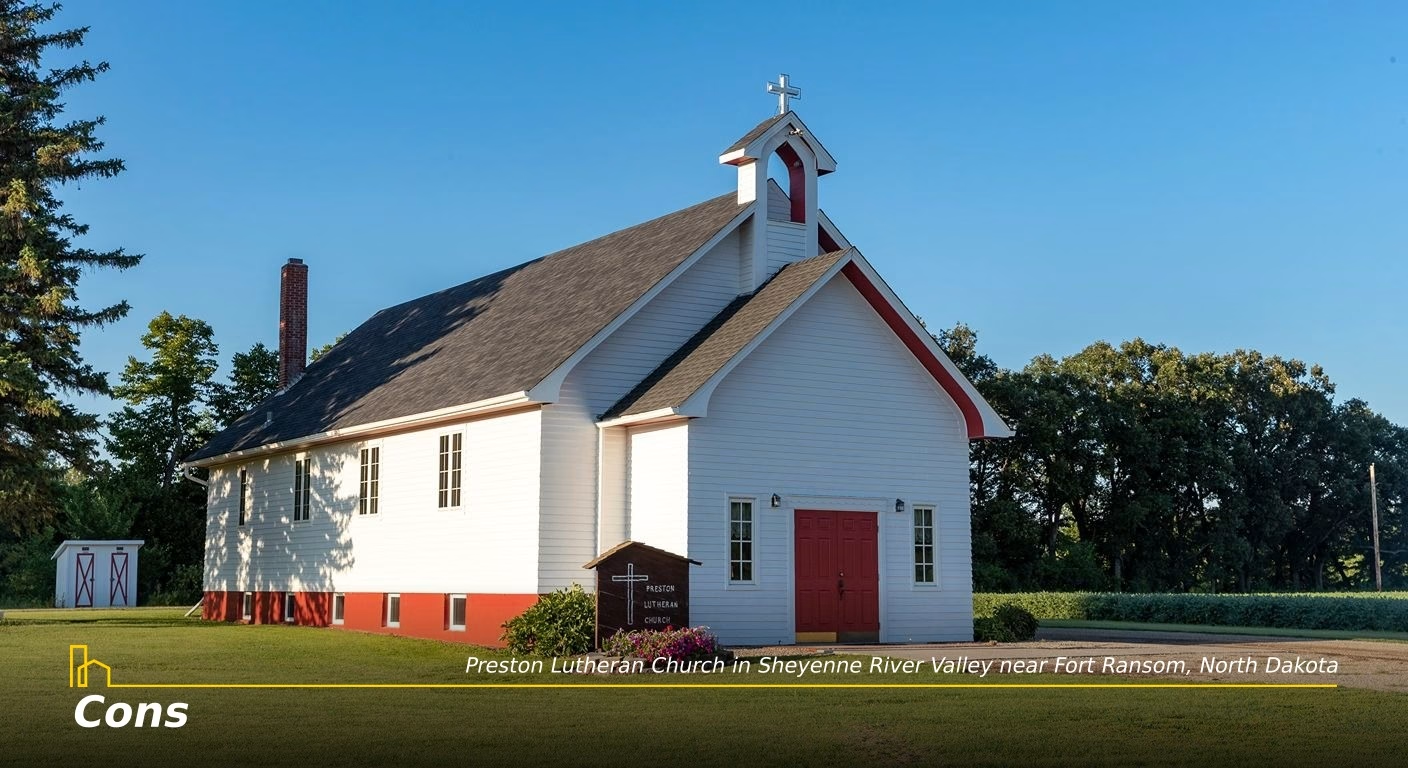
A. Extreme Weather Conditions: This climate presents significant challenges, particularly during winter months. The state experiences some of the coldest temperatures in the continental U.S., with winter temperatures regularly dropping below zero and wind chills reaching dangerous levels. Heavy snowfall and blizzard conditions can make travel difficult and require substantial preparation. The lengthy, dim winters can also affect mood and mental health for those unaccustomed to such conditions.
B. Geographic Isolation: Located far from major metropolitan centers, living here requires significant travel for many services and amenities. Access to specialized healthcare, major cultural events, and international airports often involves driving several hours or taking connecting flights. This isolation can be challenging for those valuing proximity to large cities or frequent travel.
C. Limited Cultural and Entertainment Options: While metros offer quality amenities, it lacks the cultural diversity and entertainment options found in developed areas as a whole. Limited options for fine dining, professional sports, major concerts, and cultural institutions mean locals may need to travel for certain experiences. A smaller population also means fewer niche communities and specialized services.
D. Workforce Housing Challenges in Boom Areas: During energy booms, certain areas experience significant housing shortages and inflated costs. While remaining affordable overall, communities in the Bakken region can face temporary housing crises that strain local infrastructure and make finding affordable housing challenging for new residents.
E. Limited Diversity: This part of the Midwest contains less racial and ethnic diversity compared to national averages. This can mean fewer international cuisine options, cultural festivals, and diverse perspectives in daily life. Those accustomed to multicultural environments may find the state’s homogeneity challenging.
Related article
Best North Dakota Cities for Young Professionals
1. Grand Forks
HOMEiA Score: 82/100
- Cost of Living: About 10% below U.S. average
- Monthly Rent: Roughly $950
- Home price to income ratio: Approximately 3.8:1
- Income to rent ratio: Around 63x
- Safety rating: 72/100
Home to the University of North Dakota, Grand Forks offers a youthful, educated atmosphere with opportunities in education, healthcare, and aerospace. The city’s affordable cost of living makes it easy for Gen-Z and Millennials to establish themselves, while the university provides cultural events and continuing education opportunities. GF’s established identity and growing downtown make it an attractive option for those starting their careers.
2. Bismarck
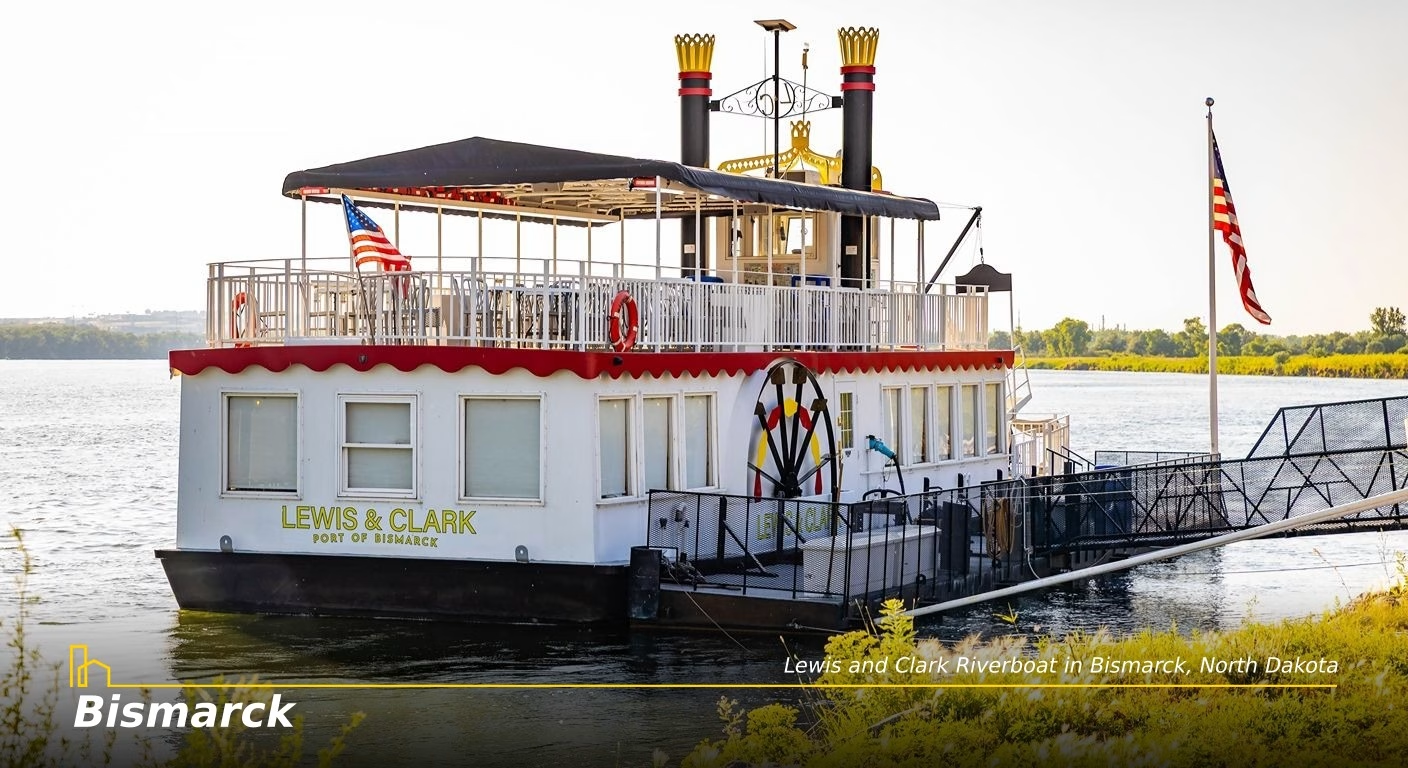
HOMEiA Score: 85/100
- Cost of Living: About 5% below U.S. average
- Monthly Rent: About $1,050
- Home price to income ratio: About 4.0:1
- Income to rent ratio: Approximately 60x
- Safety rating: 78/100
As the state capital, Bismarck is filled with government employment alongside opportunities in healthcare, energy, and education. The city provides a balanced lifestyle with access to outdoor recreation along the Missouri River, a growing downtown scene, and necessary healthcare facilities. Young professionals appreciate the city’s manageable size, substantial job market, and proximity to outdoor activities while enjoying the benefits of capital city amenities.
3. Fargo
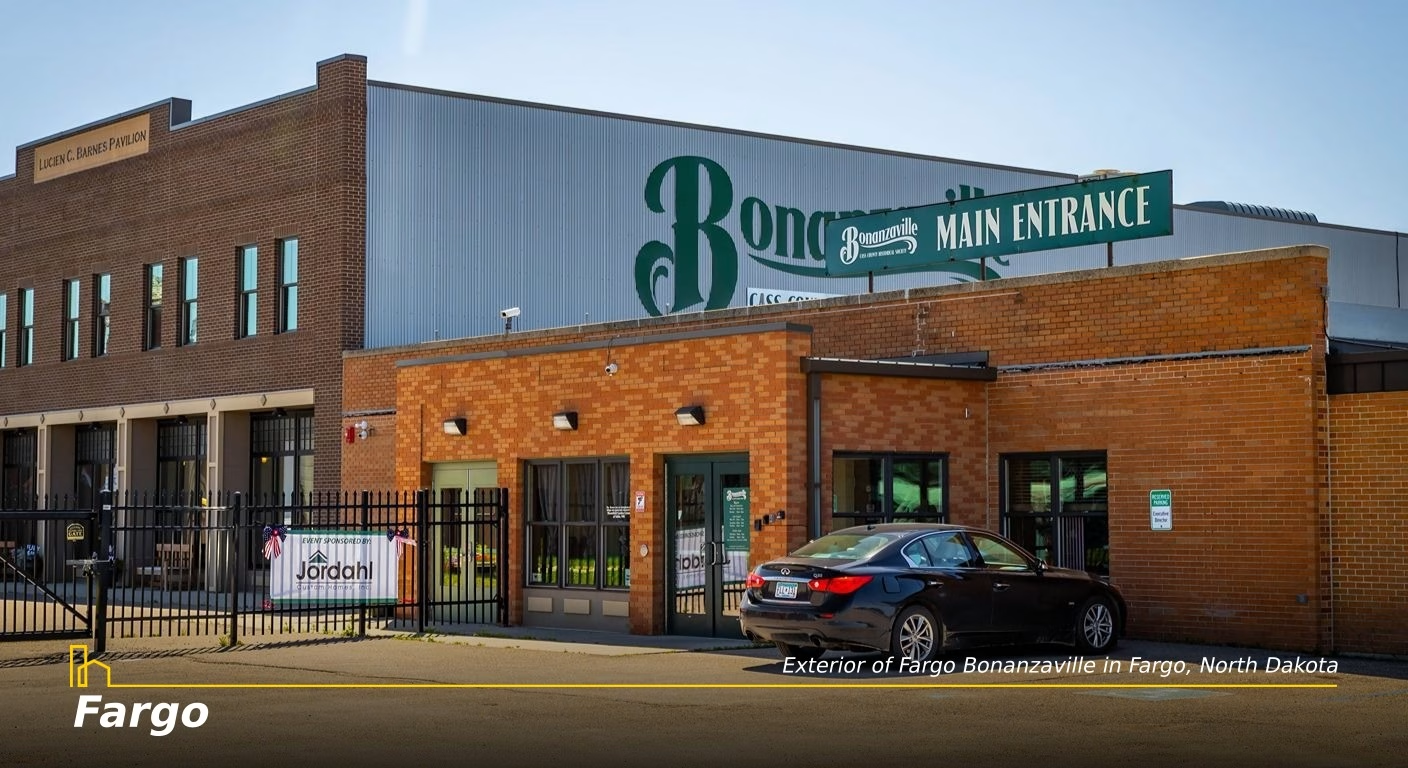
HOMEiA Score: 88/100
- Cost of Living: Approximately 8-10% below U.S. average
- Monthly Rent: Around $1,100
- Home price to income ratio: About 4.2:1
- Income to rent ratio: Approximately 58x
- Safety rating: 75/100
As North Dakota’s largest city, Fargo serves as the state’s economic and cultural hub, offering the most diverse job market. Recent college grads find opportunities in innovation, healthcare, education, and finance. The city boasts a vibrant downtown with breweries, restaurants, and cultural events, plus access to North Dakota State University for continuing education and networking. With a growing tech scene and strong entrepreneurial spirit, Fargo provides standout career opportunities while maintaining affordability and quality of life.
Recommended for you




Best North Dakota Communities for Families with Young Kids
1. Dickinson
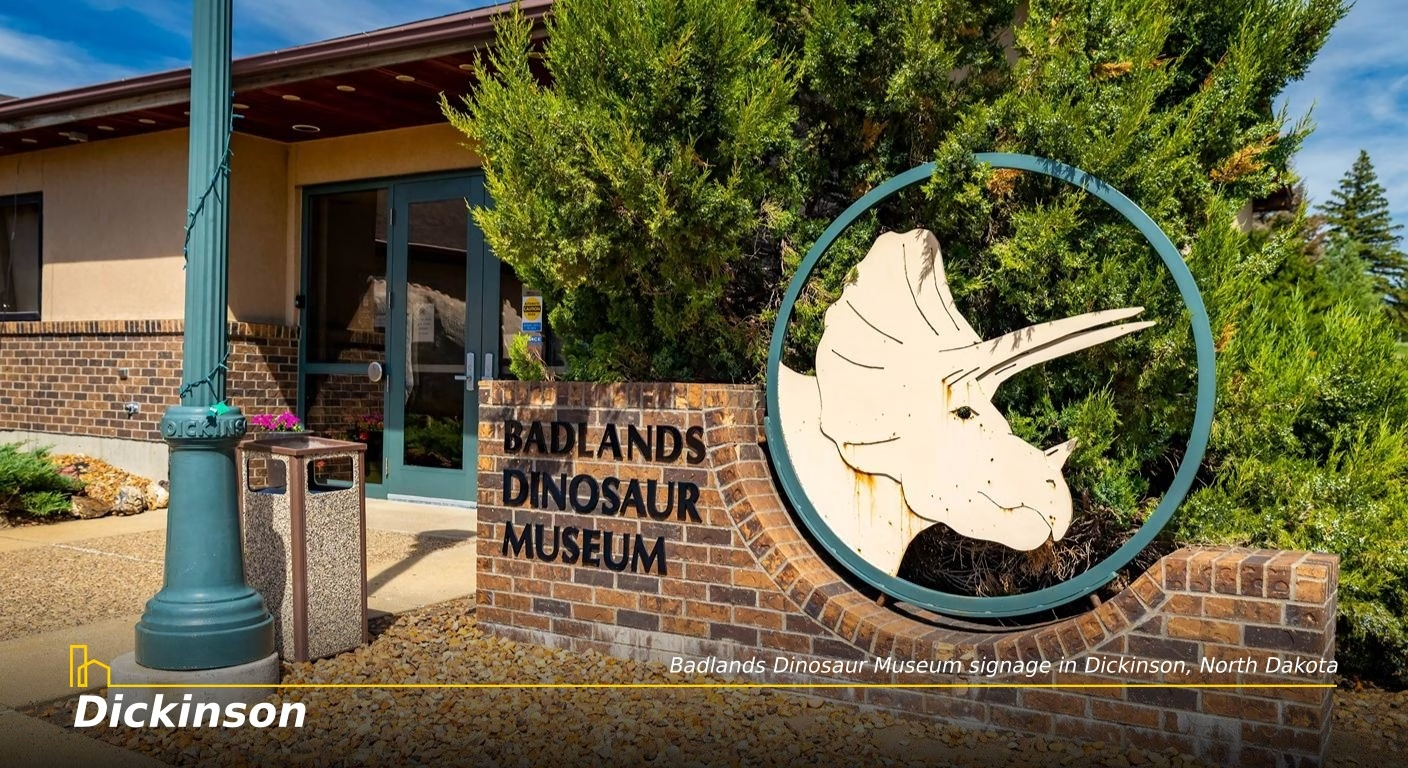
HOMEiA Score: 83/100
- Cost of Living: Around 8% below U.S. average
- Monthly Rent: Approximately $900
- Home price to income ratio: About 3.5:1
- Income to rent ratio: Around 67x
- Safety rating: 74/100
In the scenic Badlands region, Dickinson offers an affordable, family-oriented community with strong economic opportunities. The city boasts quality schools, community centers, and access to outdoor recreation in Theodore Roosevelt National Park. Families are attracted to the affordable cost of living, strong job market, and tight-knit community atmosphere that characterizes this western North Dakota city.
2. Mandan

HOMEiA Score: 86/100
- Cost of Living: Approximate 6% below U.S. average
- Monthly Rent: Around $1,000
- Home price to income ratio: About 3.7:1
- Income to rent ratio: Approximately 60x
- Safety rating: 76/100
Across the Missouri River from Bismarck, Mandan offers a family-friendly community with well-respected schools and abundant recreational opportunities. The city provides access to Fort Abraham Lincoln State Park, numerous community events, consistently exuberating local pride. Families appreciate the safe neighborhoods, quality schools, and proximity to Bismarck’s employment opportunities while enjoying a more relaxed, community-focused atmosphere.
3. West Fargo
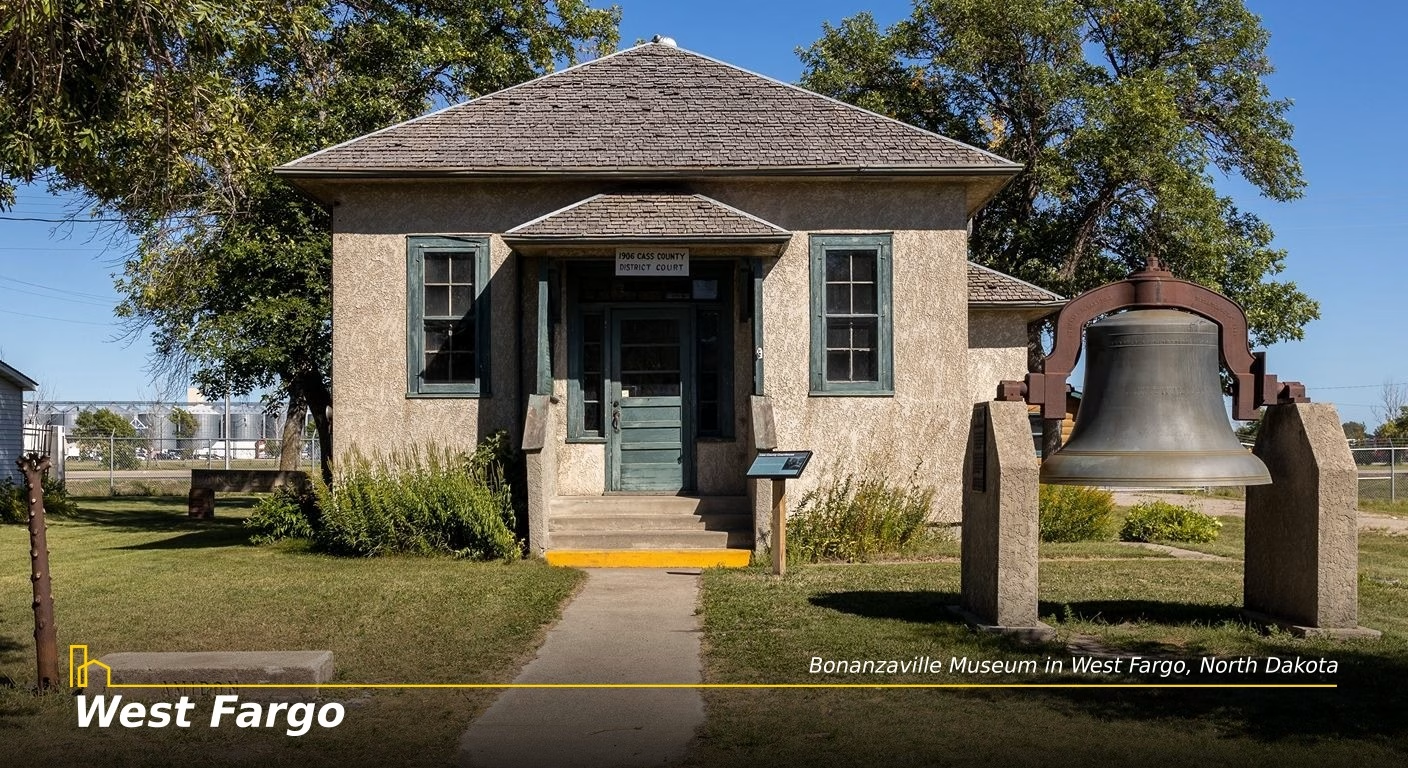
HOMEiA Score: 90/100
- Cost of Living: Around 7% below U.S. average
- Monthly Rent: Approximately $1,150
- Home price to income ratio: About 3.9:1
- Income to rent ratio: Around 56x
- Safety rating: 80/100
Located adjacent to Fargo, West Fargo has become a premier choice for families seeking top-tier education, safe neighborhoods, and community amenities. The city offers highly-rated public schools, numerous parks and recreational facilities, and family-friendly events throughout the year. With a plethora of job opportunities in the Fargo metro area and a focus on community development, WF provides an ideal environment for raising children while maintaining access to urban amenities.
Related article
Best Places to Retire in North Dakota
1. Jamestown
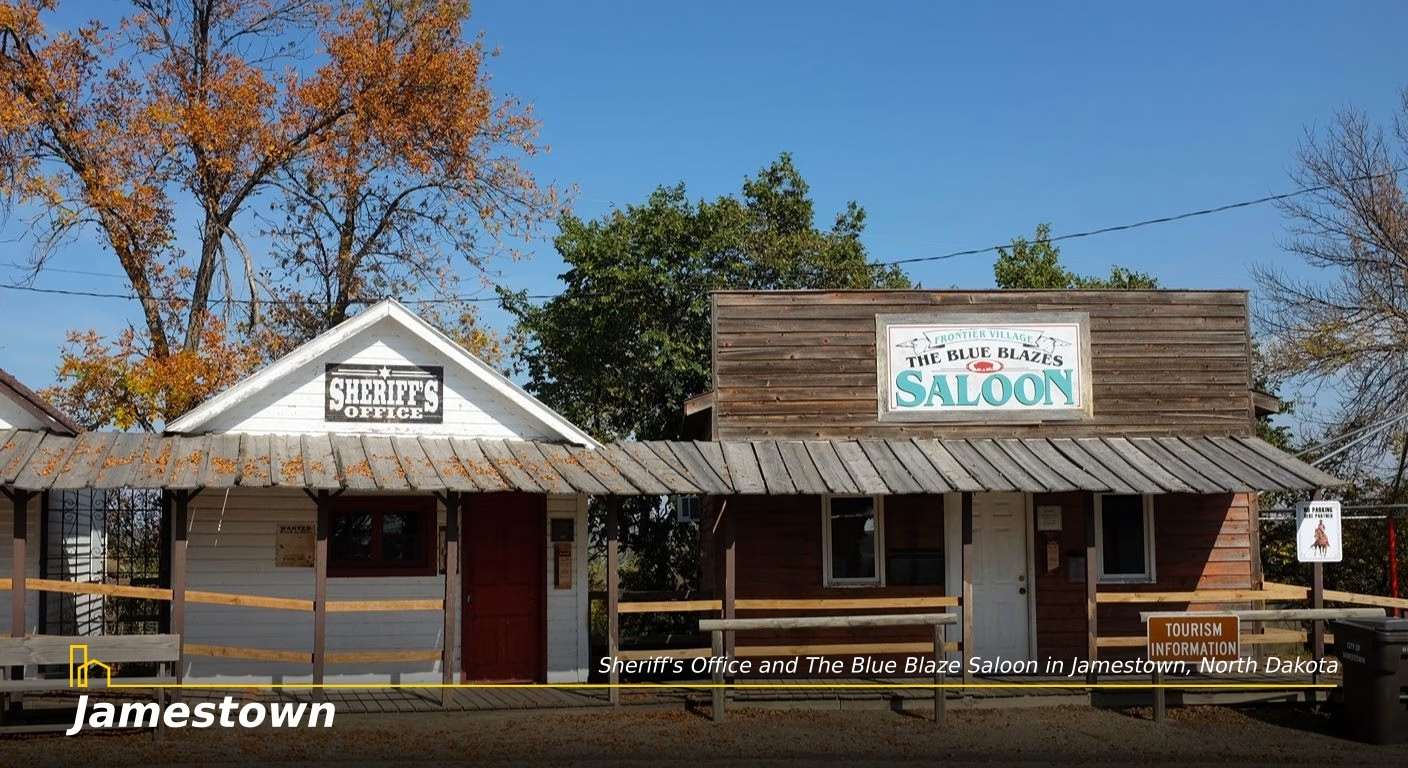
HOMEiA Score: 81/100
- Cost of Living: Approximately 10-12% below U.S. average
- Monthly Rent: Around $800
- Home price to income ratio: About 3.3:1
- Income to rent ratio: Approximately 75x
- Safety rating: 70/100
For those seeking affordability and a well-established community, Jamestown offers an attractive option. The city provides quality healthcare through Jamestown Regional Medical Center, numerous senior programs, and access to outdoor recreation at nearby lakes and parks. Those appreciate the low cost of living, friendly atmosphere, and community events that create an engaging retirement experience. For other retirement options, explore the best places to retire in Minnesota.
2. Fargo
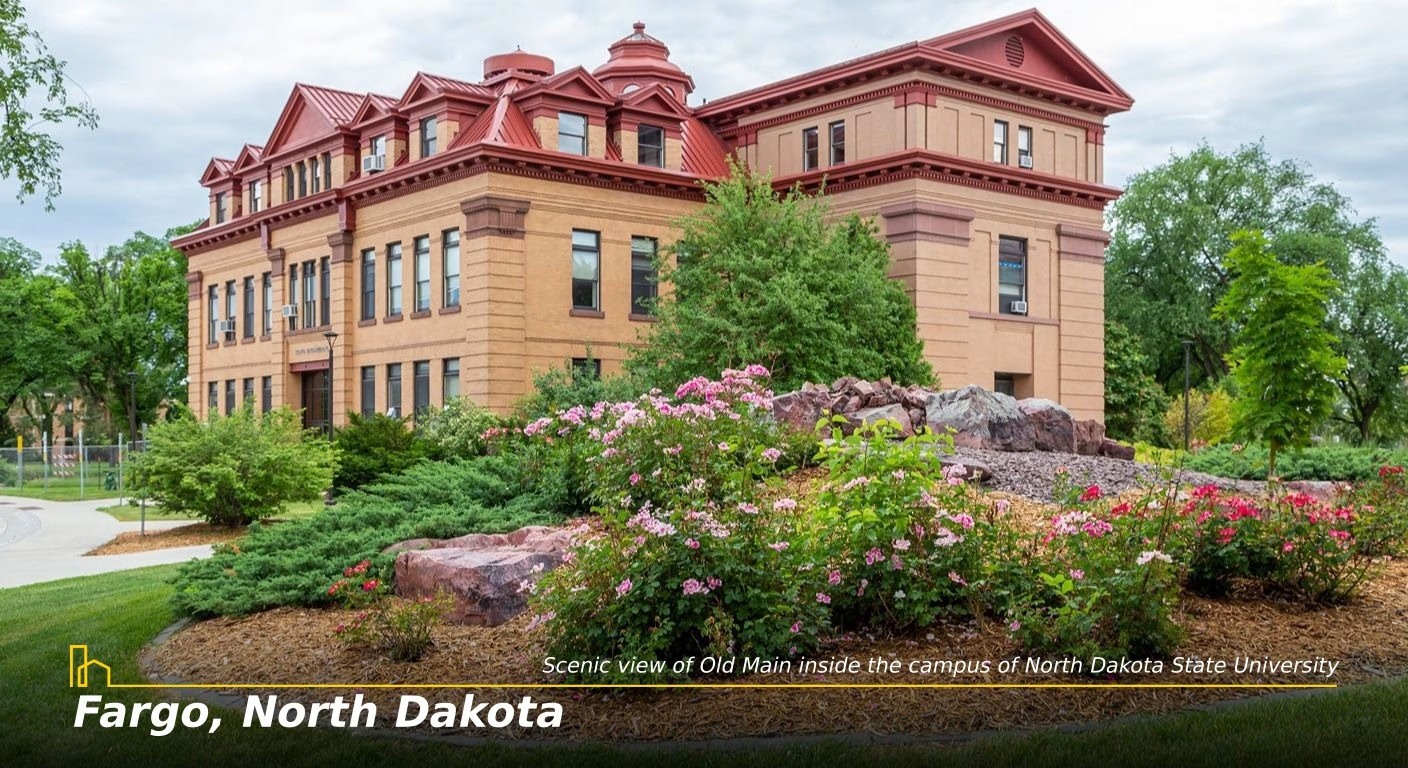
HOMEiA Score: 84/100
- Cost of Living: About 8% below U.S. average
- Monthly Rent: About $1,100
- Home price to income ratio: Approximately 4.2:1
- Income to rent ratio: Around 58x
- Safety rating: 75/100
Fargo offers those celebrating their golden years the most comprehensive amenities in the state, including exceptional healthcare through Sanford Health, cultural opportunities at NDSU, and a vibrant arts scene. The city provides numerous senior living options, active adult communities, and lifelong learning opportunities. Many enjoy the city’s walkable neighborhoods, diverse dining options, and access to quality healthcare while maintaining affordability.
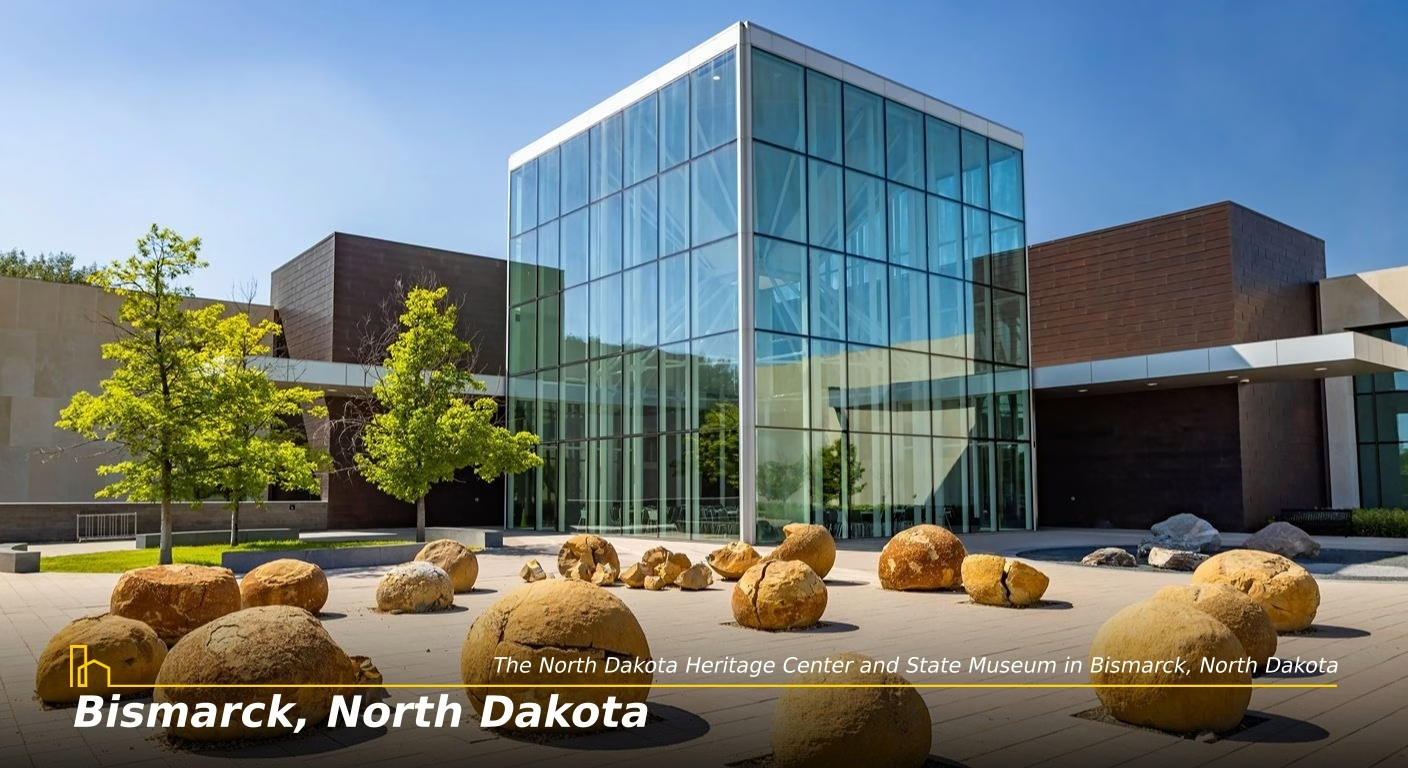
3. Bismarck
HOMEiA Score: 85/100
- Cost of Living: About 5% below U.S. average
- Monthly Rent: Around $1,050
- Home price to income ratio: About 4.0:1
- Income to rent ratio: Approximately 60x
- Safety rating: 78/100
For retirees seeking stellar healthcare, cultural amenities, and an active lifestyle, Bismarck is a top choice. It offers outstanding medical facilities through Sanford Health and CHI St. Alexius Health, numerous senior centers and programs, and access to outdoor recreation along the Missouri River. Golden agers appreciate its manageable size, low crime rate, and variety of activities while benefiting from the state’s tax-friendly policies for retirees.

Related article
The 3 Most Affordable Neighborhoods to Live in Grand Forks, North Dakota
Grand Forks blends affordability with quality living in neighborhoods like the historic North End, lively Downtown, and the University Area. Each offers unique character, community spirit, and budget-friendly housing. The city proves that small Midwestern towns can provide connection, opportunity, and urban amenities without the high cost of big cities…
North Dakota Lifestyle: Community, Recreation, and Culture

A. Community and Social Life: North Dakotan lifestyle is characterized by strong community bonds and neighborly values. Those who call it home take pride in their communities and actively participate in local events, from summer festivals to winter celebrations. Their cozy population creates close-knit communities where people know their neighbors and support local businesses. This sense of belonging and mutual support defines the North Dakota experience.
B. Outdoor Recreation: Recreation is central to their way of life, with people embracing outdoor activities year-round. Summer brings fishing, boating, hiking, and camping in the state’s beautiful parks and along the Missouri River system. Fall offers exceptional hunting opportunities, while winter transforms the landscape for snowmobiling, ice fishing, and cross-country skiing. The state’s varied geography, from prairies to badlands, provides diverse recreational opportunities.
C. Cultural Events and Traditions: While it may lack major metropolitan cultural institutions, rich local traditions and events are apparent. Communities celebrate their heritage through ethnic festivals, county fairs, and seasonal events. Scandinavian and German roots are evident in local customs and cuisine, while Native American culture adds depth to this cultural landscape.
D. Sports and Community Activities
High school sports are major community events in North Dakota, with NCAA D1 college football (NDSU) and hockey (UND) drawing significant local support. Community activities often center around local schools, churches, and civic organizations, creating opportunities for social connection and community involvement across all age groups.
Conclusion: Is North Dakota Right for Your Lifestyle?
North Dakota’s appeal lies in its strong economy, affordable living, excellent quality of life, and tight-knit communities. Whether you’re building a career in Fargo’s growing tech sector, raising a family in West Fargo’s nationally-ranked schools, or enjoying an active retirement in Bismarck, it presents a compelling case if you can adapt to its climate challenges and geographic isolation.
ND offers exceptional economic opportunities, family-friendly communities, and outdoor recreation that can provide a high quality of life for those who value stability, affordability, and community connection. However, the treacherous winters, limited cultural amenities, and distance from major metropolitan areas require careful consideration.
Weigh the benefits of economic stability and community values against the challenges of climate and isolation before deciding if the 39th state aligns with your personal and professional goals. For those still considering their options, our guide on essential steps for moving to a new city is a great resource.
Recommended for you




FAQs About Living in North Dakota
1. What is the cost of living in North Dakota compared to other states?
North Dakota’s cost of living is around 10%-15% below the national average, driven largely by lower housing costs and affordable utilities. Some areas, notably Williston, have a higher cost of living due to energy booms, but overall, the state remains an affordable choice for residents.
2. How severe are the winters really?
Winters are among the coldest and harshest in the continental U.S., with temperatures often below zero, significant snowfall, and strong wind chills. They typically last from November through March, with January and February being the coldest months. Preparation for these conditions is essential.
3. Is North Dakota a good place for families?
Yes, the Peace Garden State ranks highly for families due to its quality education, low crime rates, tight community bonds, and plentiful outdoor recreational activities, creating a safe and nurturing environment for children.
4. What are North Dakota’s job prospects?
Job prospects are bountiful, with one of the lowest unemployment rates in the nation. Key sectors include energy, agriculture, healthcare, technology, and education. The business-friendly climate supports entrepreneurship and career growth.
5. How is healthcare access across the state?
Major cities including Fargo and Bismarck provide standout healthcare services through large medical systems. Rural areas have more limited options, often requiring travel to these urban centers for specialized care. Overall, healthcare quality is good in urban areas.
6. What are the best outdoor activities in North Dakota?
Popular activities include fishing, hunting, hiking, camping, snowmobiling, and ice fishing, supported by numerous parks, lakes, and natural areas throughout the state.
The Flickertail State is known for strong community values, friendly residents, and a small-town atmosphere even in larger cities. Cultural life centers on local events, sports, ethnic festivals, and seasonal outdoor activities.
Share