






This year kitchen design prioritizes sustainability and ethical sourcing over aesthetics. Countertops have become key indicators of environmental integrity, evaluated through full lifecycle analysis—from origin and embodied energy…
Sustainable Residential Architecture: How to Design an Energy-Efficient Home That Still Looks Beautiful
- Local Editor:Local Editor: The HOMEiA Team
- Category: Home Improvement
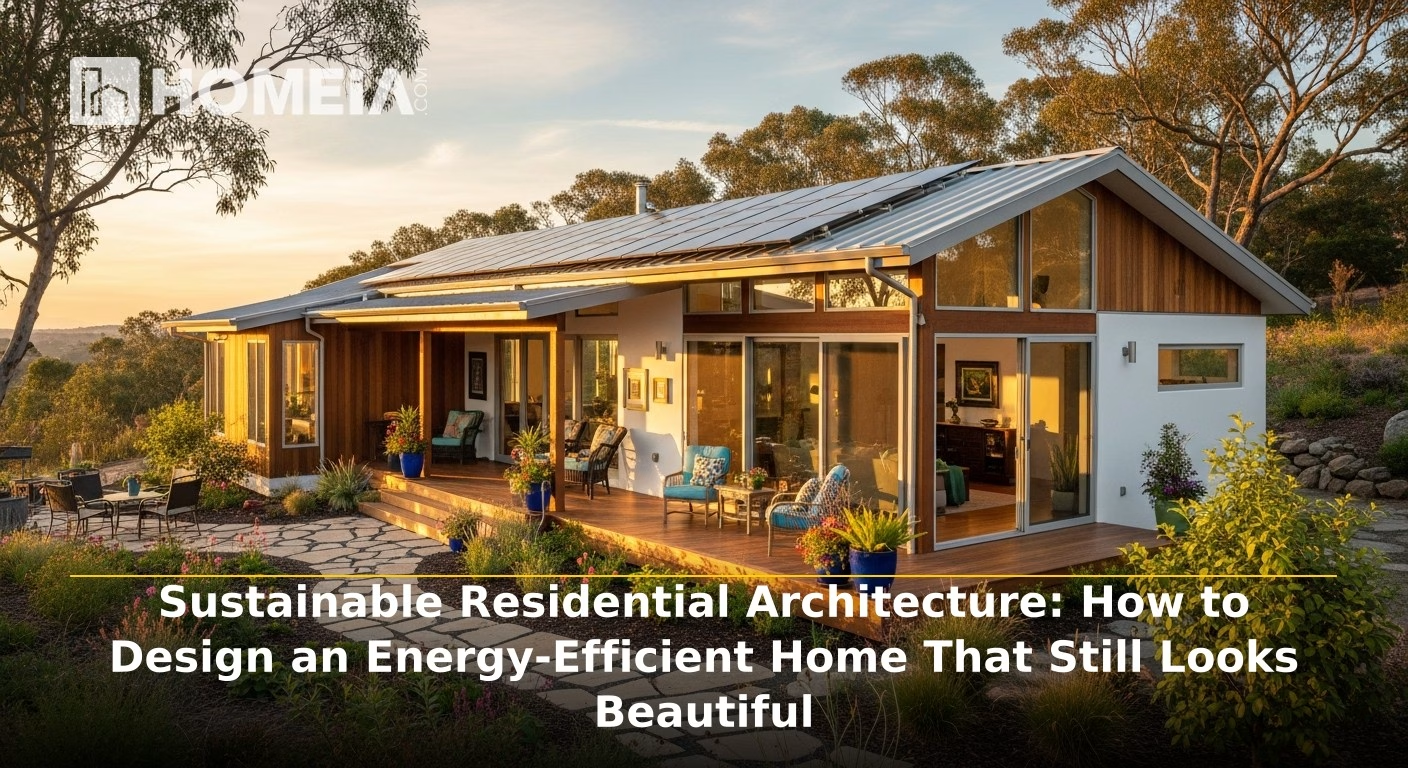
Sustainable Residential Architecture: You want a home that’s kind to the planet and your utility bills, but worry it might end up looking like a stark, boxy experiment. The days of choosing between beauty and efficiency are over. Today, successful sustainable homes are inviting, beautiful, and work in harmony with their environment.
So, how does one design a sustainable, energy-efficient home that still looks beautiful? By prioritizing a high-performance building envelope, utilizing strategic window placement, integrating passive design principles, and choosing durable, sustainable materials. Using advanced visualization tools, like 3D animation architecture, can help you and your architect fully experience the design and its integration with the site before construction begins. The result is a home that is efficient, comfortable, and can be designed in any style you love. This guide will walk you through the key decisions, from the fundamentals of the building envelope to the graceful integration of solar panels.
Key Takeaways for Beautiful, High-Performance Design
Sustainable architecture is focused on maximizing a home’s performance from the inside out. The core principle is the building envelope, which must be extremely well-insulated and air-sealed to create a quiet, comfortable, and efficient barrier against the elements.
Successful design harnesses the natural environment: placing windows strategically to use the sun for free winter heat and daylighting, along with incorporating passive design elements like thermal mass and natural cross-ventilation for stability. Desirable aesthetics are achieved by selecting durable, low-embodied carbon materials and seamlessly integrating technology like solar panels and smart controls. The outcome is a home with low operating costs and high experiential comfort.
1. Get the Envelope Right First
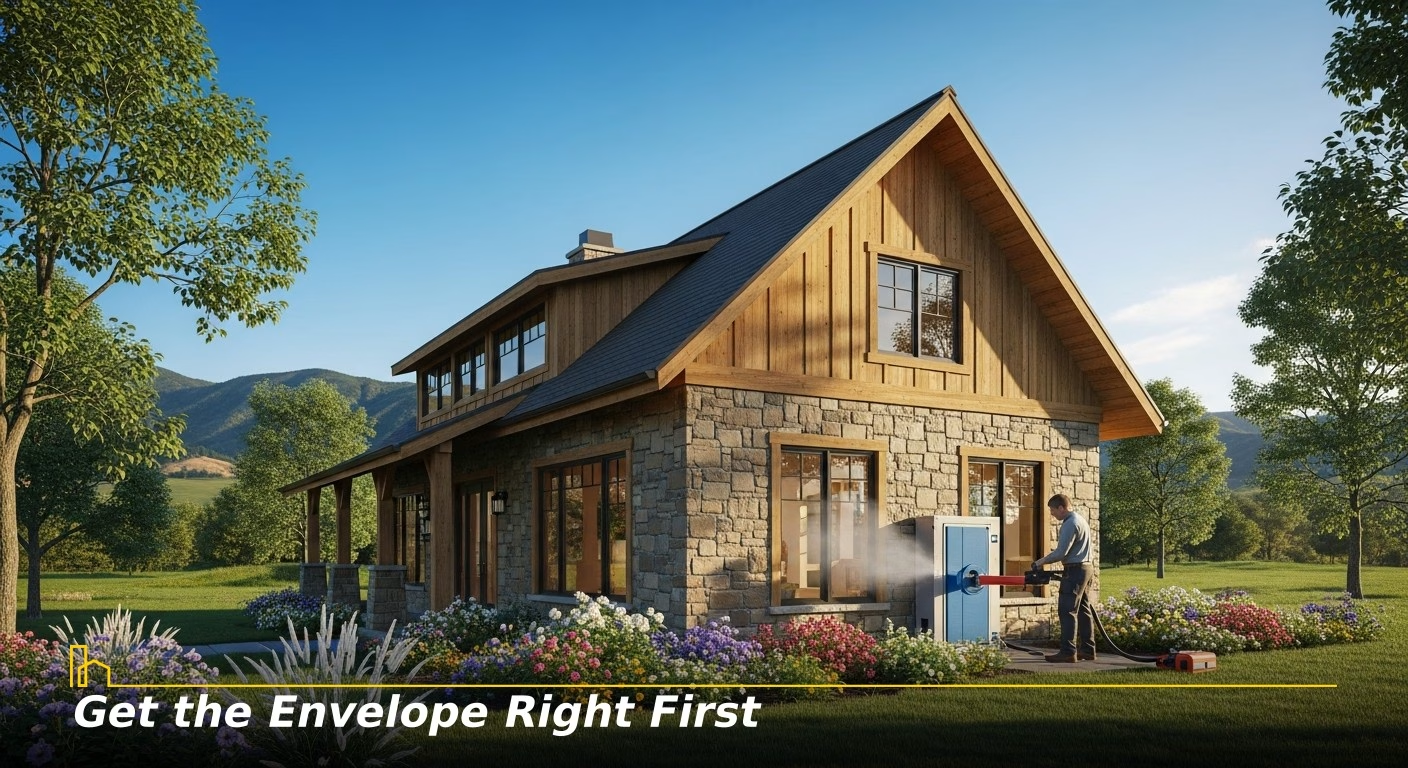
Arguably the most critical component of an energy-efficient home is the building envelope. Think of it as your home’s skin—a continuous barrier of your roof, walls, windows, doors, and foundation. Right, well-insulated envelopes are the greatest factor in achieving comfort, quiet, and low energy bills. This performance happens behind the scenes, allowing for any aesthetic.
A. Insulation and Air Sealing: The Dynamic Duo
It’s not only about the amount of insulation; it’s about its consistency and how well they’re sealed.
- Insulation (R-Value): R-Value measures resistance to heat flow. The higher the R-Value, the better it insulates. Architects will specify the right type and R-Value for your climate to create a continuous thermal layer without weak spots.
- Air Sealing: This is crucial, as drafts through small cracks can undermine even the best insulation. A professional blower door test finds and seals these leaks. A tight house is a quiet, comfortable, and efficient house.
B. High-Performance Windows and Doors
Windows are the weakest link in the thermal envelope.
- Look for double or triple-pane glazing with low-emissivity (low-E) coatings that reflect heat.
- The frame material—fiberglass, vinyl, or wood-clad—also impacts performance.
C. 4 Design Tips for a Beautiful, High-Performance Envelope:
- Embrace Classic Proportions. A well-insulated wall can be finished with traditional lap siding or elegant shingles, accommodating deep window sills adding character.
- Consider a Roof with Presence. Highly insulated roofs can have pleasing pitches and overhangs, whether for a Craftsman bungalow or a modern shed roof.
- Select Windows for Style and Performance. Choose casement windows for a modern look or double-hungs for a traditional feel—but ensure they have high-performance glazing.
- Insulate the Foundation. Properly insulating your foundation eliminates a major cold spot, making floors warmer and the home more comfortable.
Related article
2. Window Placement, Daylighting, and Shading
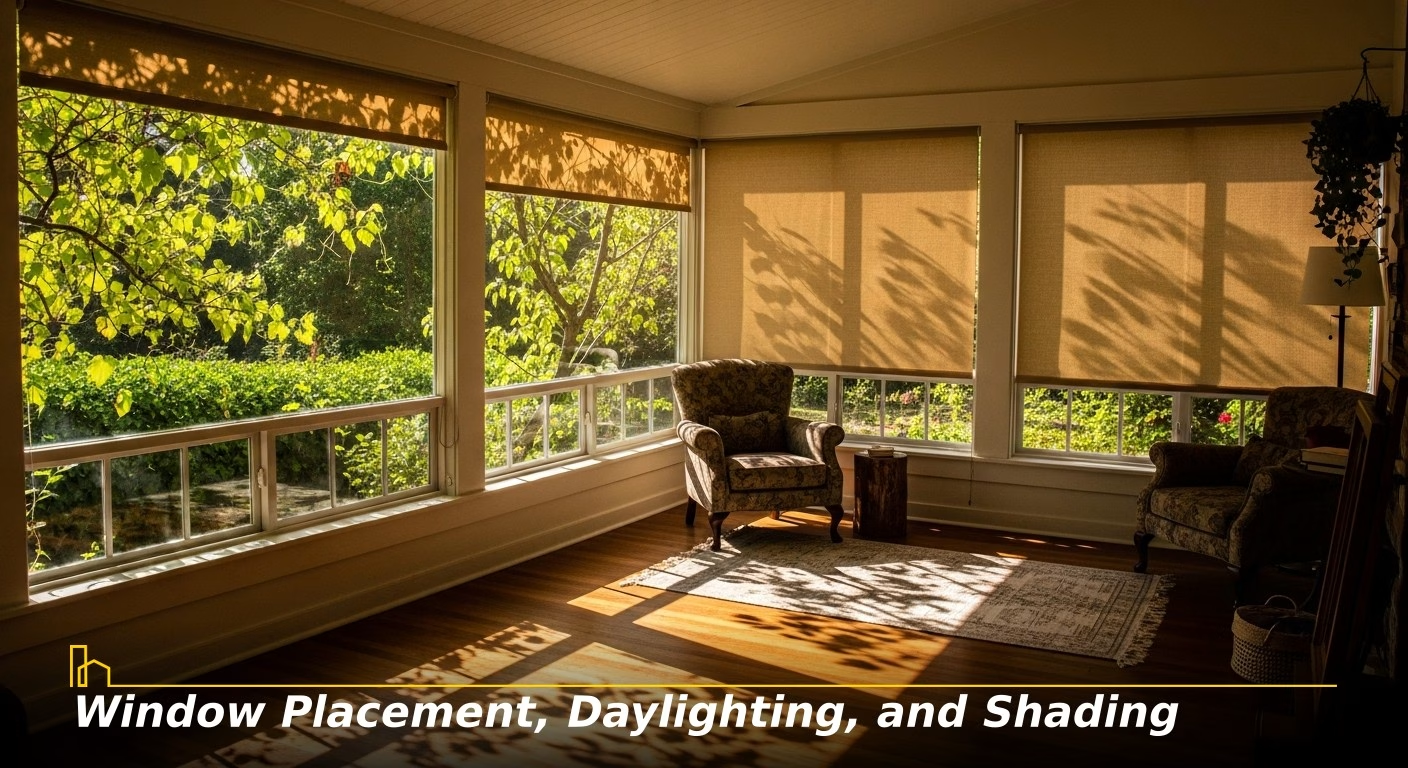
When placed strategically, windows flood an interior with natural light and can provide free solar heat. When done poorly, they create glare and overheat rooms.
A. Harness the Sun’s Path
Your architect will analyze your site’s orientation to inform window placement.
- South-Facing Windows: Ideal in most U.S. climates. The low winter sun provides free heat, while a simple roof overhang creates summer shade.
- West-Facing Windows: Challenging. Intense afternoon sunlight leads to overheating and requires careful shading.
- North/East-Facing Windows: Provide soft, consistent light with little solar heat gain, perfect for rooms like studios.
B. Shading That Enhances Character
Shading is a major design opportunity.
- Fixed Overhangs: A deep porch or roof eave is a classic feature providing perfect shade.
- Pergolas and Trellises: These support deciduous vines casting shade in summer and shed leaves in winter.
- Operable Shades: Exterior rolling shades offer flexible control.
- Landscaping: A deciduous tree on the west side is a beautiful, natural sunblock.
3. Passive Design Strategies That Don’t Look “Techy”
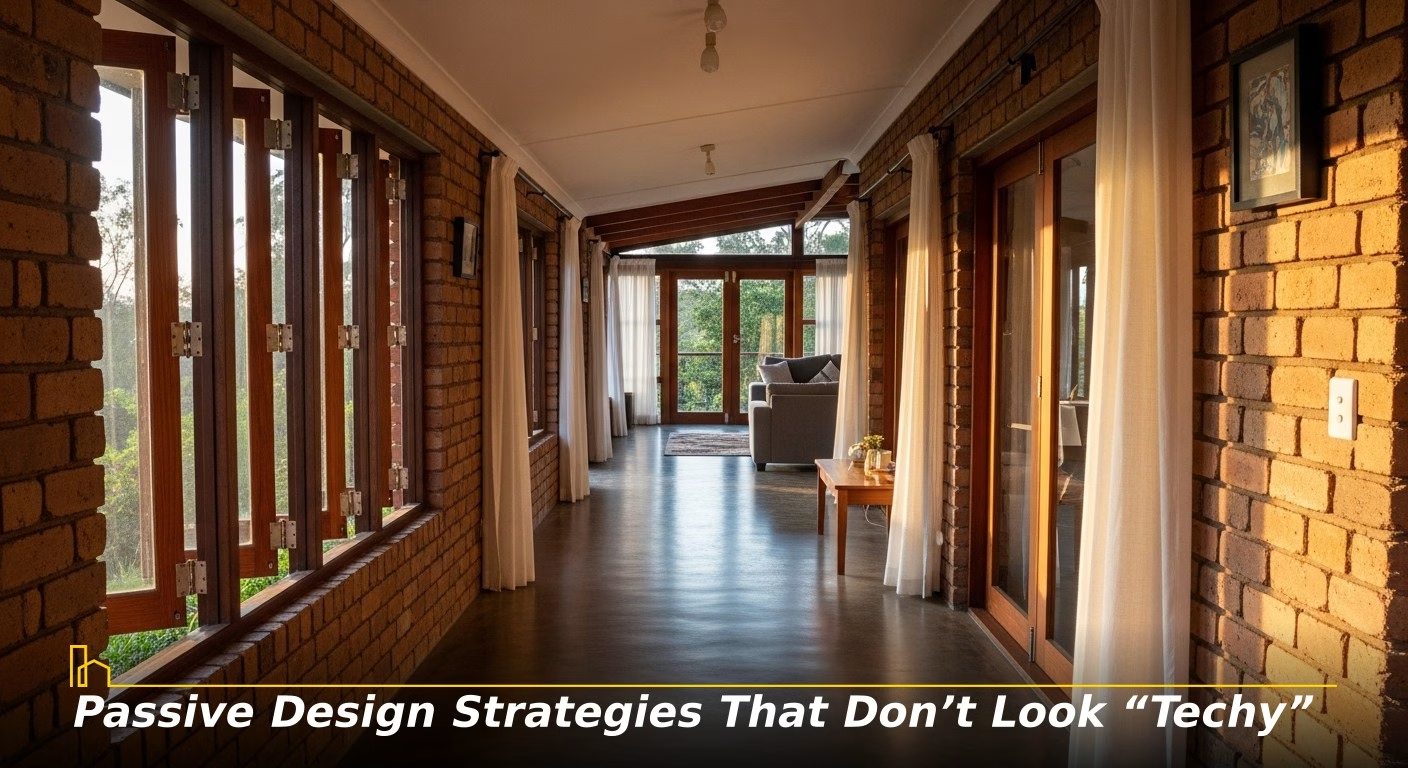
Passive design uses the sun, wind, and the home’s form to maintain comfort with little mechanical assistance. It’s completely invisible when done well.
A. Using Thermal Mass for Temperature Stability
Thermal mass refers to dense materials that absorb, store, and slowly release heat.
- A concrete floor or interior brick wall exposed to the winter sun will soak up heat during the day while radiating back at night.
- This is a beautiful, timeless material used intelligently.
B. Designing for Breezes
Your architect can place operable windows to create cross-ventilation, pulling cool air through the home on a pleasant day.
- This could mean designing a central hallway acting as a “wind tunnel” or using clerestory windows to let hot air escape.
C. Considering the Home’s Form
A more compact shape has less surface area for heat to escape.
- This doesn’t mean a boring box. You can create a compact core for efficiency and extend wings or porches to capture views.
- The goal is an intentional layout that avoids a sprawling, inefficient footprint.
Recommended for you




4. Integrating Solar and Smart Controls Gracefully
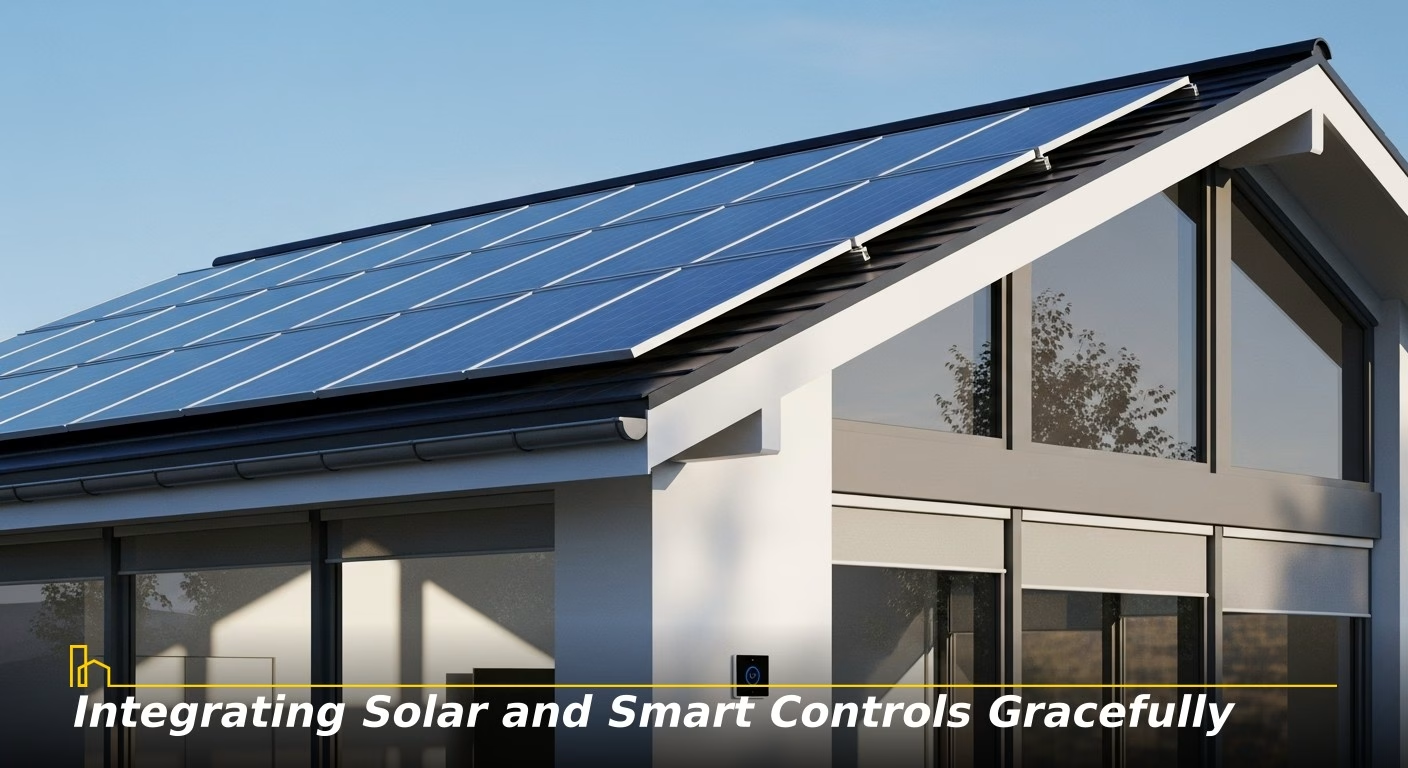
With thoughtful design, solar panels and smart systems can be seamlessly integrated.
A. Solar Panels: Out of Sight, or In Plain Sight?
Roof-Mounted Photovoltaics (PV): Here is the most common approach. The key is integration during the design phase.
- Placement is everything. Panels can be installed on a rear roof plane not visible from the street.
- Align with roof lines. Panels laid flush with the roof surface look far more integrated.
- Building-Integrated Photovoltaics (BIPV): For a streamlined look, solar shingles or standing-seam metal solar roofs function as both the roofing material and power generator.
B. The Invisible Brains: Smart Controls
Modern home management systems are designed to be unobtrusive.
- Smart Thermostats and Zoned HVAC: These learn your schedule and adjust temperatures for efficiency. Any complex equipment is tucked away in a basement or mechanical closet.
- Automated Shades: Motorized shades can be programmed to lower with the sun and are hidden within window casings when not in use.
- The technology that makes your home smart and efficient can be discreet.
5. Material Choices: Sustainable, Durable, and Beautiful
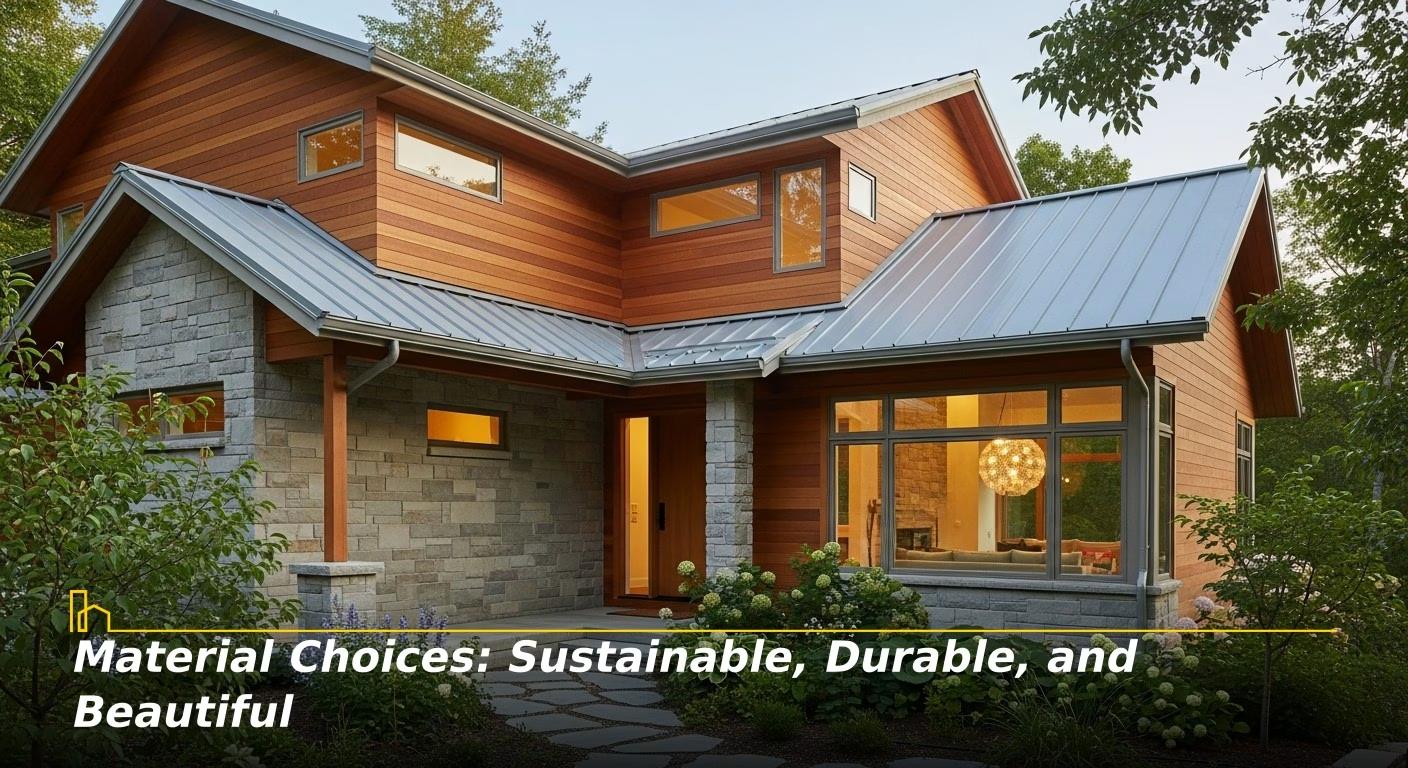
Materials chosen impact your home’s look, long-term footprint, and maintenance needs. Sustainable materials are often more durable and healthier.
A. Balance These Three Factors:
- Durability & Low Maintenance: Materials lasting 50 years are more sustainable than one replaced every 10.
- Embodied Carbon: This is the total carbon emissions from a material’s lifecycle. Locally sourced, natural materials typically have less.
- Aesthetics: These should look and feel right for your home’s style.
B. Practical Material Examples:
- Exterior Cladding: Fiber-cement siding, engineered wood, and metal panels are all exceptional, durable choices.
- Roofing: Standing-seam metal roofs are durable, recyclable, and reflect solar heat.
- Interior Finishes: Use low-VOC paints and adhesives for better indoor air quality. Reliable wood flooring and natural stone are durable and beautiful.

Related article
Top 12 Tips for Eco-Friendly Gardening Year-Round
Gardening is not just a hobby – it is a way of life. For many, tending to plants and watching them grow is therapeutic. But as we become more environmentally conscious, there’s a growing need to ensure our gardening practices are sustainable…
6. Designing for Resale and Long-Term Value
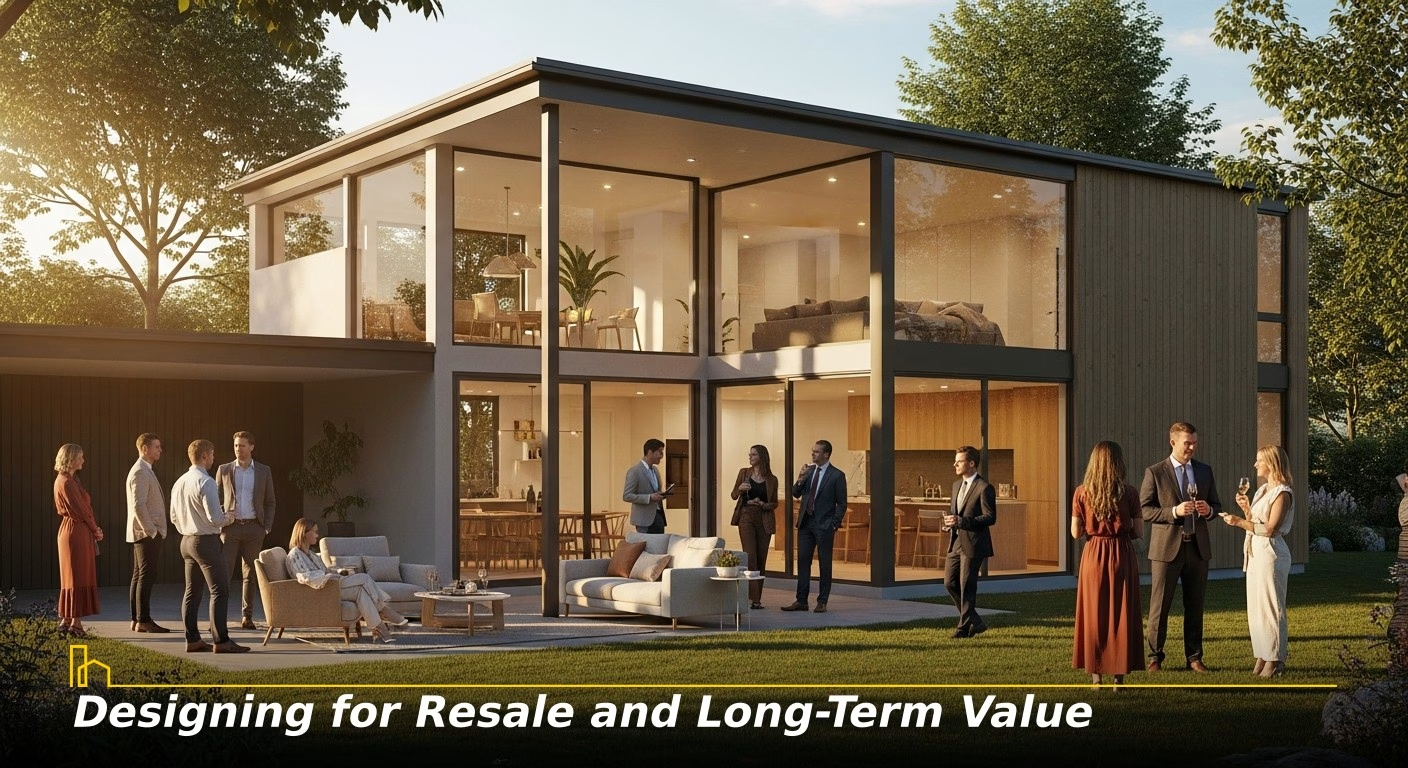
An energy-efficient, beautifully designed home is a smart financial decision.
- Lower Operating Costs are a Powerful Selling Point. Showing potential buyers significantly lower annual costs is a concrete advantage.
- Experiential Benefits Sell. Comfort of even temperatures, quiet, and abundance of natural light are features people immediately appreciate.
- Avoid Overly Niche Design. The strategies we’ve discussed create a home that is fundamentally better, not freakish. A beautiful, efficient home has broad, lasting appeal.
7. Questions to Ask Your Architect or Designer

Come to your initial meetings prepared. These questions will help you gauge your architect’s commitment to sustainable, beautiful design:
- “How will you optimize our building envelope for this specific site and climate?”
- “What passive design strategies do you recommend?”
- “Can we discuss window placement to maximize light and minimize overheating?”
- “How can we integrate solar without compromising curb appeal?”
- “What durable, sustainable material options fit our style and budget?”
- “What is your experience with projects targeting certifications like ENERGY STAR?”
- “How will you ensure my home is properly air-sealed?”
- “How will the design contribute to our long-term comfort and low bills?”
Conclusion: Designing a sustainable, energy-efficient home doesn’t require sacrificing beauty. By prioritizing the building envelope for maximum performance and integrating smart, passive strategies including strategic window placement and thermal mass, you ensure comfort and efficiency behind the scenes. Choosing durable, low-impact materials and seamlessly incorporating technology like BIPV panels ensures lasting value and curb appeal. The result is a fundamentally better home—one that is both financially and environmentally sound.
Recommended for you




FAQs about Sustainable Residential Architecture
1. Is sustainable residential architecture always more expensive? A: Not always. While some components have a higher upfront cost, savings are found on monthly bills. Efficient designs can also allow for a smaller, less expensive HVAC system.
2. Can I retrofit an existing home without changing the style? A: Absolutely. Renovations are perfect opportunities to upgrade insulation, air sealing, and windows while maintaining the home’s original character.
3. How do I know if my architect understands energy-efficient design? A: Look for a portfolio of high-performance homes and ask the questions listed above. A knowledgeable architect will discuss these concepts clearly.
4. What’s the difference between a Net-Zero home and a Passive House? A: A Net-Zero home produces as much renewable energy as it consumes. A Passive House is a specific standard focused on extreme efficiency through its super-insulated envelope.
5. Do I need a third-party certification like LEED? A: Although not mandatory, it provides a verified framework for your goals and can add resale value. Discuss with your architect if it aligns with your priorities.
Share