











Wyoming offers standout affordability with no state income tax and below-average home prices, but costs vary by location. This guide analyzes seven of the state’s most inexpensive cities, comparing housing, utilities, and transportation to help families, retirees, and remote workers balance budget with Western lifestyle…
The 5 Best Places to Live in Wyoming: A City Comparison
- Local Editor:Local Editor: The HOMEiA Team
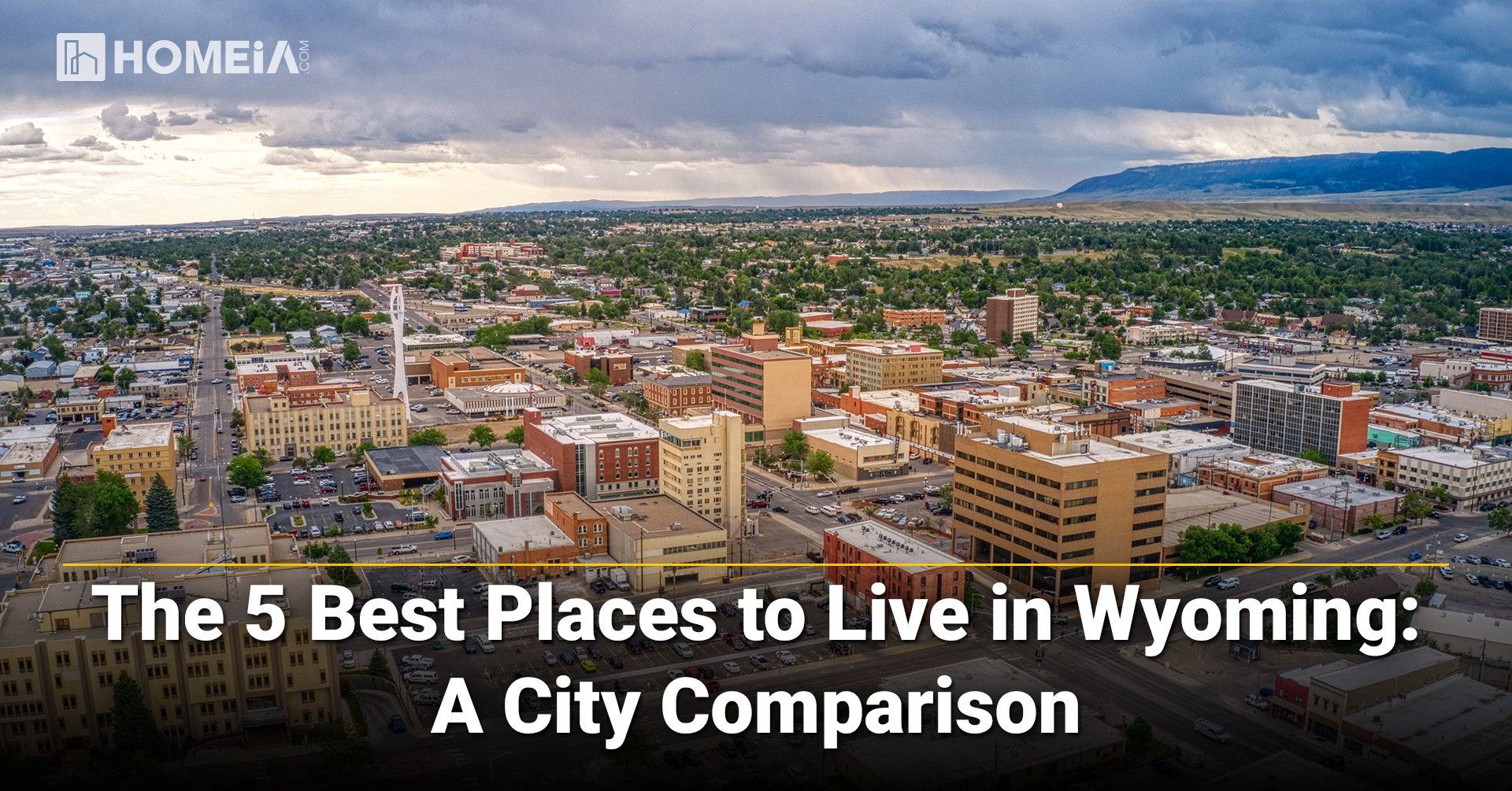
Wyoming is a state of breathtaking natural beauty, where wide-open spaces meet rugged mountain ranges and frontier spirit thrives in modern communities. Choosing the right community within the Equality State is crucial to unlocking a lifestyle that fits your ambitions, no matter the goal.
This guide provides an in-depth, data-driven analysis of the five best places to live in Wyoming. We’ve moved past simple charm to evaluate these population centers on factors mattering most: economic opportunity, affordability, safety, access to amenities, and unique quality of life. From the energy-rich plains of Casper to the college town atmosphere of Laramie, our team broke down what makes each city a premier destination for building your future in the Mountain West.
Key Takeaways
- Diverse Options for Diverse Needs: These top cities offer distinctly different lifestyles, from the outdoor recreation hub of Jackson to the stable government employment of Cheyenne.
- Affordability is Consistent: A major advantage across each city is a cost of living at or below the national average, with accessible housing costs compared to other Western states.
- Safety Varies Significantly: Safety ratings range from sheltered to underperforming, making it crucial to research specific neighborhoods and cities based on your personal tolerance and priorities.
- Economic Drivers Differ: Each area’s job market is anchored by a different sector—energy, tourism, government, education, or agriculture—requiring alignment with your career field.
- Culture is Key: The intangible sense of place, community, and access to outdoor recreation are often the defining factors in choosing between these exceptional locations.
I. Methodology: How We Chose the Best
To ensure a comprehensive and objective ranking, our analysis is based on a multi-factor methodology evaluating each city on key criteria essential for quality of life in the Wyoming context.
Our evaluation criteria are weighted as follows:
- Employment & Economy (25%): Assesses job market health, major employers, economic diversity, and income levels relative to the local cost of living.
- Housing & Affordability (25%): Evaluates median home value, average rent, and home-price-to-income ratios, acknowledging Wyoming’s overall affordability but important local variations.
- Quality of Life & Culture (20%): Encompasses access to unique outdoor recreation, cultural attractions, dining, entertainment, and overall lifestyle.
- Access & Infrastructure (15%): Considers connectivity (road, air), healthcare access, internet reliability, and other critical services.
- Safety & Community (15%): Reviews crime statistics and overall community engagement, resilience, and family-friendliness.
Data is compiled from reputable 2025 sources, including the U.S. Census Bureau, Bureau of Labor Statistics, FBI crime data, and real estate market analyses (Zillow, local MLS).

Related article
Our Methodologies to create HOMEiA Score Ratings for Each Group of Content
HOMEiA uses a consistent, data-driven methodology to evaluate U.S. states for livability, affordability, and long-term value. Our analysis centers on key factors such as Housing and Affordability, Cost of Daily Living, Access and Infrastructure, Community Strength, Safety and Quality of Life, Economic Resilience and Job Market…
II. The 5 Best Cities: A Portrait of Wyoming’s Diversity
1. Cheyenne: The Capital City
HOMEiA Score: 82/100
- Cost of Living: 8% below U.S. average
- Monthly Rent: $1,100
- Home price to income ratio: 4.8:1
- Income to rent ratio: 52.7x
- Safety rating: 65/100
A. Employment & Economy: Cheyenne serves as Wyoming’s political and economic hub, with stable government employment at the state and federal levels. The city benefits from its strategic location along the I-80 corridor, supporting transportation, logistics, and warehousing industries. Warren Air Force Base provides additional economic stability and high-paying defense-related jobs. Economic success showcases resilience through energy sector fluctuations.
B. Housing & Affordability: The capital offers the most affordable housing market among Wyoming’s larger cities, with a home-price-to-income ratio of 4.8:1. Market options include a mix of historic homes in the downtown core and newer suburban developments, all at prices well below national averages. Steady growth ensures property value appreciation while maintaining affordability.
C. Quality of Life & Culture: Life balances Western heritage with modern amenities. It hosts the world’s largest outdoor rodeo during Cheyenne Frontier Days, creating a vibrant cultural scene. Residents enjoy access to world-class parks, community events, and proximity to the Medicine Bow National Forest for outdoor recreation. The downtown area features historic architecture and local businesses.
D. Access & Infrastructure: As the state capital and largest city, this offers comprehensive infrastructure including regional medical facilities, major retail centers, and reliable utilities. Location provides easy access to Denver (approximately 100 miles south) while maintaining Wyoming’s tax advantages and lifestyle benefits.
E. Safety & Community: With a safety rating of 65/100, it holds a solid safety profile with established community engagement. The population is composed of long-time residents, military families, and newcomers drawn by employment opportunities. Neighborhood watch programs and community policing contribute to the city’s overall security.
Related article
The Pros and Cons of Living in Wyoming
Wyoming offers rugged beauty, outdoor adventure, and a low-tax lifestyle rooted in independence. But life here also brings harsh winters, limited job opportunities, and sparse communities. This balanced guide explores the pros and cons of living in the Cowboy State and highlights the best cities for professionals, families, and retirees…
2. Gillette: The Energy Boomtown
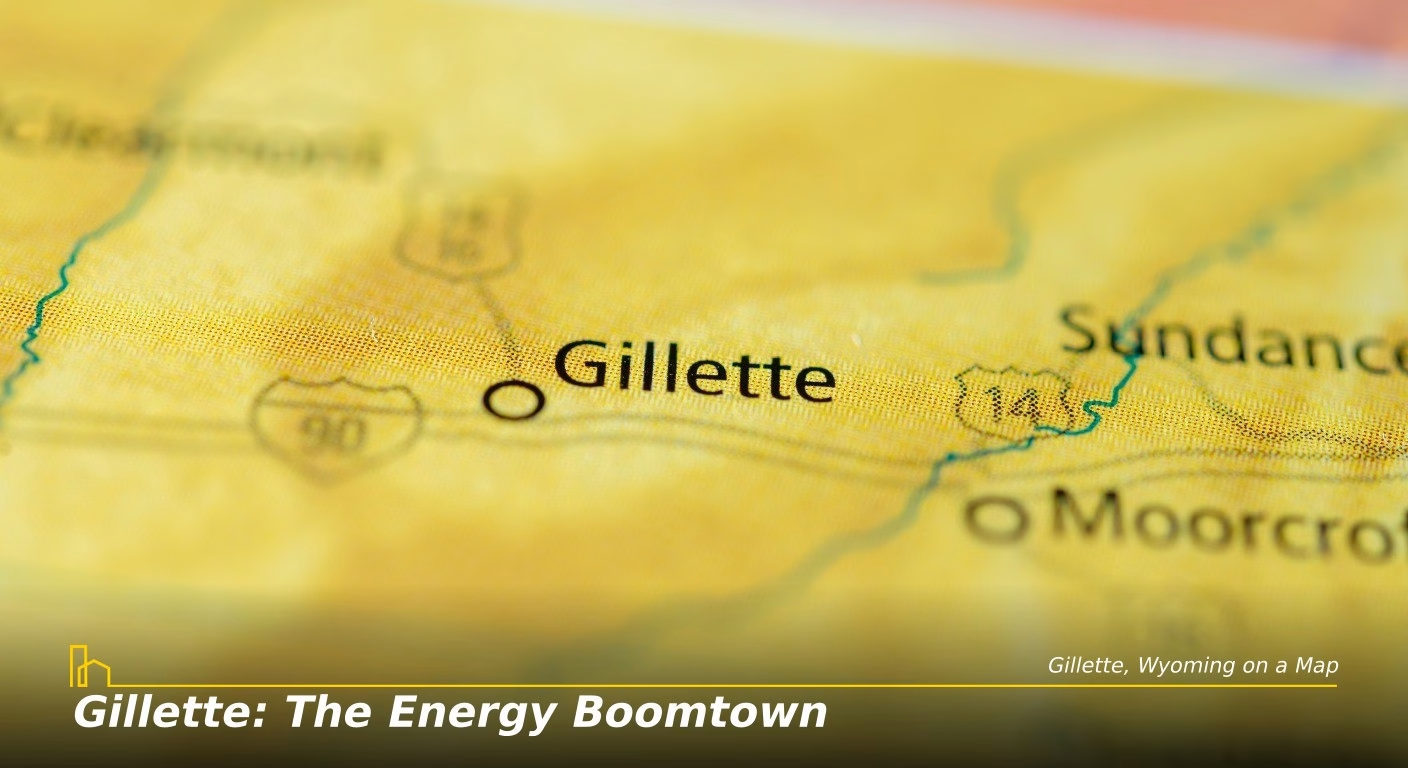
HOMEiA Score: 83/100
- Cost of Living: 10% below U.S. average
- Monthly Rent: $950
- Home price to income ratio: 3.9:1
- Income to rent ratio: 61.8x
- Safety rating: 58/100
A. Employment & Economy: Gillette serves as the heart of Wyoming’s Powder River Basin coal production, with additional strength in oil and natural gas extraction. This economy features some of the highest wages in the state, supported by energy company headquarters and related industries. Recent diversification efforts have added healthcare and retail sectors.
B. Housing & Affordability: Exceptional housing affordability exists with a home-price-to-income ratio of 3.9:1, the best on our list. High energy sector wages combined with reasonable housing costs create desirable purchasing power. The market includes modern subdivisions and established neighborhoods at prices well below national averages.
C. Quality of Life & Culture: Despite its industrial base, it’s home to quality amenities including the CAM-PLEX multi-event facility, standout parks, and recreational opportunities. The city invests in community facilities and hosts events that bring residents together. Outdoor recreation includes fishing, hunting, and access to the nearby Black Hills.
D. Access & Infrastructure: Here features modern infrastructure developed during energy boom periods, including excellent roads, utilities, and public facilities. The city offers comprehensive healthcare services and all essential retail options. Regional airport service (GCC) connects the community to major hubs.
E. Safety & Community: With a safety rating of 58/100, there lieschallenges common to energy boomtowns but maintains established community bonds. The population includes multi-generational residents and energy professionals, creating a blend of traditional values and industrial expertise.
Related article
Moving to Wyoming: The Complete Relocation Guide & Checklist
Wyoming offers a rugged, low-density lifestyle defined by mountains, open plains, and Western independence. With no state income tax and a relatively low cost of living, it attracts newcomers seeking natural beauty, self-reliance, and tight-knit communities. This guide covers climate, costs, and residency basics…
3. Casper: The Energy Hub
HOMEiA Score: 84/100
- Cost of Living: 7% below U.S. average
- Monthly Rent: $1,050
- Home price to income ratio: 4.5:1
- Income to rent ratio: 55.2x
- Safety rating: 62/100
A. Employment & Economy: Casper serves as the state’s energy capital, with a robust economy centered around oil, natural gas, and coal production. They’ve diversified into healthcare, education, and retail sectors, providing stability during energy market fluctuations. Major employers include the Wyoming Medical Center and local school districts, alongside numerous energy companies and support services.
B. Housing & Affordability: Exceptional housing value exists here with a home-price-to-income ratio of 4.5:1. There’s diverse housing options from established neighborhoods to new developments, all at prices remaining accessible to working families. The market shows resilience through economic cycles while maintaining affordability.
C. Quality of Life & Culture: Positioned at the base of Casper Mountain, the city offers exceptional outdoor recreation including skiing, hiking, and fishing. The community features cultural amenities including the Nicolaysen Art Museum and Casper Events Center. Residents enjoy a balanced lifestyle with urban conveniences and immediate access to wilderness areas.
D. Access & Infrastructure: A central location makes it a transportation hub for central Wyoming, with a regional airport (CPR) and major highway connections. There’s comprehensive healthcare through Wyoming Medical Center and all essential retail and service providers. Infrastructure supports both residential and commercial needs effectively.
E. Safety & Community: With a safety rating of 62/100, it maintains a deeply-rooted sense of community with active neighborhood associations and civic organizations. Residents include energy professionals, healthcare workers, and families drawn by the city’s amenities and outdoor opportunities.
Recommended for you
4. Laramie: The College Town
HOMEiA Score: 85/100
- Cost of Living: 5% below U.S. average
- Monthly Rent: $1,200
- Home price to income ratio: 5.2:1
- Income to rent ratio: 48.3x
- Safety rating: 68/100
A. Employment & Economy: Laramie’s economy revolves around the University of Wyoming, providing consistent employment in education, research, and administration. Paired with state government presence and a growing tech sector supported by university partnerships. Economic diversity creates resilience and opportunities across multiple professional fields.
B. Housing & Affordability: Here offers a balanced housing market with a home-price-to-income ratio of 5.2:1. Academia creates steady demand for rental properties while maintaining home ownership opportunities. The market includes historic homes near campus and newer developments catering to faculty and staff.
C. Quality of Life & Culture: As a college town, there’s rich cultural amenities including performing arts, Division I athletics, and intellectual events. The city’s location provides immediate access to the Snowy Range Mountains and Medicine Bow National Forest for outdoor recreation. Downtown features unique shops, restaurants, and a vibrant arts scene.
D. Access & Infrastructure: Residents benefits from university-related infrastructure including research facilities, cultural venues, and healthcare services. The city’s location along I-80 provides connectivity while the nearby Laramie Regional Airport (LAR) offers regional air service. High-speed internet and modern utilities support both residential and academic needs.
E. Safety & Community: With a safety rating of 68/100, there’s a safe environment with commendable community-police relations. The university population creates a diverse, educated community with active civic engagement and neighborhood associations focused on quality of life.
Related article
5. Jackson: The Mountain Paradise
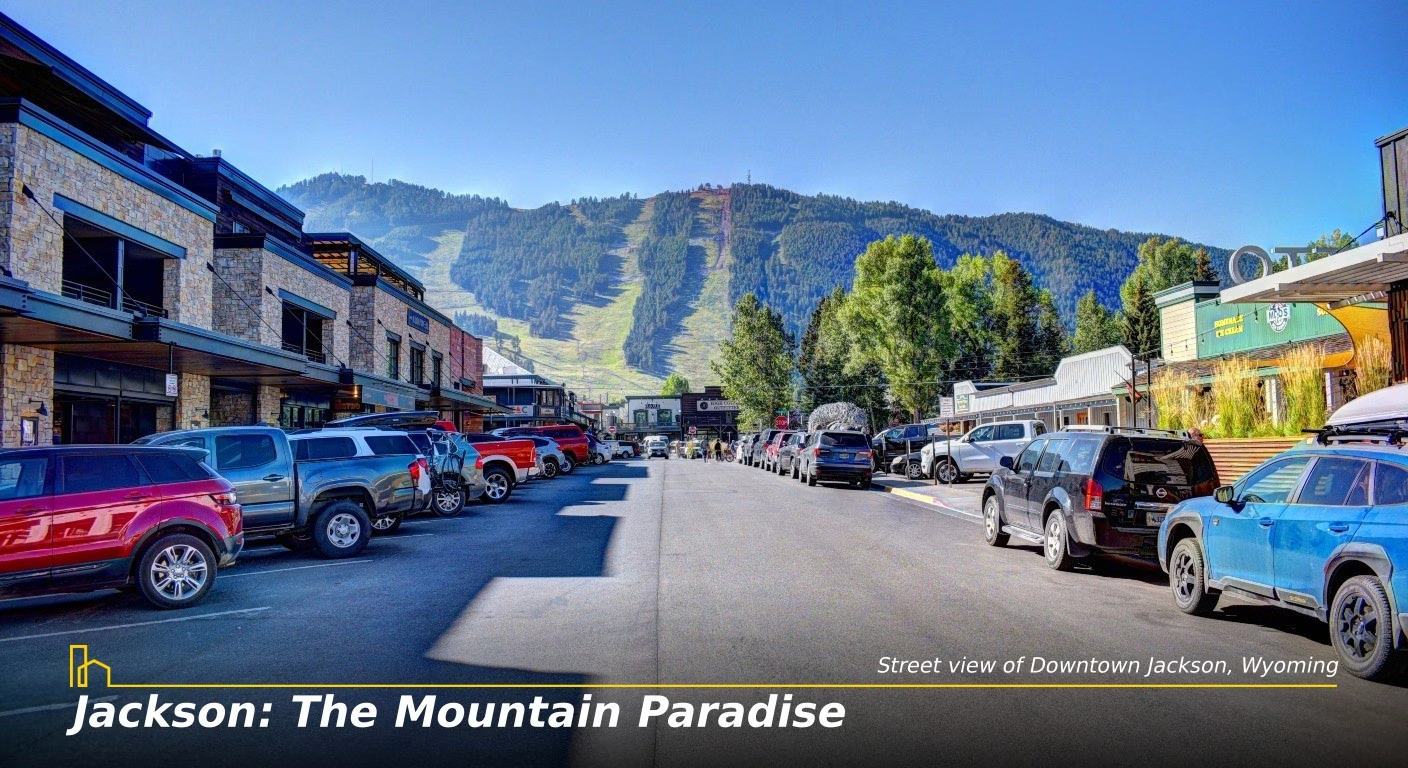
HOMEiA Score: 86/100
- Cost of Living: 35% above U.S. average
- Monthly Rent: $2,800
- Home price to income ratio: 12.4:1
- Income to rent ratio: 32.1x
- Safety rating: 75/100
A. Employment & Economy: Jackson’s economy is geared towards tourism, supported by world-class skiing at Jackson Hole Mountain Resort and year-round outdoor recreation. The town attracts affluent second-home owners and visitors, creating service industry employment alongside professional services catering to wealthy residents. Economic performance showcases stability through tourism diversification.
B. Housing & Affordability: Here represents Wyoming’s most challenging housing market with a home-price-to-income ratio of 12.4:1. Limited buildable land and high demand from wealthy buyers create extreme housing costs. It provides workforce housing programs to support essential workers, though affordability remains a significant challenge.
C. Quality of Life & Culture: There exists unparalleled access to outdoor recreation including Grand Teton National Park, Yellowstone National Park, and the Snake River. Sophisticated dining, art galleries, and cultural events are present, rivaling metropolitan areas. The natural setting provides world-class skiing, hiking, fishing, and wildlife viewing.
D. Access & Infrastructure: Jackson Hole Airport (JAC) allows for direct flights to major cities, supporting both tourism and resident connectivity. The town offers exceptional healthcare facilities and high-quality public services. Infrastructure balances growth management with environmental preservation in this sensitive ecosystem.
E. Safety & Community: With a safety rating of 75/100, residents help keep revered public safety and strong community engagement. The population includes long-time locals, seasonal workers, and affluent homeowners, creating a diverse but cohesive community focused on preserving the area’s natural beauty.
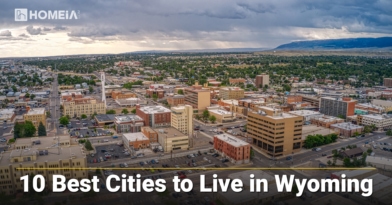

Related article
Top 10 Best Places to Live in Wyoming for Families
Wyoming is known for its big skies, open prairies and cowboy boots — yet it’s more than that. It reminds you that open space matters. In Wyoming, space is allotted for what’s essential, and the rest is left open for all to enjoy. It’s a place where you can relax, breathe in and breathe out…
Comparative Data Table
City | HOMEiA Score | Cost of Living | Avg. Rent (2-Bed) | Home Price to Income Ratio | Income to Rent Ratio | Safety Rating |
|---|---|---|---|---|---|---|
| Jackson | 86 | 35% above U.S. avg | $2,800 | 12.4:1 | 32.1x | 75 |
| Laramie | 85 | 5% below U.S. avg | $1,200 | 5.2:1 | 48.3x | 68 |
| Casper | 84 | 7% below U.S. avg | $1,050 | 4.5:1 | 55.2x | 62 |
| Gillette | 83 | 10% below U.S. avg | $950 | 3.9:1 | 61.8x | 58 |
| Cheyenne | 82 | 8% below U.S. avg | $1,100 | 4.8:1 | 52.7x | 65 |
Conclusion: Finding Your Perfect Wyoming Match
The best city in the 44th state is subjective. Cheyenne delivers stable government employment and capital city amenities, while Casper offers energy sector opportunities and central location. Laramie provides university town culture and intellectual stimulation, and Gillette promises exceptional affordability with high wages. Jackson hosts world-class recreation in a stunning setting for those who can manage the cost.
Each location presents a unique trade-off between cost, opportunity, and lifestyle. Your ideal choice hinges on aligning these factors with personal, financial, and professional goals for life in Wyoming. For those still considering options, our guide to the best places to live in Colorado might provide additional insights for mountain-state living.
Recommended for you




FAQs About Living in Wyoming’s Best Cities
1. Which city has the best job market?
Casper has the most diverse energy sector employment with opportunities across multiple industries. Cheyenne offers stable government jobs and defense-related employment. Jackson contains consistent tourism industry jobs but with housing challenges.
2. I’m a remote worker. Where should I move?
For the best blend of reliable infrastructure, amenities, and outdoor access, Laramie offers excellent value with university-town culture. Jackson provides unparalleled natural beauty but requires a significant housing budget. Always confirm internet reliability at your specific address before moving, as rural areas may have limitations.
3. Are these cities safe?
Safety varies by community. Jackson maintains the highest safety rating (75/100) with deeply-rooted community policing. Laramie (68/100) and Cheyenne (65/100) offer solid safety profiles. Gillette (58/100) faces challenges common to energy boomtowns but maintains improving safety measures.
4. What’s the best city for young professionals?
Laramie contains the most vibrant social scene, networking opportunities, and diverse career paths for young professionals, particularly in education and technology. Casper provides energy sector opportunities with good work-life balance. Cheyenne offers government career paths with stability.
5. What’s the best city for families?
Families often choose based on schools and community amenities. Laramie is home to standout educational opportunities through the university influence and strong community programs. Cheyenne provides comprehensive family services and stable neighborhoods. Casper offers outdoor recreation access and family-friendly community events.
Share