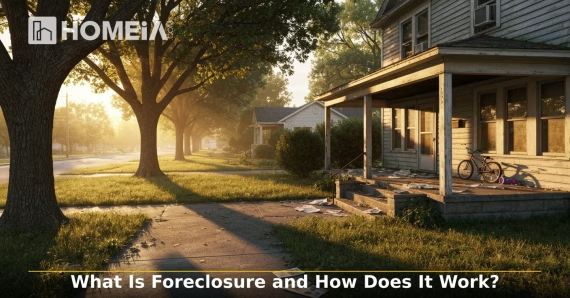












Foreclosure occurs when homeowners fall behind on mortgage payments and lenders seize and sell the property to recover losses, severely impacting credit and finances. Before foreclosure, options like loan modification, forbearance, or selling may help. Buyers may find discounts, but risks such as hidden damage and title issues make careful research and professional guidance essential…
How to Stop Foreclosure: A Step-by-Step Guide for Homeowners
- Local Editor:Local Editor: The HOMEiA Team
- Category: Sell Home
Facing foreclosure can feel overwhelming, confusing, and isolating—but it’s important to keep in mind: foreclosure is a process, not an event, and in most cases you have more options and time than led to believe.
Whether you’ve missed your first payment or already began receiving notices, this guide walks through how foreclosure works, what your real deadlines are, and the proven options homeowners use to stop or avoid foreclosure—from loan modifications and forbearance to selling strategically or using legal protections. This article is designed to help you make informed decisions, not rushed ones.
Key Takeaway
Foreclosure rarely happens overnight, and homeowners often have greater control than they realize. The most important factor in stopping or avoiding foreclosure is timing—the earlier you act, the more options remain available. Federal rules, state laws, and lender procedures all shape the process, but none work in your favor if you disengage. Understanding where you are in the timeline, responding promptly to notices, and documenting every step can significantly change the outcome. Whether the goal is to keep the home or exit responsibly, informed and early action preserves choices, reduces stress, and protects your financial future.

Related article
Hidden Costs of Buying a Foreclosed Home: 17 Problems Investors Miss Until It’s Too Late
Foreclosures can look like lottery wins, offering homes priced 20–30% below market value. But discounts come with hidden risks. From title issues to major repairs, costs add up fast. This guide uncovers 17 common pitfalls behind foreclosure deals, helping buyers and investors price offers wisely and protect their capital.
What Foreclosure Really Is (and What It Isn’t)
Foreclosure is the legal process a lender uses to recover homes when mortgage payments fall seriously behind. Importantly:
- Foreclosure does not begin immediately after a missed payment
- It follows federal servicing rules plus state-specific laws
- Homeowners often have multiple opportunities to pause, delay, or stop the process
Most mortgages in the US are subject to federal mortgage-servicing regulations overseen by the Consumer Financial Protection Bureau.
The 120-Day Rule (Critical to Understand)
Under federal servicing rules, a mortgage servicer generally cannot make the first official foreclosure filing or notice until a borrower is more than 120 days delinquent (roughly four months behind).
This does not mean:
- Late fees stop
- Credit damage doesn’t occur
- The servicer can’t contact you
But it does mean foreclosure is usually not legally initiated right away, granting homeowners time to explore solutions.
Key takeaway: The earlier you act—especially before 120 days delinquent—the more options remain.
Step 1: Understand Your Foreclosure Timeline (Federal + State)
Foreclosure timelines vary depending on whether your state uses:
- Judicial foreclosure (court-supervised, typically slower)
- Non-judicial foreclosure (administrative, often faster)
However, everyone should track two timelines simultaneously:
A. Federal Servicing Timeline
This includes:
- When foreclosure can legally start
- When loss-mitigation protections apply
- How servicers must handle complete applications
B. State Legal Timeline
This controls:
- Notice requirements
- Sale scheduling
- Reinstatement or redemption rights
Mistake to avoid: Waiting until a sale date is scheduled. By then, many of the best options may be gone.
Related article
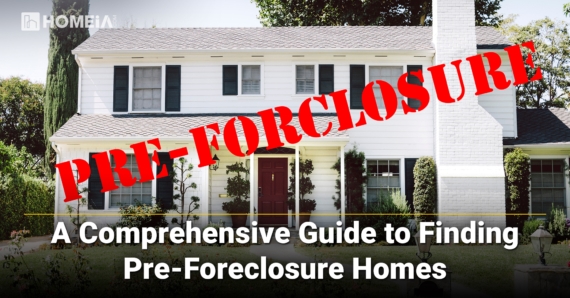
A Comprehensive Guide to Finding Pre-Foreclosure Homes
In this article, we will explore how to find home pre-foreclosures; the possibilities of buying and financing them; and steps to avoid foreclosure and save a home after it has been foreclosed…
Step 2: Contact Your Mortgage Servicer (and Document Everything)
Calling your servicer may feel intimidating, but it’s one of the most important steps.
When you contact them:
- Ask for the loss-mitigation department
- Request a list of available foreclosure-prevention options
- Ask what documentation is required
- Keep records of dates, names, and reference numbers
Why Documentation Matters More Than You Think
Many foreclosure problems don’t come from denial—they come from incomplete applications or missing paperwork.
If applications are marked incomplete:
- Foreclosure activity may continue
- Review timelines may reset
- Protections may not apply
Best practice:
Submit documents in a traceable way (online portal, certified mail, or written confirmation) and follow up to confirm your package is officially “complete.”
Step 3: Explore Loss-Mitigation Options That Can Stop Foreclosure
Loan Modification (Most Common Long-Term Solution)
Loan modifications permanently change one or more loan terms to make payments affordable. This may include:
- Lower interest rate
- Extended loan term
- Added missed payments to the loan balance
Modifications are often designed to bring payments in line with your income—not temporarily, but sustainably.
Best for:
Homeowners with steady incomes able to afford a modified payment.
Forbearance (Short-Term Relief)
Forbearance temporarily pauses or reduces mortgage payments for a defined period. Repayment terms vary by loan type and servicer and may include:
- Lump-sum repayment
- Repayment plan
- Deferral to the end of the loan
- Conversion into a modification
Important: Forbearance is not forgiveness. Always ask how missed payments will be handled before accepting.
Repayment Plan
Repayment plans spread missed payments over several months, adding a portion to each regular payment.
Best for:
Short-term hardship that has already been resolved.
Recommended for you
Step 4: Use Government and State Assistance Programs
Homeowner Assistance Fund (HAF)
The Homeowner Assistance Fund was created to assist homeowners experiencing financial hardship.
To date:
- More than $7.5 billion has been distributed
- Nearly 575,000 homeowners have received assistance
- Programs continue in many states until funds are exhausted
Funds may be used for:
- Mortgage payments
- Property taxes
- Insurance
- Utilities
- HOA dues
HAF is administered by state programs under the U.S. Department of the Treasury, and availability varies by state.
Action step: Search “[Your State] Homeowner Assistance Fund” and apply as early as possible—many programs close when funds run out.
Step 5: Consider Selling Before Foreclosure Completes
If keeping the home is no longer realistic, selling before foreclosure may protect your finances and credit far more than waiting.
Selling With Equity
If your home is worth more than you owe:
- You may pay off the loan in full
- Avoid foreclosure entirely
- Preserve remaining equity
Many in this position still have meaningful equity, even after market fluctuations.
Short Sale (If You Owe More Than the Home Is Worth)
In a short sale, the lender agrees to accept less than the full balance.
Critical detail:
Always confirm deficiency-balance treatment—whether the lender agrees to forgive any remaining amount.
Related article
Step 6: Understand Legal Options (Including Bankruptcy)
Bankruptcy and the Automatic Stay
Filing bankruptcy triggers an automatic stay under federal law, which generally halts foreclosure immediately.
- Chapter 13 bankruptcy may allow you to catch up on missed payments over three to five years
- Chapter 7 bankruptcy may delay foreclosure but usually does not save the home long-term
Bankruptcy is a powerful tool—but it has long-term consequences and should be evaluated with a qualified attorney.
Step 7: Protect Yourself From Foreclosure Scams
When homeowners are vulnerable, scams increase.
Red Flags
- Guaranteed foreclosure prevention
- Requests for upfront fees
- Pressure to sign over your deed
- Instructions to stop communicating with your lender
Safe Help
HUD-approved housing counselors provide free, legitimate assistance and can help evaluate options objectively.
How Foreclosure Affects Your Credit (and Recovery)

Foreclosure typically remains on your credit report for seven years from the first missed payment that led to this process.
However:
- Much of the credit damage often occurs before foreclosure due to missed payments
- Recovery can begin earlier with consistent on-time payments and reduced debt
Reality check: Many qualify for future loans well before the seven-year mark with responsible rebuilding.
Final Thoughts: Acting Early Preserves Options

Foreclosure feels final—but it rarely is at the beginning.
Homeowners who:
- Act early
- Stay organized
- Ask clear questions
- Seek legitimate assistance
…almost always have more control and better outcomes than those who wait.
If you’re struggling, the most important step is the first one: engage the process instead of avoiding it.
Recommended for you




FAQs about How to Stop Home Foreclosure
1. Which foreclosure letters actually matter most?
Not all foreclosure-related letters carry the same weight. Early notices often signal delinquency and required outreach, while later documents—such as an acceleration notice or a formal foreclosure filing—indicate the lender is moving from collection to legal action. The most important question to ask is not “Am I in foreclosure?” but “Has the legal foreclosure process started in my state, and what is the next scheduled step?” That distinction determines urgency and remaining options.
2. What’s the difference between reinstating my loan and redeeming the property?
Reinstatement usually means bringing the loan current by paying missed payments, fees, and costs before a specific deadline. Redemption, by contrast, usually requires paying the full loan balance (and sometimes additional costs) to reclaim ownership after a sale or within a limited statutory period. Reinstatement is more common and more realistic, but deadlines vary by loan terms and state law, so timing matters.
3. Why do modification applications seem to stall or go nowhere?
Many foreclosure cases don’t fail because homeowners are ineligible, but due to applications never reaching “complete” status. Servicers often request additional documents, and each request can reset internal timelines. Treating the process like a compliance task—tracking submissions, confirming completeness, and responding quickly—can make a meaningful difference in whether protections apply and reviews move forward.
4. If my home is foreclosed or sold short, could I still owe money?
Possibly. If sale proceeds don’t cover the full loan balance, the remaining amount may be considered a deficiency. Whether lenders can pursue that balance depends on state law, loan type, and the specific agreement. A key insight is that deficiency treatment is often negotiable in short sales or deeds-in-lieu, but only if it’s addressed explicitly and confirmed in writing.
5. What happens after a foreclosure sale—do I have to leave immediately?
Not often. Ownership transfers at the sale, but eviction (often called possession) follows a separate legal process with its own notices and timelines. Depending on state law and circumstances, homeowners may have time to relocate, negotiate a move-out agreement, or seek temporary relief. Understanding this distinction can reduce panic and help plan next steps more effectively.
Share