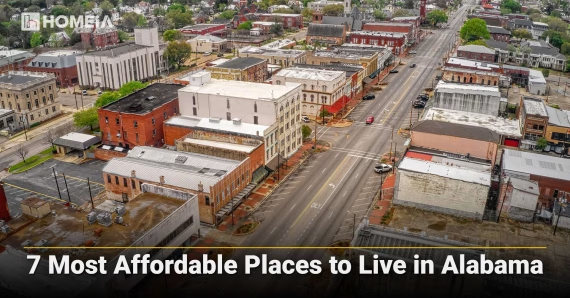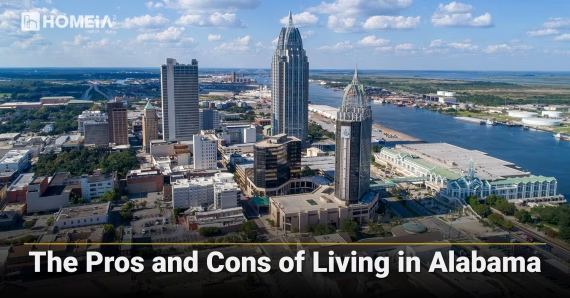





Alabama blends Southern charm, rich history, and diverse landscapes, making community choice essential. This guide ranks the state’s five best places to live using data on jobs, affordability, safety, amenities, and quality of life. From Huntsville’s innovation hub to Mobile’s historic coastal appeal, we highlight where you can build…
Moving to Alabama: The Complete Relocation Guide & Checklist
- Local Editor:Local Editor: The HOMEiA Team
- Category: City Living Guide
Share
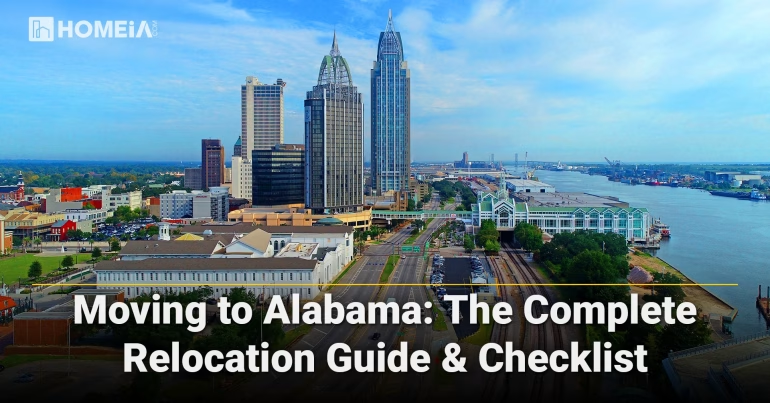
Bordered by Tennessee, Georgia, Florida, and Mississippi, Alabama offers a lifestyle defined by rich Southern heritage, diverse landscapes, and warm community spirit. Over 5 million residents call The Heart of Dixie home, drawn by its affordable living, beautiful Gulf Coast beaches, and growing economic opportunities. Birmingham provides urban amenities against a backdrop of rolling hills, while Huntsville leads in aerospace and technology innovation. From the Appalachian foothills in the north to the white-sand beaches of the Gulf Coast, Alabama presents a compelling blend of tradition and progress.
Known for college football, barbecue, and Southern hospitality, this area offers newcomers a unique financial structure with low taxes, a very affordable cost of living, and a culture of family and community. Our comprehensive moving to Alabama guide covers essential relocation information, from preparing for the climate and understanding costs to navigating the legal requirements of becoming an Alabama resident.
Table of Contents:
Key Takeaways
- The Affordable Cost of Living: Alabama’s overall cost of living is roughly 13% below the U.S. average. Housing is significantly more economical than in most other states, making homeownership accessible for many families.
- Diverse Climate Zones: Prepare for a humid subtropical climate with hot, humid summers and mild winters. Northern areas experience four distinct seasons with occasional snowfall, while southern regions are warmer year-round with hurricane season considerations.
- Growing Economy: Aerospace, automotive manufacturing, healthcare, and agriculture are the state’s economic pillars, offering diverse job opportunities across multiple sectors. Huntsville’s Space & Rocket Center and Birmingham’s medical research facilities provide specialized career paths.
- Cultural Richness: Daily life is infused with Southern traditions, college football culture, and a deep appreciation for music and food. Community events including football tailgates, local festivals, and church gatherings provide natural opportunities to integrate.
- Safety & Infrastructure: Safety ratings vary throughout communities, with many suburban areas offering excellent schools and family-friendly environments. Rural areas may have limited access to high-speed internet and specialized healthcare.
I. Methodology: How We Built This Guide
Our relocation timeline and recommendations are based on a multi-factor analysis of the key elements impacting a move to Alabama. We compiled data from verified 2026 sources, including the U.S. Census Bureau, Bureau of Labor Statistics, Zillow housing market reports, FBI crime statistics, and Alabama state agencies.
Our evaluation criteria for advice and city selection are weighted as follows:
- Housing & Affordability (30%): Analyzing median home prices, rental costs, and utility averages to provide accurate budgeting advice.
- Access & Logistics (25%): Assessing the practicalities of moving goods and vehicles to Bama, considering its central Southern location and transportation infrastructure.
- Legal & Administrative Requirements (20%): Outlining the essential steps for establishing residency, including vehicle registration, driver’s licensing, and voter registration.
- Community & Lifestyle Integration (15%): Providing insights into cultural norms, community events, and tips for building a social network.
- Economic Preparation (10%): Offering guidance on job searching and financial planning specific to the state economy.

Related article
Our Methodologies to create HOMEiA Score Ratings for Each Group of Content
HOMEiA uses a consistent, data-driven methodology to evaluate U.S. states for livability, affordability, and long-term value. Our analysis centers on key factors such as Housing and Affordability, Cost of Daily Living, Access and Infrastructure, Community Strength, Safety and Quality of Life, Economic Resilience and Job Market…
1. What Is It Really Like to Live in Alabama?

A. Culture & Lifestyle: Alabama’s culture is deeply rooted in Southern traditions, family values, and community connections. There’s an emphasis on hospitality, faith, and a slower pace of life compared to major metropolitan areas. College football, particularly the Alabama-Auburn rivalry (Iron Bowl), is a cornerstone of social life and community identity. Community events including church suppers, high school football games, and local festivals provide newcomers with natural opportunities to integrate and experience the state’s authentic character.
B. Arts, Sports, and Entertainment: Here boasts a rich musical heritage as the birthplace of blues, country, and rock ‘n’ roll legends. Cultural scenes include the Alabama Shakespeare Festival, Birmingham Museum of Art, and numerous music festivals celebrating its musical legacy. For sports, college football dominates with teams like Alabama Crimson Tide and Auburn Tigers, while professional sports include Double A minor league baseball teams across the state including the Birmingham Barons, Montgomery Biscuits, and Rocket City Trash Pandas. Outdoor sports are popular, from fishing and hunting to hiking in state parks and water sports along the Gulf Coast. For a look at cultural life in another state, you might explore what it’s like to live in Tennessee.
C. Food Scene & Nightlife: Alabama cuisine features Southern classics such as barbecue, fried chicken, collard greens, and sweet tea. Famous for its white barbecue sauce and Gulf Coast seafood. While fine dining thrives in Birmingham and Huntsville, nightlife is generally family-friendly and centered around local restaurants, breweries, and community events. Smaller towns often feature beloved local diners and family-owned restaurants that serve as community hubs.
D. Outdoor Recreation & Natural Beauty: Outdoor recreation is abundant across Alabama’s diverse landscapes.
- Gulf Coast Beaches: Gulf Shores and Orange Beach offer 32 miles of white-sand beaches and water activities.
- State Parks: Cheaha State Park, the highest point in Alabama, and Oak Mountain State Park provide excellent hiking and camping.
- Lakes & Rivers: Lake Guntersville, Wheeler Lake, and the Tennessee River offer boating, fishing, and water sports.
- National Forests: Bankhead and Talladega National Forests provide thousands of acres for hiking, hunting, and camping.
E. Climate: Alabama has a humid subtropical climate with regional variations:
- Northern (Huntsville, Birmingham): Four distinct seasons with sticky summers (85°F to 95°F) and modest winters (30°F to 50°F). Occasional winter snow and ice.
- Central (Montgomery, Tuscaloosa): Similar to northern areas but slightly warmer winters and longer, hotter summers.
- Southern (Mobile, Gulf Shores): Warm year-round with very hot, humid summers (85°F to 95°F) and mild winters (40°F to 60°F). Hurricane season runs from June 1 to November 30.
Related article
The Pros and Cons of Living in Alabama (Updated)
Alabama offers more than Southern stereotypes, combining affordable living, natural beauty, and a relaxed lifestyle. But challenges include hot summers, limited public transportation, and uneven education outcomes. This guide delivers a balanced look at the pros and cons of life in the Yellowhammer State and highlights the best cities for young professionals, families, and retirees.
2. Cost of Living & Affordability
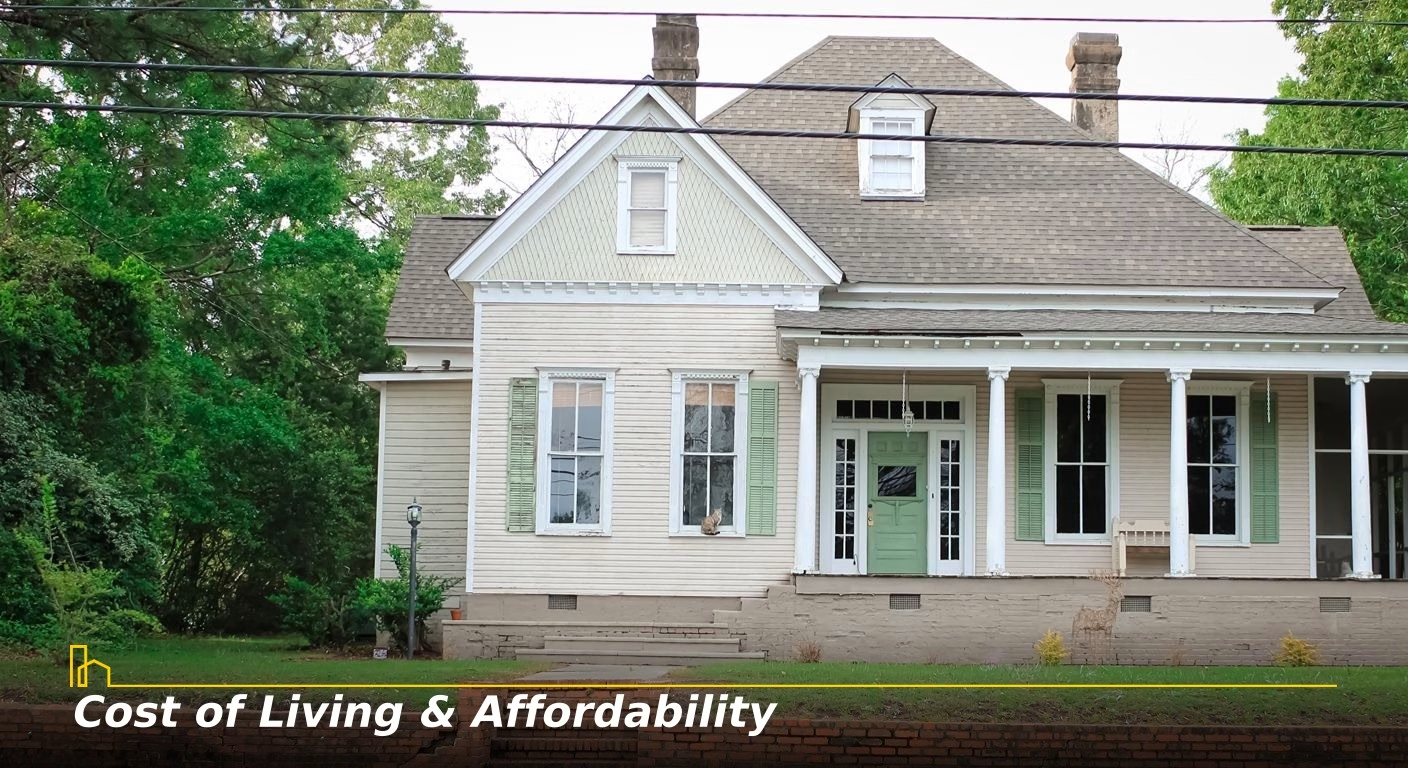
Affordability is one of its greatest assets. Let’s break down the costs.
A. Housing Market
Housing costs vary by city and region.
Housing Type | Birmingham | Huntsville | Mobile | Montgomery | Auburn |
|---|---|---|---|---|---|
| Median Home Price | $225,000 | $285,000 | $195,000 | $175,000 | $315,000 |
| Avg. 2-Bedroom Rent | $1,100 | $1,250 | $950 | $850 | $1,200 |
B. Daily Expenses
Monthly Expense Category | Average Cost | Notes |
|---|---|---|
| Utilities (HVAC Focus) | $150 – $250 | Summer cooling costs can be significant due to high humidity. |
| Groceries (Family of 4) | $450 – $700 | Slightly below national average, with local farmers markets offering fresh produce. |
| Gasoline | ~$3.00/gallon | Prices typically below the national average due to lower state taxes. |
| Internet | $60 – $90 | Generally reliable service in cities; can be limited in rural areas. |
3. Jobs & Economy
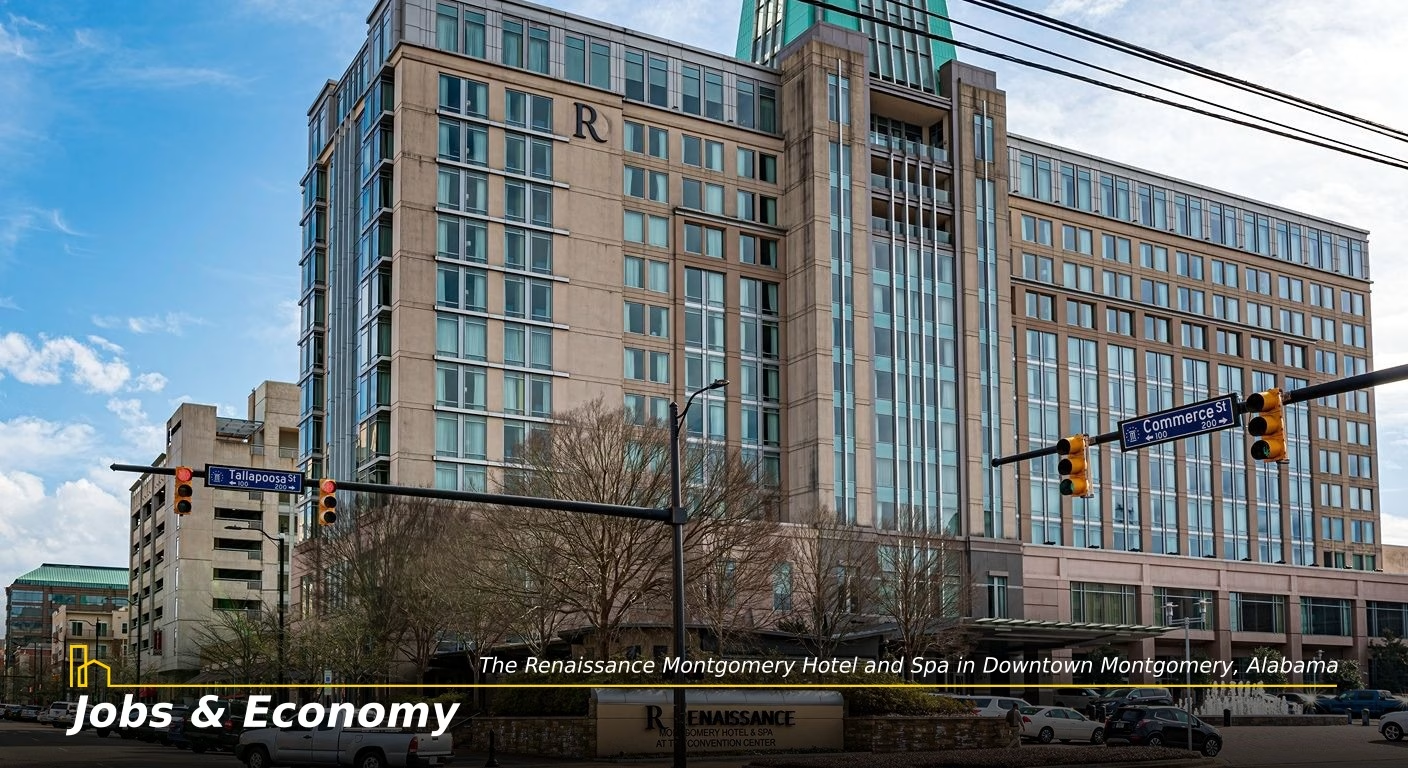
Economic performance is diverse and growing across several key sectors:
- Automotive Manufacturing: Major plants from Mercedes-Benz, Hyundai, Honda, and Toyota provide thousands of manufacturing jobs.
- Aerospace & Defense: Huntsville’s “Rocket City” is home to NASA’s Marshall Space Flight Center and Redstone Arsenal.
- Healthcare: UAB Hospital in Birmingham is a major medical research and treatment center, while other cities contain growing healthcare sectors.
- Agriculture: Poultry, cattle, cotton, and peanuts remain important agricultural industries, particularly in rural areas.
- Tourism & Hospitality: Gulf Coast beaches, historical sites, and college sports drive significant tourism revenue.
Related article
4. Planning Your Move: A Timeline

A successful move to Alabama requires planning, especially if coming from a great distance.
Timeline | Essential Tasks | Important Details |
|---|---|---|
| 8-12 Weeks Before | Plan & Research | Get moving quotes, create budget, research new state laws, start decluttering. |
| 6-8 Weeks Before | Notify & Pack | Give notice to your landlord, collect boxes, pack off-season items, transfer medical files. |
| 4-6 Weeks Before | Transfer Services | Schedule utility shutoff/start, file USPS change of address, find new doctors, register kids for school. |
| 2-4 Weeks Before | Finalize Details | Finish packing, plan travel route, confirm mover schedule, fill prescriptions. |
| 1-2 Weeks Before | Prepare to Go | Pack essentials box, defrost fridge, clean home, confirm utility dates. |
| Moving Day | Execute Move | Oversee loading, do final walkthrough, keep documents handy. |
| After Arrival | Settle In | Unpack basics first, update license/registration, explore new town. |
=> Get the Relocation Guide & Checklist PDF — prepared for both Desktop and Mobile devices.
5. Transportation
- Driving: I-65 runs north-south (Tennessee to Mobile), I-20/I-59 run east-west (Georgia to Mississippi). These are the state’s primary transportation corridors. Rural communities are connected by highways, but some areas may have limited public transportation options.
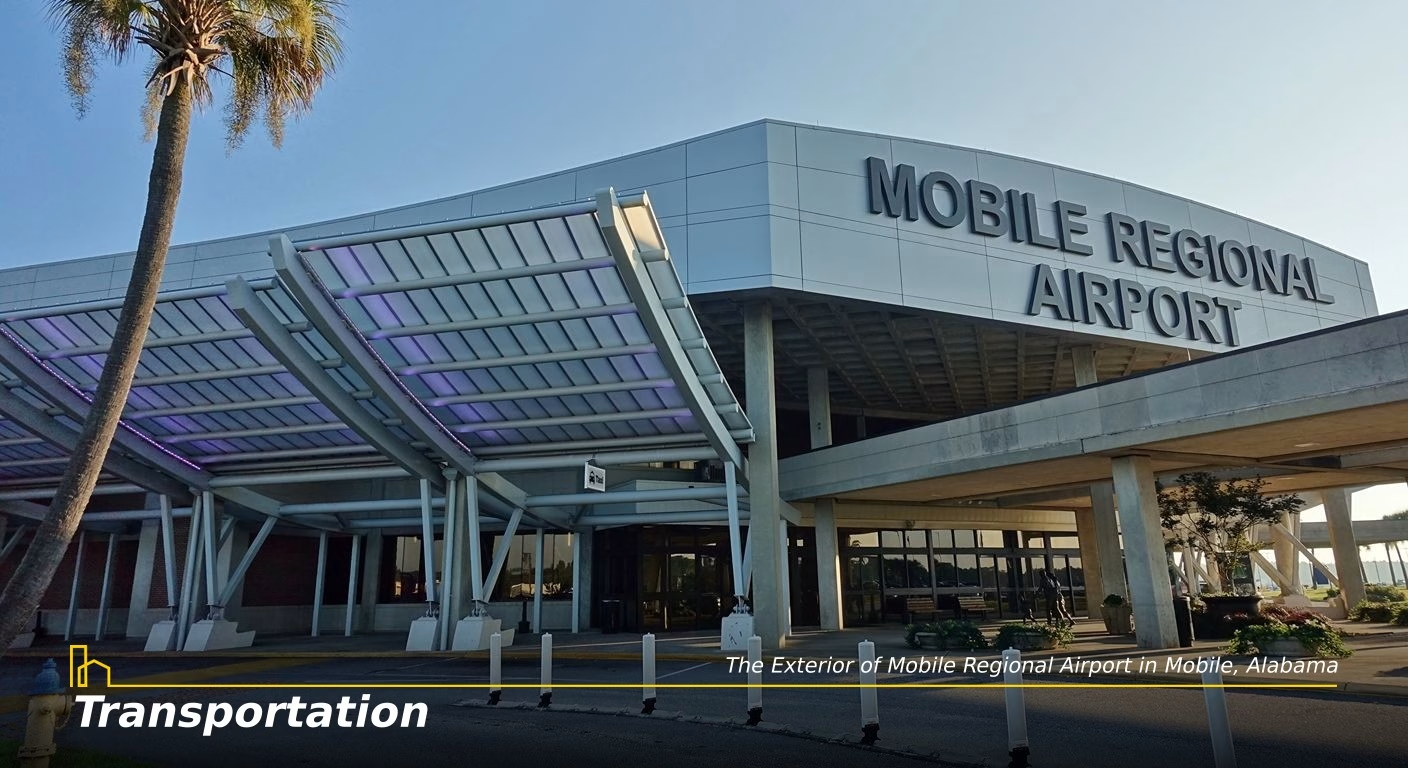
- Flying: Major airports include Birmingham-Shuttlesworth International (BHM), Huntsville International (HSV), and Mobile Regional (MOB). Regional airports serve smaller cities.
- Public Transit: Developed cities have bus systems, but coverage is limited. Birmingham has the MAX bus system, while other cities have smaller transit services. Cars are essential for most residents outside urban cores.
- Winter Driving: While winters are generally mild, northern Alabama can experience occasional ice and snow. All-weather tires are recommended, and an emergency kit should be kept in the car during winter months.
Related article
6. Legal Requirements & Paperwork
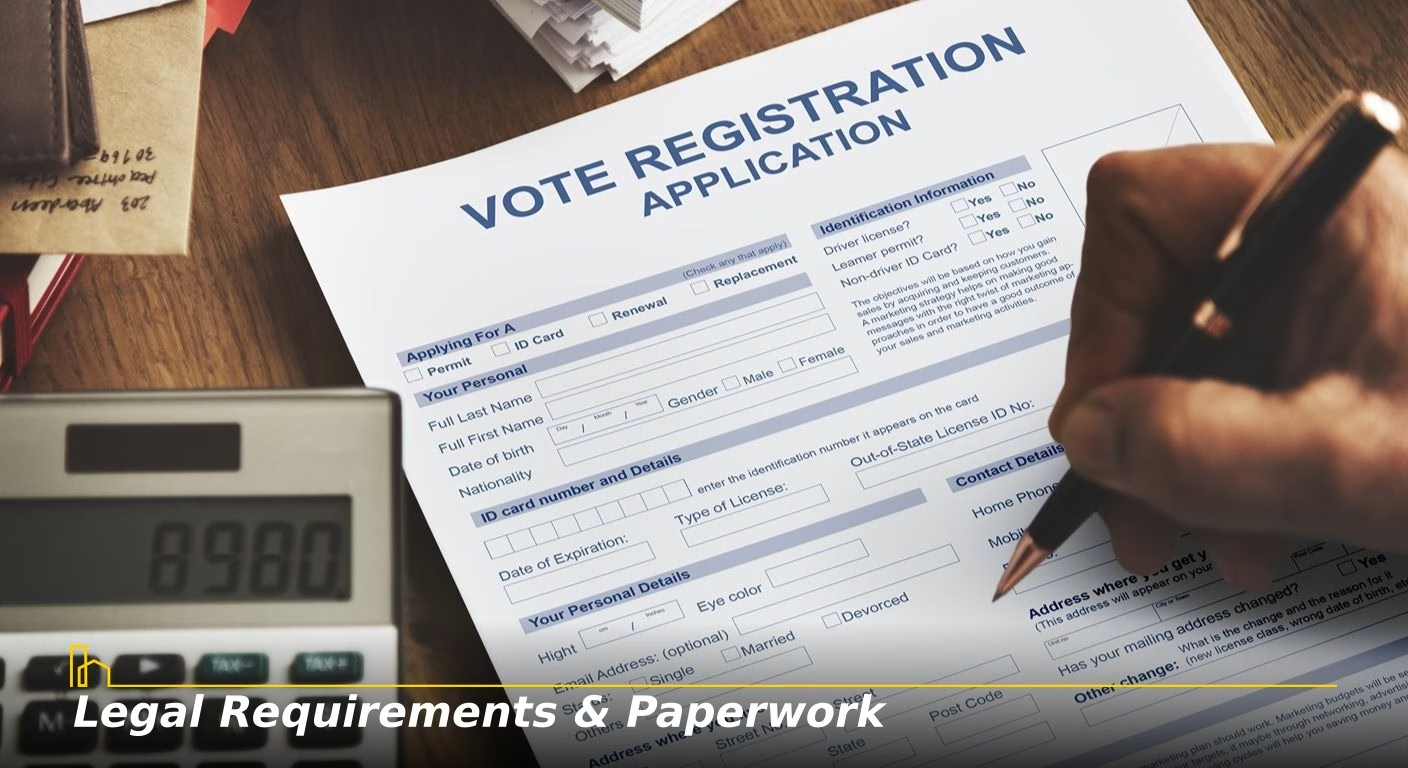
New residents must complete several tasks:
- Vehicle Registration: Required within 30 days of establishing residency. One needs an out-of-state title, proof of Alabama insurance, and a VIN inspection.
- Driver’s License: Required within 30 days. You must surrender any previous license. You will need proof of identity, residency, and Social Security Number.
- Voter Registration: Registering to vote can occur when applying for your driver’s license or separately at county board of registrars offices.
- Other: If you plan to hunt or fish, you will need to purchase a state license through the Alabama Department of Conservation and Natural Resources.
7. Financial Planning

Create a realistic budget accounting for moving expenses (moving truck or pod rental, travel). Keep housing expenditures below 30% of your income. Build a healthy emergency fund (3-6 months) to account for any economic fluctuations. Take advantage of the low cost of living to pay down debt or increase savings. AL’s low property taxes and overall tax burden can provide significant financial advantages compared to many other states.
8. Insider Tips from Locals
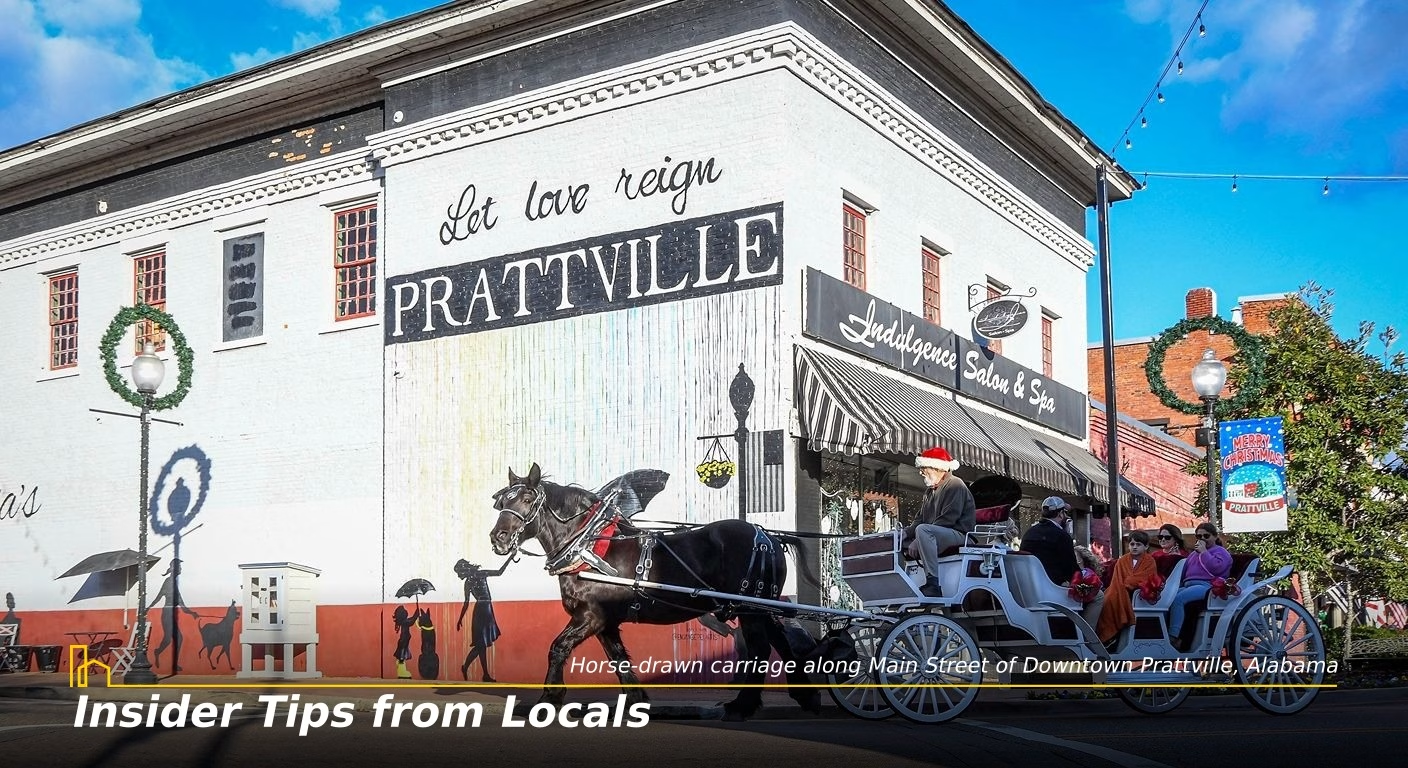
- Embrace Southern Hospitality: Friendliness and politeness are valued. Smile, say hello, and be prepared for conversations with strangers—it’s part of the culture.
- Learn Football Culture: College football is a way of life. Whether you support the Alabama Crimson Tide or Auburn Tigers, understanding the rivalry will help connect with locals.
- Prepare for Humidity: Summer humidity can be intense. Lightweight, breathable clothing and staying hydrated are essential from May through September.
- Explore Local Food: Beyond barbecue, try regional specialties like fried green tomatoes, banana pudding, and Gulf seafood. Local farmers markets offer fresh, seasonal produce.
- Respect the Pace: Life moves at a slower rhythm in many parts of Alabama. Embrace “Southern time” and learn to appreciate the more relaxed approach to scheduling.
Conclusion: Moving here offers more than just a change of scenery; it’s an opportunity to embrace a distinctive way of life characterized by warmth, community, and affordability. Low cost of living, growing job market, and rich cultural heritage make it an attractive destination for families, professionals, and retirees alike. While the climate requires adaptation and the pace of life may differ from what you’re accustomed to, the rewards include financial stability, strong community connections, and access to beautiful natural landscapes from mountains to beaches. With careful planning and an open mind, your relocation to Alabama can be the beginning of a fulfilling new chapter. For those still considering options, our guide on moving to Georgia might provide an interesting comparison.
Recommended for you




FAQs About Moving to Alabama
1. What is the first step to moving to Alabama?
The most important first step is securing employment and housing. While cost of living is low, having these elements secured will ensure a smooth transition. Research different regions to find the best fit for your lifestyle and career goals.
2. Should I drive or ship my car to Alabama?
Driving is typically the most practical option. It’s easily accessible via major interstates (I-65, I-20, I-59), and the drive through the Southern landscape can be quite scenic. Car shipping is generally only necessary for extreme distances or if you cannot drive.
3. How do I get my belongings to Alabama?
For comprehensive moves, national moving companies or truck rentals are common choices. Container services like PODS are widely available throughout Alabama. For smaller moves, freight services or trailer rentals can be cost-effective solutions.
4. What should I pack vs. buy there?
Bring essential documents, specialized equipment, and personal items you can’t replace. Consider purchasing larger furniture and household items locally to lessen moving costs. Alabama has numerous furniture stores, and online marketplaces offer plenty of options for secondhand goods.
5. Is it hard to make friends in Alabama?
Generally, no. Alabamians are known for their friendliness and hospitality toward newcomers who show respect for local customs. Joining community groups, attending church, participating in local sports leagues, or volunteering are excellent ways to build connections quickly.


Related Content