






Moving to New Hampshire: The Complete Relocation Guide & Checklist
- Local Editor:Local Editor: The HOMEiA Team
-
Category: City Living Guide
Share


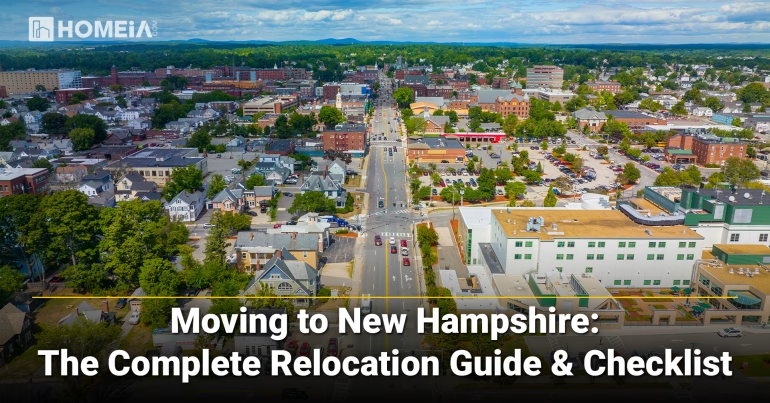
Bordered by Maine, Vermont, Massachusetts, and the Atlantic Ocean, New Hampshire offers a lifestyle defined by natural beauty, political independence, and a high quality of life. About 1.4 million residents call the Granite State home, drawn by its lack of an income tax, safe communities, and stunning landscapes from the White Mountains to the Seacoast.
Known for its “Live Free or Die” motto, first-in-the-nation primary, and vibrant fall foliage, the 9th state offers even more to newcomers—a robust economy, deep sense of community, and endless outdoor recreation. This comprehensive guide covers essential relocation information, from preparing for the distinct seasons and understanding the tax structure to navigating the legal requirements of becoming a New Hampshirite.
Table of Contents:
Key Takeaways
- The Moderate Cost of Living: New Hampshire’s overall cost of living is approximately 13% above the U.S. average. Housing is lavish compared to other states, particularly in the southern region near Boston, but the lack of income and sales tax provides financial benefits.
- Four Distinct Seasons: Prepare for quintessential New England weather with bone-chilling, snowy winters and warm, humid summers. Northern areas experience harsher winters with heavy snowfall, while southern regions are milder but still experience all four seasons.
- Diverse Economy: Healthcare, education, manufacturing, and tourism are the state’s economic pillars, offering stable jobs across various sectors. The proximity to Boston provides additional employment opportunities for commuters.
- Cultural Richness: Daily life is infused with a blend of historic New England traditions, outdoor recreation culture, and modern amenities. Community events including town meetings, fall festivals, and outdoor activities are cornerstone activities.
- Safety & Infrastructure: The Granite State consistently ranks among the safest states in the nation, with excellent schools and well-maintained infrastructure throughout most communities.
I. Methodology: How We Built This Guide
Our relocation timeline and recommendations are based on a multi-factor analysis of the key elements that impact a move to New Hampshire. We compiled data from verified 2026 sources, including the U.S. Census Bureau, Bureau of Labor Statistics, Zillow housing market reports, FBI crime statistics, and New Hampshire state agencies.
Our evaluation criteria for advice and city selection are weighted as follows:
- Housing & Affordability (30%): Analyzing median home prices, rental costs, and utility averages to provide accurate budgeting advice.
- Access & Logistics (25%): Assessing the practicalities of moving goods and vehicles into the state, considering its New England location and seasonal challenges.
- Legal & Administrative Requirements (20%): Outlining essential steps for establishing residency, including vehicle registration, driver’s licensing, and voter registration.
- Community & Lifestyle Integration (15%): Providing insights into cultural norms, community events, and tips for building a social network.
- Economic Preparation (10%): Offering guidance on job searching and financial planning specific to the state economy.

Related article
Our Methodologies to create HOMEiA Score Ratings for Each Group of Content
HOMEiA uses a consistent, data-driven methodology to evaluate U.S. states for livability, affordability, and long-term value. Our analysis centers on key factors such as Housing and Affordability, Cost of Daily Living, Access and Infrastructure, Community Strength, Safety and Quality of Life, Economic Resilience and Job Market…
1. What Is It Really Like to Live in New Hampshire?
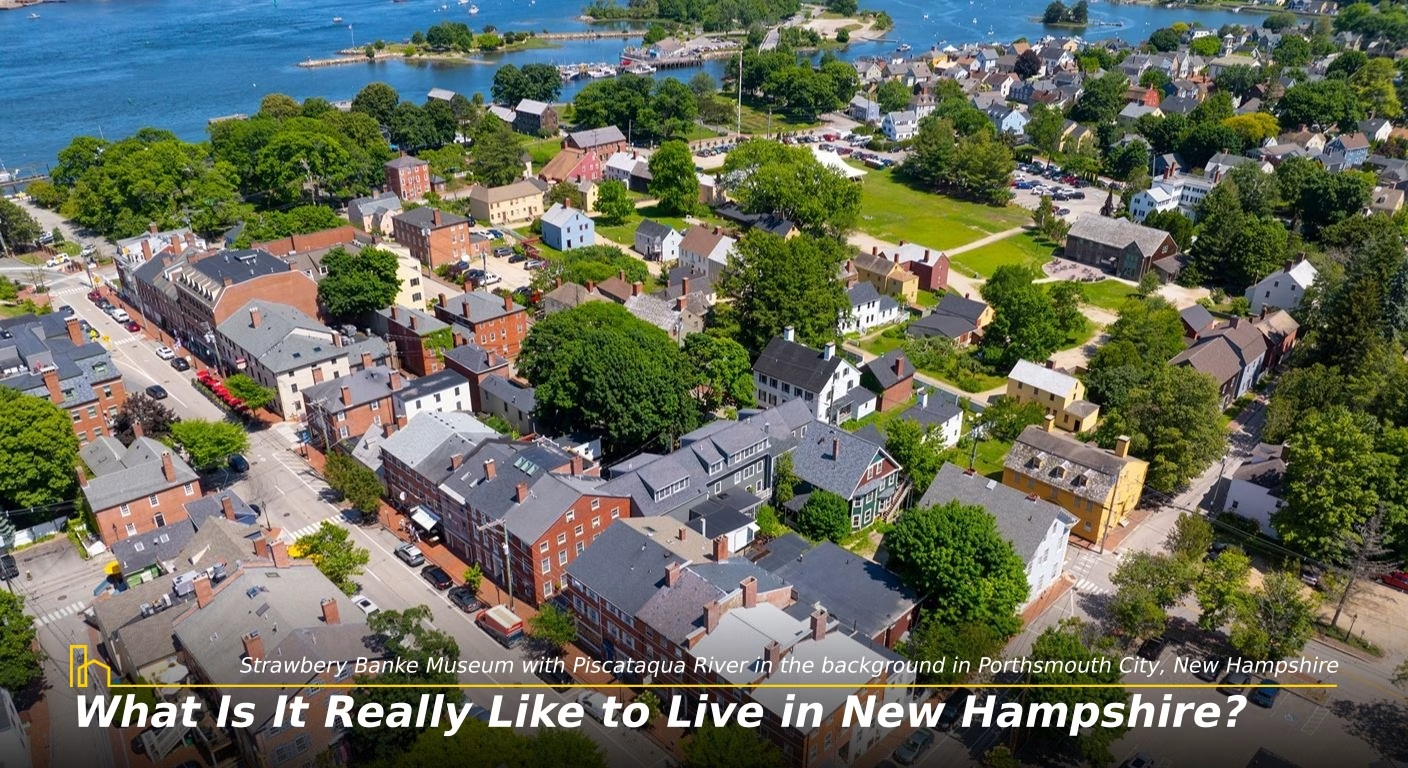
A. Culture & Lifestyle: New Hampshire’s culture is rooted in New England traditions, with an emphasis on independence, community involvement, and outdoor living. There’s a deep respect for history and tradition, balanced with modern practicality. Pace of life varies from bustling southern cities to quiet northern villages, but generally maintains a calm, family-friendly atmosphere. Town meetings, local farmers’ markets, and community sports are fundamental activities that provide newcomers with natural opportunities to integrate and experience the state’s authentic character.
B. Arts, Sports, and Entertainment: Here offers a rich cultural scene with venues like the Palace Theatre in Manchester and the Music Hall in Portsmouth. Cultural calendar moments to have circled include the League of New Hampshire Craftsmen’s Fair, numerous summer music festivals, and local theater productions. For sports, there are minor league baseball (New Hampshire Fisher Cats) and hockey teams (University of New Hampshire D1 program), while outdoor sports are central to the lifestyle—from hiking the White Mountains in summer to skiing at resorts like Loon Mountain and Bretton Woods in winter. For a look at cultural life in another state, you might explore what it’s like to live in Tennessee.
C. Food Scene & Nightlife: Culinary scenes feature fresh seafood from the coast, maple syrup from local sugar houses, and farm-to-table restaurants throughout the state. Craft beer is thriving with numerous local breweries popping up, particularly in the southern region. Nightlife is generally low-key and centered around local pubs, breweries, and community events rather than clubbing. Coastal towns including Portsmouth offer more sophisticated dining and entertainment options.
D. Outdoor Recreation & Natural Beauty: Outdoor recreation is central to state identity, with endless opportunities across the state.
- White Mountains: Home to Mount Washington and the Appalachian Trail, offering world-class hiking, skiing, and sightseeing.
- Lakes Region: Winnipesaukee, Squam, and other lakes provide boating, fishing, and water sports.
- Seacoast: 18 miles of coastline with beautiful beaches, historic ports, and maritime activities.
- State Parks: Dozens of state parks offering camping, hiking, and winter sports throughout the year.
E. Climate: New Hampshire experiences four distinct seasons with regional variations:
- Northern (White Mountains): Frigid winters with heavy snowfall (10°F to 30°F), cool summers (65°F to 80°F). Ideal for winter sports enthusiasts.
- Central (Lakes Region): Shivering winters with moderate snow (15°F to 35°F), warm summers (70°F to 85°F). Popular for year-round recreation.
- Southern (Manchester, Nashua): Milder winters (20°F to 40°F), warm, humid summers (75°F to 90°F). Most populous due to proximity to Boston.
- Seacoast (Portsmouth): Moderate winters (25°F to 45°F) due to ocean influence, cool summers (70°F to 85°F). Less extreme temperature swings.

Related article
The Pros and Cons of Living in New Hampshire
New Hampshire blends colonial charm, outdoor adventure, and low taxes with strong community life. But it also brings harsh winters, high housing costs, and limited transit. This guide breaks down the key pros and cons of living in the Granite State and highlights its top cities for professionals, families, and retirees.
2. Cost of Living & Affordability
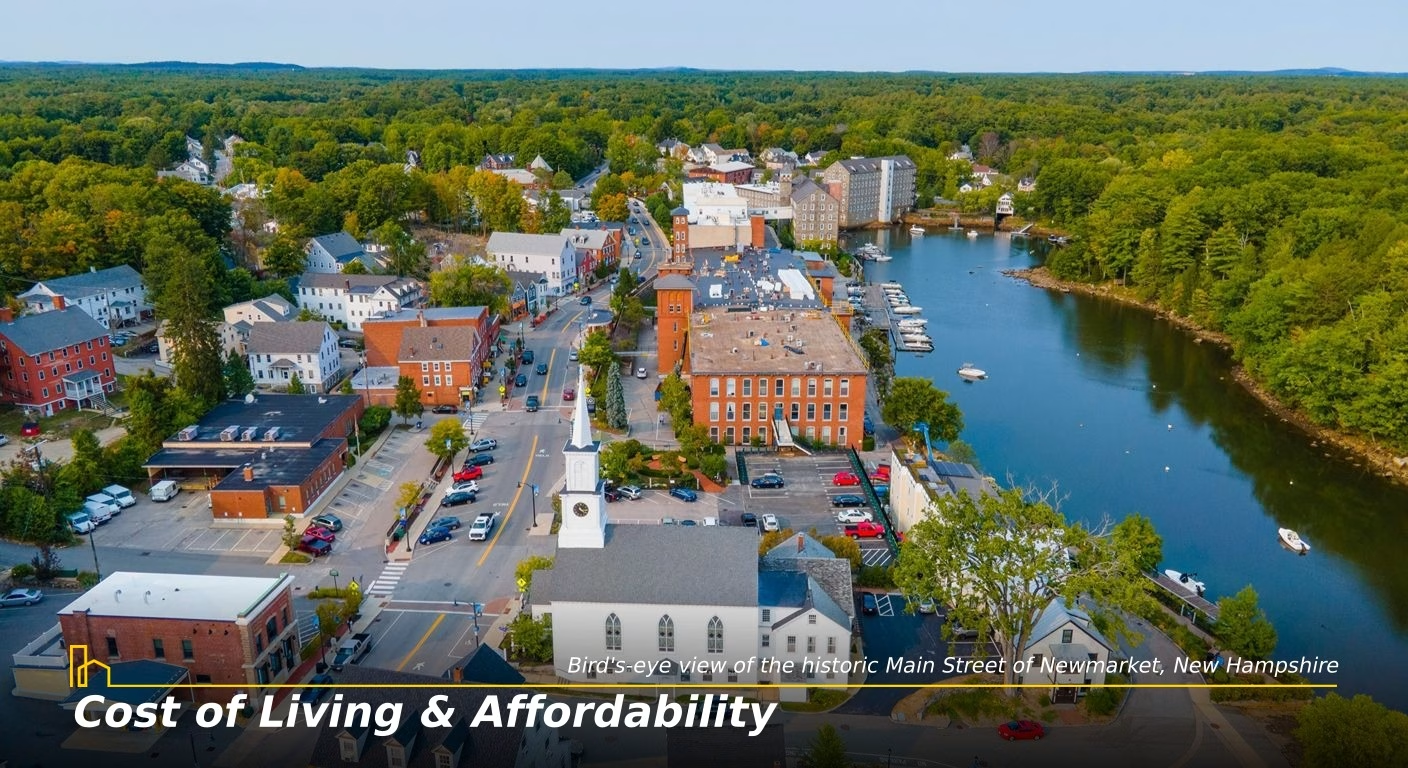
New Hampshire’s cost of living is balanced by the absence of state income and sales taxes. Let’s break down the costs.
A. Housing Market: Housing costs vary significantly by region, with southern areas being most expensive. The following table reflects current 2025 median home prices and average rents for 2-bedroom apartments in major cities, based on the latest available data. Note that these figures are approximate and can fluctuate:
|
Housing Type |
Manchester |
Nashua |
Concord |
Portsmouth |
Berlin |
|---|---|---|---|---|---|
| Median Home Price | ~$385,000 | ~$425,000 | ~$315,000 | ~$640,600 | ~$175,000 |
| Avg. 2-Bedroom Rent | ~$1,600 | ~$1,750 | ~$1,300 | ~$2,100 | ~$850 |
B. Daily Expenses
|
Monthly Expense Category |
Average Cost |
Notes |
|---|---|---|
| Utilities (HVAC Focus) | $200–$400 | Heating costs can soar in winter; many homes use oil heat |
| Groceries (Family of 4) | $600–$900 | Slightly above national average; local produce available seasonally |
| Gasoline | ~$3.01/gallon | As of August 2025, the average price per gallon of regular gas is $3.01 |
| Internet | $70–$100 | Generally reliable service throughout most of the state |
3. Jobs & Economy
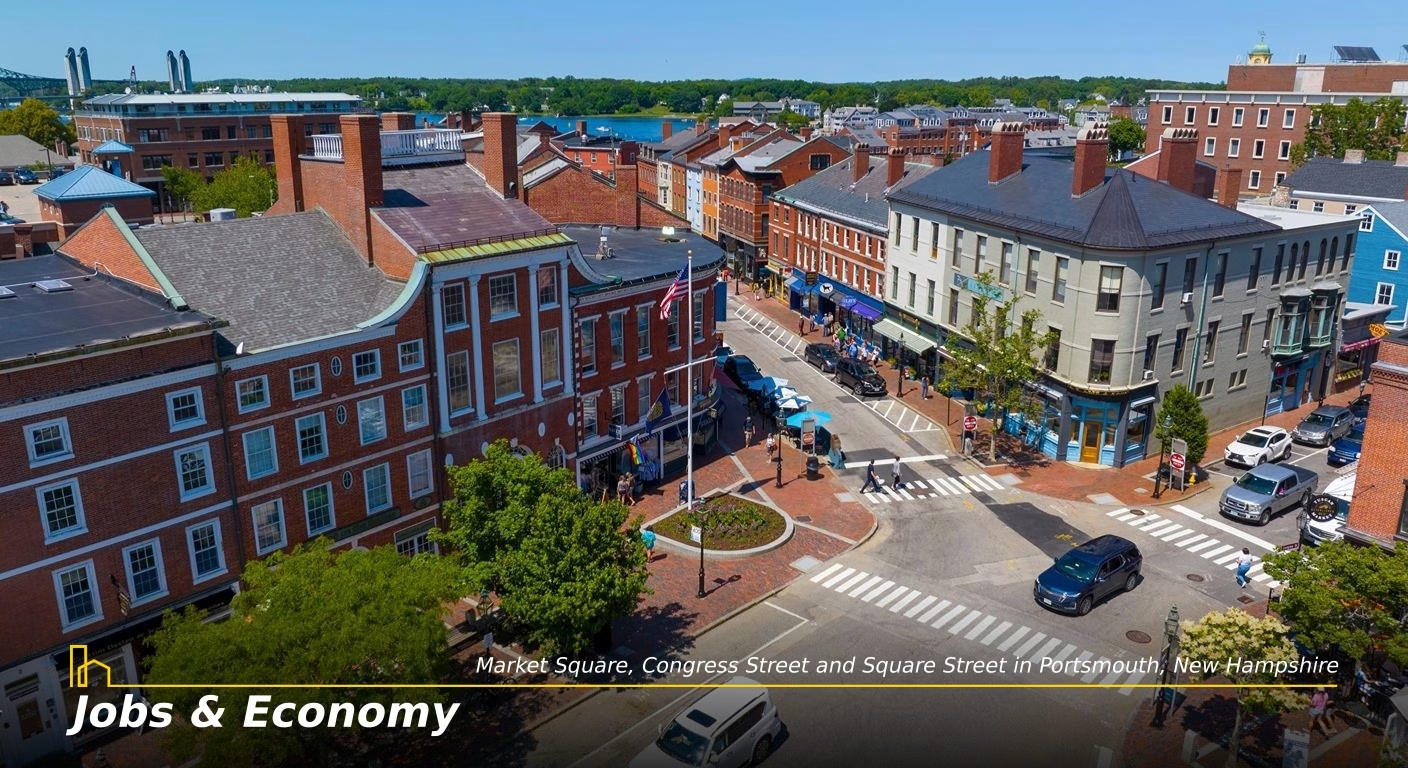
New Hampshire’s economy is diverse and stable, with several key sectors:
- Healthcare: The largest employment sector, with major hospitals and healthcare systems throughout the state.
- Education: Strong public school systems and several colleges/universities including Dartmouth College and UNH.
- Manufacturing: Advanced manufacturing, particularly in the southern corridor, including high-tech and defense industries.
- Tourism & Hospitality: Major industry focused on outdoor recreation, fall foliage, and coastal tourism.
- Professional Services: Growing sector, particularly in southern NH near the Massachusetts border.
Recommended for you




4. Planning Your Move: A Timeline

A successful move requires planning, especially considering the seasonal weather challenges.
|
Timeline |
Essential Tasks |
Important Details |
|---|---|---|
| 8–12 Weeks Before | Plan & Research | Get moving quotes, create budget, research new state laws, start decluttering. |
| 6–8 Weeks Before | Notify & Pack | Give notice to your landlord/leasing company, collect boxes, pack off-season items, transfer medical files. |
| 4–6 Weeks Before | Transfer Services | Schedule utility shutoff/start, file USPS change of address, find new doctors, register kids for school. |
| 2–4 Weeks Before | Finalize Details | Finish packing, plan travel route, confirm mover schedule, fill prescriptions. |
| 1–2 Weeks Before | Prepare to Go | Pack essentials box, defrost fridge, clean home, confirm utility dates. |
| Moving Day | Execute Move | Oversee loading, do final walkthrough, keep documents handy. |
| After Arrival | Settle In | Unpack basics first, update license/registration, explore new town. |

Related article
The 5 Best Places to Live in New Hampshire: A City Comparison
New Hampshire blends historic charm, modern innovation, and outdoor beauty, making it essential to choose the right community. This guide ranks the five best places to live in 2025 based on affordability, safety, opportunity, and quality of life, from vibrant Manchester to academic Hanover, with a comparison to Washington State.
5. Transportation
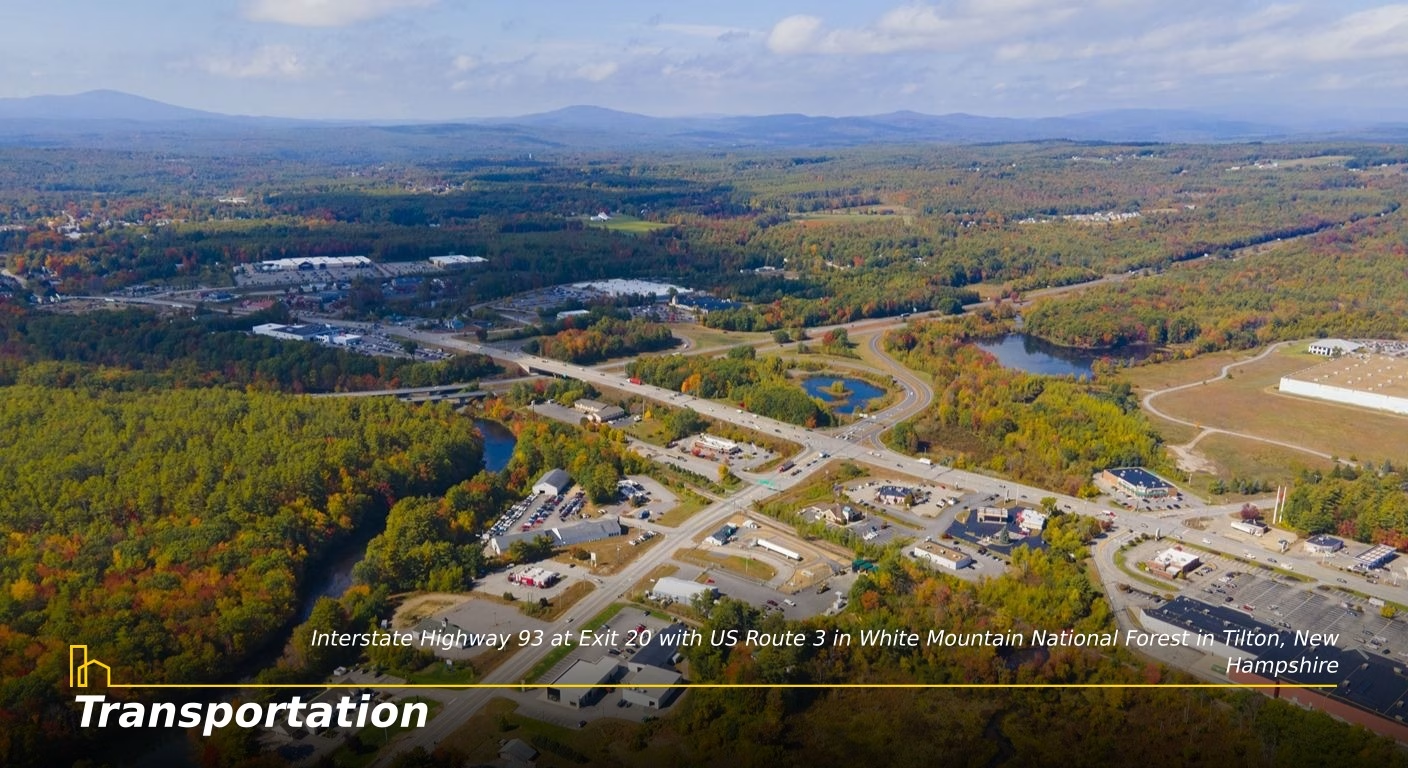
- Driving: I-93 runs north-south (Massachusetts to Vermont), and I-95 runs along the coast. Everett Turnpike and Spaulding Turnpike are major routes. Rural areas stay connected by state highways, but some northern roads can be challenging in winter.
- Flying: Manchester-Boston Regional Airport (MHT) is the largest airport. Smaller airports in Lebanon and Portsmouth offer connecting flights. Most use Boston’s Logan Airport (about 1 hour from southern NH).
- Public Transit: Limited public transportation outside major cities. Manchester has bus service, and there’s commuter rail service from southern NH to Boston. However, cars are essential for most.
- Winter Driving: From November to April, winter tires are recommended, especially in northern regions. Carry an emergency kit including blankets, food, and water during winter months.
6. Legal Requirements & Paperwork
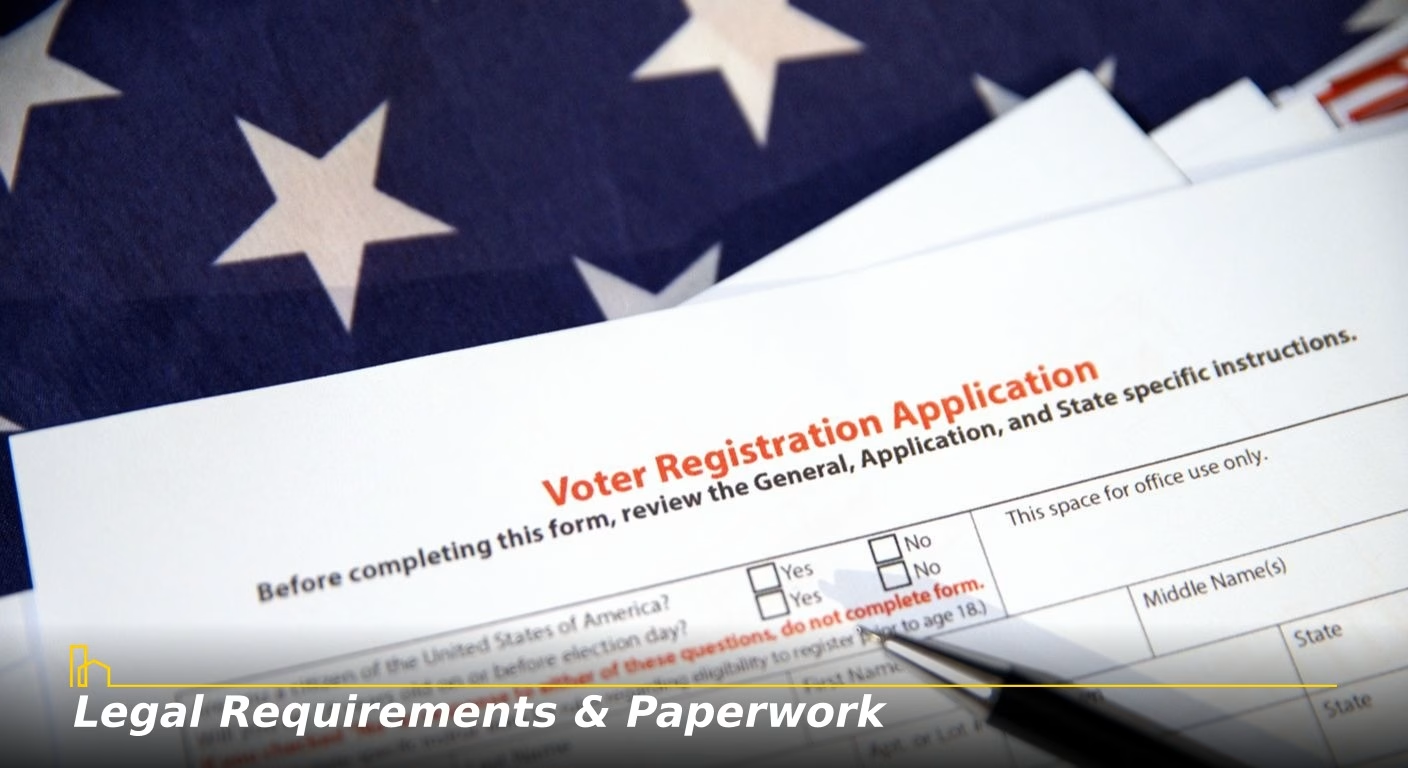
New residents must complete several tasks:
- Vehicle Registration: Required within 60 days of establishing residency. You will need an out-of-state title, proof of NH insurance, and a VIN inspection.
- Driver’s License: Required within 60 days. You must surrender your previous license. What’s needed are proof of identity, residency, and Social Security Number.
- Voter Registration: Registering to vote can occur when applying for your driver’s license or at your town clerk’s office.
- Other: If planning to hunt or fish, you will need to purchase a state license. Boat registration is required for watercraft.
7. Financial Planning

Create a realistic budget accounting for moving expenses and the higher housing costs in southern New Hampshire. Lack of state income and sales tax can offset some living expenses. Keep housing expenditures below 30% of your income. Build an emergency fund (3–6 months) to account for potential heating costs and seasonal employment variations. Take advantage of the tax benefits to increase savings or pay down debt.

Related article
The Pros and Cons of Living in Vermont
If you’re considering relocating, this guide will help you weigh the pros and cons of living in Vermont, spotlight the best cities and towns to call home, and give you a feel for the Vermont lifestyle — from community life and cuisine to recreation and affordability…
8. Insider Tips from Locals

- Embrace the Seasons: Each season offers unique activities—leaf peeping in fall, skiing in winter, hiking in summer. Learn to enjoy them all.
- Winter Preparation: Invest in quality winter gear including waterproof boots, warm layers, and reliable snow removal equipment.
- Get Involved Locally: Attend town meetings, join community groups, or volunteer to quickly become part of the community.
- Explore the State: From the White Mountains to the Seacoast, New Hampshire offers diverse landscapes within a few hours’ drive.
- Understand Property Taxes: While there’s no income or sales tax, property taxes are among the highest in the nation—factor this into your housing budget.
Conclusion
Moving to New Hampshire offers the opportunity to experience classic New England living with modern conveniences and financial benefits. Their natural beauty, safe communities, and strong economy make it an attractive destination for families, professionals, and outdoor enthusiasts alike. While housing costs can be challenging, particularly in the southern region, the absence of state income and sales tax provides significant financial advantages. With proper preparation for the climate and an understanding of the local culture, your relocation to the Granite State can be the start of a rewarding new chapter. For those still considering options, our guide on moving to Colorado might provide an interesting comparison.
Recommended for you




Frequently Asked Questions About Moving to New Hampshire
1. What is the first step to moving to New Hampshire?
The first step is to secure housing and employment. Their housing market, particularly in southern NH, can be competitive, so starting your search early is crucial. Having these secured will make your transition much smoother.
2. Should I drive or ship my car to New Hampshire?
Driving is typically the most practical option. New Hampshire is easily accessible via major interstates (I-93, I-95, I-89). Shipping a car can be pricey and is generally unnecessary unless moving from an extreme distance where driving isn’t feasible.
3. How do I get my belongings to New Hampshire?
For large relocations, using a national moving company or renting a truck is common. Pod-like services are also available. For smaller loads, using a freight service or driving a rented trailer can be cost-effective. Consider timing your move to avoid winter weather challenges.
4. What should I pack vs. buy there?
Bring all essential documents, specialized outdoor gear, and personal items. Everyday household items, furniture, and bulky goods can be purchased in New Hampshire to avoid high moving costs. You can find good deals at local stores or through online marketplaces once you arrive.
5. Is it hard to make friends in New Hampshire?
New Hampshire residents are generally friendly but reserved initially. A quickt way to make friends is through shared activities—join hiking groups, volunteer organizations, community sports leagues, or local clubs. Showing genuine interest in the community and participating in local events will help you build connections quickly.


Related Content