






The Pros and Cons of Living in New Hampshire
- Local Editor:Local Editor: The HOMEiA Team
-
Category: City Living Guide
Share


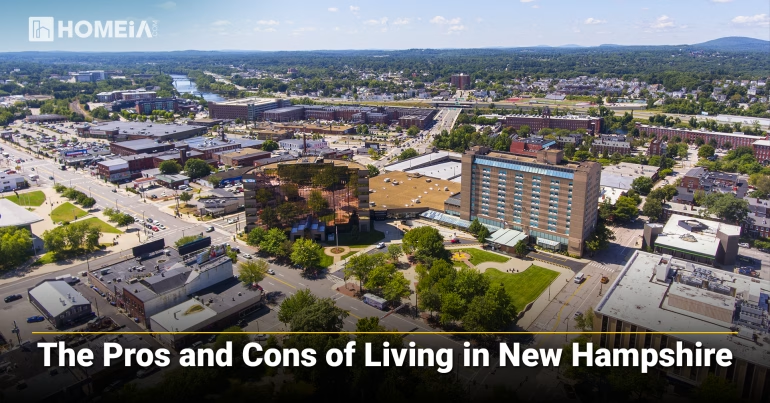
When picturing New Hampshire, what comes to mind are picturesque New England villages, stunning White Mountains, and a fiercely independent spirit. But the Granite State offers more than colonial charm; here lies a place where low taxes, outdoor adventure, and close-knit communities define everyday living. Yet, moving there comes with significant trade-offs, from harsh winters to pricey housing costs and limited public transportation. This guide provides a balanced, comprehensive analysis of the pros and cons of living in New Hampshire while offering detailed insights into the best cities for young professionals, families, and retirees. For those considering other unique states, you might explore the pros and cons of living in Vermont.
Table of Contents:
- Key Takeaways
- I. Methodology: How We Evaluated New Hampshire
- Pros: Why Choose New Hampshire? Top Benefits
- Cons: New Hampshire Living Challenges — What to Know
- Best New Hampshire Cities for Young Professionals
- Best New Hampshire Communities for Families with Young Kids
- Best Places to Retire in New Hampshire
- New Hampshire Lifestyle: Arts, Food, and Recreation
Key Takeaways
- No Income or Sales Tax: New Hampshire stands out with no state income tax and no sales tax, allowing residents to keep more of their earnings and being one of the most tax-friendly states in the nation.
- Natural Beauty & Outdoor Recreation: From the majestic White Mountains to pristine lakes and coastline, there’s year-round outdoor activities including hiking, skiing, boating, and leaf-peeping under four distinct seasons.
- High Quality of Life: Consistently ranks among the safest states with exceptional public schools, tight communities, and access to both rural tranquility and proximity to major New England cities.
- Harsh Winters & High Costs: Cold, snowy winters require preparation and adaptation, while housing costs and property taxes are among the highest in New England, offsetting some tax advantages.
- Limited Public Transportation: Outside major population centers, public transit is sparse, making car ownership nearly essential and contributing to higher transportation costs.
I. Methodology: How We Evaluated New Hampshire
Our analysis is based on a multi-factor review of key elements impacting residents’ quality of life and financial well-being. We compiled data from reputable 2025 sources, including the U.S. Census Bureau, Bureau of Labor Statistics, Zillow housing market reports, FBI crime statistics, and state agencies.
Our evaluation criteria are weighted as follows:
- Cost of Living (25%): This foundational metric analyzes day-to-day expenses defining household budgets, including the cost of groceries, utilities, transportation, and healthcare, all benchmarked against national and regional averages to gauge true purchasing power.
- Economic Health & Opportunity (25%): Long-term stability is non-negotiable. This criterion assesses the robustness of the local economy by examining median household income, unemployment trends, and the diversity of key industries to ensure a community is resilient, growing, and full of potential for its residents.
- Housing & Affordability (20%): The most significant financial decision for most. We delve beyond median home prices and rental costs to use crucial ratios like home-price-to-income and income-to-rent—providing a clear picture of how housing costs align with local earnings.
- Quality of Life & Community (20%): Affordability means little without well-being. This metric evaluates the essential factors that contribute to daily life, including access to unique cultural amenities, outdoor recreation, climate, public safety, and the strength of community engagement.
- Access & Infrastructure (10%): A community’s potential is tied to its connections. This evaluates critical modern infrastructure, including reliable high-speed internet, healthcare access, transportation links, and proximity to major employers and commercial centers.

Related article
Our Methodologies to create HOMEiA Score Ratings for Each Group of Content
HOMEiA uses a consistent, data-driven methodology to evaluate U.S. states for livability, affordability, and long-term value. Our analysis centers on key factors such as Housing and Affordability, Cost of Daily Living, Access and Infrastructure, Community Strength, Safety and Quality of Life, Economic Resilience and Job Market…
Pros: Why Choose New Hampshire? Top Benefits
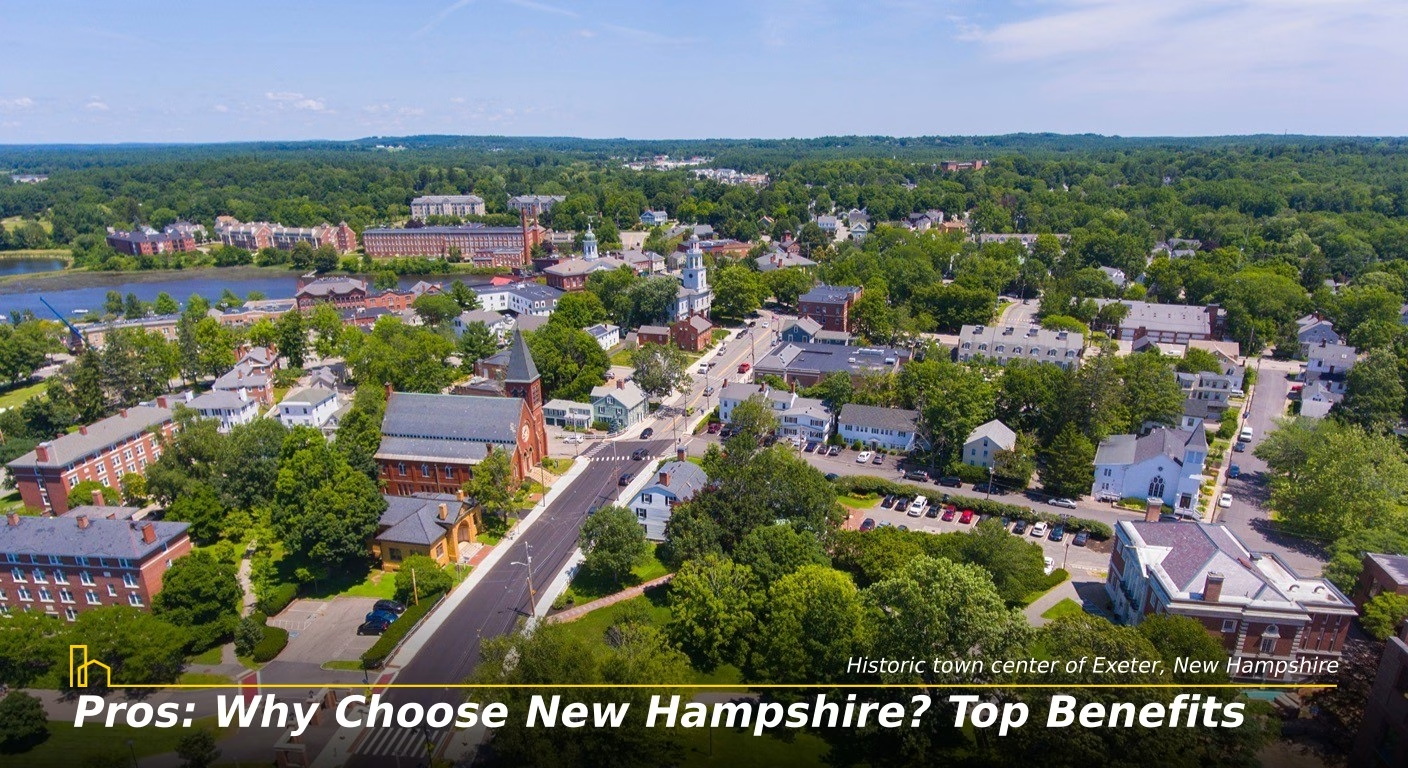
A. No State Income or Sales Tax: New Hampshire’s most famous advantage is its tax structure. With no state income tax and no sales tax, residents keep more of their paycheck and pay less for everyday purchases. This makes it one of the most affordable states to buy a house from a tax perspective, though property taxes are high to compensate. A tax-friendly environment attracts businesses and individuals seeking financial freedom.
B. Stunning Natural Beauty and Outdoor Recreation: From the rugged White Mountains to the serene Lakes Region and short but beautiful coastline, New Hampshire offers diverse landscapes within a compact state. Residents experience world-class hiking on the Appalachian Trail, skiing at resorts like Loon Mountain and Cannon Mountain, boating on Lake Winnipesaukee, and spectacular fall foliage viewing. Their natural assets provide endless recreational opportunities year-round.
C. Excellent Quality of Life and Safety: New Hampshire consistently ranks among the safest states in the nation with low crime rates across both urban and rural areas. Boasting standout public schools, respected community values, and a high standard of living. Locals enjoy clean air, well-maintained public spaces, and a general sense of security that enhances daily life.
D. Strong Economy and Employment Opportunities: Despite its small size, New Hampshire maintains a robust economy with low unemployment rates. Key industries include tech, healthcare, manufacturing, and tourism. Close proximity to Boston provides additional employment opportunities while allowing residents to enjoy in-state lower cost of living and superior quality of life.
E. Four Distinct Seasons and Climate Diversity: Each season offers its own unique charm and activities. Spring brings maple sugaring and wildflowers, summer offers perfect lake weather, fall delivers spectacular foliage, and winter provides excellent skiing and snow sports. Climate diversity ensures there’s always something to look forward to throughout the year.
Related article
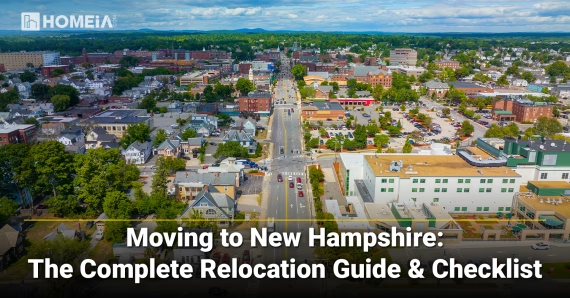
Moving to New Hampshire: The Complete Relocation Guide & Checklist
New Hampshire’s 1.4 million residents enjoy natural beauty, safety, and no income tax. From the White Mountains to the Seacoast, the state blends independence, community, and strong economic opportunity. This guide outlines key relocation essentials, including climate preparation, the tax structure, and the steps to establish residency in the Granite State.
Cons: New Hampshire Living Challenges — What to Know
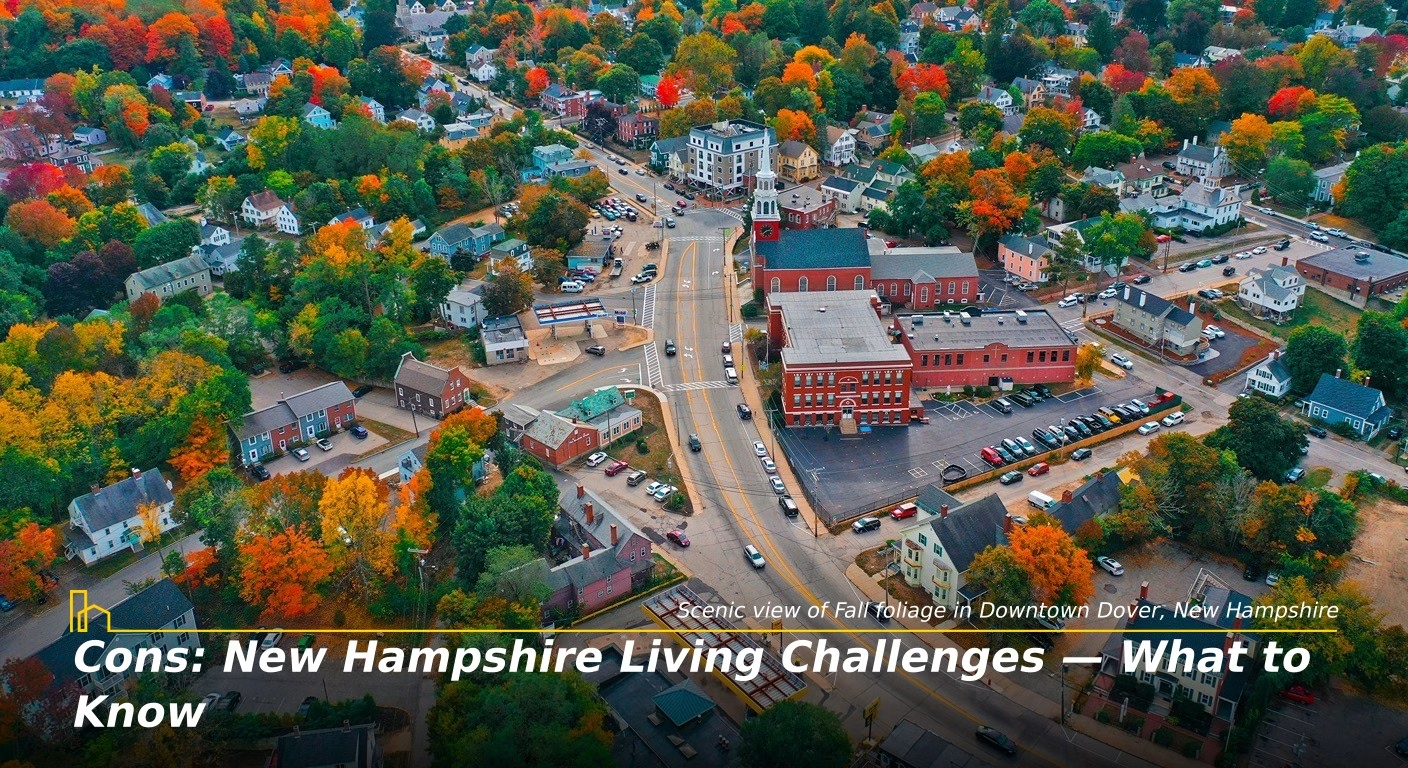
A. High Housing Costs and Property Taxes: While lacking income and sales taxes, it compensates with some of the highest property taxes in the nation. Housing costs, particularly in desirable southern communities, have risen significantly, making homeownership challenging for many. A competitive real estate market often requires quick decisions and above-asking offers.
B. Harsh Winters and Seasonal Challenges: Winters are not for the faint of heart. From November through March, New Hampshireites contend with below-freezing temperatures, significant snowfall, and challenging driving conditions. Winter heating costs can be substantial, requiring proper preparation including snow removal equipment and winter tires.
C. Limited Public Transportation: Outside of the Manchester-Nashua corridor and the Seacoast region, public transportation is minimal. Personal vehicles for daily commuting and errands are a must. This can be challenging for those preferring urban living without car dependency and contributes to higher transportation costs.
D. Higher Cost of Living: Despite tax advantages, overall cost of living exceeds the national average. A cost of living index at 112.6, or about 13.5% higher than the national average, sees housing costs 43% higher than the national average. Groceries, utilities, and healthcare costs are also typically higher than in many other states. The combination of high housing costs and everyday expenses can strain budgets, particularly for families and fixed-income retirees.
E. Rural Isolation in Some Areas: While many appreciate the Granite State’s rural character, some areas lack access to certain amenities and services. Healthcare specialists, shopping centers, and cultural venues may require significant travel from more remote communities. Internet service can also be limited in mountainous and rural regions.
Recommended for you




Best New Hampshire Cities for Young Professionals
|
City |
HOMEiA Score |
Cost of Living |
Average Monthly Rent (2-Bedroom) |
Home Price to Income Ratio |
Income to Rent Ratio |
Safety Rating |
|---|---|---|---|---|---|---|
| Manchester | 88/100 | 12.3% above U.S. average | $1,800 | 6.2:1 | 41.7x | 75/100 |
| Nashua | 86/100 | 16.9% above U.S. average | $1,700 | 5.9:1 | 44.1x | 78/100 |
| Portsmouth | 92/100 | 16.3% above U.S. average | $2,200 | 6.1:1 | 38.6x | 85/100 |
1. Manchester
As New Hampshire’s largest city, Manchester serves as the economic and cultural hub of the state. Young professionals find opportunities in healthcare, tech, finance, and education. A revitalized downtown features trendy restaurants, breweries, and cultural venues including the Palace Theatre along with a minor league baseball team, the New Hampshire Fisher Cats. With its proximity to Boston (less than an hour away) and more affordable housing than Massachusetts, Manchester offers the perfect balance of urban amenities and authentic NHlifestyle.
2. Portsmouth
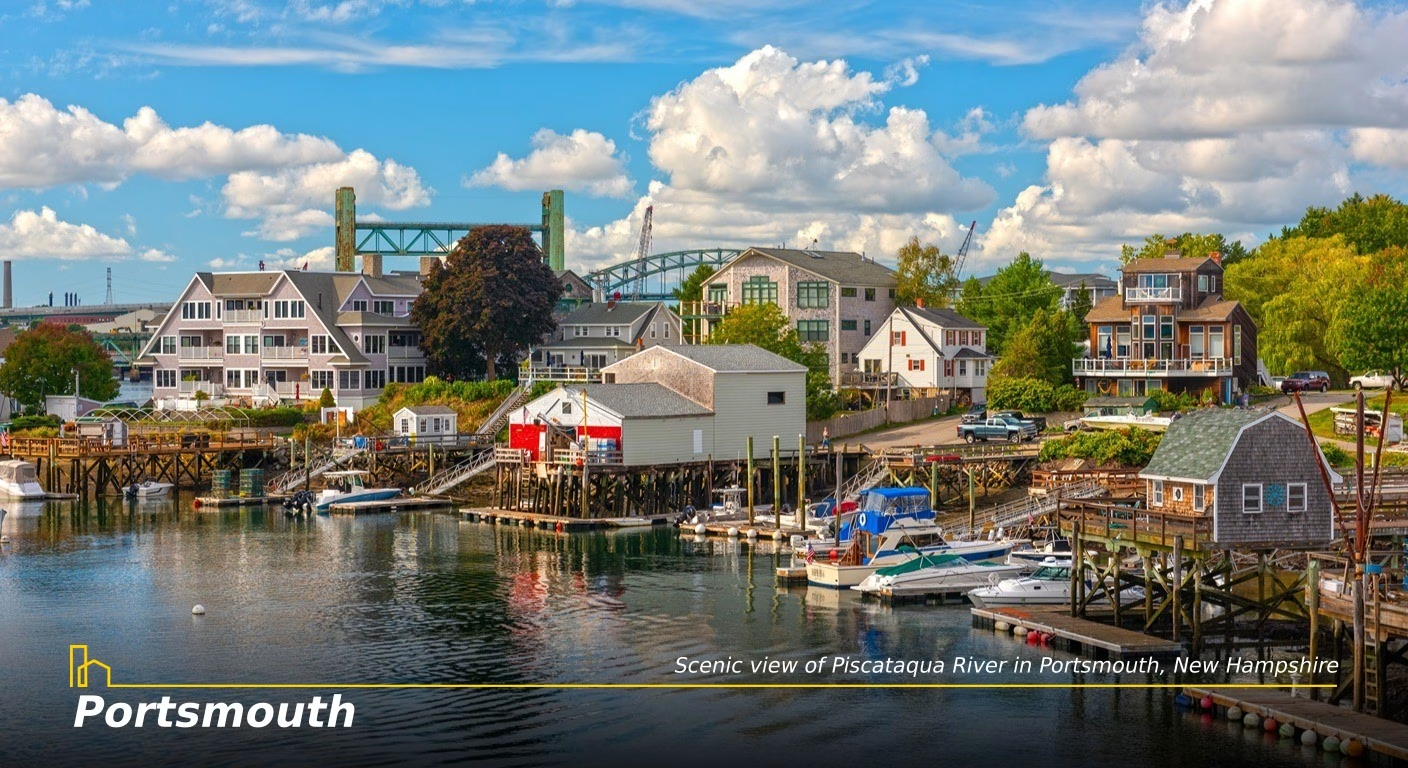
Portsmouth combines historic charm with modern sophistication, making it highly attractive to those new to the workforce. The coastal city boasts a vibrant downtown with highly-rated dining, shopping, and cultural scene. Employment opportunities span tech, healthcare, and the growing maritime industry. While housing costs aren’t cheap, quality of life, beautiful waterfront location, and proven job market make this a premier destination.
3. Nashua
Located on the Massachusetts border, Nashua offers the advantages of both states. Those who recently joined the workforce benefit from access to Beantown’s job market while enjoying New Hampshire’s tax benefits. There exists a diverse economy with strengths in innovation, healthcare, and manufacturing. With more affordable housing than its neighboring state and exceptional amenities, The Gate City provides an ideal launchpad for careers.

Related article
The 5 Best Places to Live in New Hampshire: A City Comparison
New Hampshire blends historic charm, modern innovation, and outdoor beauty, making it essential to choose the right community. This guide ranks the five best places to live in 2025 based on affordability, safety, opportunity, and quality of life, from vibrant Manchester to academic Hanover, with a comparison to Washington State.
Best New Hampshire Communities for Families with Young Kids
|
City |
HOMEiA Score |
Cost of Living |
Average Monthly Rent (2-Bedroom) |
Home Price to Income Ratio |
Income to Rent Ratio |
Safety Rating |
|---|---|---|---|---|---|---|
| Bedford | 94/100 | 12.3% above U.S. average | $2,100 | 5.2:1 | 52.4x | 90/100 |
| Hanover | 96/100 | 51% above U.S. average | $2,400 | 5.0:1 | 45.8x | 92/100 |
| Concord | 85/100 | 13.0% above U.S. average | $1,600 | 5.1:1 | 46.9x | 80/100 |
1. Bedford

Consistently ranked among the best places to live in New Hampshire, Bedford offers families well-ranked schools, safe neighborhoods, and abundant amenities. The town features numerous parks, community centers, and family-friendly events throughout the year. While housing costs are substantial, a combination of top-rated education, low crime rates, and proximity to Manchester makes it worth the investment for families prioritizing education and safety.
2. Hanover

Home to Dartmouth College, Hanover offers an unparalleled educational environment for families. Hosts overachieving public schools, world-class cultural amenities, and a highly educated community. Families enjoy access to Dartmouth’s resources, including libraries, sporting events, and educational programs. The beautiful Connecticut River location and proximity to outdoor recreation make it ideal for families valuing education and nature.
3. Concord
As the state capital, Concord provides families with stable employment opportunities, commendable schools, and affordable housing compared to southern communities. It offers a balanced lifestyle with access to government jobs, healthcare positions, and educational institutions. Family-friendly amenities include numerous parks, the McAuliffe-Shepard Discovery Center, and community events creating a deep-rooted feeling of belonging.


Related article
12 Best Places to Live in Vermont in 2026
We’ll take a closer look at some of the best places to reside in Vermont, considering factors such as cost of living, job opportunities and access to amenities. Whether you’re a lifelong resident of Vermont or looking for a change, keep reading to discover the best places to call home in this stunning state…
Best Places to Retire in New Hampshire
|
City |
HOMEiA Score |
Cost of Living |
Average Monthly Rent (2-Bedroom) |
Home Price to Income Ratio |
Income to Rent Ratio |
Safety Rating |
|---|---|---|---|---|---|---|
| Portsmouth | 92/100 | 16.3% above U.S. average | $2,200 | 6.1:1 | 39.1x | 85/100 |
| Hanover | 96/100 | 51% above U.S. average | $2,400 | 5.0:1 | 43.8x | 92/100 |
| Laconia | 82/100 | 2% above U.S. average | $1,400 | 4.8:1 | 50.0x | 75/100 |
1. Portsmouth
For retirees seeking an active, culturally rich lifestyle, Portsmouth is a keen choice. Their walkable historic downtown offers fine dining, boutique shopping, and cultural venues including The Music Hall. Retirees appreciate the ranked healthcare facilities, vibrant arts scene, and coastal location. While costs are high, the quality of life, social opportunities, and access to amenities make Portsmouth rewarding for those who can afford it.
2. Hanover

Golden agers seeking intellectual stimulation and natural beauty find Hanover ideal. Access to Dartmouth College provides lifelong learning opportunities, cultural events, and world-class healthcare at Dartmouth-Hitchcock Medical Center. Not needing a car to travel around town, safety, and access to outdoor recreation create an enriching retirement environment for active seniors who value education and community engagement.
3. Laconia
Located in the Lakes Region, Laconia offers those done with work beautiful lake views and more affordable living. The area provides access to Lake Winnipesaukee for boating and fishing, along with a range of housing options from waterfront properties to more modest homes. Retirees enjoy community events, reasonable costs, and the natural beauty of the region without the premium prices of coastal communities.

Related article
Cheapest Places to Live in Massachusetts
Discover the cheapest places to live in Massachusetts with this helpful guide. From Boston’s city life to the peaceful Berkshires, explore affordable towns, top schools, vibrant communities, and diverse lifestyles…
New Hampshire Lifestyle: Arts, Food, and Recreation

A. Arts and Culture: New Hampshire’s cultural scene blends traditional New England charm with contemporary creativity. Cities from Portsmouth to Manchester host vibrant arts communities with galleries, theaters, and music venues. Granite Staters celebrate their history through preserved colonial architecture, museums, and historical sites. Seasonal events including fall festivals, holiday celebrations, and summer concerts create a rich cultural tapestry throughout the year.
B. Food Scene: The culinary landscape reflects an agricultural heritage and coastal location. From farm-to-table restaurants showcasing local produce to seafood shacks serving fresh lobster and clams, the food scene emphasizes quality and freshness.Here, craft beer industry has flourished, with numerous breweries offering unique local flavors. Farmers’ markets across the state provide access to fresh, locally grown products.
C. Outdoor Activities: Outdoor recreation is central to the New Hampshire lifestyle. The White Mountains offer world-class hiking, skiing, and leaf-peeping. The Lakes Region provides boating, fishing, and water sports. Seacoast offers beach activities and coastal exploration. With state parks covering diverse landscapes, residents enjoy year-round access to nature and outdoor pursuits that promote active, healthy living.
D. Community Life: New Hampshire’s communal identity is evident in town meetings, local festivals, and neighborhood gatherings. The state’s “Live Free or Die” spirit fosters independence while maintaining close-knit communities. Residents actively participate in local governance, volunteer organizations, and community events strengthening social bonds, creating a supportive environment for all ages.
Conclusion: Is New Hampshire Right for Your Lifestyle?
New Hampshire offers a compelling combination of natural beauty, economic opportunity, and quality of life attracting residents from across the country. Their tax advantages, well-regarded schools, and safe communities provide a stable foundation for families, professionals, and retirees alike.
The decision to call this state home depends on your priorities and adaptability. If you value outdoor recreation, community engagement, and financial benefits from the tax structure, while being prepared for winter challenges and higher housing costs, New Hampshire could be your ideal home.
Weigh the stunning landscapes against the seasonal weather, the economic opportunities against the cost of living, and the community values against the rural character of some areas. For those still considering their options, our guide on essential steps for moving to a new city is a great resource.
Recommended for you




Frequently Asked Questions About Living in New Hampshire
1. How do New Hampshire’s taxes compare to other New England states?
New Hampshire stands out in New England with no state income tax and no sales tax. However, property taxes are among the highest in the region to compensate. This tax structure generally benefits higher-income earners and can be advantageous for retirees on fixed incomes.
2. How severe are New Hampshire winters really?
Winters are substantial, particularly in northern and mountainous regions. Expect significant snowfall from December through March, with temperatures often staying below freezing. Southern areas experience milder conditions but still receive regular snow. Proper winter preparation including snow tires, heating systems, and warm clothing is essential.
3. Is New Hampshire a good place to raise a family?
Yes, New Hampshire consistently ranks among the best states for families due to overachieving schools, low crime rates, and abundant recreational opportunities. Communities including Bedford, Hanover, and Concord offer particularly better environments for child development and family life.
4. What are the job prospects in New Hampshire?
Job prospects are generally strong, with low unemployment rates across the state. Key industries include healthcare, tech, manufacturing, and tourism. The southern region benefits from proximity to Boston’s job market, while the Lakes Region and White Mountains offer opportunities in tourism and hospitality.
5. How is healthcare access across the state?
Healthcare access is well-regarded in southern New Hampshire and the Hanover area, with major medical centers and specialists readily available. More rural areas experience limited access to certain specialists, requiring travel to larger cities. Overall, the state maintains high-quality healthcare facilities.
6. What are the best outdoor activities in New Hampshire?
Hiking in the White Mountains, skiing at various resorts, boating on the lakes, leaf-peeping in fall, and exploring the coastline are top activities. Its diverse geography supports year-round outdoor recreation for all skill levels and interests.
7. What is New Hampshire’s social and cultural environment?
New Hampshire residents are generally independent, practical, and community-oriented. The culture values personal freedom, environmental conservation, and civic engagement. Social life often revolves around outdoor activities, community events, and local gatherings that reflect the state’s strong sense of place and tradition.


Related Content