








Quartz vs. Granite Countertops: A 2026 Homeowner’s Guide
- Local Editor:Local Editor: The HOMEiA Team
-
Category: Home Improvement
Share


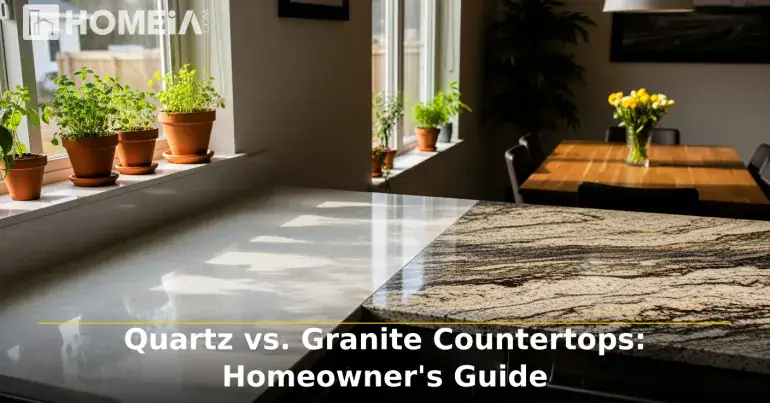
Choosing new countertops is a monumental decision you will make during a kitchen or bathroom remodel. The surface picked sets the tone for the entire room and needs to blend beauty with durability. For years, the battle for kitchen supremacy has been between two heavyweight materials: classic granite and modern quartz. It’s easy to wonder which is truly the best for your home, lifestyle, and budget. This is not a one-size-fits-all answer. The right choice depends on what you value most in your daily life.
This comprehensive guide will provide a clear and honest comparison between these popular materials, helping to see why quartz countertops are so highly recommended. We will explore costs, look at the latest styles, and help understand the pros and cons of each. Our goal is to instill the confidence to make a decision that will lead to happiness whenever entering the room. Let’s dive into the world of quartz and granite to discover which countertop is your perfect match.
Table of Contents:
What Are Granite and Quartz? Understanding the Core Differences
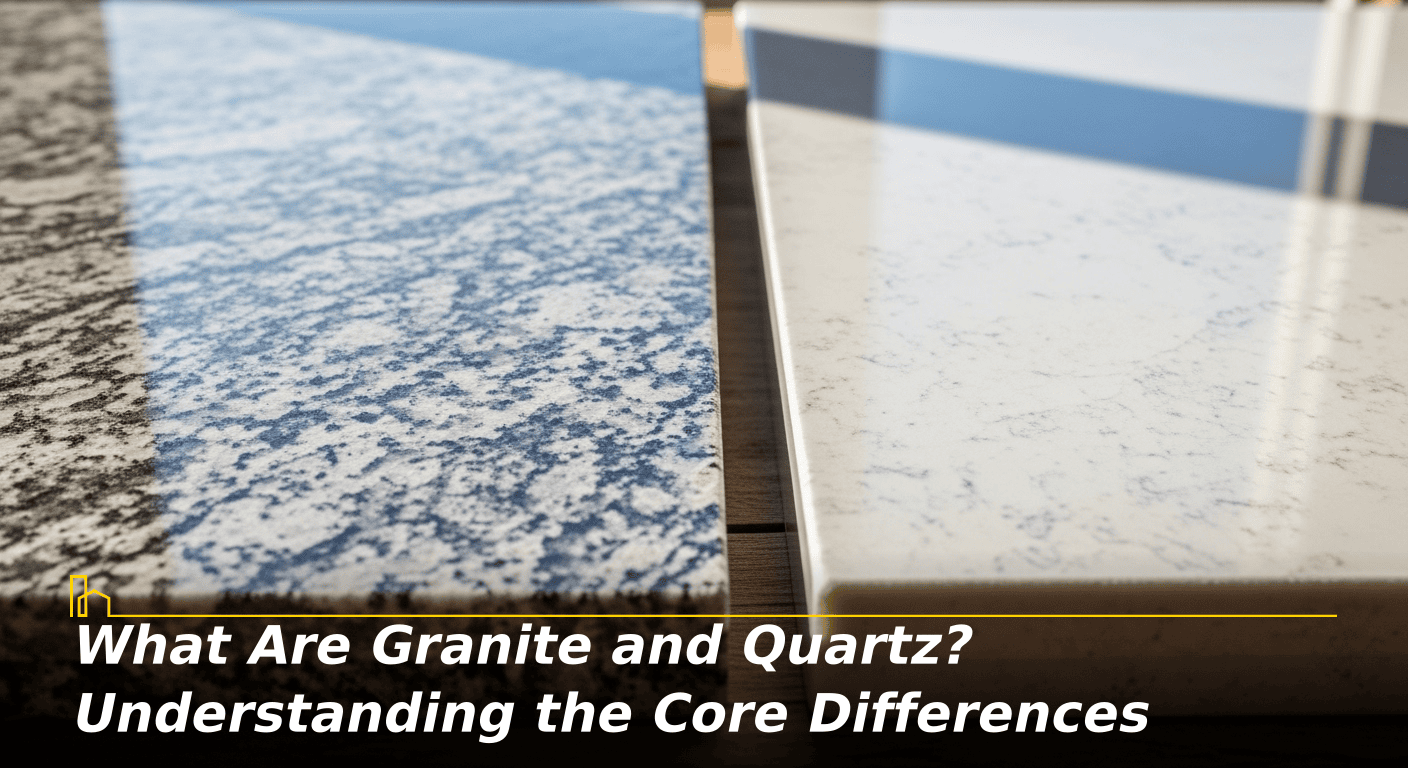
Before we compare them side-by-side, it’s important to understand what these materials are at their core. This fundamental difference is the reason for their unique performances.
The Natural Stone
Granite is a 100% natural stone formed over millions of years deep within the earth’s crust. It is quarried in massive blocks, which are then cut into slabs, polished, and finished for in-home use. Being a product of nature, every single slab is unique. No two patterns are identical, offering a one-of-a-kind look. Its beauty comes from the slow crystallization of minerals like quartz, feldspar, and mica, which create its signature speckled and veined appearance. Choosing granite means bringing a piece of the earth’s history into your kitchen.
The Engineered Stone
Quartz, often called engineered stone, is a man-made product. Typically composed of about 90%-95% ground natural quartz crystals—one of the hardest minerals on earth—mixed with 5%-10% polymer resins and pigments. This mixture is pressed into slabs under intense pressure and heat. Its manufacturing process allows for incredible control over the final product’s color and pattern. Doing so allows quartz a wider range of consistent and vibrant color options than typically found in nature. It combines the strength of natural stone with the versatility of human design, a key reason why industry professionals note it as a top choice for 2026.

Related article
9 Reasons You Need a Granite Kitchen Countertop Upgrade
We will give you nine reasons why you need a granite kitchen countertop upgrade and how it will benefit your family life and make your investments worth it…
Head-to-Head Comparison: Breaking Down the Key Factors
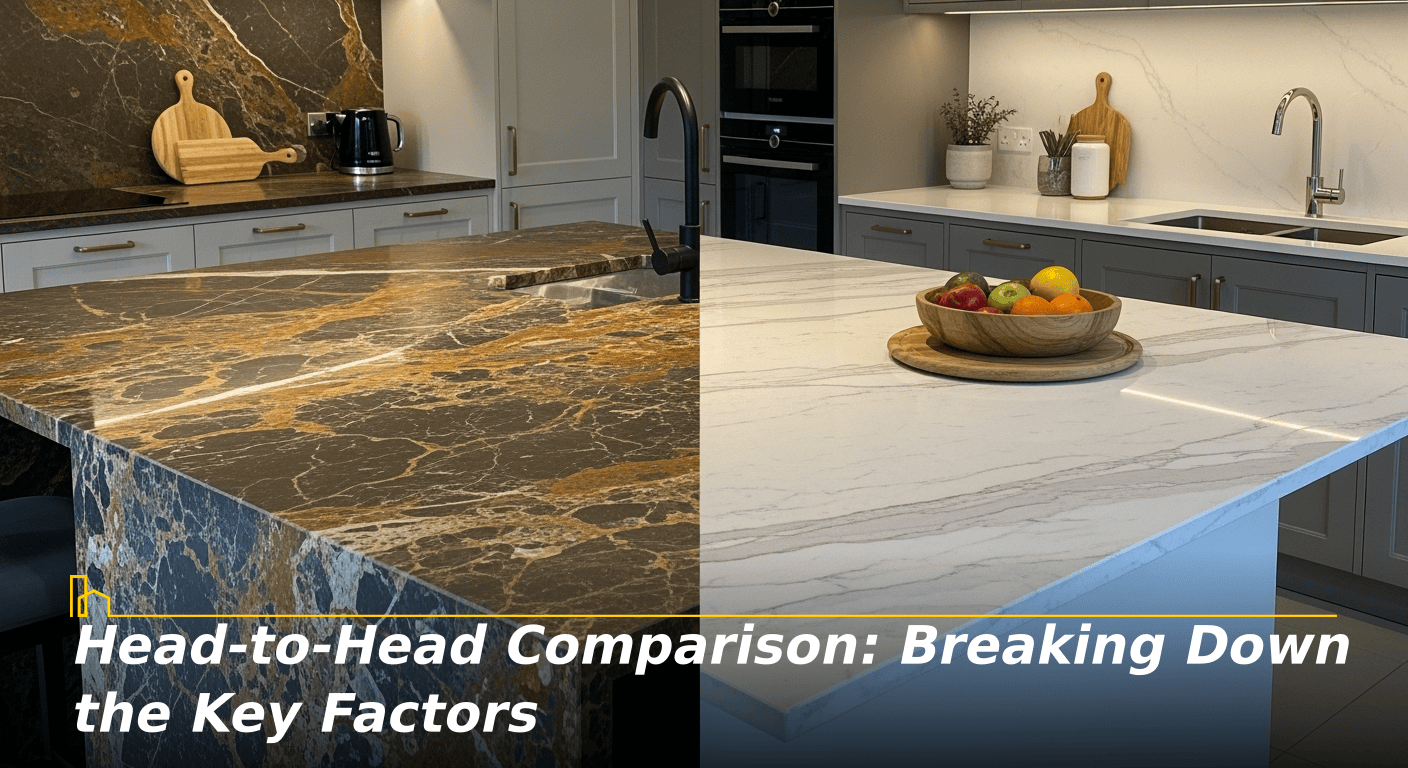
To make the best decision, you need to see how granite and quartz stack up against each other in the areas that matter most for a countertop.
Appearance and Design Options
Granite: If you love the unique beauty of natural stone, granite is for you. Its variations, mineral flecks, and complex patterns are impossible to fully replicate. Any kitchen will have a truly distinctive centerpiece. However, color choices are limited to what nature has produced, which leans towards earthy tones, mainly blacks, browns, beiges, and whites.
Quartz: For those seeking a specific aesthetic, quartz offers nearly limitless possibilities. The engineered process can mimic the look of marble, concrete, or even granite itself, but with greater consistency. It’s available in a vast spectrum of solid colors, bold patterns, and subtle designs that are not found in nature, making it ideal for modern and minimalist kitchens.
Durability and Resistance
Granite: Granite is highly durable and heat resistant. You can place a hot pot directly on it without fear of damage. However, it is a porous material, meaning it can absorb liquids and stain if not properly sealed. The material is also highly susceptible to chipping or cracking if a heavy object is dropped on it.
Quartz: Quartz is non-porous. This makes it highly resistant to staining from common household items like coffee, wine, and oil. It does not require sealing. While durable, the resin binders can be vulnerable to heat damage, so using a trivet is recommended. It is less likely to chip than granite but can be damaged by prolonged exposure to direct sunlight.
Maintenance and Cleaning
Granite: Granite requires additional maintenance compared to quartz. For staying protected from stains and bacteria, it needs to be sealed upon installation and then re-sealed periodically—typically annually or biennial. Daily cleaning is simple with mild soap and water.
Quartz: Quartz is virtually maintenance-free. Its non-porous surface means no sealing is ever required. It resists stains and bacteria growth, being a hygienic choice easy to clean with only a damp cloth. This low-maintenance quality is a main selling point for busy households.
Cost and Installation
Granite: The price of granite can vary widely based on rarity and quality of slabs, generally ranging from $40 to $200 per square foot installed. Exotic slabs can cost even more. Installation requires a professional experienced with working on natural stone.
Quartz: Quartz stays in a similar price range, from $50 to $200 per square foot installed. While the material cost can be slightly higher for premium brands, the lack of ongoing sealing can make its long-term cost of ownership lower. Like granite, professional installation is a must. When budgeting for your new kitchen, it’s wise to also understand potential plumbing inspection costs that can arise during a remodel.

Related article
10 Factors to Consider when Remodeling Your Kitchen
Whether you’ve already found your dream home or you are thinking of selling in the future, remodeling your kitchen can add to the functionality and resale value of your home. To make life a little easier, we’ve come up with a list of things you should consider prior to embarking on a…
The Verdict: Which Countertop Is Right for You?
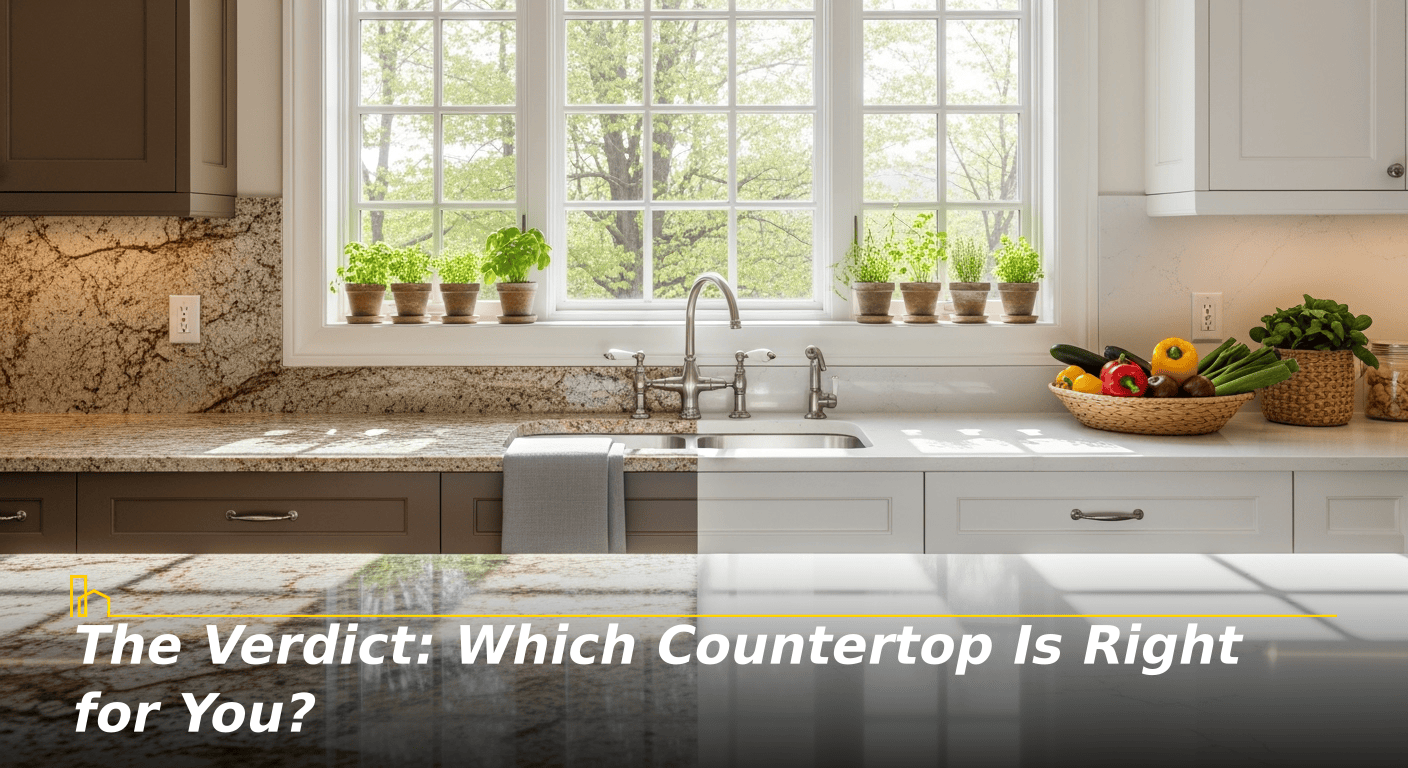
So, should you choose quartz or granite? The answer lies in your personal priorities.
Choose Granite If…
- You desire a one-of-a-kind, natural look with unique patterns.
- You want high heat resistance for direct pot placement.
- You don’t mind the periodic maintenance of sealing the stone.
- Your design style leans toward traditional, rustic, or organic.
Choose Quartz If…
- You want a low-maintenance, non-porous surface that never needs sealing.
- You have a specific color or modern design in mind that isn’t available in nature.
- Stain resistance and hygiene are your top priorities.
- You prefer a consistent and uniform pattern across your entire countertop.
Beyond the Kitchen: Other Factors to Consider
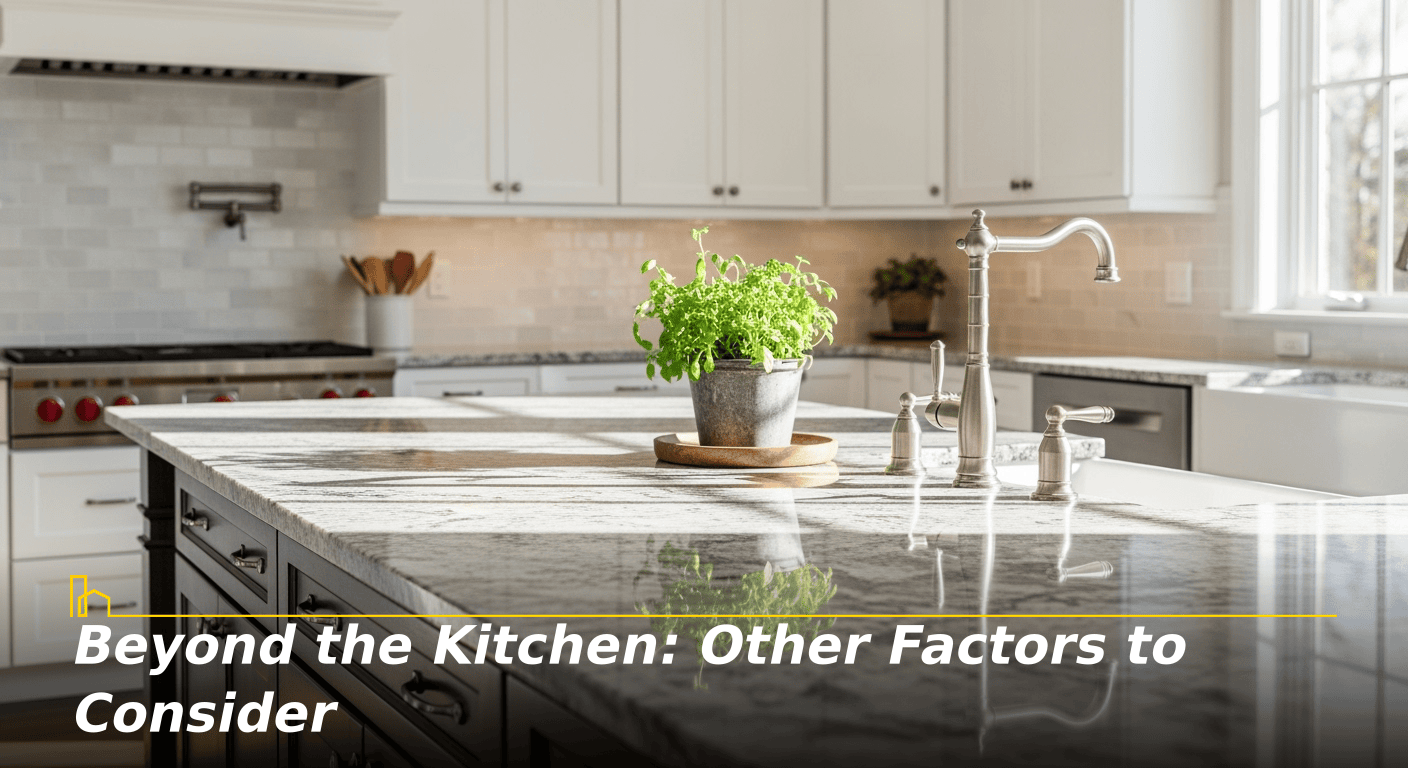
Your choice of countertop can influence other parts of your home life and future plans.
Adding Value to Your Home
Both materials are considered premium upgrades increasing your home’s value and appeal to potential buyers. As you plan such an investment, it’s helpful to learn more about the key factors that affect the value of your house beyond the kitchen.
The Bigger Picture of Homeownership
A kitchen remodel is a significant project. Being prepared for all aspects of home upkeep is key. For instance, knowing the signs your air conditioning needs expert repair or signs your home needs drainage solutions can save you from future headaches. Furthermore, if you’re making this upgrade with an eye toward eventually selling your house fast, a beautiful, durable countertop is a fantastic selling point.
Conclusion
The quartz vs. granite debate doesn’t have a clear winner—it has the right choice for you. Granite offers the timeless, unique beauty of nature but asks for minor maintenance in return. Quartz provides incredible durability, design flexibility, and a care-free lifestyle but requires high heat protection.
By weighing the factors of appearance, durability, maintenance, and cost against your own daily habits and style, you can move forward with confidence. Whichever material is chosen should be viewed as an investment in a beautiful and functional surface that will serve as the heart of your home for many years. Take your time, look at slabs in-person, and trust your instincts.
Recommended for you




Frequently Asked Questions About Quartz and Granite Countertops
1. Can I use quartz countertops outdoors?
It is generally not recommended as the polymers and resins in quartz can be damaged by prolonged exposure to direct UV rays from sunlight. This causes fading, discoloration, or warping over time. For outdoor kitchens, a natural stone like granite is a stronger and weather-resistant option.
2. How do I clean and disinfect my granite or quartz countertops?
For both surfaces, use a soft cloth or sponge with warm water and a mild dish soap. For disinfecting, both materials are different:
Quartz: A household disinfectant spray or wipe suffices. Avoid products with bleach for regular cleaning, as they can dull the finish over time.
Granite: Avoid vinegar, lemon juice, or other acidic cleaners, as they can degrade the sealant and etch the stone. Instead, use a disinfectant specifically formulated for natural stone.
3. Are there any eco-friendly considerations between quartz and granite?
Both have environmental impacts. Granite quarrying is energy-intensive and involves transporting heavy stone across long distances. Quartz manufacturing requires mining the quartz crystal and uses energy in production, but some brands incorporate recycled materials. If eco-friendliness is a priority, look for quartz brands with recycled content or ask your supplier about locally sourced granite to reduce transportation emissions.
4. Which countertop is more budget-friendly in the long run?
While the initial installed costs are similar, quartz often has a lower long-term cost of ownership. This is because granite requires the purchase of sealant and the time or money spent on re-sealing every few years. Quartz’s non-porous nature eliminates this recurring expense and task.
5. Can I install these countertops myself to save money?
It is highly discouraged. Both granite and quartz slabs are extremely heavy, fragile, and require specialized tools for cutting and polishing. Precise templating and installation are critical to avoid costly mistakes, notably cracking a slab. Professional installers have the experience and equipment to ensure a safe and beautiful result, protecting your investment. Successful installations are only one part of a larger project; for more extensive renovations, be sure to understand the specifics of repairing duplex roofing or other structural elements if needed.


Related Content




















































































































![10 Most Affordable (Safe) Places to Live in the U.S. [Updated]](https://homeia.com/wp-content/uploads/2025/08/10-Safest-and-Most-Affordable-Places-to-Live-in-the-U.S-570x298.webp)