







This year kitchen design prioritizes sustainability and ethical sourcing over aesthetics. Countertops have become key indicators of environmental integrity, evaluated through full lifecycle analysis—from origin and embodied energy…
Top 5 Contenders for Your Sustainable & Eco-Conscious Kitchen
- Local Editor:Local Editor: The HOMEiA Team
-
Category: Home Improvement
Share
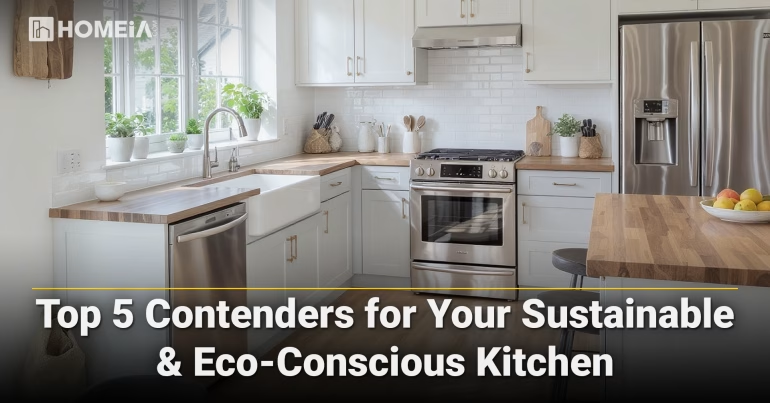
The kitchen has always been the heart of the home. It’s also becoming a statement of environmental values and ethical responsibility. Today’s homeowners, eco-conscious renovators, and design professionals are no longer satisfied with surfaces only visually-appealing; they demand materials demonstrating verified environmental responsibility, ethical sourcing, and a healthier home. Choices of countertops, a central feature in any kitchen, are now a defining statement in sustainable home renovation design.
The era of quarrying virgin stone and relying on energy-intensive, non-recyclable materials is metamorphosing. Modern, eco-friendly kitchen surfaces markets are booming with innovation, offering stunning aesthetics without compromising the planet’s health. Fueled by a comprehensive understanding of lifecycle analysis—considering not only where a material comes from, but the energy used to produce it, its durability over decades, and its ultimate fate. This guide examines leading sustainable countertop materials, empowering you to make an informed, beautiful, and truly green choice for your kitchen.
Table of Contents:
- Key Takeaway
- 1. Butcher Block Countertops
- 2. Recycled Quartz Countertops
- 3. Composite Countertops
- 4. Terrazzo Countertops
- 6. Five Sustainable Countertop Comparison at a Glance
- 7. Addressing Common Consumer Concerns
- 8. Actionable Tips for Selecting and Sourcing
- The Future of Kitchen Design is Circular
- Frequently Asked Questions
Key Takeaway
Choosing sustainable and eco-friendly countertops demonstrates commitment to design excellence and planetary health for both motif leadership and planetary health. Sustainable materials including recycled glass, reclaimed wood, innovative composites, and low-VOC surfaces combine high durability with luxury aesthetics and a transparent supply chain. These surfaces are not only reducing landfill waste and carbon footprints, but also fostering healthier indoor air quality and simpler care routines. Today’s eco-conscious choices empower homeowners to maximize long-term value while aligning their kitchens with the highest benchmarks of sustainability, safety, and style.
Let’s delve into the specifics of the most prominent sustainable materials, examining what makes them a smart choice for your green kitchen design.
Related article
1. Butcher Block Countertops
A timeless classic that has graced kitchens for centuries, butcher block is experiencing a well-deserved revival thanks to its inherent sustainability and warm, inviting aesthetic. When sourced responsibly through certified forestry programs, they deliver both natural beauty and measurable environmental benefits to the forefront.
- Environmental Benefits & Sourcing: Butcher block is a champion of renewable resources. Wood is a naturally renewable material, especially when sourced from responsibly managed forests. It’s best to find providers prioritizing sustainable countertops through certifications like the Forest Stewardship Council (FSC) or the Sustainable Forestry Initiative (SFI). Doing so ensures the wood is harvested in practices maintaining the forest’s biodiversity and productivity. Butcher block also has a remarkably low embodied energy compared to stone or engineered surfaces, as the manufacturing process (sawing, planing, gluing) requires far less energy than quarrying or industrial fabrication.
- Durability & Maintenance: Wood champions exceptional durability when properly maintained, combined with unique reparability. While it can be susceptible to scratches, cuts, and water stains, this is inherent to natural materials, reflecting authentic use of a well-used kitchen. However, its greatest advantage is its reparability. Surfaces becoming worn or damaged can be easily sanded and re-oiled, making it look new again—a feature no stone or composite material can offer. Regular maintenance with food-grade mineral oil or hard-wax oil is essential to preserve integrity to protect the wood and keep it hygienic.
- Certifications to Look For: The essential certifications for butcher block countertops are the FSC and SFI labels. These verify the wood was not sourced from illegal logging or endangered forests. Additionally, inquire about the adhesives used in the lamination process; low-VOC, formaldehyde-free glues are essential for maintaining healthy indoor air quality.

Related article
Key Things to Know Before Hiring an Interior Designer for Your New Home
Hiring an interior designer is one of the best things you can do for your new home, and not only in terms of aesthetics. An experienced interior designer can transform even the blandest of spaces into a beautifully cohesive residence…
2. Recycled Quartz Countertops
Engineered quartz is composed of about 90%-95% ground quartz mineral and 5%-10% polymer resins. Sustainable evolution of this category is a game-changer.
- Environmental Benefits & Sourcing: Conventional engineered quartz relies on virgin material mining, presenting environmental challenges of quartz and the use of petroleum-based resins. Recycled quartz countertops flip this script. Leading manufacturers now use a high percentage of post-industrial and post-consumer waste. This includes scrap material from their own production lines, recycled glass, and even reclaimed stone from other projects. Furthermore, bio-based resins derived from soy and plant materials are now available as replacements for petroleum-based binders, significantly reducing the product’s carbon footprint.
- Durability & Maintenance: The recycled version matches traditional quartz in durability while offering superior environmental credentials, non-porous while being scratches, stains, and heat resistant. While requiring zero sealing, maintenance includes soap and water, making it a hygienic and low-maintenance option.
- Certifications to Look For: Seek out manufacturers with transparency about their recycled content (verified by Declare Labels or Environmental Product Declarations – EPDs). Countertop certifications like Cradle to Cradle Certified™ are the gold standard, assessing a product’s safety for humans and the environment, its design for future life cycles, and its responsible manufacturing processes.
3. Composite Countertops
The third category represents a breakthrough in sustainability, converting waste streams into durable, beautiful surfaces. Composite surfaces are typically a blend of a binding material (like cement or resin) with a high percentage of recycled aggregates.
- Environmental Benefits & Sourcing: The defining feature of sustainable composite countertops is their high recycled content, which can often exceed 80%-95%. The aggregates used are incredibly diverse, including:
- Post-consumer recycled glass
- Porcelain from old sinks and toilets
- Mirror and window glass
- Fly ash (a byproduct of coal combustion)
- Recycled paper (for paper composite surfaces like Richlite and PaperStone)
- Seashells and bio-resins
By diverting substantial waste from landfills and reducing demand for virgin materials, composites represent a truly circular economy in action.
- Durability & Maintenance: Durability varies by composition. Glass-based composites are exceptionally hard, highly stain-resistant, and heat-proof. Paper-based composites offer a warm, soapstone-like feel but can be susceptible to scratches and heat damage, despite being fully repairable through sanding and refinishing. Cement-based composites are durable but typically require periodic sealing to prevent staining.
- Certifications to Look For: Commonly, composite brands proudly publish their recycled content percentages. Look for Health Product Declarations (HPDs) that disclose all ingredients and verify the absence of harmful VOCs (Volatile Organic Compounds). Greenguard Gold certification is a key indicator of low chemical emissions, contributing to superior indoor air quality.

Related article
Top 10 Things to Know When Shopping for Your Modern Home’s Furniture
High-quality furniture is an investment, much like your home, or your car. If you wouldn’t purchase a house or a car without putting in ample time and research, you shouldn’t impulse buy on furniture, either. Furniture shopping without proper planning can leave you feeling…
4. Terrazzo Countertops
Terrazzo, a material with centuries of proven performance, is experiencing a significant resurgence in modern interiors, and for good reason. Its inherent sustainability and customizability are becoming favorites among designers.
- Environmental Benefits & Sourcing: Traditional terrazzo is made by embedding chips of marble, granite, or glass into a cement or epoxy binder. The modern, eco-friendly approach uses a high percentage of reclaimed stone chips and recycled glass. Binders are also evolving, with options including bio-epoxies and low-dust cement. Since it can incorporate a wide variety of leftover materials from other industries, terrazzo is a masterclass in creative reuse.
- Durability & Maintenance: Terrazzo is famously durable—it’s used in high-traffic commercial spaces like airports for a reason. Their resistance to chips, cracks, and stains, especially when properly sealed. Its seamless nature makes it simple to clean. Over time, it can develop a beautiful patina, and if damaged, it can be professionally refinished.
- Certifications to Look For: Sustainability of a terrazzo countertop is highly dependent on the fabricator. Ask them to specify the percentage and source of their aggregates and the type of binder used. A fabricator committed to green practices can provide this information and may source materials with their own recycled content certifications.
5. Surfaces with Reclaimed Stone Chips
This category is distinct from terrazzo and focuses on creating entirely new slabs from fragmented stone, offering a natural look with a much lighter environmental footprint.
- Environmental Benefits & Sourcing: This innovative approach involves taking off-cuts, damaged slabs, and other waste from granite, marble, and quartzite quarries and fabrication shops. These reclaimed stone chips are crushed to a desired size and then bound together with a cement-based or resin-based binder to form new slabs. The process dramatically reduces the waste associated with stone countertop production and lessens the demand for new quarrying.
- Durability & Maintenance: Performance is similar to that of the original stone and the binder used. A slab made with granite chips in a resin binder will be very hard and non-porous, while one in a cement binder may require sealing. Generally, it offers standout durability and a unique, speckled aesthetic that is impossible to achieve with a single piece of stone.
- Certifications to Look For: Similar to composites, the key metric is the percentage of post-industrial recycled content. Look for manufacturers who can provide EPDs that quantify the environmental savings in terms of reduced water usage, energy consumption, and global warming potential compared to virgin stone.
Recommended for you




6. Five Sustainable Countertop Comparison at a Glance
| Material | Key Pros | Key Cons | Cost Range (per sq. ft. installed) | Sustainability Credentials |
|---|---|---|---|---|
| Butcher Block | Renewable, biodegradable, warm aesthetic. Can be sanded and refinished easily. | Requires regular oiling/sealing; susceptible to scratches, heat, water damage; not as bacteria-resistant as non-porous surfaces. | $50 – $150 | FSC/SFI certifications, low embodied energy, carbon sequestration. |
| Recycled Quartz | Extremely durable, non-porous; no sealing required; consistent appearance, wide color range. | Can be damaged by excessive heat; visible seams; limited use of bio-resins in the market. | $80 – $150+ | High recycled content, potential bio-polymers, Cradle to Cradle. |
| Composite (Glass/Paper) | Very high recycled content (80%+); unique aesthetics; uses post-consumer waste. | Durability varies by type (paper can scratch); some require sealing; heavy material. | $100 – $200+ | Circular economy, Greenguard Gold, uses industrial waste streams. |
| Terrazzo | Incredibly durable, customizable, seamless. | Expensive; requires pro sealing; cold/hard underfoot with concrete sub-base. | $100 – $250+ | Reclaimed stone/glass, long lifespan, lowers replacement cycle. |
| Reclaimed Stone Chips | Natural stone look; reduces quarrying waste; one-of-a-kind patterns. | Limited availability, may need sealing, newer technology, fewer suppliers. | $90 – $180 | Recycled quarry/fabricator waste, low embodied energy. |
7. Addressing Common Consumer Concerns
- Durability: Myths surrounding sustainability means less durable is thoroughly debunked by these materials. Recycled quartz and composites made with glass or stone are as tough, if not tougher, than many conventional granite countertops. Longevity is a core part of their sustainability—a countertop lasting 30+ years won’t end up in a landfill soon.
- Maintenance: Maintenance requirements are on par with high-end conventional materials. Recycled quartz and sealed terrazzo/composites are incredibly easy to care for. The key is to understand the specific needs of your chosen material and follow the manufacturer’s guidelines.
- Aesthetics: Gone are the days of limited “earthy” tones. Today’s eco-friendly kitchen surfaces come in a breathtaking array of colors, patterns, and finishes. From the sleek, uniform look of recycled quartz to the vibrant, confetti-like explosion of a glass composite or the timeless elegance of terrazzo, there is a sustainable option to match any design vision.
- Long-Term Value: Investing in a high-quality, durable, and timeless sustainable countertop enhances the resale value of your home. A growing segment of homebuyers actively seeks out properties with green features, viewing them as healthier, modernized, and more cost-effective to maintain.

Related article
Authentic Living: The Rise of Non-Aesthetic Homes
When we let go of rigid design rules and embrace the beautiful chaos of everyday life, our homes become refuges that reflect who we really are. The most meaningful spaces tell our stories honestly, with all their imperfections and quirks. That’s not just liberating—it’s revolutionary in a world that often values appearance over substance…
8. Actionable Tips for Selecting and Sourcing
Creating an eco-friendly choice requires a bit of diligence. Here’s how to ensure your selection aligns with your values:
- Interrogate Your Supplier:
Ask direct questions:- “What is the post-consumer and post-industrial recycled content percentage of this slab?”
- “What is the binder made from? Do you offer bio-based resin options?”
- “Can you provide the EPD, HPD, or other countertop certifications for this product?”
- “What are your own shop’s waste management practices?”
- Verify Certifications:
Look for real documentation. Greenguard Gold ensures healthy indoor air. Cradle to Cradle Certified signals circular economy design. - Consider the Entire Lifecycle:
Prefer locally sourced, check fabricator practices (water-fed tools, scrap recycling), and anticipate end-of-life disassembly. - Request a Sample:
Always view a sample in your kitchen’s light and test it for stains with wine, coffee, and oil.
The Future of Kitchen Design is Circular
The movement towards sustainable countertops is more than a passing trend; it is a fundamental shift in how we conceive, build, and inhabit our spaces. Improvements in recycled quartz countertops, composite countertops, terrazzo countertops, and surfaces using reclaimed stone chips are only the beginning. The future points toward a fully circular model where kitchen surfaces are not merely “less bad” but are actively restorative—sequestering carbon, improving wellbeing, and designed for disassembly and reuse.
Choosing an eco-friendly kitchen surface is a powerful decision. It’s a vote for cleaner manufacturing, for reduced waste, and for a healthier home environment. This proves that we don’t have to choose between aesthetic beauty and environmental integrity. In 2025 and beyond, the most beautiful kitchens will be those that are not only designed for living but are also designed for the future.
Recommended for you




Frequently Asked Questions
1. Are eco-friendly countertops more expensive than traditional options?
Sustainable countertops sometimes carry higher up-front costs due to recycled materials and green certifications, but its durability and low maintenance often balance out costs over time. Investments in eco-friendly materials generally enhance home resale value and long-term appeal.
2. What countertop material has the lowest environmental impact?
Recycled glass, reclaimed wood, and bamboo composites are among the lowest-impact choices, offering substantial recycled content and rapid renewability. Each reduces reliance on virgin resources and minimizes landfill waste, especially when sourced and manufactured locally.
3. How do I verify a countertop’s eco-friendly claims?
Look for clear documentation includingFSC, Cradle to Cradle, or GREENGUARD certification. Request Environmental Product Declarations (EPDs) to confirm recycled content percentages, manufacturing emissions, and chemical safety before buying.
4. Do sustainable countertops sacrifice style or performance?
Modern eco-friendly surfaces rival traditional countertops in strength, color variety, and visual impact. Advanced technology allows for unique, customizable finishes—from jewel-like recycled glass to reclaimed wood with rich patina—without compromising on daily function or longevity.
5. How can I sustainably dispose of or replace existing countertops?
When upgrading, consider resurfacing or repurposing old counters to minimize waste. Many local facilities now recycle granite, glass, and certain composites, while donation centers may accept salvageable butcher block or stone sections for reuse.


Related Content