







Your Complete Guide to Decluttering and Estate Cleanouts
- Local Editor:Local Editor: The HOMEiA Team
-
Category: Moving
Share



Let’s be honest: stuff piles up. From that kitchen drawer full of who-knows-what to a basement that hasn’t seen the light of day in years, clutter has a way of taking over our homes and infiltrating our peace of mind. When faced with a big life change — like moving to a new city, downsizing, or handling a loved one’s estate — it becomes completely overwhelming.
But here’s the good news: you are not alone, and there is a clear path forward. This guide to decluttering and estate cleanouts will walk you through the entire process, from tidying up a single room to managing a full-house cleanout. We’ll break it down into simple, actionable steps that anyone can follow.
Key Takeaways
This guide provides a clear path to managing clutter, from a single room to a whole estate. You will learn the essential “Four-Box Method” to sort your items without getting overwhelmed. We cover room-by-room strategies and seasonal habits to maintain a clutter-free home. For large-scale projects like estate cleanouts or renovations, you’ll get a step-by-step plan, including when and how to hire professionals. Our goal is to save you time, reduce stress, and evolve from something daunting to manageable, and somewhat enjoyable.

Related article
How to Deal with a Distressed Home
However, selling a distressed property is easier said than done. Because of the numerous issues it faces, not many buyers will want to make an offer. And if you do get offers, they may be below the fair market price. Here’re a few tips to help you sell your home, no matter the condition and appearance…
Table of Contents:
Part 1: Conquering Everyday Clutter in Your Home

Decluttering isn’t about having a perfectly sterile, magazine-ready home. It’s about creating a space that works for you.
The Golden Rule: The Four-Box Method
Before you touch a single item, get four boxes or large bins and label them:
- Keep: Items you use, love, and want in your life.
- Donate/Sell: Things in good condition that are no longer needed but could benefit others (or your wallet)!
- Trash: Broken, stained, or unusable items beyond repair.
- Relocate: Items that belong in another room of the house.
Doing so stops you from continually rearranging piles.. Every item must go into one of the four boxes.
Room-by-Room Attack Plan
Tackling the whole house at once is a recipe for burnout. Focus on one room at a time, and celebrate each victory!
1. The Kitchen: The Heart of the Home
- Start with Expired Goods: Go through your pantry, fridge, and freezer. Toss anything past its expiration date.
- Tackle the Junk Drawer: Empty this completely. Be ruthless. How many dried-up pens and random screws do you really need? Return only the essentials.
- Cabinet Clean-Out: Gradually remove and review everything inside.. Do you have three vegetable peelers? Keep the best one and donate/sell the rest. If you haven’t used a specialty kitchen gadget in a year, it’s best to part ways.
2. The Living Room: Where the Family Gathers
- Conquer Paper Clutter: Mail, magazines, and school papers are clutter magnets. Create a simple system: tray for incoming mail, shredder for sensitive documents, and recycling bin for right away.
- Simplify Surfaces: Clear coffee tables, shelves, and TV stands. Keep only decorative items that brighten your day and a few frequently used items (like the remote)!
- Tame the Media: When was the last time you put on a DVD? Are old video games collecting dust? Consider digitizing media or selling what you no longer use.
3. The Bedroom: Your Personal Sanctuary
- The Closet Challenge: A golden rule is to turn all your hangers backward. Once an item is worn, turn the hanger the correct way. After six months, you’ll see exactly what you don’t wear and help find them a new home.
- The “Maybe” Pile: If you’re unsure about an item of clothing, ask yourself: “Does it fit? Do I feel great wearing it? Have I worn it in the last year?” If the answer is no, it’s time for it to go.
- Under the Bed: This should be for storage, not forgotten junk. Use under-bed boxes for seasonal items, not random clutter.
4. The Garage & Basement: The Final Frontier
These spaces become “dumping grounds.” Schedule an entire weekend for this project.
- Sort by Category, Not Pile: Instead of tackling one random pile, group similar items together. For example, gather all gardening supplies, holiday decorations, and sports equipment. This’ll showcase how much of everything you have.
- Be Realistic: That project you were going to do five years ago? It might be time to admit defeat. Letting go of “someday” items frees up immense space and mental energy.
- Plan for Disposal: These areas often generate the most junk. For a large garage cleanout, arranging for a skip bin hire Perth services can be a game-changer. It provides a central, contained place for all your waste, making it quick and painless rather than countless trips to the dump.

Related article
Common Mistakes to Avoid When Remodeling Your Home
Many people make simple yet significant mistakes during the remodeling process that can lead to unnecessary expenses and headaches. In this article, we will discuss 10 common mistakes people make when remodeling their homes and offer practical tips on how to avoid them. So, let’s dive right in!…
Make it a Habit: Seasonal Decluttering
Decluttering isn’t a one-time event. A seasonal refresh keeps clutter from creeping back in.
|
Season |
Focus Areas |
Key Tasks |
|---|---|---|
| Spring | Whole Home, Garage, Outdoor Areas | Deep clean, rotate seasonal clothing, clear out winter debris, prepare for summer. |
| Summer | Kids’ Rooms, Garage, Basement | Sort through school items from the past year, declutter toys, tackle storage areas while the weather is ideal. |
| Fall | Closets, Kitchen, Living Room | Swap summer clothes for winter, organize pantries for holidays, cozy up living spaces. |
| Winter | Home Office, Paperwork, Digital Files | Organize finances for tax season, shred old documents, clean up computer files and photos. |
Table 1: The Impact of Clutter
This table shows why decluttering is worth the effort. It’s not about a tidy space; it’s about your well-being.
|
Aspect of Life |
Impact of Clutter |
Benefit of Decluttering |
|---|---|---|
| Mental Health | Can increase stress, anxiety, and feeling overwhelmed. | Creates a sense of calm, control, and accomplishment. |
| Time Management | Wasting time looking for lost items. | Saves time; you know where everything is. |
| Finances | Buying duplicates of things you already own but can’t find. | Saves money and helps you see what you truly have. |
| Home Safety | Creates tripping hazards and fire risks. | Makes your home safer for everyone, especially in an emergency. |

Related article
The Benefits of Steel Shed Storage, with a Customizable Colorbond Shed
Colorbond sheds have the most spectacular range of colors for enhance any property, are low-maintenance and pest and fire-resistant offering great long-term value and safety. Whether they are used for the storage of equipment, protection for livestock, or just ambiance for outside…

An estate cleanout is a whole other beast. It often happens during a time of grief or high stress, such as after a loved one has passed away or moved to assisted living. Decluttering isn’t the focus; it’s respectfully managing a lifetime of possessions.
Step 1: The Initial Assessment and Plan
- Take a Deep Breath. This is a marathon, not a sprint. Give yourself grace and time.
- Secure the Property. Change locks if necessary and ensure utilities are on for lighting and cleanup.
- Locate Important Documents. Before moving anything, look for wills, deeds, insurance papers, financial records, and family photo albums. Store these in a safe place.
- Create a Timeline. Be realistic. A full estate cleanout can take anywhere from a weekend to several weeks.
Step 2: Sorting with Sensitivity
This is the most emotional part. Enlist the help of trusted family members or friends.
- Identify Heirlooms and Wishes: Did the will specify who receives certain items? Make a list first to avoid conflicts.
- Create New Categories: The four-box method expands here.
- Family Distribution: Items specific family members want.
- Valuables/Antiques: Items that may need a professional appraisal.
- Important Documents: To be handled separately.
- Donate: Furniture, clothing, and household goods in good condition.
- Junk Removal: Items that are broken, soiled, or unusable.
Step 3: Bringing in the Professionals
For an estate cleanout, professional help isn’t a luxury—it’s often a necessity. Here’s when to call the pros:
- Junk Removal Services: They are perfect for hauling away large volumes of non-hazardous waste, old furniture, and appliances. They do the heavy lifting for you.
- E Sale Liquidators/Auction Houses: If you suspect there are valuable items (art, collectibles, fine furniture), a professional can appraise and potentially sell on your behalf.
- Professional Organizers: They can bring an objective, systematic approach to the sorting process, which is incredibly helpful during an emotional time.
Recommended for you




Table 2: DIY vs. Professional Cleanout Costs & Efforts
This table helps you decide whether to handle the project yourself or hire help.
|
Factor |
DIY Cleanout |
Professional Junk Removal Service |
|---|---|---|
| Cost | Lower upfront cost (mainly truck rental, dump fees, fuel). | Higher upfront cost, but has all-inclusive pricing. |
| Time & Labor | Very high. Requires your own time and physical effort. | Very low. The crew does all the work. |
| Convenience | Low. You have to coordinate rental, loading, driving, and dumping. | High. They schedule, show up, and handle everything. |
| Safety Risk | Higher risk of personal injury from heavy lifting. | Professionals are trained and insured for safe removal. |
| Best For | Smaller projects, limited budgets, when you have strong help. | Large projects, tight timelines, lack of physical ability, or long-distance management. |
Step 4: The Final Sweep
Once the contents are cleared, there’s one last step. This is a key step if you’re preparing the property for sale as part of a larger relocation, whether that’s within the state or to a new one like moving to Minnesota.
- Schedule a Deep Cleaning: Hire a cleaning service to scrub the empty house from top to bottom. This prepares it for sale or new occupants.
- Walk Through: Do a final check of the attic, basement, and all closets to ensure nothing was missed.

Related article
8 Important Things to Consider Before Buying a Storage Shed
We’ve compiled a list of 8 important things to consider prior to purchasing your new storage shed. Many of these considerations go hand-in-hand while preparing to purchase and install a storage shed. As such, be sure to look at each of these factors before deciding on the new addition to your property…
Special Case: Junk Removal During Renovations
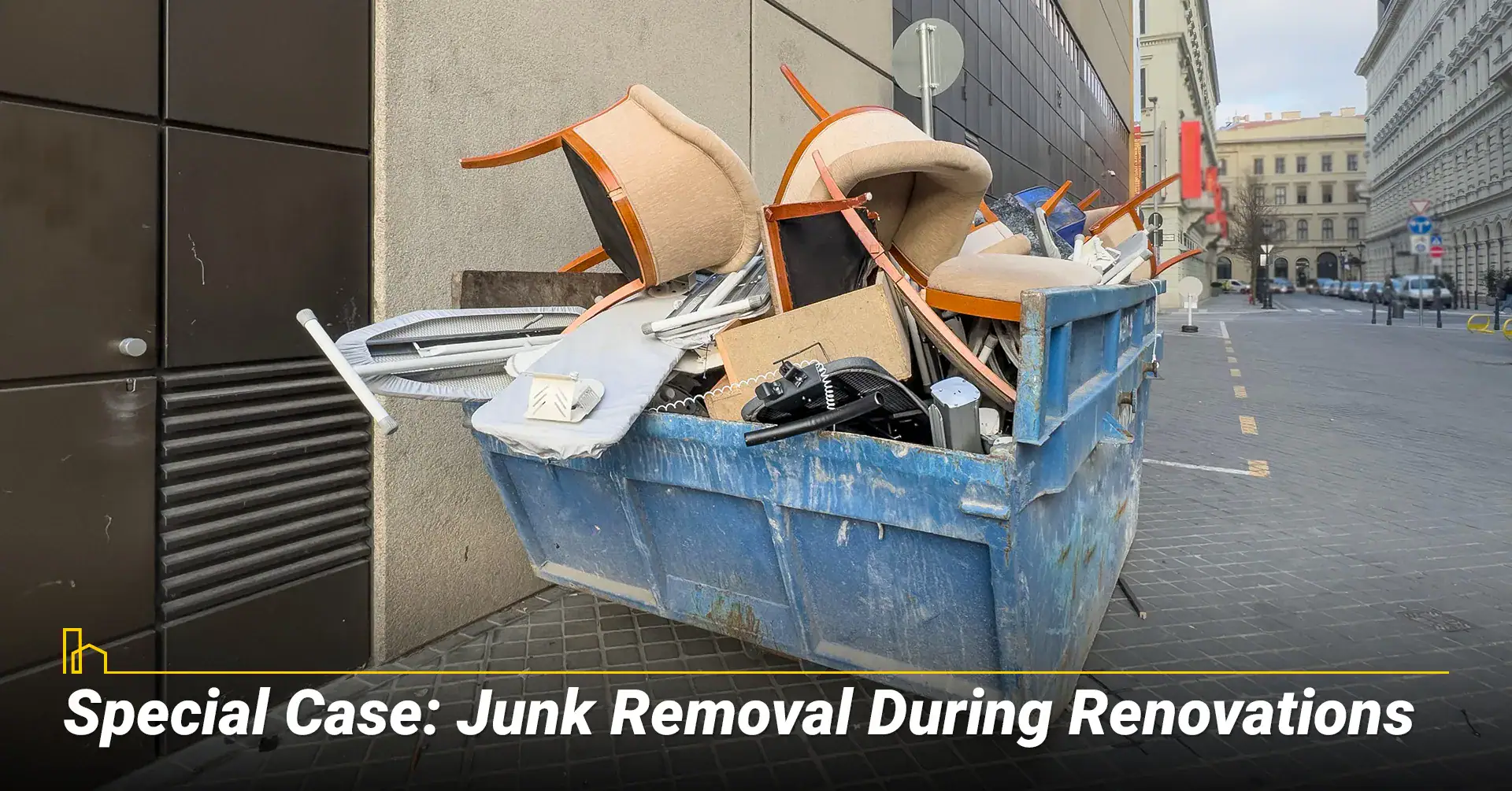
Renovations are exciting, but they create a huge amount of debris. Planning for junk removal before the first wall comes down is critical.
- The Renovation Junk Mix: You’ll have two types of junk: 1) the old materials you’re tearing out (cabinets, counters, drywall, flooring), and 2) the packaging from all the new materials.
- Rent a Dumpster: For large renovation projects, a dumpster rental is the most efficient solution. You can fill it at your own pace over several days.
- Hire a Junk Hauler: For single-day demolition projects (like tearing out an old bathroom), scheduling a same-day junk removal crew is the most efficient use of time. They haul it away immediately, so debris doesn’t sit in your driveway.
- Salvage and Donate: Before demolishing, see if anything can be saved. Old kitchen cabinets in adequate condition might be welcomed by a Habitat for Humanity ReStore. Environmentally-friendly, it can sometimes net you a tax deduction.
Conclusion: Your Peace of Mind is the Goal
Whether you’re decluttering a single closet or managing an entire estate, their principles are the same: break the project into small, manageable steps, sort with purpose, and don’t be afraid to ask for help. This process is non-negotiable if you’re downsizing as part of a growing trend or simplifying your life for a move.
Empty space is nice, but what we’re after is the relief, clarity, and the peace of mind that comes with it. By taking control of your possessions, rooms are serving their initial purpose—whether that’s a fresh start in a new home in a place like one of the best places to live in Colorado, a safer living environment for the family, or a respectful closing of a cherished chapter. When decluttering is part of a retirement plan, one might be considering a move to a popular destination; it’s worth exploring the pros and cons of living in Florida to see if it aligns with your lifestyle goals.
You can do this. Start with one drawer.
Recommended for you




Frequently Asked Questions About Decluttering and Estate Cleanouts
1) How do I deal with sentimental items without feeling guilty?
This is one of the toughest parts. The key is to be selective, not ruthless. Instead of keeping every childhood drawing, keep one or two that hold sentimental value and take photos of the rest.The memory is in you, not the object. For estate items, if you can’t keep a large piece of furniture, see if you can take a smaller part, like a cushion or a drawer pull, to remember it by.
2) What is the actual fastest way to declutter a whole house?
The “rapid fire” method. Set a timer for 15-30 minutes per room. You won’t finish, but it’ll force quick decisions on surface-level clutter. Visible progress fast tends to provide motivation. Go through each room and only remove the most obvious trash, donate items, and relocation items. Don’t get bogged down sorting photos or memorabilia at this stage.
3) What items should I NEVER just throw in the trash?
Certain items require special disposal for safety and environmental reasons. These include:
- Electronics (E-waste): Old TVs, computers, and batteries.
- Hazardous Waste: Paint, chemicals, solvents, and lightbulbs (especially CFLs).
- Appliances with refrigerants: Old fridges and freezers.
Check with your local waste management authority for drop-off locations or special collection days.
4) Is it better to donate or sell my items?
Consider the value of your time. Selling items on platforms like eBay, Depop, and Facebook Marketplace or hosting a garage sale takes time and effort. For higher-value items (including designer clothes, working electronics, or antiques), selling is worth it. With everyday household goods and clothing, donating is often faster and provides an immediate benefit to your community. A rule to live by is: if you can’t get at least $20 for it quickly, donate.
5) How do I handle large, bulky items like furniture or mattresses?
Most curbside trash services won’t take these. You have several options:
- Donation Pickup: Many charities offer free pickup for large furniture in usable condition.
- Bulk Item Pickup: Contact your local waste management service; they may have specific days for large item collection, often for an extra fee.
- Retailer Take-Back: When you buy a new mattress or appliance, ask if the company will haul away the old one.
- Professional Junk Removal: This is the easiest option for multiple bulky items or items in poor condition. They handle all the heavy lifting and disposal.


Related Content
















































































































![10 Most Affordable (Safe) Places to Live in the U.S. [Updated]](https://homeia.com/wp-content/uploads/2025/08/10-Safest-and-Most-Affordable-Places-to-Live-in-the-U.S-570x298.webp)