



Tenant Rights When a Rental is Unsafe or Uninhabitable: From Code Complaints to Breaking Your Lease Legally
- Local Editor:Local Editor: The HOMEiA Team
- Category: Rent , Home Maintenance
Share


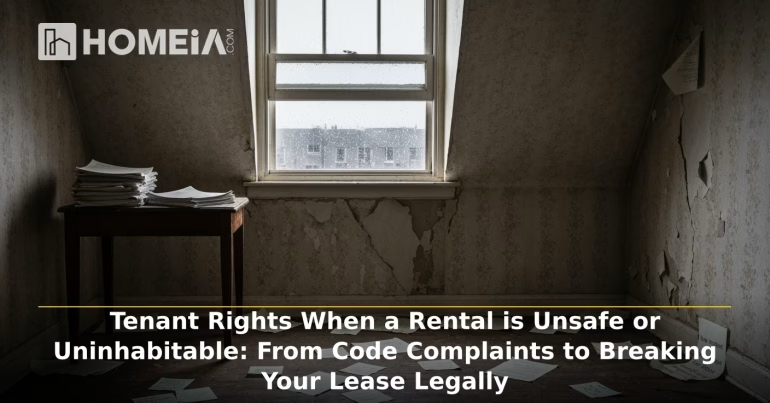
Coming home to a rental lacking heat in the winter, a leaking roof, or is infested with pests is more than an inconvenience; it is a threat to your health, safety, and stability. While landlords have significant control over their properties, they do not have the right to collect rent for a home that is dangerous or unfit for human habitation. Understanding the specific legal definition of habitability and the precise steps required to document these conditions is the only way to force repairs or, in severe cases, legally end your lease without financial penalty.
Table of Contents:
- Key Takeaways
- 1. Quick answer: What are my rights if my home is unsafe?
- 2. What does ‘habitable’ usually mean?
- 3. Step-by-step: How to handle serious repair and safety issues
- 4. When can you legally break your lease because of unsafe conditions?
- 5. Possible legal and financial remedies (depending on your state)
Key Takeaways
- Implied Warranty of Habitability: In nearly every state, landlords legally guarantee that a rental is safe and sanitary. This warranty overrides “as-is” lease clauses.
- Written Notice is Mandatory: You generally cannot take legal action or withhold rent until you have given the landlord formal written notice and a reasonable time to fix the defect.
- Document Everything: Courts rely on evidence, not stories. Keep a log of all issues, take timestamped photos, and save every text or email exchange.
- High-Risk Remedies: Withholding rent or repairing and deducting are powerful tools but can lead to eviction if state-specific rules aren’t followed.
- Constructive Eviction: If a home becomes truly unlivable and the landlord refuses to fix it, you may be able to break your lease. However, this generally involves moving out to use this defense.
- Code Enforcement: Government inspections can provide official proof of violations and pressure landlords through fines.
Disclaimer: This article provides general information and educational resources, not legal advice. Landlord-tenant laws vary significantly by state and city (e.g., rent withholding is legal in some states but grounds for eviction in others). You should always check your local housing ordinances or consult a qualified attorney or legal aid organization before withholding rent or breaking a lease.

Related article
What To Do If Your Landlord Won’t Make Repairs: Tenant Rights, Evidence Checklist, and Legal Remedies
When a landlord ignores repair requests, renters can be left in unsafe, stressful living conditions. But tenants have legal rights. By documenting issues, providing proper notice, and using local housing laws, renters can push for repairs, protect their health, and hold landlords accountable…
1. Quick answer: What are my rights if my home is unsafe?
If your rental unit has serious health or safety defects that the landlord refuses to fix, you have rights protected by the “implied warranty of habitability.” Depending on the state’s specific laws, you may be entitled to withhold rent (often by placing it in an escrow account), pay for repairs yourself and deduct the cost from rent, sue for a rent reduction, or break your lease without penalty under the doctrine of “constructive eviction.” However, you must almost always provide written notice and allow reasonable time for repairs before taking these steps.
2. What does ‘habitable’ usually mean?
Habitable is a legal term meaning a property is fit for human occupation. It does not mean the apartment is perfect or aesthetically pleasing; peeling paint or a worn carpet are usually not habitability issues. To be considered uninhabitable, the problem must be a material defect hindering health or safety.
Common examples of conditions violating the warranty of habitability include:
- Lack of Essential Services: No heat, electricity, hot water, or functioning plumbing.
- Structural Hazards: Severe roof leaks, broken windows that compromise security, or crumbling ceilings.
- Sanitation Issues: Drastic infestations of rodents (rats/mice) or insects (roaches/bedbugs).
- Environmental Hazards: Toxic mold covering a significant area, exposed lead paint, or gas leaks.
- Safety Devices: Missing or broken smoke and carbon monoxide detectors.

Related article
Illegal Evictions and Lockouts: How Tenants Can Fight Back and Reclaim Their Home
Being locked out or having utilities shut off by a landlord is illegal in most states and can feel terrifying. Staying calm and responding strategically is critical. Tenant protection laws prohibit “self-help” evictions, and emergency legal remedies, like court orders or police assistance…
3. Step-by-step: How to handle serious repair and safety issues
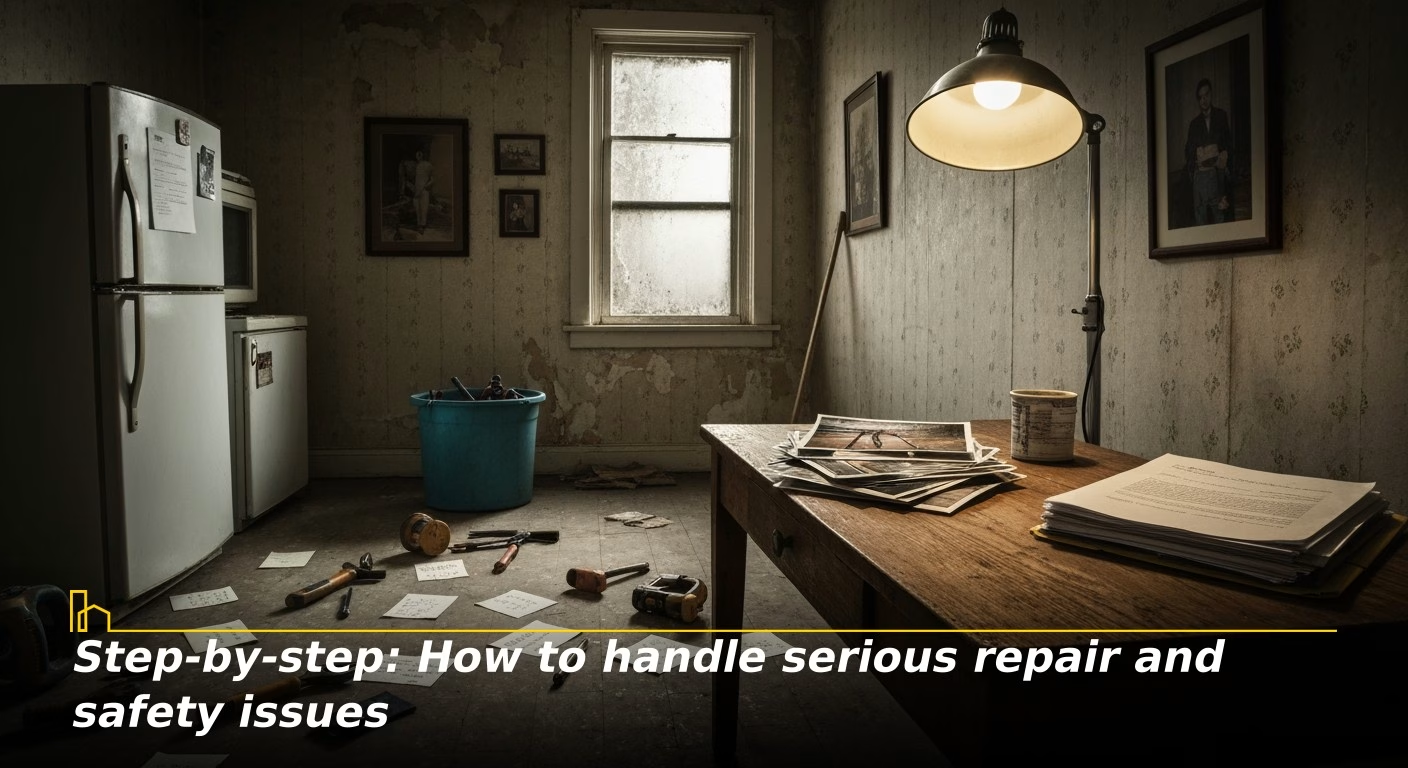
A. Document the conditions with photos, videos, and notes. Before even contacting the landlord, build your evidence file. Take high-quality photos and videos of the problem. If there is a leak, video the water coming in. If there is no heat, take a photo of a thermometer next to a timestamped source (phone or newspaper). Keep a detailed log of when the problem started and how it affects your daily life.
B. Notify your landlord in writing and give a reasonable timeline to fix.
A text message or hallway conversation is often not enough for legal purposes. Send a formal request via email or, ideally, Certified Mail with Return Receipt. This provides proof that the landlord received the notice.
- What to say: Clearly describe the issue, request repairs, and cite the impact on your health or safety.
- Timeline: Give a specific, reasonable deadline. For emergencies (no heat/water), 24–48 hours is standard. For other major repairs, 10–30 days is common.
C. Follow up if they do not respond or the fix is incomplete. If the deadline passes, send a second notice. State clearly that the repair has not been made and that you intend to exercise your legal remedies if it is not resolved immediately. Keep copies of all correspondence.
D. Contact local code enforcement or housing authority if the problem is severe and not fixed. If the landlord ignores you, call your local city or county building inspector. They can inspect the unit, cite the landlord for code violations, and order repairs. An official government report is one of the best pieces of evidence you can have in court.
E. Ask legal aid or a tenant attorney about your options.
Before you withhold rent or move out, verify local laws.
- Withholding Rent: In some states, you must deposit rent into a court “escrow” account, not keep it.
- Repair and Deduct: Some states allow you to hire a pro and deduct the cost from rent, but there are dollar limits (e.g., one month’s rent).

Related article
How To Document Landlord Harassment and Retaliation For Building A Legal Case
Landlord harassment and retaliation are unlawful tactics used to pressure tenants into leaving without proper eviction. From intimidation and neglect to sudden rent increases, these actions endanger housing stability. Tenants are legally protected when asserting their rights, and…
4. When can you legally break your lease because of unsafe conditions?
You may be able to break your lease under the legal concept of Constructive Eviction. This occurs when the landlord’s failure to maintain the property renders it so uninhabitable that you’re effectively evicted by the conditions.
To claim constructive eviction, the following must be proven:
- The condition is severe: It must truly render the home unlivable (e.g., no heat in winter, not just a drafty window).
- The landlord was given notice: You informed them and provided a reasonable chance to fix it.
- You vacated the property: You generally cannot claim constructive eviction if you continue to live there. Moving out must occur within a reasonable time after the landlord fails to repair the issue.
Warning: If a judge later decides the condition wasn’t severe enough to justify moving, you could be liable for the remaining rent on the lease. Always consult a lawyer before using this remedy.
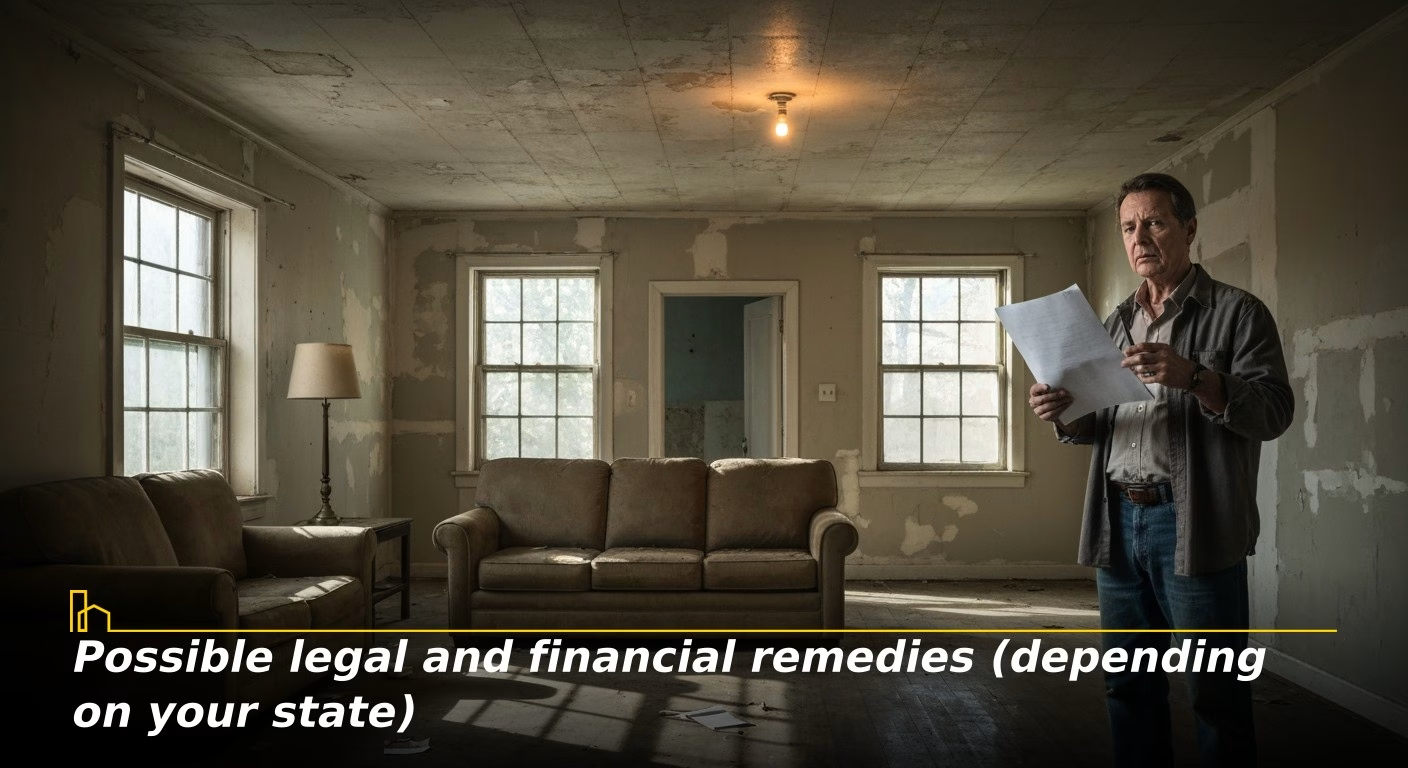
5. Possible legal and financial remedies (depending on your state)
- Rent Abatement: You can sue in Small Claims Court for a partial refund of rent paid during the time the unit was uninhabitable.
- Statutory Damages: Some states award fixed penalties (e.g., one to three months’ rent) if a landlord willfully refuses essential services.
- Repair and Deduct: As mentioned, this allows you to divert rent money directly to repairs, bypassing an unresponsive landlord.
- Injunctive Relief: You can sue in civil court for a judge to order the landlord to make repairs.
Sample table: Common conditions and typical tenant options
Problem | Severity / Habitability Impact | Typical Tenant Steps (Check Local Law) |
|---|---|---|
| No Heat in Winter | Critical. Immediate threat to health. | 1. Notify the landlord immediately (24hr deadline). 2. Call Code Enforcement. 3. Consider “Repair & Deduct” or emergency housing. |
| Toxic Mold | High. Respiratory risk. | 1. Document with photos. 2. Get a doctor note if sick. 3. Send a Certified Letter. 4. If severe, consider Constructive Eviction. |
| Pest Infestation (Roaches/Bedbugs) | High. Unsanitary. | 1. Report immediately. 2. Cooperate with exterminators. 3. If the landlord refuses treatment, contact the Health Dept. |
| Broken Front Door Lock | Critical. Safety/Security risk. | 1. Emergency notice to landlord. 2. “Repair & Deduct” is often viable for security issues. 3. File police report if applicable. |
| Minor Leak (Dripping faucet) | Low. Annoyance, not safety. | 1. Submit maintenance request. 2. Follow up in writing. 3. Usually not grounds to break lease or withhold rent. |
Conclusion: Living in an unsafe rental is a crisis requiring a cool-headed, methodical response. While your instinct may be to simply stop paying rent or move out immediately, doing so without a paper trail can put you at legal risk. By documenting every defect, issuing formal written notices, and utilizing local code enforcement, this shifts the leverage in your favor. Whether your goal is to force repairs or legally exit your lease, acting systematically protects your rights, your finances, and your health.
Recommended for you



FAQs About Tenant Rights When a Rental is Unsafe or Uninhabitable
1. Can I break my lease because of mold?
Yes, but only if the mold is severe enough to threaten your health or make the unit uninhabitable. Minor mildew in a bathroom won’t qualify. It’s necessary to provide the landlord a chance to rectify. If they fail, and you have documentation (photos, inspection reports, doctor’s notes), it’s easier to claim constructive eviction.
2. Do I still have to pay rent if the apartment is unsafe?
Usually, yes, until you have followed specific legal steps. Simply stopping payment can get you evicted for non-payment. In many states, you must deposit the rent into a court-managed “escrow” account rather than keeping it. This is considered acting in good faith by the court.
3. Can I fix the problem myself and deduct it from the rent?
Many states (e.g. California, Massachusetts, and Arizona) have “Repair and Deduct” laws. These usually require you to send a written notice first and limit the spending amount (often one month’s rent). You must provide receipts to the landlord. Check your state’s specific dollar limits before doing this.
4. Can my landlord evict me for reporting code violations?
No. Retaliation against a tenant for exercising a legal right, such as complaining to a government agency about housing code violations, is illegal in most states. If a landlord attempts to evict you or raise your rent shortly after you complain, it is often presumed to be retaliatory.
5. What if the unsafe condition was caused by a natural disaster?
The implied warranty of habitability still applies. If a flood or fire makes the unit unlivable, the landlord is not usually required to pay for your hotel (that’s what renter’s insurance is for). Generally, tenants do not have to pay rent for the time the unit is uninhabitable, and it’s possible to cancel the lease without penalty.

Related article
Step by Step Renters Guide on How To File a Complaint or Lawsuit Against Your Landlord
Filing a formal complaint or a lawsuit is a serious step shifting the conflict from a private disagreement to a public legal matter. It requires preparation, evidence, and a clear understanding of your rights. This guide walks you through the escalation process, from organizing your trial binder to filing…


Related Content