






Moving to New York: The Complete Relocation Guide & Checklist
- Local Editor:Local Editor: The HOMEiA Team
Share


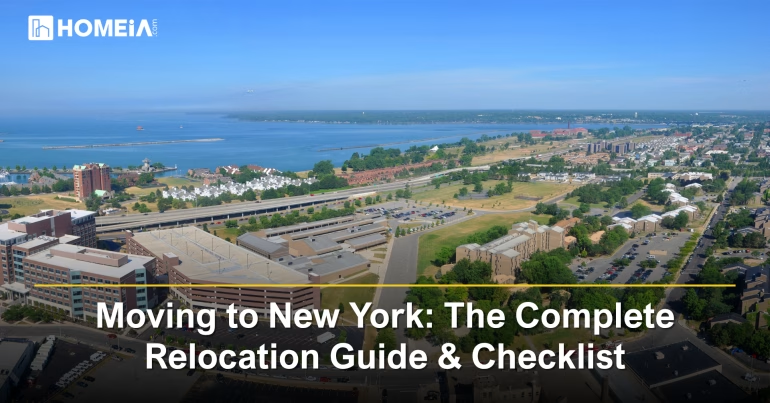
Relocating to New York means embracing a diverse and unique lifestyle shaped by iconic metropolitan hubs, charming suburbs, and beautiful rural landscapes. From the fast-paced, culturally rich environment of New York City to the scenic tranquility of the Adirondacks and Hudson Valley, the state offers a wide array of living experiences suited for all preferences and needs. Understanding the nuances of each region is essential when planning your move.
While New York attracts many people with its economic opportunities, world-class arts, and vibrant communities, its high cost of living, especially in NYC, and seasonal weather variations can present challenges. This Moving to New York guide provides comprehensive, up-to-date information on planning your move to the Empire state, and encompasses housing, legal requirements, transportation, and lifestyle insights to ensure a successful transition based on the region you choose.
Table of Contents:
Key Takeaways
- New York City: The global financial, cultural, and entertainment hub offers unparalleled job opportunities but comes with a high cost of living and a competitive housing market.
- Upstate New York: Provides more affordable living with a slower pace, outdoor recreation, and growing local economies in cities like Buffalo, Rochester, and Albany.
- Regional Diversity: From suburban Long Island to the historic Hudson Valley, New York offers varied environments to fit different lifestyles, including families, retirees, and remote workers.
- Transportation Options: Extensive subway and commuter rail systems in NYC contrast with limited public transit upstate, where personal vehicles are often necessary.
- Four-Season Climate: Experience cold, snowy winters with warm summers. Regional variations affect outdoor activities and daily life.

Related article
Our Methodologies to create HOMEiA Score Ratings for Each Group of Content
HOMEiA uses a consistent, data-driven methodology to evaluate U.S. states for livability, affordability, and long-term value. Our analysis centers on key factors such as Housing and Affordability, Cost of Daily Living, Access and Infrastructure, Community Strength, Safety and Quality of Life, Economic Resilience and Job Market…
I. Methodology: How We Built This Guide
This relocation guide was created through thorough research using authoritative 2026 data from sources such as the U.S. Census Bureau American Community Survey, Apartment List, RentCafe, New York State Department of Taxation and Finance, and the MTA. We reviewed housing market trends, cost of living reports, employment statistics, and resident feedback to present a balanced perspective.
Our evaluation criteria for advice and city selection are weighted as follows:
- Housing and Affordability (30%): Assessing median home prices, rent costs, property taxes, and overall housing availability.
- Access and Logistics (25%): Evaluating transportation infrastructure, commuting options, and ease of relocation.
- Legal and Administrative Requirements (20%): Outlining necessary paperwork, registration, and residency compliance processes.
- Community and Lifestyle Integration (15%): Considering local culture, recreational opportunities, and social amenities.
- Economic Preparation (10%): Detailing job markets, income levels, and financial planning.
1. What is it Really Like to Live in New York?

A. Culture and Lifestyle: New York State boasts a rich cultural tapestry. NYC itself serves as a global melting pot of diverse communities. Across the state, you’ll find vibrant festivals, historical sites, and a blend of urban and suburban lifestyles. Many regions host community events that foster neighborly connections and celebrate local heritage. The pace varies dramatically, from the hustle of the city to the quiet of rural towns, offering unique living rhythms.
B. Arts, Sports, and Entertainment: New York is home to world-renowned museums like The Metropolitan Museum of Art, The Museum of Modern Art (MoMA), and cultural institutions such as Broadway theaters in NYC. Sports enthusiasts can enjoy major league teams, including the New York Yankees (MLB), New York Knicks (NBA), and Buffalo Bills (NFL). Entertainment options range from jazz clubs in Harlem to art galleries in the Hudson Valley. For more details on cultural life, see our guide on the pros and cons of living in New York.
C. Food Scene and Nightlife: The state offers a culinary landscape as varied as its population. NYC’s neighborhoods feature everything from Michelin-starred restaurants to street food from around the world. Upstate areas provide farm-to-table experiences highlighting local produce and wines from the Finger Lakes region. Nightlife in NYC includes rooftop bars, live music venues, and clubs, whereas smaller cities offer cozy pubs and community theaters.
D. Outdoor Recreation and Natural Beauty: Outdoor recreation is a central part of the New York identity.
- National Parks and Monuments: Adirondack Park offers vast wilderness for camping, boating, and wildlife viewing. The Catskill Park and Hudson Highlands provide scenic hiking trails.
- Skiing and Snow Sports: Resorts like Hunter Mountain and Whiteface Mountain attract winter sports enthusiasts with diverse slopes and facilities.
- Hiking and Fishing: The Appalachian Trail traverses the state, along with popular fishing sites in the Finger Lakes and numerous lakes and rivers.
- Public Land: New York has over 4 million acres of public land, including state forests and conservation areas accessible to the public for outdoor activities.
E. Climate: New York features distinct climate zones:
- Northern (Syracuse, Albany): Humid continental climate with cold, snowy winters (15°F to 30°F) and warm summers (70°F to 85°F).
- Central (Rochester, Syracuse): Similar humid continental climate; snowy winters with temperatures from 20°F to 35°F; summers between 70°F and 85°F.
- Southern (New York City, Long Island): Humid subtropical climate with milder winters (30°F to 45°F) and hot, humid summers (75°F to 90°F).
- Eastern (Hudson Valley, Catskills): Transitional climate with snowy winters and moderate summers.

Related article
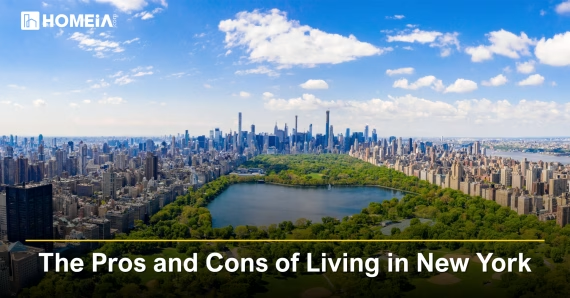
The Pros and Cons of Living in New York State
New York offers striking contrasts, from the energy of New York City to the calm of the Finger Lakes and Adirondacks. This guide examines the state’s opportunities, costs, and lifestyle trade-offs to help you decide if living in New York fits your goals…
2. Cost of Living and Affordability
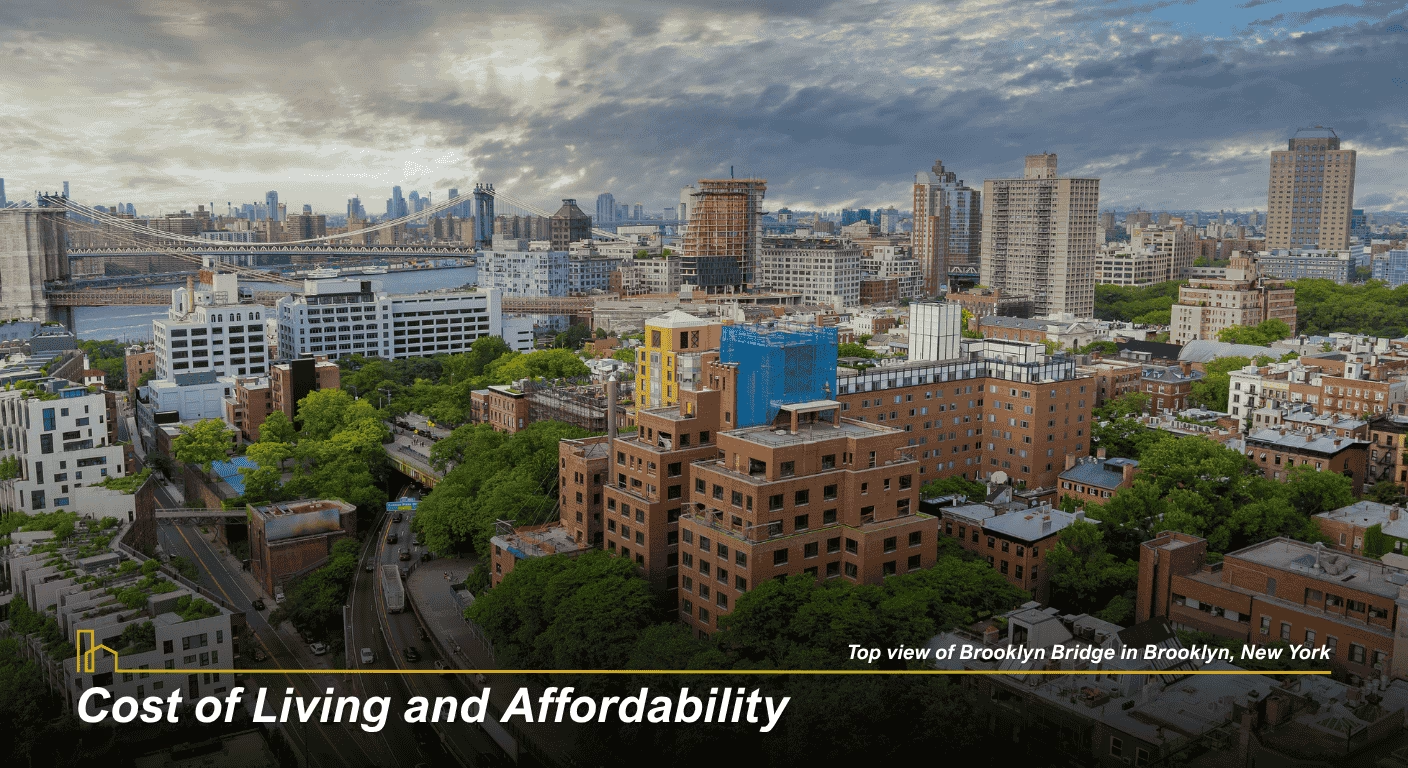
New York’s cost of living varies significantly by region, with NYC ranking among the highest in the nation. However, many upstate areas offer more affordable options.
A. Housing Market: Housing costs vary widely from NYC’s expensive urban core to affordable rural and upstate homes.
| Housing Type | New York City | Buffalo | Rochester | Albany | Syracuse |
| Median Home Price | $940,000 | $270,000 | $230,000 | $310,000 | $200,000 |
| Avg. 2-Bedroom Rent | $5,284 | $1,450 | $1,350 | $1,600 | $1,300 |
B. Daily Expenses
| Monthly Expense Category | Average Cost | Notes |
| Utilities (HVAC Focus) | $150 – $300 | Higher in winter due to heating demands |
| Groceries (Family of 4) | $900 – $1,200 | Slightly above the national average |
| Gasoline | ~$3.60/gallon | Varies by region, slightly above the US avg |
| Internet | $50 – $80 | Widely available high-speed options |
3. Jobs and Economy

New York State’s economy is diversified, with robust sectors offering a variety of employment opportunities.
- Government: Albany, as the state capital, provides numerous public sector jobs, including administration, law enforcement, and education.
- Finance and Technology: NYC hosts global financial firms such as JPMorgan Chase, Citigroup, Goldman Sachs, and top tech firms, including Google and Amazon’s offices.
- Healthcare and Social Assistance: Major hospital systems, research institutions, and pharmaceutical companies employ tens of thousands statewide.
- Tourism and Hospitality: Cities like Niagara Falls, the Hudson Valley, and NYC’s cultural landmarks drive a vibrant tourism sector.
- Higher Education: Universities such as SUNY, Cornell, and Columbia contribute significantly to research and employment.
- Military: Fort Drum and the US Military Academy at West Point offer military-related jobs and economic impact.

Related article
5 Best Places to Live in New York State
New York offers one of the nation’s most diverse housing landscapes, from global hubs like New York City to regions like the Finger Lakes. This guide evaluates the five best places to live using data on jobs, affordability, education, safety, and overall quality of life…
4. Planning Your Move: A Timeline

A successful relocation to New York requires early and organized planning.
| Timeline | Essential Tasks | Important Details |
| 8-12 Weeks Before | Research neighborhoods, budget planning | Contact realtors, explore school districts |
| 6-8 Weeks Before | Notify current employers/landlords; begin packing | Confirm moving date, organize important documents |
| 4-6 Weeks Before | Schedule movers, transfer utilities | Arrange for new utility service start dates |
| 2-4 Weeks Before | Change address with USPS, prepare travel plans | Notify banks and subscriptions |
| 1-2 Weeks Before | Finish packing, confirm travel arrangements | Arrange childcare/pet care if needed |
| Moving Day | Supervise move, final walkthrough | Keep valuables and documents close |
| After Arrival | Unpack essentials, update licenses/registrations | Register to vote, explore local services |
=> Get the Relocation Guide & Checklist PDF: prepared for both Desktop and Mobile devices.
5. Transportation
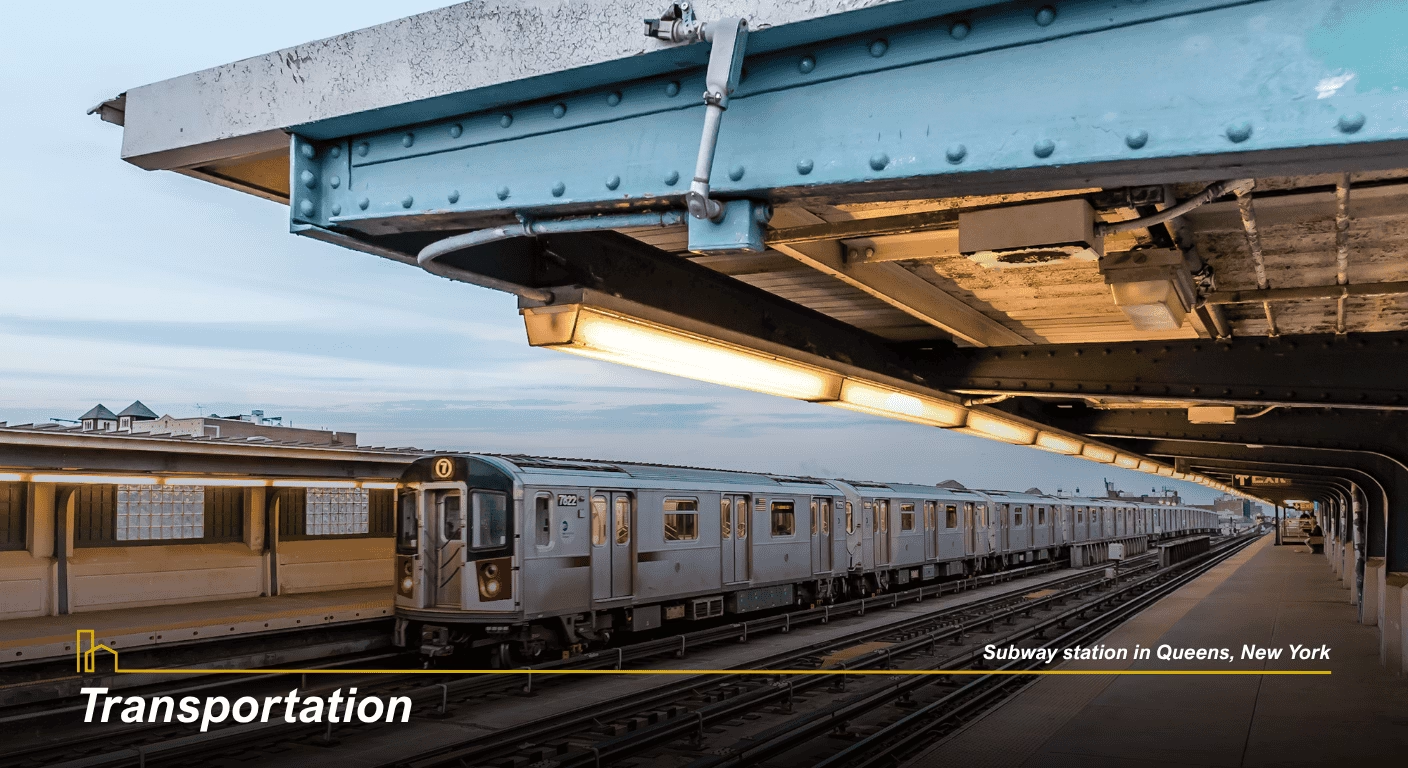
- Driving: Major highways including I-87 (Adirondack Northway), I-90, I-84, and I-95 facilitate travel. NYC’s complex road network connects boroughs and suburbs.
- Flying: Major airports include JFK, LaGuardia, and Newark Liberty International (in New Jersey but serving NYC). Upstate airports include Albany International and Buffalo Niagara International.
- Public Transit: NYC offers an extensive subway and bus system managed by MTA, also with commuter rails connecting to the suburbs. Upstate public transit is limited; personal vehicles are common.
- Winter Driving: Winters can bring snow and ice, especially upstate. Drivers should be prepared with winter tires and heed weather advisories.
Recommended for you




6. Legal Requirements and Paperwork

- Vehicle Registration: Required within 30 days of residency. Documents include title, proof of insurance, proof of residency, and completed forms. Fees vary by vehicle weight and county ($26-$200+).
- Driver’s License: Must transfer within 30 days of establishing residency. Required documents: out-of-state license, proof of identity, Social Security number, and proof of NY residency. The fee is approximately $64.
- Voter Registration: New residents can register online, by mail, or in person at DMV or local Board of Elections offices and are eligible immediately after establishing residency.
- Other: Hunting and fishing licenses are available from the New York State Department of Environmental Conservation (DEC).
7. Financial Planning

Budget carefully for your move, anticipating moving expenses such as professional movers ($3,000–$7,000 for long-distance), deposits on housing, and utility activation fees. Housing typically consumes 30-40% of income, varying by location. Maintain an emergency fund to cover unforeseen costs. Remember to include higher healthcare and insurance premiums typical of urban and suburban New York compared to national averages.

Related article
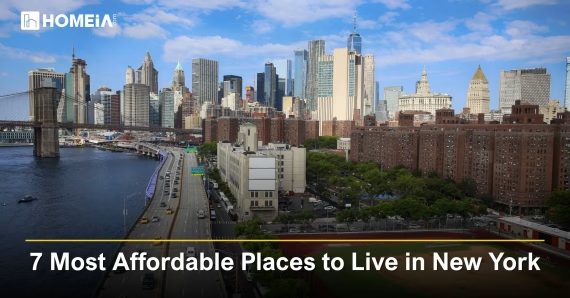
7 Most Affordable Places to Live in New York State
New York offers diverse living options, from New York City to more affordable upstate communities. This guide highlights seven budget-friendly places that balance housing costs, job opportunities, and quality of life; helping you enjoy New York’s culture and lifestyle without overspending…
8. Insider Tips from Locals

- Embrace the Diversity: New York prides itself on cultural diversity. Engage with your neighborhood and attend community events to integrate smoothly.
- Winter Preparedness: Winters can be harsh, especially upstate. Invest in proper clothing and vehicle equipment.
- Sun Protection: The state experiences strong sun, especially in summer, sunscreen and hydration are essential.
- Shop Locally: Visit local farmers’ markets and small businesses to support community economies.
- Patience is a Virtue: From traffic to service wait times, a calm attitude helps navigate New York life.
Conclusion
Moving to New York offers a rich blend of cultural vibrancy, economic opportunity, and diverse environments. The state’s dynamic urban centers, juxtaposed with peaceful rural regions, provide options for many lifestyles. While the cost of living and weather challenges require preparation, understanding regional variations and planning well can make for a rewarding experience. For more insights on living in New York and neighboring states, explore guides such as moving to Delaware and the pros and cons of living in South Carolina.
Recommended for you




FAQs About Moving to New York State
1. How much does it cost to move to New York?
Moving costs depend on distance and the services chosen. Professional moving for long distances typically costs between $3,000 and $7,000. Additional expenses include deposits, utility setup fees, and temporary accommodations if needed.
2. What documents are required to establish residency?
Documents include proof of identity (passport or birth certificate), Social Security number, and proof of New York residency, such as a lease agreement or utility bill.
3. How long do I have to transfer my driver’s license and vehicle registration?
New residents must transfer their driver’s license and vehicle registration within 30 days of establishing residency.
4. What is the average cost of rent in New York City?
As of 2025, the average rent for a two-bedroom apartment in NYC is approximately $5,284 per month, with variations by borough.
5. Are public transportation options available throughout the state?
Extensive public transit is available in NYC and its suburbs via subways, buses, and commuter rails. Upstate cities have more limited transit, so owning a vehicle is generally necessary there.


Related Content