






Best Slip-Resistant Porcelain Tiles for Bathrooms, Entries, and Aging-in-Place Homes
- Local Editor:Local Editor: The HOMEiA Team
- Category: Home Improvement


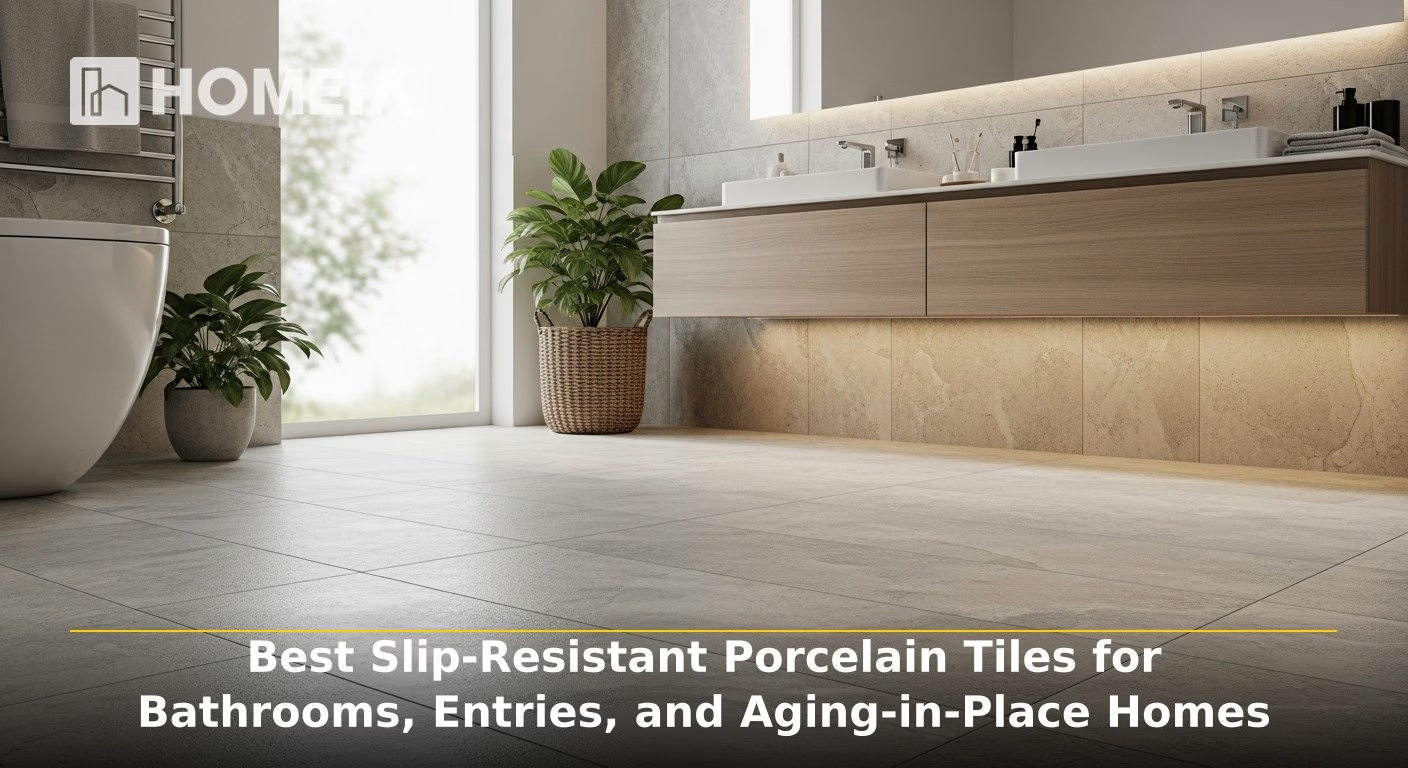
Choosing flooring goes beyond color and style—it’s about creating a home that feels safe underfoot every single day. For areas that get wet or experience high traffic, porcelain tile is a champion for durability and water resistance. But not all porcelain is created equal when it comes to preventing slips and falls.
This guide cuts through the confusion, helping select beautiful, slip-resistant porcelain tiles that protect your family without sacrificing an ounce of style.
Key Takeaway
The safest porcelain tile combines certified high slip ratings (R11/R12 or DCOF >0.50) with a textured finish. Prioritize this in wet zones like showers and entries. Use layout and grout strategically — smaller tiles with more grippy grout lines enhance safety. Finally, integrate comfort with radiant heat and warm design to maintain a safe and welcoming atmosphere.
1. Why Slip Resistance Matters in Residential Homes
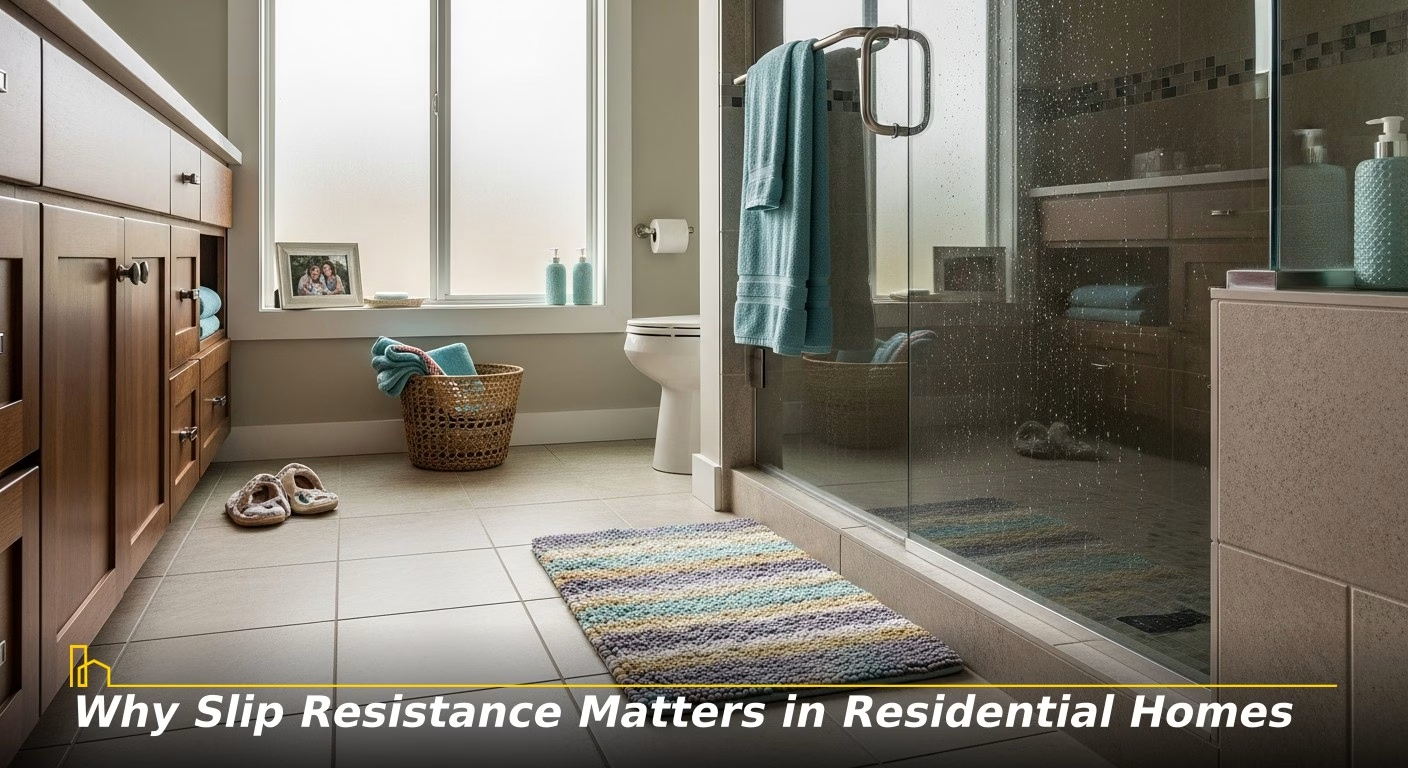
Slips and falls are a leading cause of home injury. They occur in a split second, often where water, smooth surfaces, and daily life intersect. High-risk zones include:
- Bathrooms & Showers: Water and soap on smooth surfaces create a perfect hazard.
- Entries & Mudrooms: Wet shoes, melted snow, and tracked-in dirt turn entries into slick zones.
- Laundry & Kitchen Work Areas: Spills from sinks, washers, and dishwashers are common.
- Stairs & Transition Areas: Slippery treads or unexpected steps can lead to a serious fall.
For older adults, young children, or anyone with mobility challenges, the consequences of hard falls can be particularly severe. As we plan for aging-in-place or multi-generational living, proactive safety becomes a cornerstone of smart design.
How Porcelain Compares: Porcelain’s non-porous, glazed surface is inherently more water-resistant than natural stone or engineered wood. When paired with the right texture and rating, it offers superior, permanent slip resistance compared to many vinyl sheets or laminate. It’s a durable, long-term safety solution.

Related article
Best Flooring Options for High-Moisture Areas
Selecting the right flooring is one of the most critical aspects of any remodeling project. Your preferences matter, but so do other factors, such as humidity levels, traffic patterns and the room’s purpose. Let’s explore your best flooring options for high-moisture areas…
2. Understanding Slip Ratings (R-Ratings, DCOF, and PEI in Simple Terms)
Don’t let the acronyms intimidate you. These are tools to quantify what “grippy” really means.
A. R-Ratings (R9 to R13): The Practical Scale
Think of R-ratings as a gradient of grip, tested under both wet and oily conditions. Popularity skyrocketed in Europe and is becoming a global standard.
- R9 – R10 (Low to Moderate Slip Resistance): Suitable for general dry indoor areas (living rooms, bedrooms). An R10 may be acceptable for some residential bathrooms, but it’s the lower end for wet spaces.
- R11 (Good Slip Resistance): A reliable choice for interior residential wet areas including bathroom floors, kitchens, and indoor entries.
- R12 & R13 (High to Very High Slip Resistance): Ideal for shower floors, commercial kitchens, or exterior ramps. An R12 is an exceptional choice for any home shower or frequently wet entry.
Rule of Thumb: For bathroom floors, aim for R11 or higher. For shower floors, R12 or higher provides desirable security.
B. DCOF (Dynamic Coefficient of Friction): The Wet Test
This U.S. standard (ANSI A137.1) measures how slip-resistant a tile is when wet. DCOF of 0.42 or higher is considered suitable for level interior spaces expected to be walked on when wet (such as a bathroom floor). It’s a good baseline, but experts now recommend seeking a DCOF of 0.50+ for areas like showers for added safety.
C. PEI Rating (Abrasion Resistance): About Durability, Not Slip
The PEI scale (I-V) tells you how wear-resistant the tile’s surface is. For busy home entries and kitchens, PEI III or IV is commendable. For shower walls, PEI I or II is acceptable. Remember: High PEI doesn’t mean it’s slip-resistant. Always check the R-rating or DCOF for safety.

Related article
10 Economical Flooring Options to Update your House and Add Value
Flooring comes in many styles and options, so you can easily find a variety of ways to keep the costs down while enhancing the value of your home in the process. Here’re 10 options for budget-friendly flooring that will help you keep the full cost of flooring replacement under control…
3. Finishes and Textures: Matte vs Polished vs Structured Porcelain
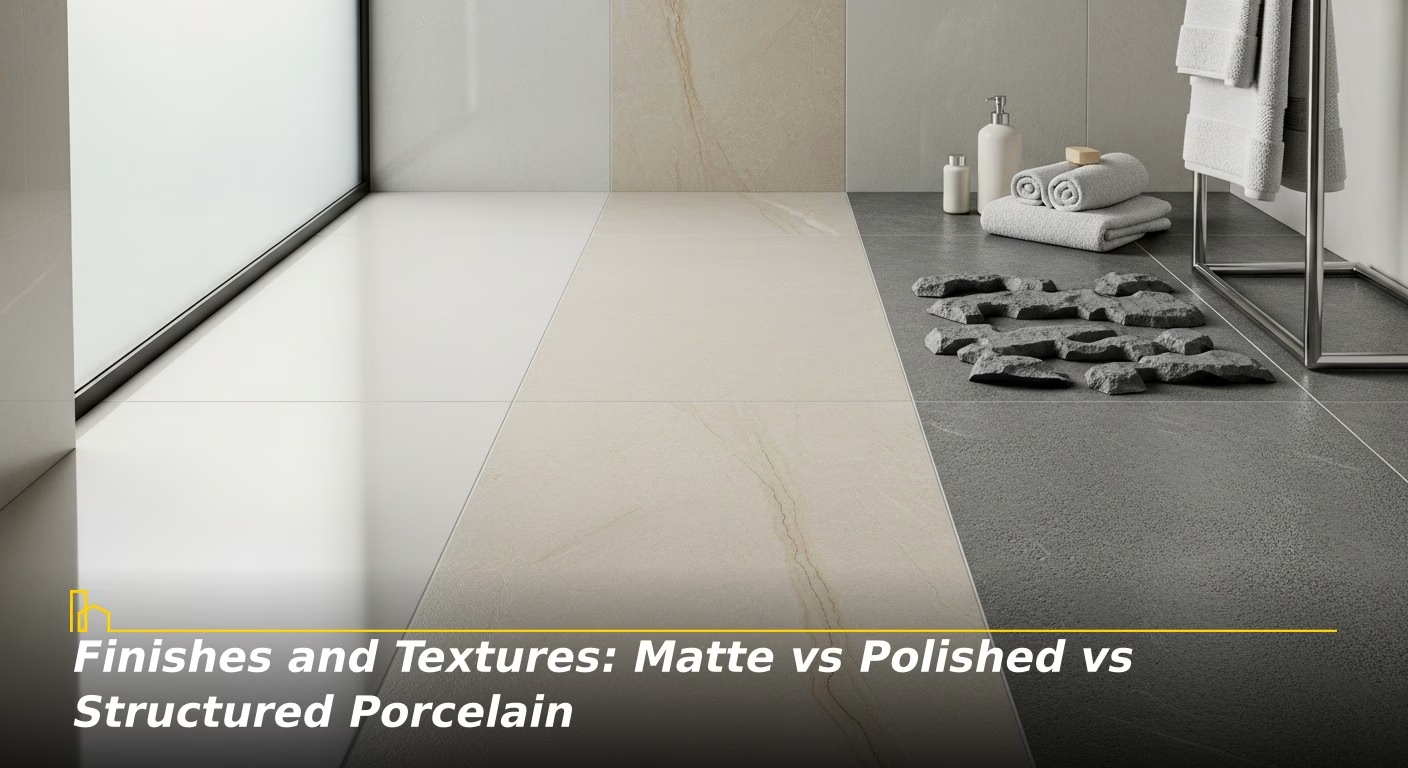
The finish is your visual and tactile clue to a tile’s performance.
- Polished Porcelain: Glossy and reflective, it’s beautiful but offers the least friction when wet. Generally not recommended for bathroom floors, shower bases, or entries. Perfect for dry, formal areas.
- Matte Porcelain: Has a non-reflective, flat finish. Generally provides improved traction than polished but is not automatically slip-proof. Always verify the slip rating. A smooth matte can still be slippery when soapy or oily.
- Structured/Textured/Relief Porcelain: This is where safety and design merge. Tile has a tangible, three-dimensional texture. It can mimic the grain of wood, the roughness of stone, or have a subtle geometric pattern. This micro-texture drastically increases grip, especially when wet.
The Sweet Spot: Look for a tile with a verified high slip rating (R11/R12 or DCOF >0.50) AND a structured surface texture. For comfort, test samples with bare feet—the goal is a secure, “grippy” feel, not a harsh “sandpaper” one that’s unpleasant to walk on.
4. Best Slip-Resistant Porcelain Tiles by Area of the Home
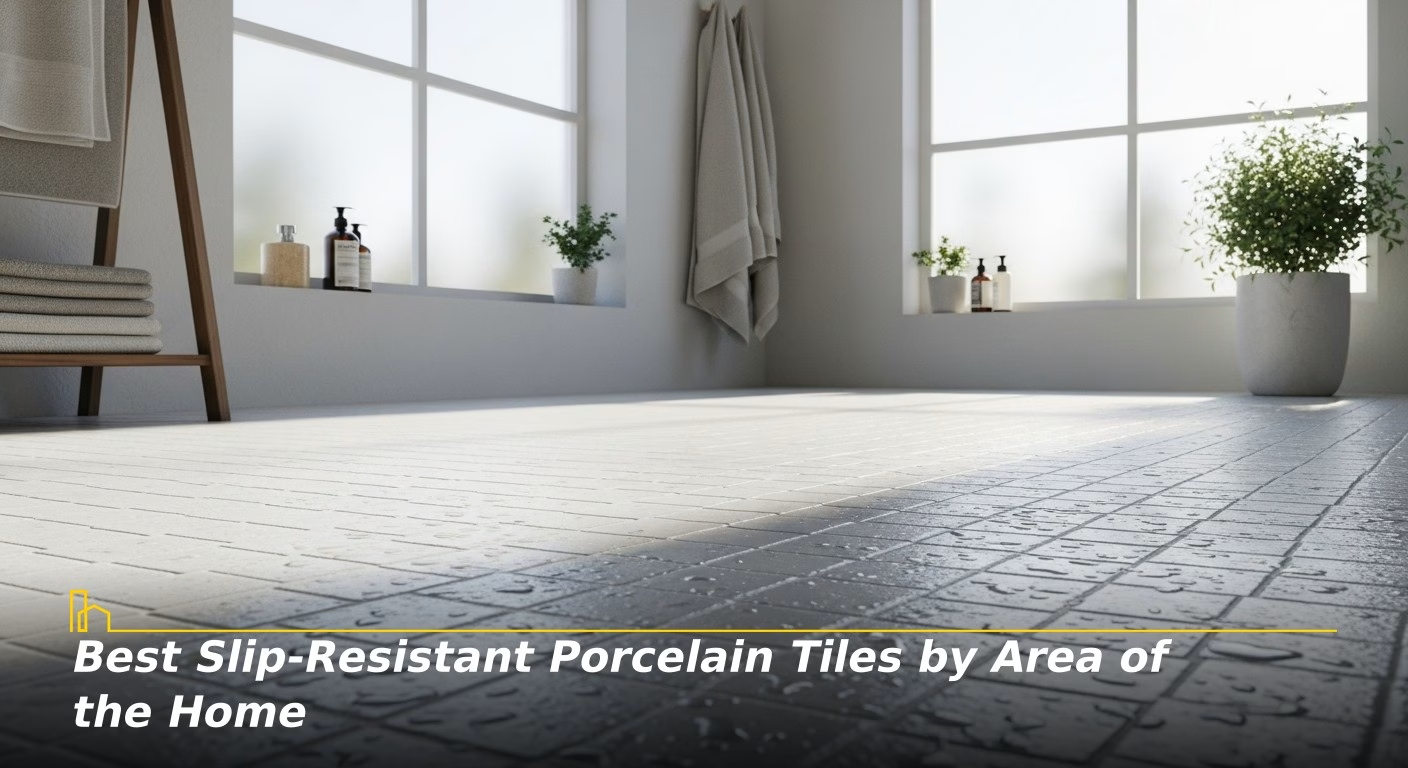
A. Bathrooms and Showers
- Slip Rating: Floor: R11 / DCOF 0.50+. Shower Floor/Pan: R12 / DCOF 0.60+.
- Layout & Size Tips: In the shower, smaller tiles (ex. 2”x2” or 3”x3” mosaics) mean more grout lines. Grout provides crucial texture and drainage channels, significantly boosting underfoot safety.
- Grout Choice: Use a sanded grout for durability and extra texture.
B. Entries, Mudrooms, and Laundry Rooms
- Slip Rating: R11-R12 / DCOF 0.50+. These areas battle grit, mud, and melting snow.
- Finish & Style: Textured, matte-finish porcelain in a stone or concrete look is stylish and highly functional.
- Transitions: Keep floor heights as level as possible between rooms. Use a low-profile, bevelled style transition strip to avoid a trip hazard.
Related article
10 Steps to Remove Laminate Flooring
Laminate is a popular flooring choice today. It comes in many colors and textures, it is durable, and it is easy to install. There may come a time, though, when you want to replace the existing laminate floor with something new…
5. Aging-in-Place and Accessible Homes
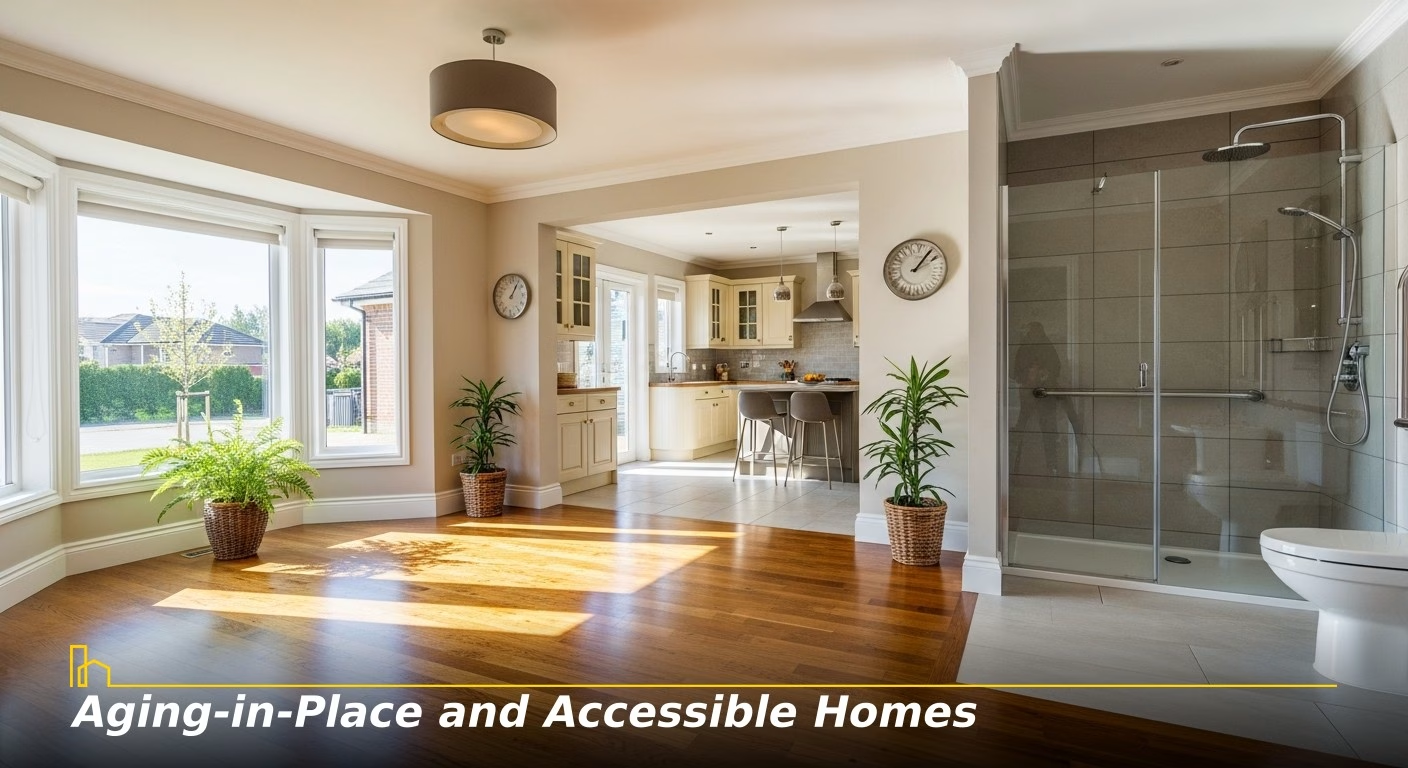
Safety must be holistic and aesthetically integrated.
- Prioritize Conservative Ratings: Opt for R12 tiles in all wet areas (bathroom floor, shower, laundry). An extra margin of safety is invaluable.
- Coordinate, Don’t Segregate: Choose tiles from the same color family for wet and dry areas. The home feels cohesive, not institutional.
- Minimize Hazards: Insist on zero-threshold showers, eliminate unnecessary steps, and ensure continuous flooring where possible to reduce tripping. Porcelain’s hard, flat surface is also suitable for wheelchairs or walkers when combined with minimal grout lines and zero-threshold transitions.
6. Layout, Grout, and Design Tips That Improve Safety
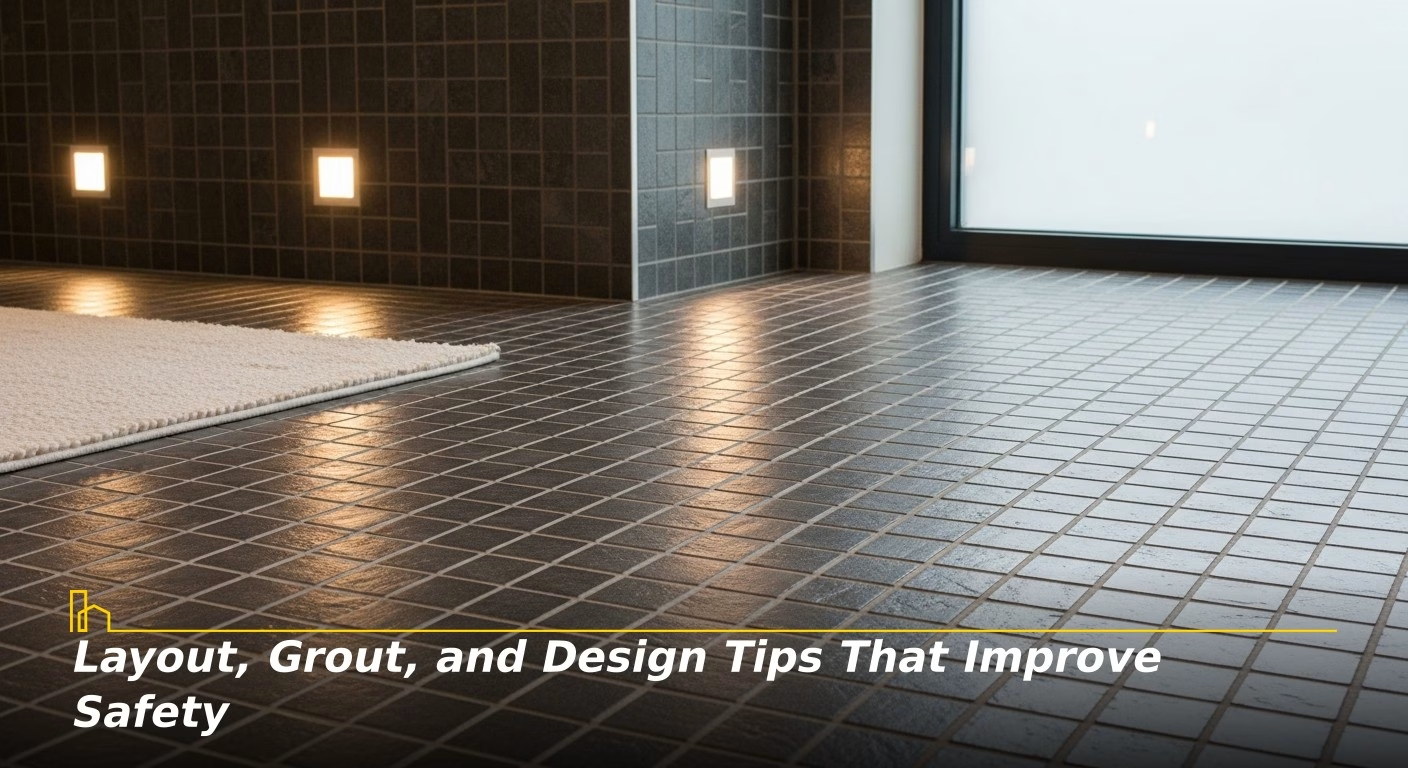
Smart installation magnifies the safety of your chosen tile.
- Layout Strategy: Place the most slip-resistant, smaller tiles in the highest-risk zones (shower pan, directly in front of the tub or vanity).
- Grout for Grip: More grout lines = more texture. Keep grout lines a consistent width (at least 1/8”) for both safety and cleanability.
- Lighting & Contrast: Ensure wet areas are well-lit. Use a subtle contrast in tile color at a transition or a top step to make the change in plane clearly visible, especially for aging eyes.
7. Comfort Concerns: Making Safe Porcelain Floors Feel Warm and Welcoming
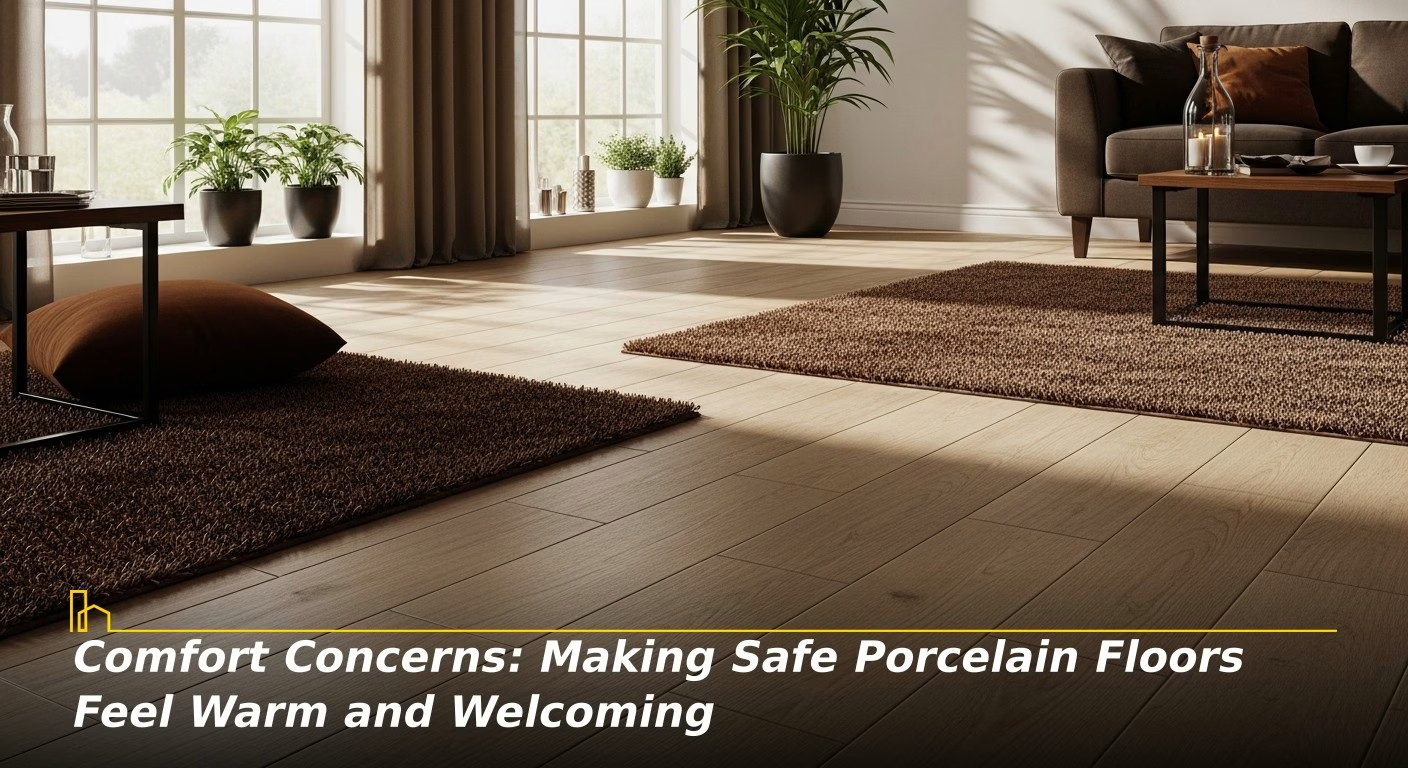
Yes, tile is hard and can feel cool. Here’s how to add comfort:
- Radiant Heat: Installing electric or hydronic radiant heating under porcelain tile is a game-changer for bathrooms, entries, and kitchens. It eliminates the “cold floor” shock while adding luxurious comfort.
- Strategic Soft Surfaces: Use secure, non-slip rug pads with plush bath mats outside the shower/tub. Always ensure mats lay completely flat.
- Warm Design Cues: Choose porcelain in warm tones (creams, tans, light browns) or with realistic wood-look textures. Doing so creates visual warmth that makes the space feel softer and more inviting.

Related article
Is Concrete Flooring in Homes the Next Big Thing?
Concrete has historically been used for driveways, garages and basements in residential settings. However, concrete flooring in homes might just be the next big thing…
8. Practical Buying Checklist for Homeowners
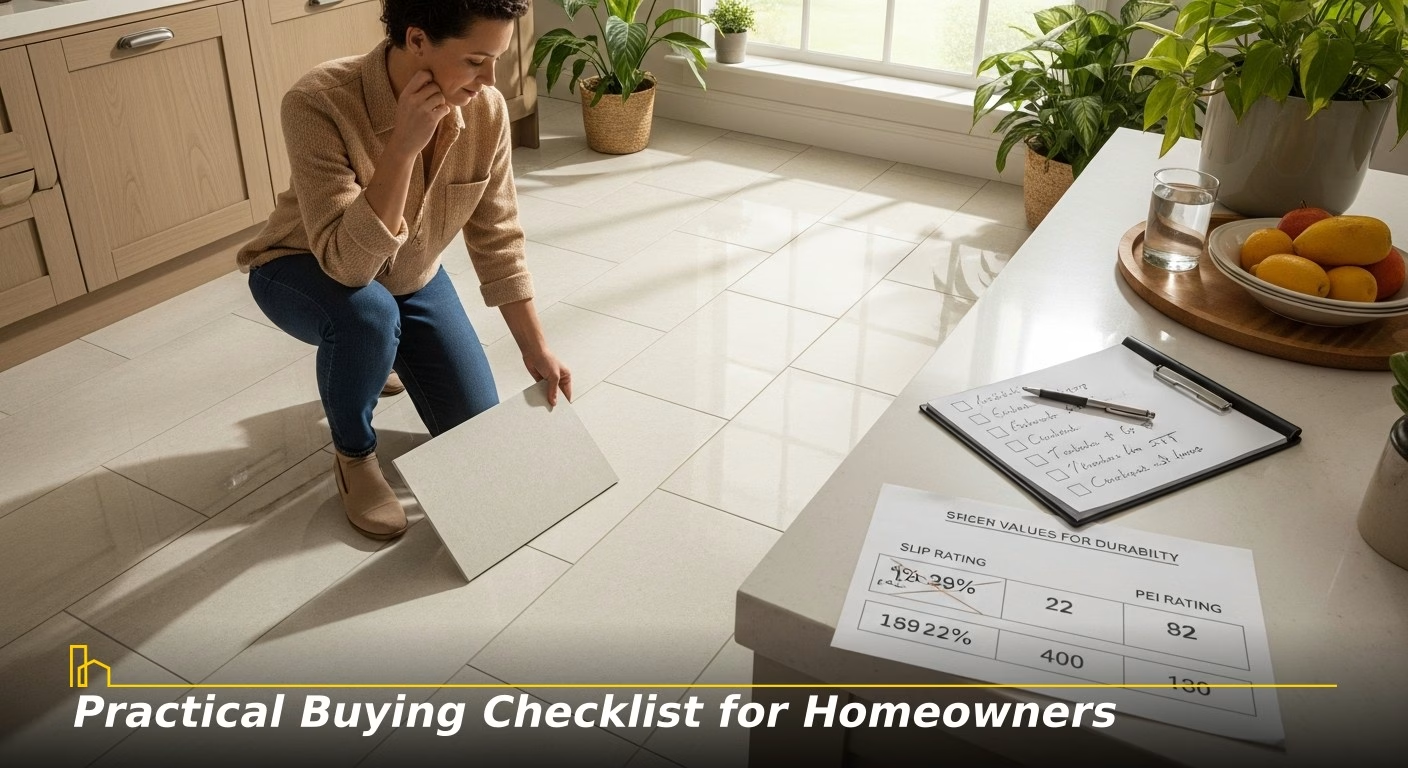
Take this to the showroom:
- Ask for the documented slip rating (R-value and/or DCOF) for the exact tile you’re considering.
- Confirm its recommended use (shower floor, wet bathroom, exterior) with the supplier.
- Verify PEI rating to know it’s durable enough for your room’s traffic.
- Physically test a sample. Wet it, feel it with bare feet and the sole of a shoe. Does it seem secure?
- Plan your layout. Decide where to use smaller, grippier tiles vs. larger format for open areas.
9. Five Common Mistakes to Avoid
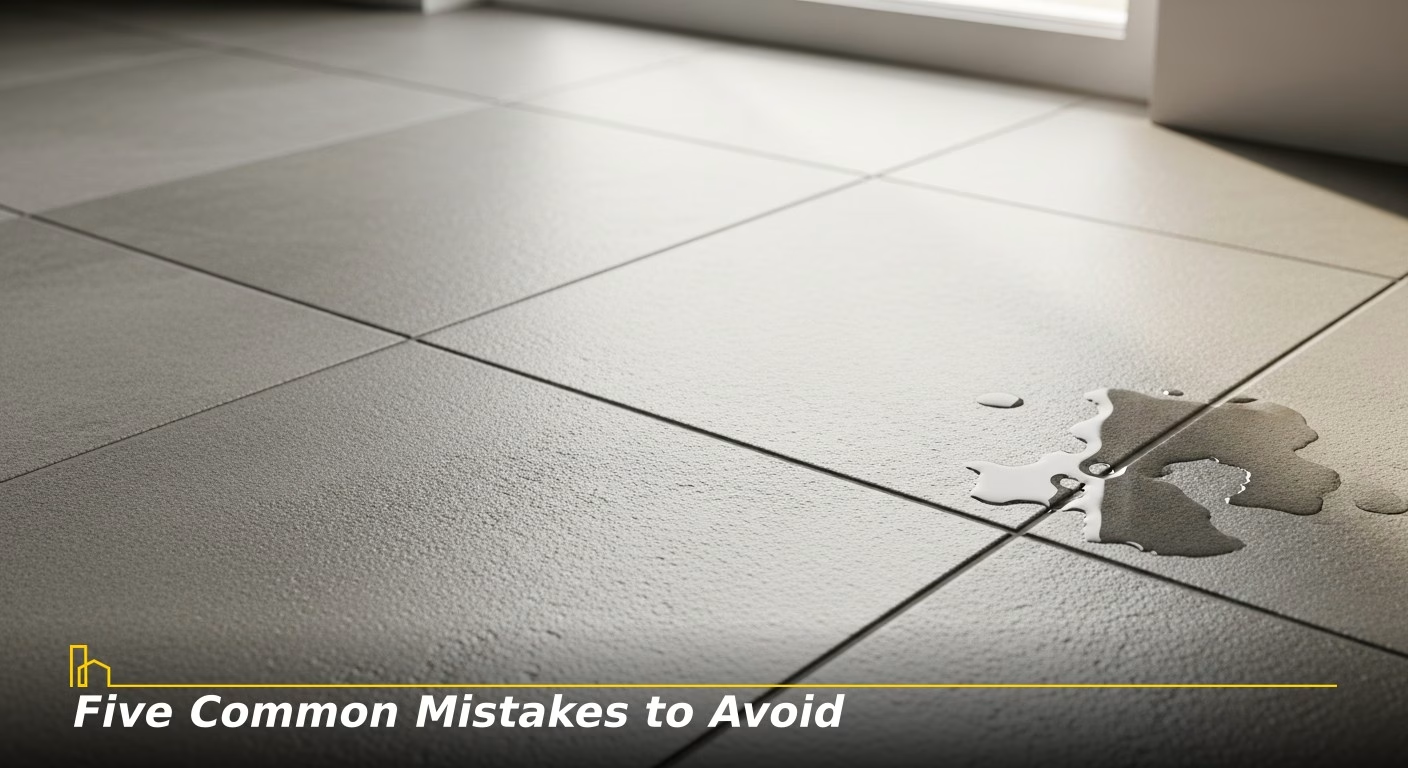
- Assuming all matte or textured tiles have a high slip rating—always verify.
- Using large, polished tiles in a shower floor for a “seamless” look, creating hazards.
- Selecting grout colors that’re too light for high-dirt areas or too similar to the tile, reducing visual cues.
- Ignoring transitions, creating small lips or steps between rooms.
- Prioritizing style over safety in the wettest zones; the shower floor is not the place for compromise.
Conclusion: Selecting the right slip-resistant porcelain tile is a powerful step toward a safer, comfortable home that will stand the test of time. By focusing on certified ratings, intentional texture, and thoughtful layout, you can create spaces that protect your loved ones without compromising on beauty. Investments in proper planning and materials pay dividends in peace of mind and daily enjoyment for years to come.
Recommended for you


FAQs about Best Slip-Resistant Porcelain Tiles for Bathrooms, Entries, and Aging-in-Place Homes
1. What slip rating should bathroom floor tiles have?
For residential bathroom floors, aim for a tile with an R11 rating or a DCOF (wet) of 0.50 or higher. For the shower floor itself, choose an even grippier tile, notably R12 or a DCOF above 0.60, for maximum safety when soap and water are present.
2. Are matte porcelain tiles always nonslip?
No. Matte finishes are less slippery than polished but not automatically slip-resistant. Always check the manufacturer’s tested slip rating (R-value or DCOF) rather than relying on finish alone.
3. Is porcelain tile safe for elderly people?
Yes, when selected correctly. Porcelain tile with a high slip rating (R11-R12) and textured surfaces are one of the safest choices for aging-in-place homes. Their hard, flat surface is also ideal for wheelchairs or walkers when working with minimal grout lines and zero-threshold transitions.
4. What’s the difference between R-rating and DCOF?
R-ratings (R9-R13) test grip under wet and oily conditions and are often seen as a more rigorous practical scale. DCOF measures the coefficient of friction specifically when tiles are wet. For homeowners, both are useful: look for an R11+ or a DCOF of 0.50+ for wet interior areas.
5. Can I use the same porcelain tile indoors and outdoors?
Often, yes, if it’s rated for both. The key is to ensure the tile has a high slip rating (R11-R13) for wet outdoor conditions and is frost-resistant (approved for freeze/thaw cycles) if you live in a cold climate.
Share