







Indiana offers affordable living, strong Midwestern values, and diverse landscapes, from Indianapolis’s urban energy to small-town charm. Nearly 7 million residents enjoy a low cost of living, community-focused culture, and no tax on Social Security income. This guide outlines essential relocation details, including climate, costs, and legal steps for becoming a resident…
The Pros and Cons of Living in Indiana
- Local Editor:Local Editor: Ashley Theirin

When picturing Indiana, what comes to mind are rolling farmlands, basketball hoops, and the iconic Indianapolis 500. But the Hoosier State offers more than Midwestern clichés; here lies a place where affordability, tight communities, and an ideal central location define everyday living. Yet, moving there comes with significant trade-offs, from limited cultural diversity to harsh winters and economic challenges in some regions. This guide provides a balanced, comprehensive analysis of the pros and cons of living in Indiana while offering detailed insights into the best cities for young professionals, families, and retirees.
Key Takeaways
- Affordable Living: Indiana boasts one of the lowest costs of living in the Midwest, with housing significantly below the national average, making it one of the most affordable states to buy a house.
- Strong Economy: A diverse economic base including manufacturing, logistics, agriculture, and healthcare provides stable employment opportunities across multiple industries.
- Four-Season Climate: Experience distinct seasons with beautiful autumns and springs, though winters can be arctic, requiring adaptation for those from warmer climates.
- Limited Cultural Diversity: Predominantly homogeneous population with fewer cultural amenities and international influences compared to coastal states.
- Education Challenges: Public education system faces funding issues and inconsistent performance across districts, requiring careful research for families.
I. Methodology: How We Evaluated Indiana
Our analysis is based on a multi-factor review of key elements that impact residents’ quality of life and financial well-being. We compiled data from reputable 2026 sources, including the U.S. Census Bureau, Bureau of Labor Statistics, Zillow housing market reports, FBI crime statistics, and state agencies.
Our evaluation criteria are weighted as follows:
- Cost of Living (25%): This foundational metric analyzes the day-to-day expenses defining a household budget, including cost of groceries, utilities, transportation, and healthcare, all benchmarked against national and regional averages to gauge true purchasing power.
- Economic Health & Opportunity (25%): Long-term stability is non-negotiable. This criterion assesses the robustness of this local economy by examining median household income, unemployment trends, and the diversity of key industries to ensure a community is resilient, growing, and full of potential for its residents.
- Housing & Affordability (20%): The most significant financial decision for most. We delve beyond median home prices and rental costs to use crucial ratios like home-price-to-income and income-to-rent—providing a clear picture of how housing costs align with local earnings.
- Quality of Life & Community (20%): Affordability means little without well-being. This metric evaluates the essential factors that contribute to daily life, including access to unique cultural amenities, outdoor recreation, climate, public safety, and the strength of community engagement.
- Access & Infrastructure (10%): A community’s potential is tied to its connections. This evaluates critical modern infrastructure, including reliable high-speed internet, healthcare access, transportation links, and proximity to major employers and commercial centers.

Related article
Our Methodologies to create HOMEiA Score Ratings for Each Group of Content
HOMEiA uses a consistent, data-driven methodology to evaluate U.S. states for livability, affordability, and long-term value. Our analysis centers on key factors such as Housing and Affordability, Cost of Daily Living, Access and Infrastructure, Community Strength, Safety and Quality of Life, Economic Resilience and Job Market…
Pros: Why Choose Indiana? Top Benefits
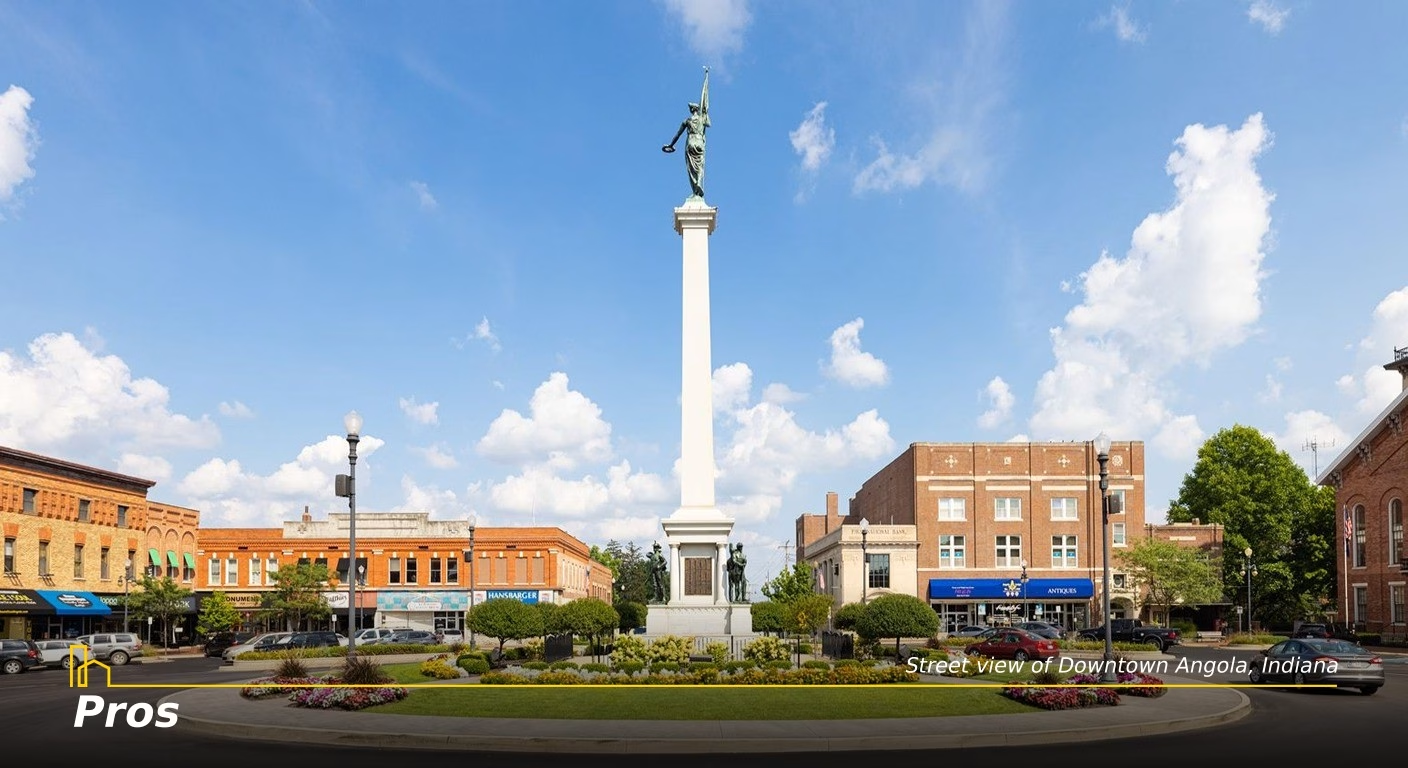
A. Unmatched Affordability and Low Cost of Living: Indiana’s greatest asset is its exceptional affordability, with an overall cost of living typically 10%-15% below the national average—though buyers looking at Southern alternatives often compare the cost of living in Indiana vs Tennessee to weigh income tax trade-offs against Midwest housing prices. Hoosiers can enjoy a high quality of life without the financial pressure found in other states, especially in the most affordable places to live in Indiana. For those more inclined to urban living, there are vibrant cities with pro sports teams and cultural attractions.
B. Strong and Diverse Economy: A renowned perk is its robust economic foundation. Here has successfully diversified beyond traditional manufacturing to include advanced logistics, life sciences, technology, and agriculture. Major employers including Eli Lilly, Cummins, and major automotive plants provide stable, well-paying jobs. Unemployment typically remains below the national average, offering economic security for residents.
C. Central Location and Transportation Hub: Life in the Crossroads of America means exceptional connectivity. A central location provides convenient access to major markets such as Chicago, Indianapolis, Cincinnati, and Louisville. Their extensive highway system, including multiple interstates, makes travel convenient.
D. Family-Friendly Communities and Values: Communities are known for cherished family values and tight-knit neighborhoods. The state offers world-class parks, community centers, and family-oriented events throughout the year. A slower pace of life and emphasis on community involvement creates an ideal environment for raising children and building lasting relationships.
E. Rich Sports Culture and Recreational Opportunities: For sports enthusiasts and outdoor lovers, Indiana is a premier destination. From the iconic Indianapolis 500 to college basketball fever and pro sports (Indianapolis Colts, Indiana Pacers and Indiana Fever), athletics are deeply embedded in the culture. It also offers diverse outdoor recreation, including numerous state parks, lakes, and trails for hiking, boating, and fishing throughout all four seasons.

Related article
Cons: Indiana Living Challenges, What to Know
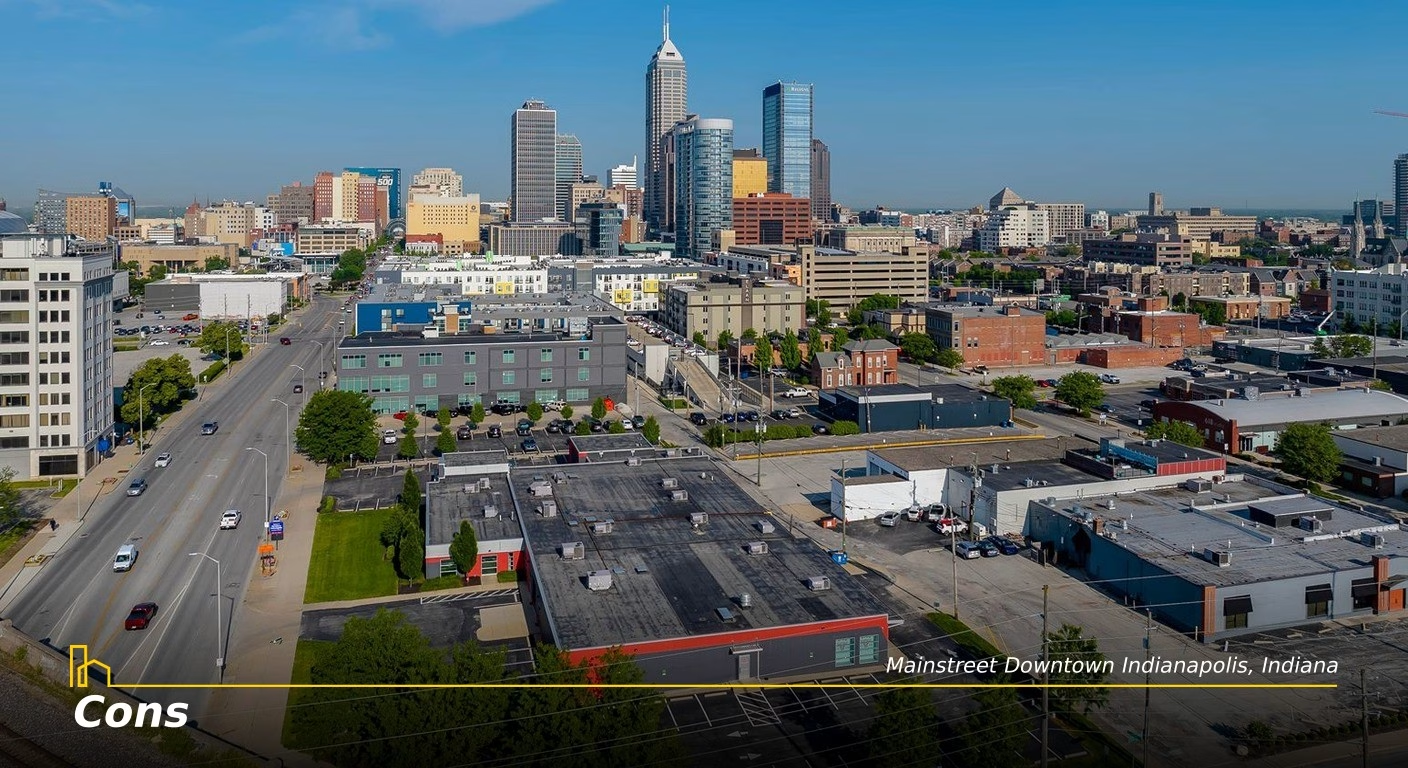
A. Limited Cultural Diversity and International Influence: The Crossroads of America’s cultural landscape can be a significant challenge for those accustomed to diverse metropolitan areas. Outside of major cities, the population is predominantly homogeneous with fewer international influences. It leads to limited ethnic dining options, cultural events, and global perspectives compared to coastal states.
B. Harsh Winters and Seasonal Extremes: This is a dealbreaker for those unaccustomed to cold weather. Residents experience genuine winters with snow, ice, and temperatures that can dip below freezing for extended periods. While many adapt, this overall climate requires newcomers to be prepared for seasonal challenges.
C. Education System Inconsistencies: Public education faces challenges with funding disparities and inconsistent performance across districts. While there are exceptional schools and dedicated teachers, families must choose wisely. This has impacted overall standardized test scores and college readiness rates in some areas, making it a primary concern for parents.
D. Rural Isolation and Limited Amenities: Once reaching the metro outskirts, access to amenities becomes increasingly limited. Rural communities may have fewer shopping options, healthcare specialists, and cultural attractions. Newcomers should be prepared for these service limitations in smaller towns and more remote areas of the state.
E. Economic Disparities Between Regions: While the overall economy is respectable, prosperity isn’t evenly distributed across the state. Some regions, particularly in southern Indiana and former industrial areas, face economic challenges and population decline. This can manifest in limited job opportunities and strains on public resources in certain communities.
Related article
Best Indiana Cities for Young Professionals
1. Fort Wayne
HOMEiA Score: 82/100
- Cost of Living: 12% below U.S. average
- Monthly Rent: Approximately $950
- Home price to income ratio: 4.1:1
- Income to rent ratio: 58.9x
- Safety rating: 68/100
The second-largest city attracts recent college grads seeking affordability, growing job opportunities, and quality amenities. While manufacturing remains strong, the economy has diversified into healthcare and professional services. Summit City has revitalized its downtown, offers numerous parks and trails, and provides a family-friendly environment for those starting their careers.
2. Bloomington
HOMEiA Score: 85/100
- Cost of Living: 5% below U.S. average
- Monthly Rent: Approximately $1,100
- Home price to income ratio: 5.2:1
- Income to rent ratio: 52.7x
- Safety rating: 70/100
Home to Indiana University, Bloomington has a youthful, energetic vibe. Academia provides employment and drives innovation in technology and research. Gen Z and Millennials are drawn to the vibrant cultural scene, beautiful campus surroundings, and incredible access to outdoor recreation in nearby state parks. It’s an intellectual, affordable alternative to larger cities with a deep sense of community.
3. Indianapolis
HOMEiA Score: 88/100
- Cost of Living: 8% below U.S. average
- Monthly Rent: Approximately $1,250
- Home price to income ratio: 4.8:1
- Income to rent ratio: 48.2x
- Safety rating: 65/100
As Indiana’s capital and largest city, Indianapolis is the undeniable economic hub, offering the most diverse job market in the state. Young professionals find opportunities in tech, healthcare, finance, and logistics. Indy provides a unique blend of urban amenities, including a downtown consisting of breweries and restaurants, with affordable living costs. Home to the state’s professional sports teams including the Colts, Fever, and Pacers, with networking events and reasonable commutes, Circle City is the best place to launch a career in the state.
Recommended for you




Best Indiana Communities for Families with Young Kids
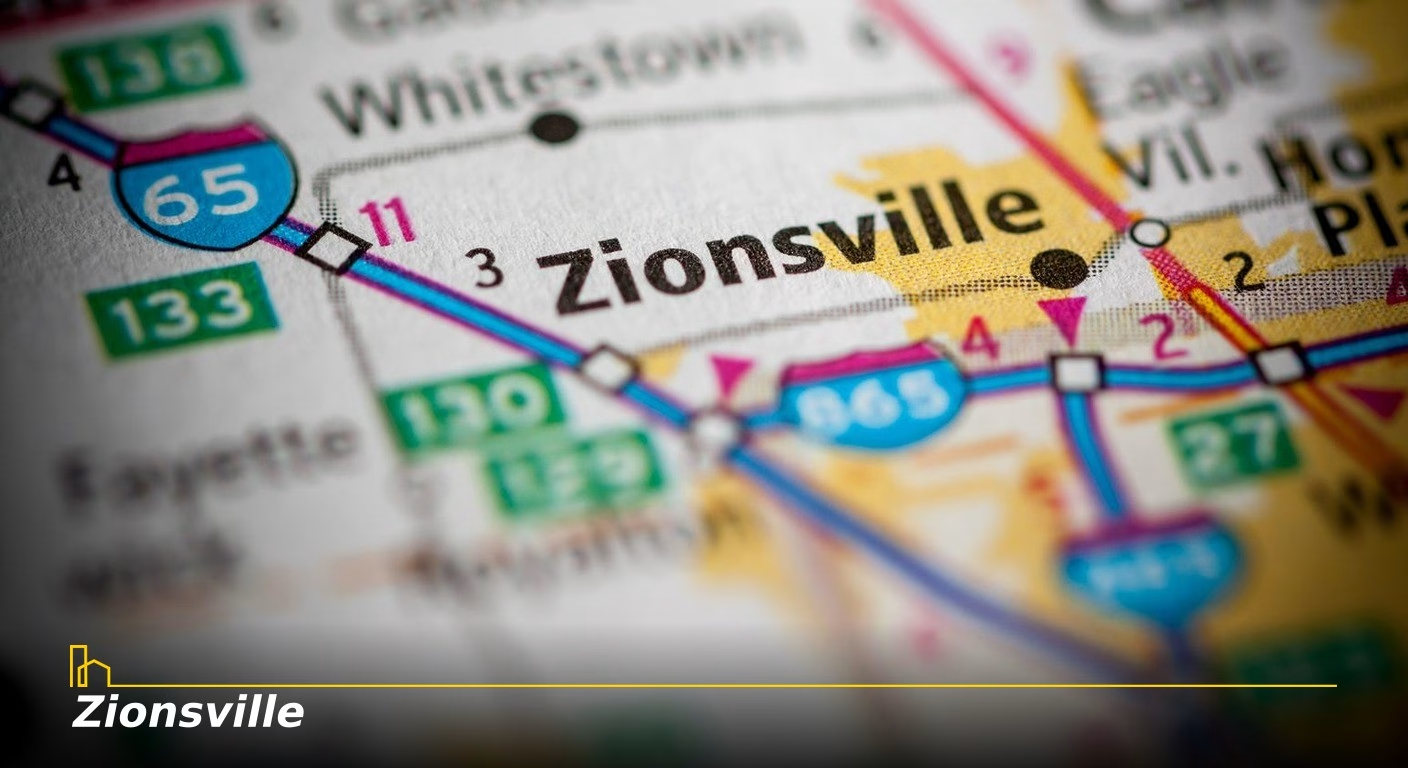
1. Zionsville
HOMEiA Score: 89/100
- Cost of Living: 5% above U.S. average
- Monthly Rent: Approximately $1,700
- Home price to income ratio: 4.5:1
- Income to rent ratio: 70.6x
- Safety rating: 88/100
Known for its charming brick-paved downtown and excelling schools, Zionsville offers an upscale suburban lifestyle for families. The Zionsville Community Schools district consistently ranks among the best in the state. With a strong developed community, numerous parks, and proximity to Indianapolis, it provides a premier environment for family living.
2. Fishers

HOMEiA Score: 90/100
- Cost of Living: 2% below U.S. average
- Monthly Rent: Approximately $1,400
- Home price to income ratio: 4.0:1
- Income to rent ratio: 71.4x
- Safety rating: 82/100
Adjacent to Carmel, Fishers offers similar family-friendly amenities with slightly more affordable housing options. Hamilton Southeastern Schools district is highly rated, and the community boasts numerous parks, recreational facilities, and family-oriented programming. Here has experienced significant growth while maintaining its community feel and safety standards. Fishers and other Indiana cities rank among the most affordable in the nation; this comparison of affordable U.S. cities shows where they stand nationally.
3. Carmel
HOMEiA Score: 92/100
- Cost of Living: On par with U.S. average
- Monthly Rent: Approximately $1,600
- Home price to income ratio: 3.8:1
- Income to rent ratio: 75.3x
- Safety rating: 85/100
Located slightly north of Indianapolis, Carmel is a classic suburban community that has become a top choice for families. Carmel Clay School district is home to fantastic education, numerous parks, and a significantly higher safety rating than its larger neighbor. With community centers, family-friendly events, and extensive trail systems, it provides a calm, secure environment while still being a short commute from job opportunities in Indianapolis.
Related article
Best Places to Retire in Indiana
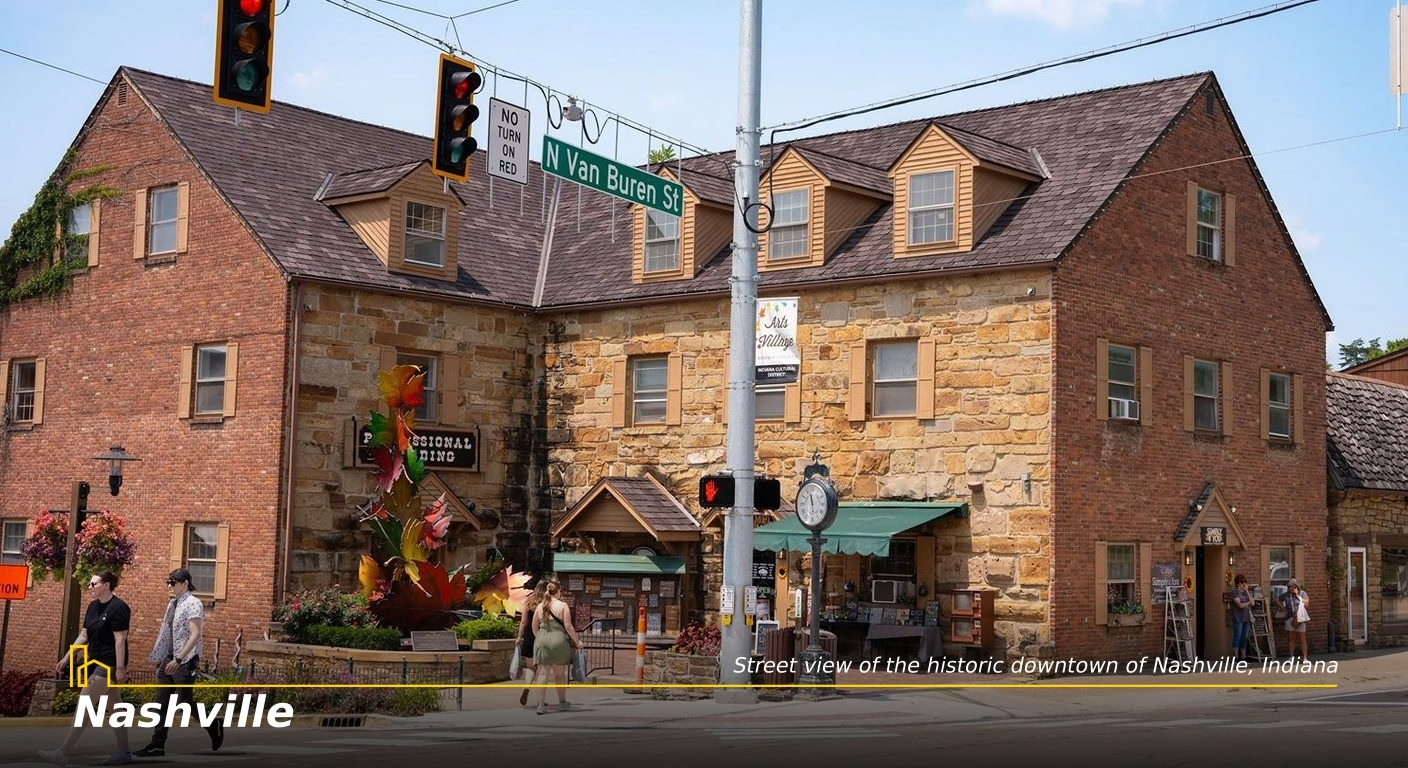
1. Nashville (Brown County)
HOMEiA Score: 83/100
- Cost of Living: 10% below U.S. average
- Monthly Rent: Approximately $900
- Home price to income ratio: 4.8:1 (Calculated)
- Income to rent ratio: 55.6x (Calculated)
- Safety rating: 78/100
Affordability meets natural beauty in this artsy community. Golden agers are drawn here by the economical housing costs and proximity to Brown County State Park. It’s a quiet, creative, and relaxed place to spend one’s golden years for those prioritizing an arts-focused lifestyle surrounded by beautiful woodlands.
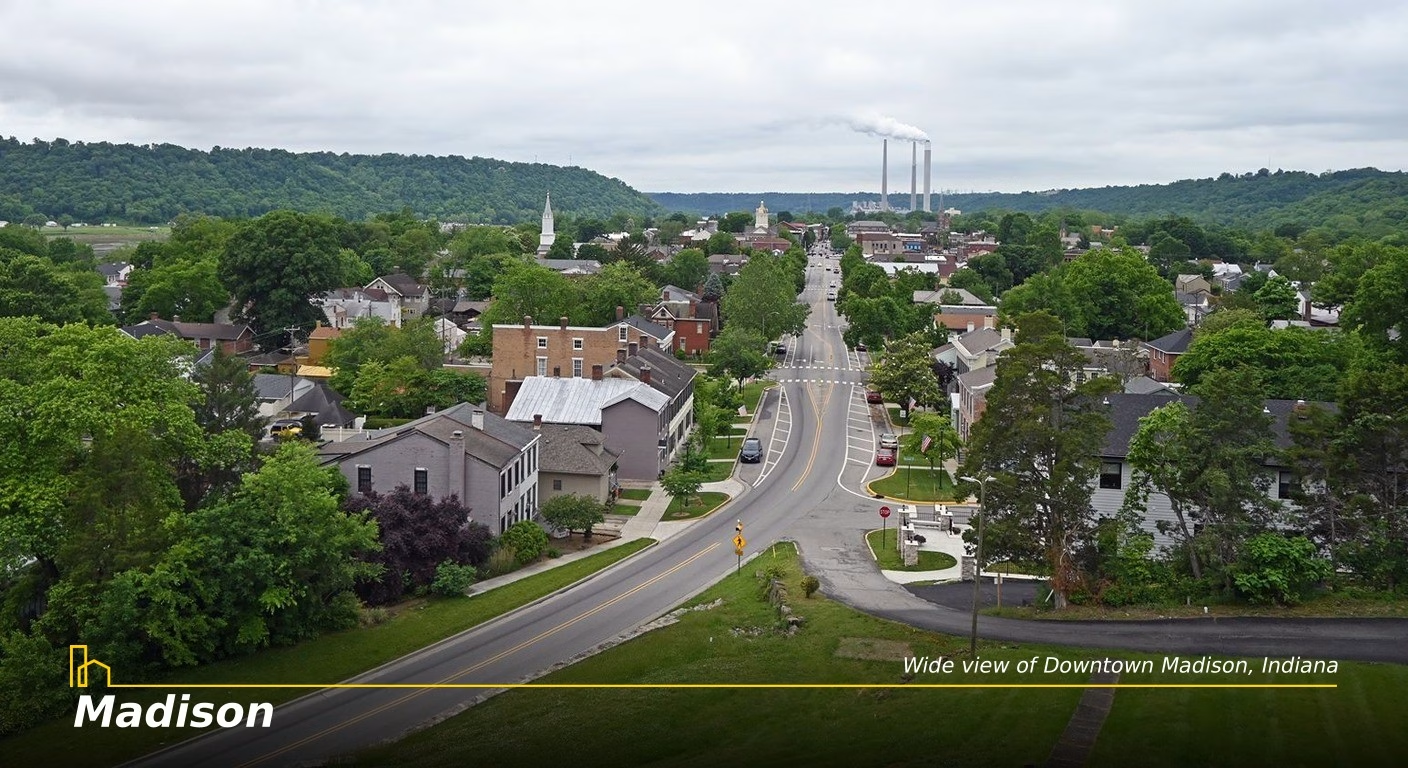
2. Madison
HOMEiA Score: 84/100
- Cost of Living: 15% below U.S. average
- Monthly Rent: Approximately $850
- Home price to income ratio: 3.9:1 (Calculated)
- Income to rent ratio: 58.8x (Calculated)
- Safety rating: 75/100
Tucked along the Ohio River, Madison is a hidden gem for those enjoying their golden years. This historic river town has preserved its 19th-century charm while offering modern amenities. Many are drawn to its walkable downtown, rich communities, and incredible river views. An affordable cost of living allows them to stretch their savings further while enjoying a peaceful and scenic atmosphere.
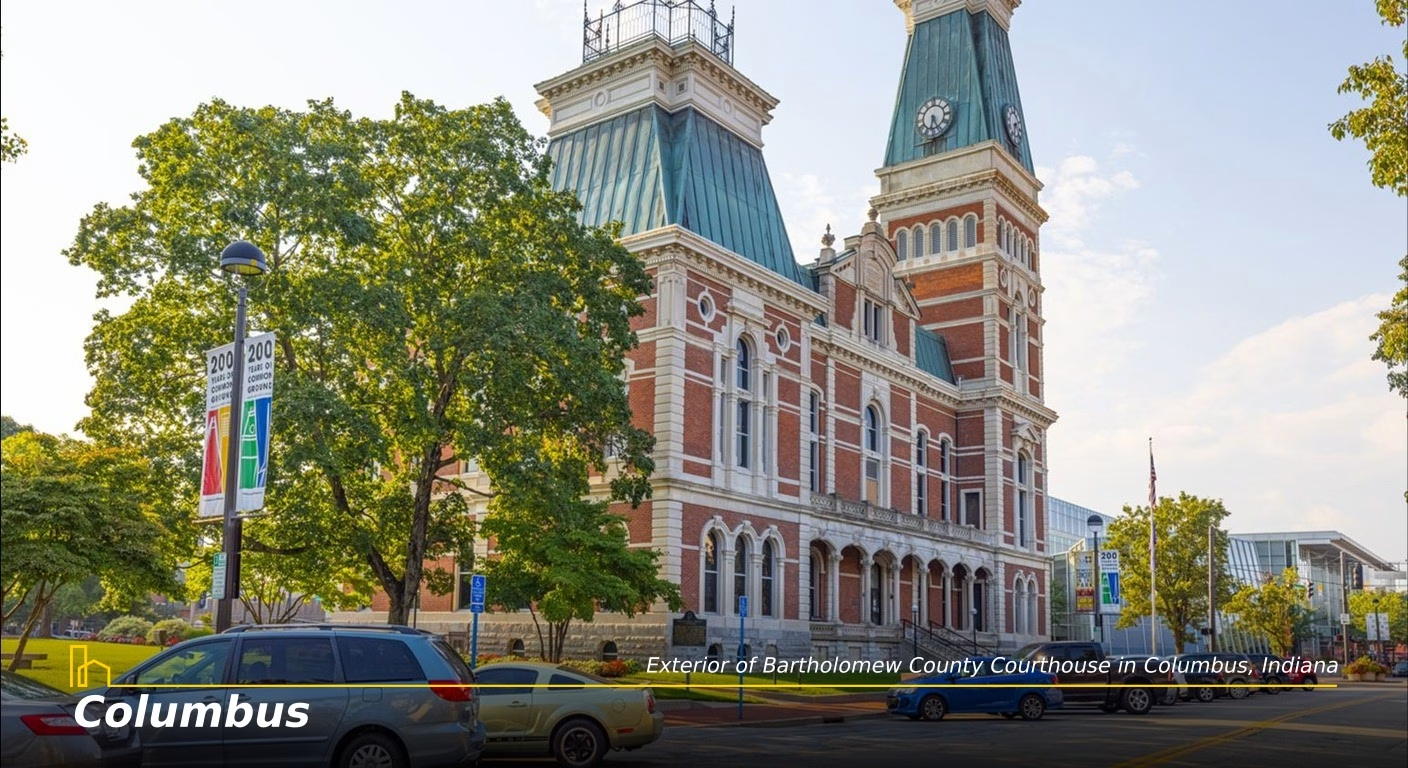
3. Columbus
HOMEiA Score: 86/100
- Cost of Living: 8% below U.S. average
- Monthly Rent: Approximately $1,000
- Home price to income ratio: 4.2:1 (Calculated)
- Income to rent ratio: 60.0x (Calculated)
- Safety rating: 72/100
For retirees seeking a culturally rich and affordable lifestyle, Columbus is a top contender. Known for its robust architecture and public art, the city offers a high quality of life at a reasonable cost. While not as massive as others on the list, the array of cultural activities, lifelong learning opportunities, and a mature, socially active community make it a rewarding place to retire.

Related article
The 16 Best Things to Do in Fort Wayne, Indiana
Fort Wayne is the second most populous city in Indiana and is considered the cultural center of the state. Museums, restaurants, nightlife and a thriving tourism industry help to keep it on the map…
Indiana Lifestyle: Arts, Food, and Recreation
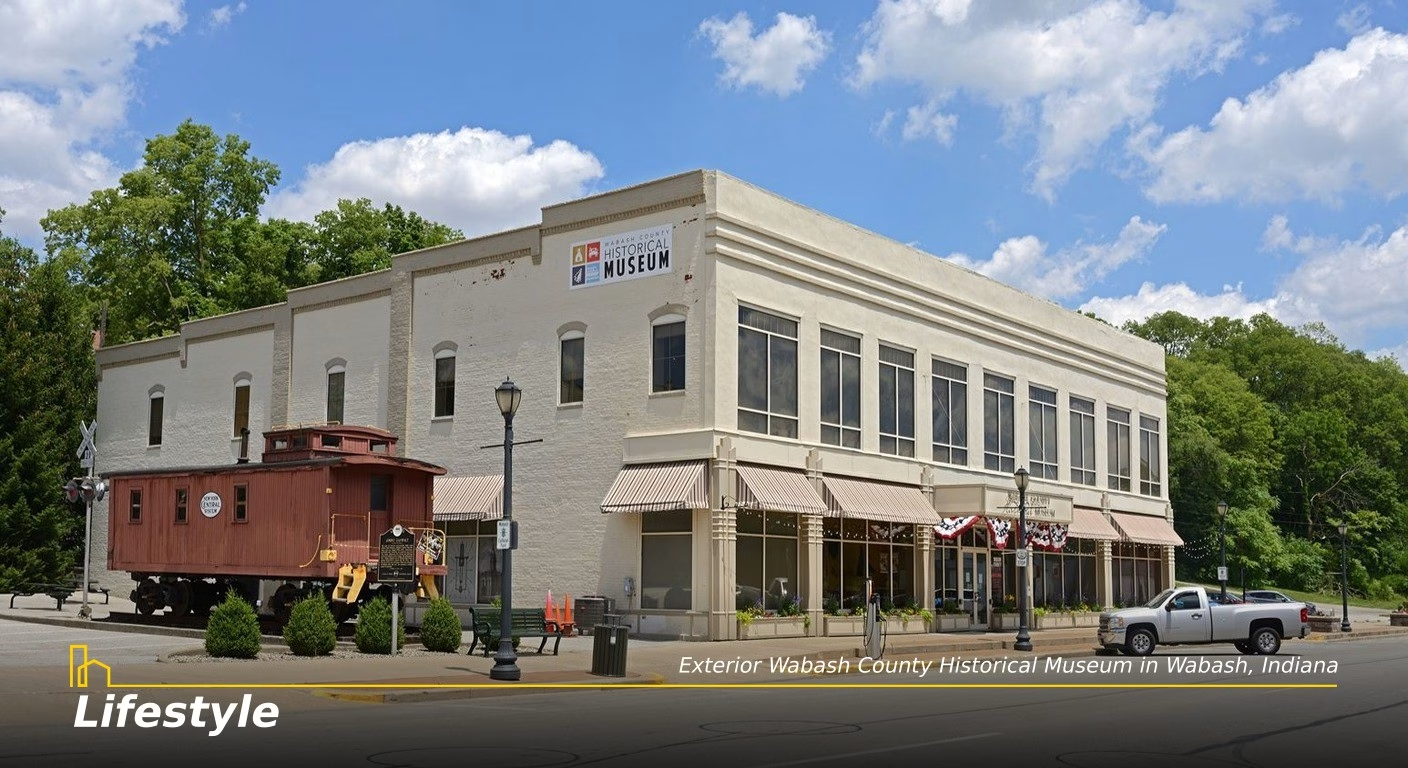
- Arts and Culture: Indiana’s culture reflects its Midwestern roots with respected community values and appreciation for local traditions. Cities including Indianapolis and Bloomington boast impressive museums, notably the Indianapolis Museum of Art and the Eiteljorg Museum, alongside thriving performing arts scenes. The state takes pride in its historical sites and preservation of local heritage.
- Food Scene: The Hoosier State’s cuisine celebrates heartland comfort food with some regional specialties. Seeing pork tenderloin sandwiches, sugar cream pie, and farm-fresh produce on menus should be expected. While urban areas offer diverse dining options, rural communities maintain strong agricultural traditions with farmers’ markets providing fresh local goods.
- Outdoor Activities: Recreation is a way of life across Indiana’s varied landscapes. Boating on the lakes, hiking in state parks, fishing in rivers, and exploring the Indiana Dunes are popular pastimes. An extensive park system and recreational trails ensure outdoor enjoyment for all ages and abilities throughout the seasons.
- Sports and Community Life: Community life often revolves around local events and sports. High school basketball holds legendary status, and college sports generate significant enthusiasm. Events including the Indianapolis 500 and community festivals bolster regional identity and social connections across the state.
Conclusion: Is Indiana Right for Your Lifestyle?
Indiana’s appeal lies in its exceptional affordability, unique community values, and strategic central location. Whether you’re building a career in Indianapolis, raising a family in Carmel, or enjoying a peaceful retirement in Madison, the Hoosier State presents a compelling case if you can adapt to its seasonal climate and value close-knit communities. Weigh the benefits and trade-offs for career, community, affordability, and personal preferences to decide if here is the right fit for your next chapter. For those still considering their options, our guide on essential steps for moving to a new city is a great resource.
Recommended for you




FAQs About Living in Indiana
1. What is the cost of living in Indiana compared to other states?
Cost of living is among the most affordable in the U.S., typically 10%-15% below the national average. This is driven by low housing costs, reasonable taxes, and affordable utilities. However, costs for certain services and goods can vary between urban and rural areas.
2. How severe are the winters in Indiana?
Locals experience an authentic four-season climate with cold, snowy winters. Temperatures typically range from 20°F-35°F in winter months, with occasional colder spells. Snowfall averages 20-40 inches annually depending on the region, with northern areas receiving more than southern counties.
3. Is Indiana a good place for families?
Yes, for families who value strong communities, affordable living, and standout educational opportunities in certain districts. Communities including Carmel and Zionsville offer top-rated schools and safe neighborhoods. However, access to certain specialized programs may be more limited than in larger metropolitan areas.
4. What are Indiana’s job prospects?
Job prospects are strong within key industries like manufacturing, logistics, healthcare, and innovation. The state has successfully attracted major employers and maintains an unemployment rate typically below the national average. The market for creative and certain professional fields is growing but more concentrated in urban areas.
5. How is healthcare access across the state?
Access to healthcare is available in major cities like Indianapolis, Fort Wayne, and Evansville, which have large, modern hospital systems. It becomes more limited in smaller towns and rural areas, where specialized care may require travel to regional medical centers.
6. What are the best outdoor activities in Indiana?
Hiking, boating, fishing, visiting state parks, and exploring the Indiana Dunes are top pastimes. The state’s diverse landscape provides opportunities for water sports on lakes, trail exploration in forests, and beach activities along Lake Michigan.
Hoosiers are generally friendly, practical, and deeply connected to their communities. There is a deep appreciation for local traditions, sports, and family values. The culture emphasizes hospitality, hard work, and community involvement across both urban and rural areas.
Share