






What Is Foreclosure and How Does It Work?
- Local Editor:Local Editor: The HOMEiA Team
- Category: Buy House , Real Estate Investing


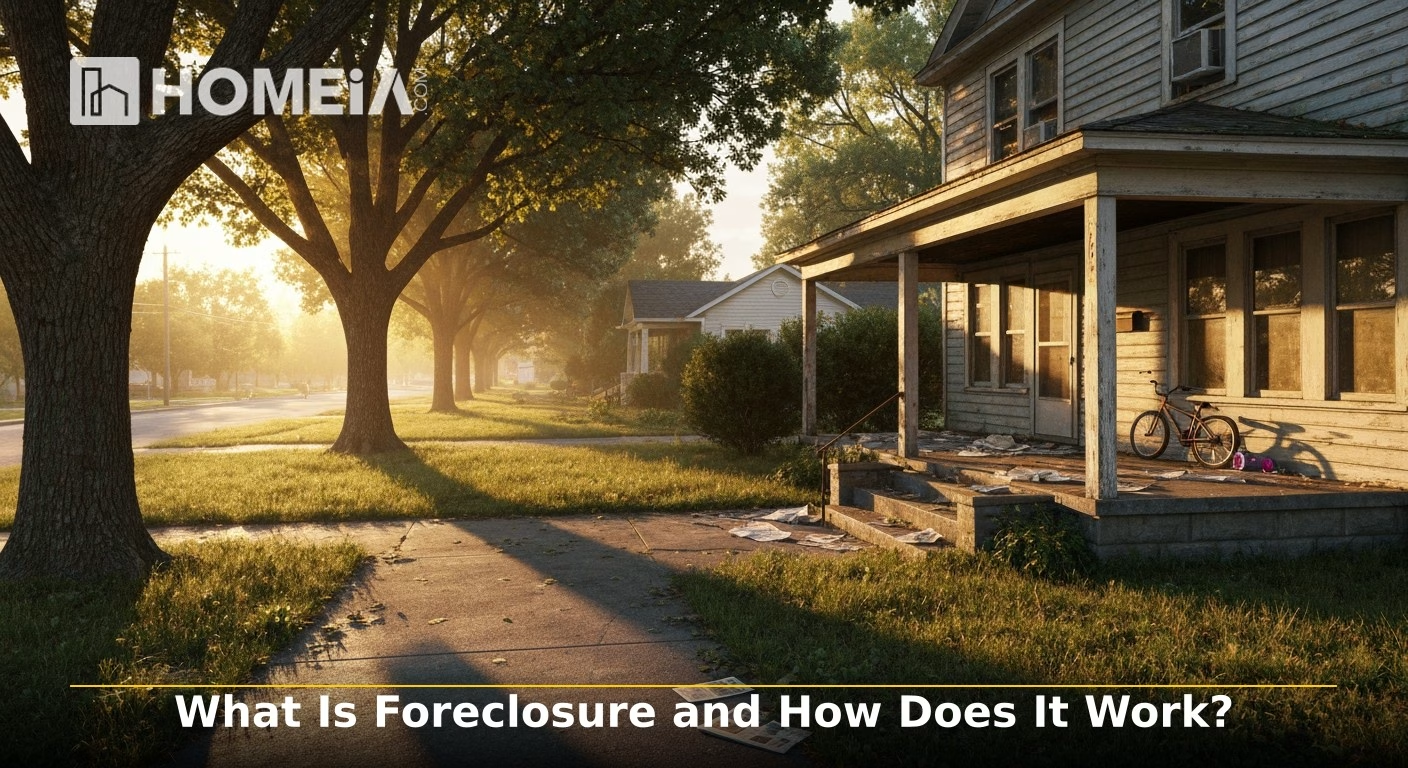
Foreclosure is a legal process where lenders repossess a home after the owner stops making mortgage payments, then sells it to recover the owed amount. Both homeowners and buyers face critical options and risks at each stage.
Key takeaway
Foreclosure is a legal process transpiring after a homeowner falls far behind on mortgage payments and cannot make up the difference. The lender can then take and sell the home to recover the unpaid debt, which deeply affects the owner’s credit, housing options, and finances. Before reaching this point, homeowners are typically granted several chances to fix the situation through options including loan modification, forbearance, selling the home, or, in some cases, bankruptcy or deed in lieu of foreclosure. Buyers can sometimes receive a discount on foreclosed properties, but they also face real risks, including hidden damage and title problems, so careful research and professional guidance are essential.
Related article
How to Stop Foreclosure: A Step-by-Step Guide for Homeowners
Facing foreclosure can feel overwhelming, but it’s a process — not an instant outcome — and homeowners often have more time and options than they realize. This guide explains how foreclosure works, key deadlines, and proven strategies to stop or avoid it, including loan modifications, forbearance, strategic selling, and legal protections, helping you make informed…
1. Understanding Foreclosure Basics
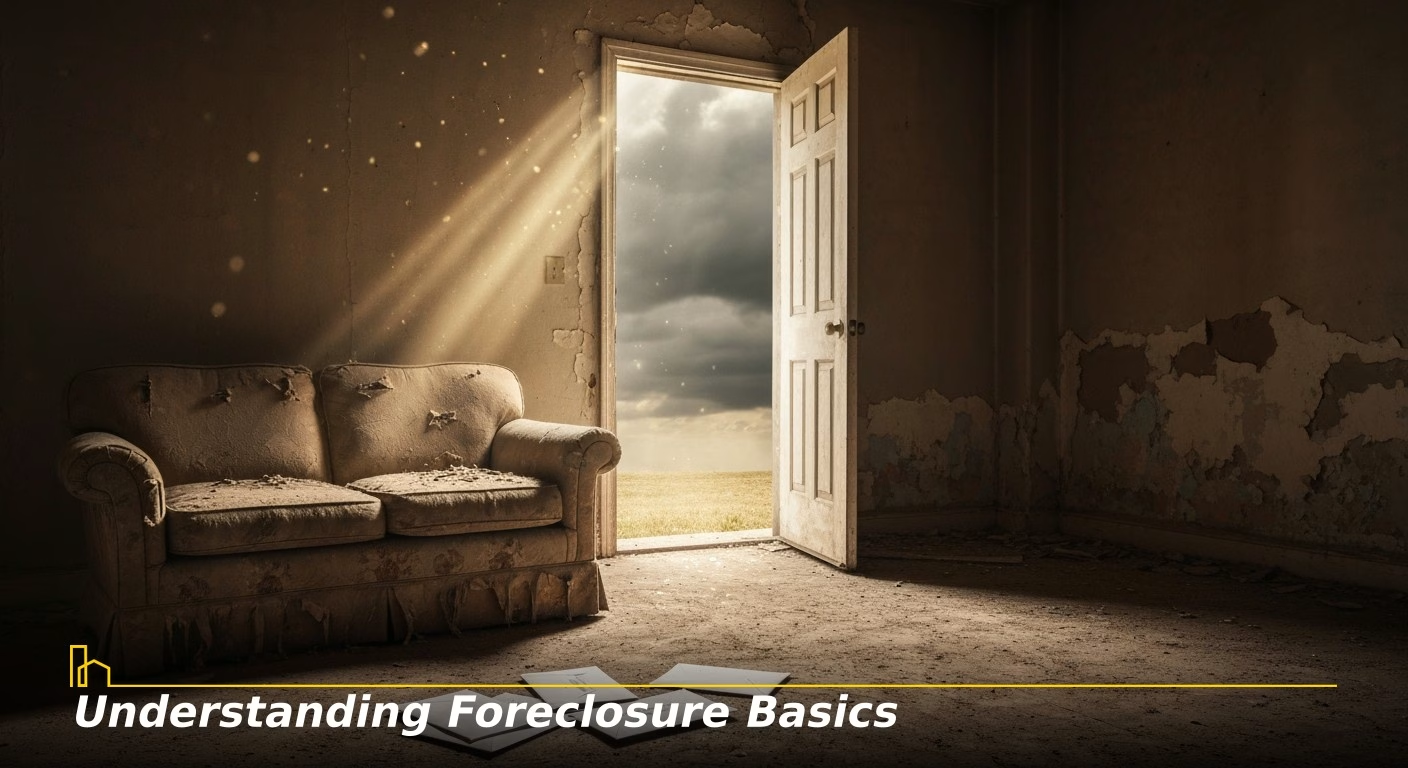
What it is: When you fall significantly behind on a mortgage, lenders can legally regain the home and sell it. The lender typically sells it “as-is” to recoup the loaned amount.
Key terms:
- Mortgage: A loan used to buy a house, with the property serving as collateral
- Default: Being seriously behind on payments (generally more than 120 days)
- REO (Real Estate Owned): Property the bank has reacquired and now owns
- Pre-foreclosure: The period after default notice but before the actual sale
2. When Foreclosure Begins
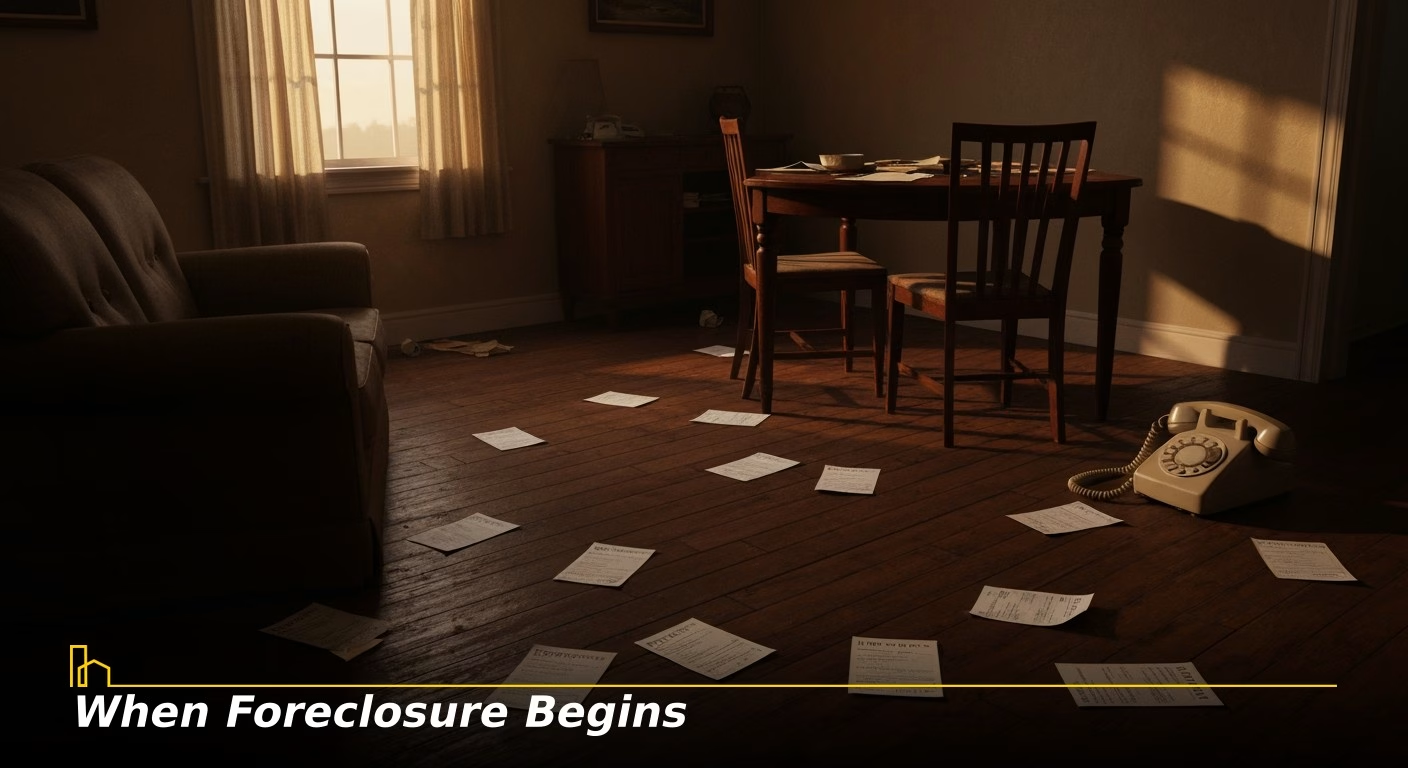
- Early warning period: Lenders don’t start foreclosure immediately. You’ll likely receive reminder letters, calls, and offers for help like repayment plans or forbearance within the first 90 days of missed payments.
- The 120-day rule: Federal law prohibits lenders from officially starting foreclosure until you’re more than 120 days delinquent. This provides time to pursue loss mitigation options before the process accelerates.
- State variation: Each state has different timelines, notice requirements, and borrower protections. An average U.S. foreclosure takes 671 days from first public notice to completion, but states vary dramatically—some complete in under 150 days, others take years.
Related article
Hidden Costs of Buying a Foreclosed Home: 17 Problems Investors Miss Until It’s Too Late
Foreclosures can look like lottery wins, offering homes priced 20–30% below market value. But discounts come with hidden risks. From title issues to major repairs, costs add up fast. This guide uncovers 17 common pitfalls behind foreclosure deals, helping buyers and investors price offers wisely and protect their capital.
3. Two Main Foreclosure Types
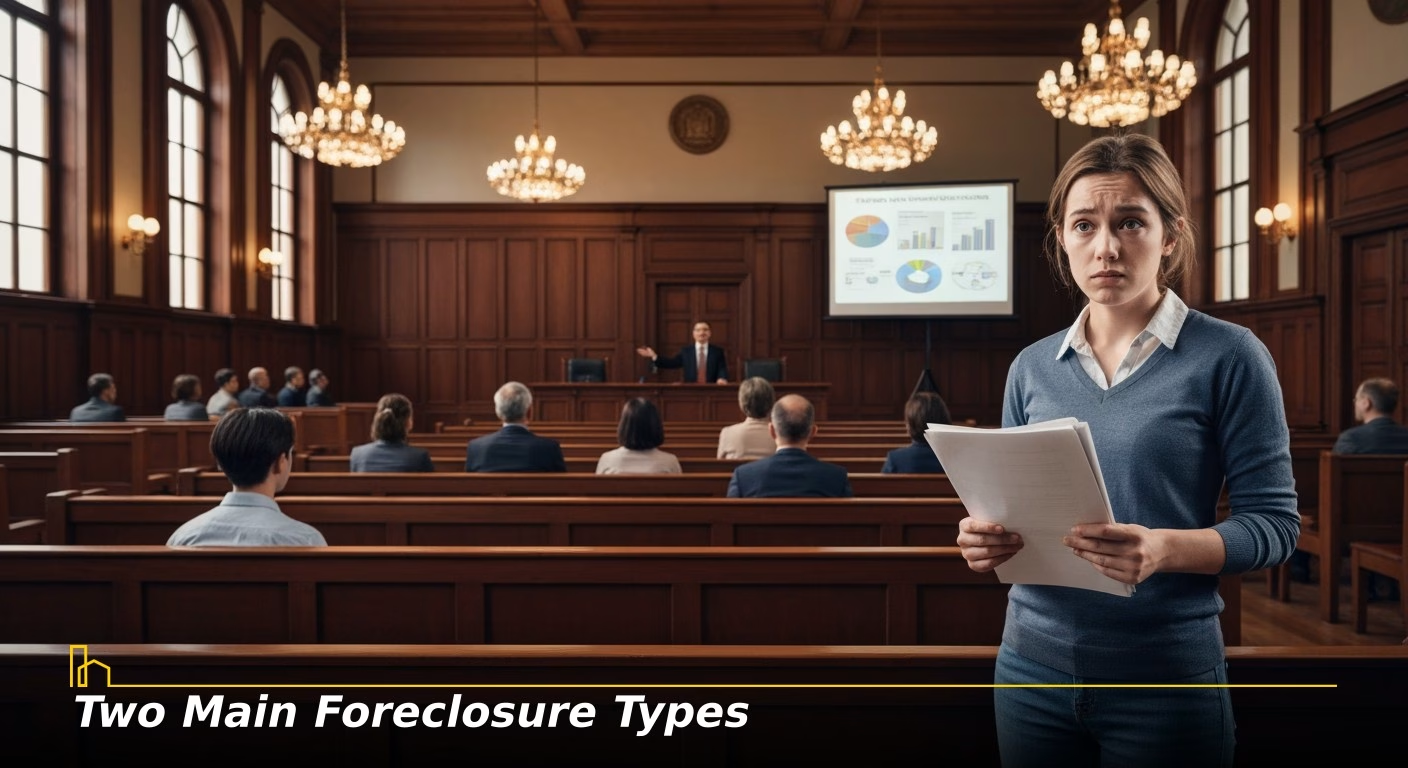
A. Judicial foreclosure (court-based):
- Lender files a lawsuit and you respond with defenses
- Court must approve the sale
- Sale typically occurs at public auction by a court official
- More protections for homeowners but slower process
B. Non-judicial foreclosure (power of sale):
- Used in states where the mortgage includes a “power of sale” clause
- No court involvement required
- Lender abides by state rules, sends notices, and holds public auction
- Generally faster than judicial foreclosure
4. The Foreclosure Process
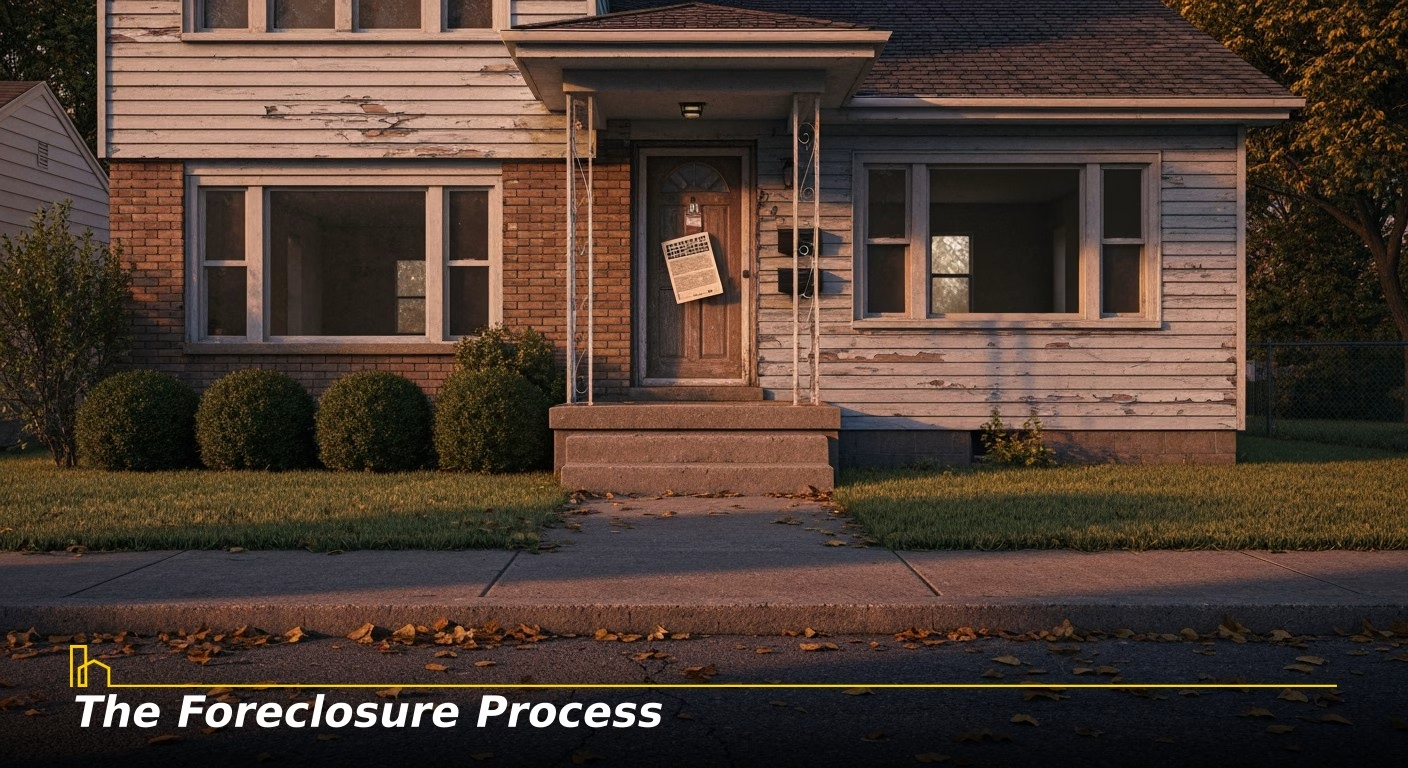
Step 1: Notice of default. Once seriously past due, the lender sends formal notice that the entire loan balance may be due if you don’t catch up. This marks the beginning of pre-foreclosure.
Step 2: Pre-foreclosure period. You still own the home but are at risk of losing it. Many owners attempt to sell, refinance, or negotiate a loan modification during this window.
Step 3: Notice of sale. If unable to cure the default, they publish a notice listing the auction date, time, and location (posted on the property, courthouse, and sometimes local newspapers).
Step 4: Public auction. Property is awarded to the highest bidder, often requiring cash or fast funding. If no one bids enough to cover current outstanding debt, lenders take the property back as an REO home.
Step 5: Post-sale transfer. Winning bidder(s) obtain ownership after sale completion. In some states, you may have a limited redemption period to pay everything owed and reclaim the home even after auction.
5. Impact on Homeowners
- Credit damage: Completed foreclosures can stay on your credit report for up to seven years and usually causes a significant credit score drop. Most borrowers must wait several years before qualifying for standard mortgages again.
- Tax implications: The Mortgage Forgiveness Debt Relief Act (extended through 2025) allows you to exclude up to $750,000 in forgiven qualified principal residence mortgage debt from taxable income. Without this exclusion, forgiven debt can be treated as taxable income. Some states may also pursue deficiency judgments if the sale price is less than what is owed.
- Staying in the home: You retain legal ownership until the title transfers after foreclosure. In states with redemption rights, this allows for one being able to continue living there legally months after the auction. Beyond that period, the new owner can evict you through normal legal proceedings.
- Time to recover: Financial recovery involves paying all other bills on time, using small amounts of credit and paying them off monthly, and avoiding new high-interest debt.
Recommended for you




6. Ways to Avoid or Stop Foreclosure
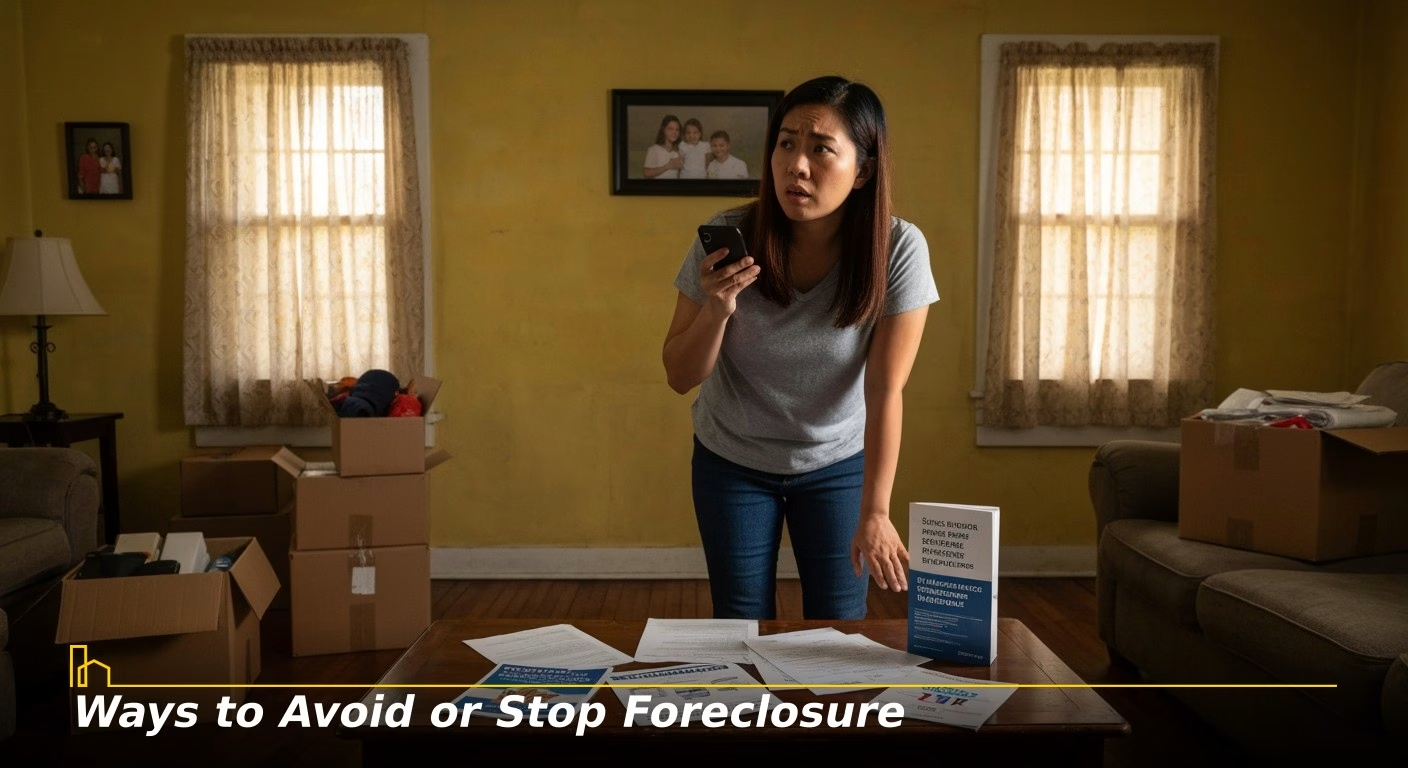
- Contact your lender early. Lenders generally prefer working out solutions over owning and managing homes. Calling immediately when you think you’ll fall behind opens doors to help.
- Loan modification. Servicers can lower the interest rate, extend the term, or add missed payments to the loan end to reduce monthly payments. Programs from Fannie Mae, Freddie Mac, and FHA now focus on long-term affordable payments.
- Forbearance. Temporarily stop or reduce payments for a set period if facing short-term hardship. You still owe the skipped amounts, repayable as a lump sum, loan addition, or repayment plan.
- Refinancing. If your credit is still in the “Good” range at the minimum and you have equity, refinancing to a new mortgage with lower payments can prevent foreclosure—but only if done before significant credit damage occurs.
- Selling the home. Traditional sales before foreclosure protects your credit better. A short sale (selling for less than you owe with lender approval) still damages credit but usually less severely than foreclosure.
- Deed in lieu of foreclosure. You voluntarily provide the property to the lender in exchange for debt forgiveness. Lenders often use this only when no other liens exist.
- Bankruptcy. Filing triggers an automatic stay that temporarily stops foreclosure and collection actions, though long-term results depend on the chapter filed. Bankruptcy has serious lasting credit effects—discuss with a qualified attorney.
- Government assistance. The federal Homeowner Assistance Fund has helped hundreds of thousands of owners catch up on mortgages. HUD-approved housing counselors offer free or low-cost advice.
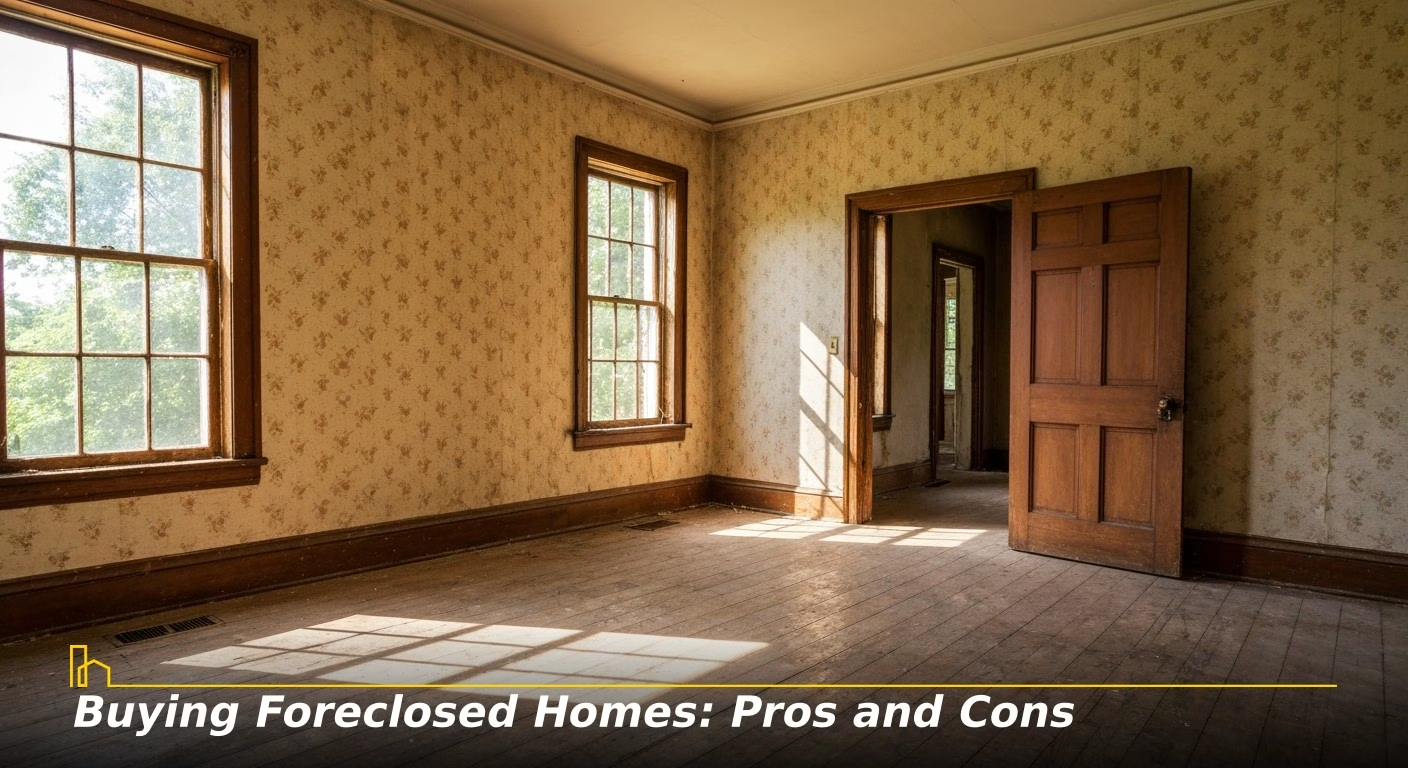
7. Buying Foreclosed Homes: Pros and Cons
A. Two purchase methods:
- At auction: Bid at public sale, often needing cash or fast funding, with limited or no advance inspection
- As REO property: Bank lists with agent; you make offers including standard purchases, with time for inspections
B. Potential benefits: Foreclosed homes sometimes sell below market value, creating profit opportunities or allowing entry to expensive neighborhoods. Experienced investors use these deals for rental portfolios or fix-and-flip projects.
C. Major risks:
- Condition: Vacant or poorly maintained properties often have roof leaks, water damage, mold, pests, or vandalism
- Environmental hazards: Asbestos, lead paint, or radon add health risks and repair costs
- Limited inspections: Auction properties often can’t be inspected beforehand; most are sold “as-is”
- Liens and title issues: Unpaid property taxes, HOA dues, or other liens may transfer to the new owner
- Financing challenges: Lenders may refuse loans on severely distressed properties; some buyers need renovation loans or hard-money lenders with higher costs
D. Smart buyer steps:
- Work with experienced real estate agents or attorneys familiar with foreclosure sales
- Get professional inspections whenever possible
- Budget for visible and surprise repairs
Related article
A Comprehensive Guide to Finding Pre-Foreclosure Homes
In this article, we will explore how to find home pre-foreclosures; the possibilities of buying and financing them; and steps to avoid foreclosure and save a home after it has been foreclosed…
8. Practical Action Checklist

A. Before you fall behind:
- Review your budget and cut non-essential expenses immediately
- Contact a mortgage servicer and ask about hardship options, forbearance, or modification
B. After missing payments:
- Open all mail from your lender—don’t miss deadlines and available options
- Call a HUD-approved housing counselor or local legal aid office
C. If you receive a default or sale notice:
- Ask your lender in writing what options remain (modification, repayment, short sale, deed in lieu)
- Contact a foreclosure or bankruptcy attorney quickly—time limits are strict
D. If foreclosure cannot be avoided:
- Plan your move early; seek flexible rental options
- Protect remaining credit by paying other accounts on time
- Avoid new high-interest debts like payday loans
Recommended for you




FAQs about What Is Foreclosure and How Does It Work
1. Will I Still Owe Money After Foreclosure if the Home Sells for Less Than I Owe?
A. The short answer: Maybe. It depends on your state’s laws and the type of foreclosure.
When a home sells at foreclosure for less than the mortgage balance, the difference is called a “deficiency.” Some lenders may be willing to negotiate with the borrower to waive its right to a deficiency judgment if specific terms are met during the foreclosure process.
B. Your liability varies by state: Most states allow lenders to pursue deficiency judgments, but some have “anti-deficiency laws” that protect homeowners. In California, the vast majority of people who lose their homes to foreclosure aren’t susceptible to being sued for the unpaid mortgage balance, thanks to the state’s anti-deficiency laws.
C. How to reduce deficiency risk:
- If a foreclosure is unavoidable, a homeowner may be able to negotiate with their lender so that any deficiency is forgiven after the foreclosure is complete
- With a deed in lieu of foreclosure, the agreement must clearly state that the transaction fully satisfies the debt—get this in writing
- Filing for bankruptcy can also help you avoid a deficiency judgment, though this has serious long-term credit effects
D. Important: If your lender forgives or cancels debt of $600 or more, you may receive a tax form (1099-C), which could make the forgiven amount taxable income.
2. Do Military Members Have Special Foreclosure Protections?
Yes. Mortgage lenders cannot foreclose on a house owned by military personnel on active duty unless the lender gets permission from a court.
The Servicemembers Civil Relief Act (SCRA) provides this protection to active-duty service members. Lenders might not pursue this course of action as it can make for bad publicity, adding practical incentive beyond legal protection.
If you’re an active-duty service member facing foreclosure, contact your lender immediately to discuss your SCRA protections and explore loss mitigation options.
A. Most foreclosed homes require significant repairs. Buyers often underestimate the true cost of bringing distressed properties up to livable condition.
B. Common hidden expenses:
- Many forget to ask about the age of roofing, plumbing, HVAC, and wiring—they typically cost a significant amount of money to repair
- Foundation issues including settling and cracks
- Water damage, mold, pest infestation
- Environmental hazards (asbestos, lead paint, radon)
- Unpaid property taxes and HOA liens that transfer to the new owner
C. Smart budgeting approach: Plan to reserve at least 20% of the property’s value beyond the purchase price for unexpected repairs. Buyers who work with lenders quickly can sometimes negotiate discounts of 15%-20% if they’re reliable and willing to close within 90 days.
D. Negotiation tip: Asking the seller how the asking price was determined can help you understand if you can negotiate a better price. Prices set by banks may differ from market-based pricing.
4. Can I Really Stay in My Home Until the Foreclosure is Finalized?
A. Yes, legally you can. You have the legal right to remain in your home until the foreclosure process is completed.
B. Important caveats:
- You must stay legally—meaning you don’t abandon the property or deliberately damage it
- In states with redemption periods, you can legally remain even after the auction concludes, sometimes for months
- Once the redemption period expires, the new owner can evict you through the normal eviction process
C. Strategic benefit: Since foreclosure timelines average 671 days nationally, this can provide months of free housing while planning your next steps. Some lenders offer relocation assistance if you vacate within a certain timeframe, so negotiate this when possible.
D. Why homeowners should act: The longer you stay without making mortgage payments, the more damage your credit takes and the more fees accumulate. It’s usually better to move proactively rather than wait for eviction.
5. Can Foreclosure Scams Happen During Crisis? How Do I Protect Myself?
A. Yes, scams are common when homeowners are desperate. Beware of scams! Solutions sounding too simple or too good to be true usually are.
B. Red flags to watch for:
- Upfront fees before services are rendered
- Promises to “make foreclosure disappear” or stop the process instantly
- Pressure to sign documents quickly or transfer your deed
- Offers that require you to become a tenant in your own home
- Requests to make payments to anyone other than your lender or an approved third party
C. Protect yourself:
- Only work with HUD-approved housing counselors (free and legitimate)
- Connect with a foreclosure attorney before signing any agreements
- Be wary of buyers rushing you through the sale process
- Ask your lender directly about options—they prefer solutions to ownership
- Verify any third party claiming to help by checking with your state’s attorney general
D. Official resources: The National Foundation for Credit Counseling and HUD’s foreclosure hotline (1-888-995-HOPE) offer free, legitimate guidance. Never pay for what should be free counseling services.
Share