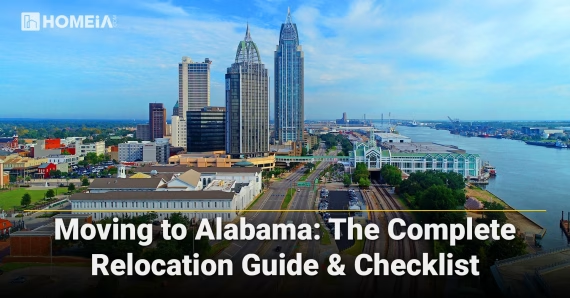









Alabama offers rich Southern heritage, diverse landscapes, and a strong sense of community. Over 5 million residents enjoy affordable living, low taxes, and growing job opportunities. Birmingham and Huntsville anchor economic growth, while the Gulf Coast adds natural appeal. This guide covers relocation essentials, including climate, costs, and legal steps for becoming an Alabama resident.
The 5 Best Places to Live in Alabama: A City Comparison
- Local Editor:Local Editor: The HOMEiA Team
- Category: City Living Guide
Share
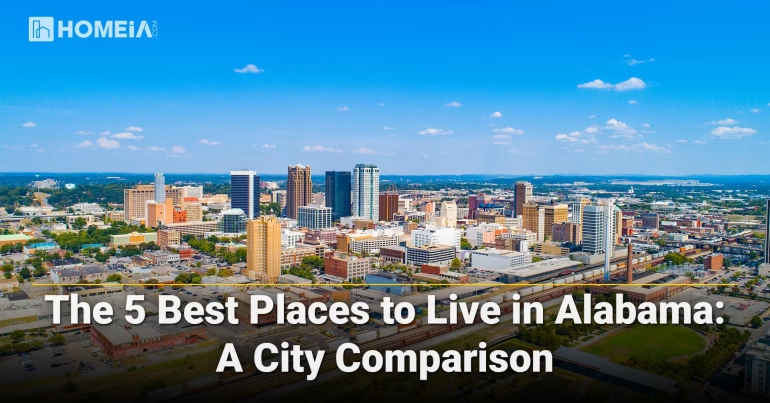
Alabama is a state of rich history, Southern charm, and diverse landscapes, where modern urban centers coexist with picturesque small towns and breathtaking natural beauty. Choosing the right community within the Heart of Dixie is crucial to unlocking a lifestyle fitting your ambitions, no matter the goal.
This guide provides an in-depth, data-driven analysis of the state’s five best places to live in 2026. Taking a deep dive, we evaluated these population centers on the factors that matter most: economic opportunity, affordability, safety, access to amenities, and unique quality of life. From the vibrant energy of Huntsville to the historic elegance of Mobile, we break down what makes each city a premier destination for building your future in the Deep South.
For those considering other states, you might also explore our comparison of the pros and cons of living in Tennessee.
Table of Contents:
Key Takeaways
- Diverse Options for Diverse Needs: These top cities offer distinctly different lifestyles, from the high-tech innovation of Huntsville to the coastal charm of Mobile and the urban sophistication of Birmingham.
- Affordability is a Constant: A major advantage across all five cities is a cost of living significantly below the national average, with accessible housing costs compared to other Southern states.
- Safety Varies Significantly: Safety ratings range from excellent to average, making it necessary to research specific neighborhoods and cities based on your personal tolerance and priorities.
- Economic Drivers Differ: Each job market is anchored by a different sector—aerospace, healthcare, manufacturing, education, or tourism—requiring alignment with your career field.
- Culture is Key: The intangible sense of place, community, and access to culture, history, and nature are often the defining factors in choosing between these exceptional locations.
I. Methodology: How We Chose the Best
To ensure a comprehensive and objective ranking, our analysis is based on a multi-factor methodology that evaluates each city on key criteria essential for quality of life in the Alabama context.
Our evaluation criteria are weighted as follows:
- Employment & Economy (25%): Assesses job market health, major employers, economic diversity, and income levels relative to the local cost of living.
- Housing & Affordability (25%): Evaluates median home value, average rent, and home-price-to-income ratios, acknowledging the state’s overall affordability but important local variations.
- Quality of Life & Culture (20%): Encompasses access to unique outdoor recreation, cultural attractions, dining, entertainment, and overall lifestyle.
- Access & Infrastructure (15%): Considers connectivity (road, air), healthcare access, internet reliability, and other critical services.
- Safety & Community (15%): Reviews crime statistics and overall community engagement, resilience, and family-friendliness.
Data is compiled from reputable 2026 sources, including the U.S. Census Bureau, Bureau of Labor Statistics, FBI crime data, and real estate market analyses (Zillow, local MLS).

Related article
Our Methodologies to create HOMEiA Score Ratings for Each Group of Content
HOMEiA uses a consistent, data-driven methodology to evaluate U.S. states for livability, affordability, and long-term value. Our analysis centers on key factors such as Housing and Affordability, Cost of Daily Living, Access and Infrastructure, Community Strength, Safety and Quality of Life, Economic Resilience and Job Market…
II. The 5 Best Cities: A Portrait of Alabama’s Diversity
1. Montgomery: The Capital City
HOMEiA Score: 80/100
- Cost of Living: 16% below U.S. average
- Monthly Rent: $900
- Home price to income ratio: 4.3:1
- Income to rent ratio: 53.1x
- Safety rating: 58/100
A. Employment & Economy: As the state capital, Montgomery’s economy is tied at the hip to government employment at the local, state, and federal levels. It’s diversified with major employers in healthcare, manufacturing, and military operations (Maxwell Air Force Base). Hyundai’s manufacturing plant and associated suppliers provide significant automotive industry jobs, while healthcare systems including Baptist Health South Alabama create additional employment opportunities.
B. Housing & Affordability: This offers exceptional affordability with a cost of living 16% below the national average. Their housing market provides diverse options from historic homes in Old Cloverdale to new developments, all at accessible price points. Home-price-to-income ratio of 4.3:1 indicates nearly unbeatable value for homebuyers seeking capital city amenities.
C. Quality of Life & Culture: This area is rich in civil rights history, with landmarks including the Rosa Parks Museum and Civil Rights Memorial. Downtown features the Riverwalk, entertainment venues, and diverse dining options. Cultural attractions include the Alabama Shakespeare Festival, Montgomery Museum of Fine Arts, and the Montgomery Zoo, providing entertainment for all ages.
D. Access & Infrastructure: Montgomery Regional Airport (MGM) provides convenient air travel, while a central location offers ideal highway connectivity throughout Alabama. The healthcare system is comprehensive, with multiple hospital systems serving the region. Ongoing downtown revitalization and infrastructure improvements continue to enhance the city’s appeal.
E. Safety & Community: With a safety rating of 58/100, this has safe suburban neighborhoods alongside areas that benefit from ongoing revitalization efforts. The community is engaged in preserving the city’s historical significance while embracing new growth and development. Neighborhood associations and civic organizations work to improve quality of life across the city.
Related article
The Pros and Cons of Living in Alabama (Updated)
Alabama offers more than Southern stereotypes, combining affordable living, natural beauty, and a relaxed lifestyle. But challenges include hot summers, limited public transportation, and uneven education outcomes. This guide delivers a balanced look at the pros and cons of life in the Yellowhammer State and highlights the best cities for young professionals, families, and retirees.
2. Mobile: The Historic Port City
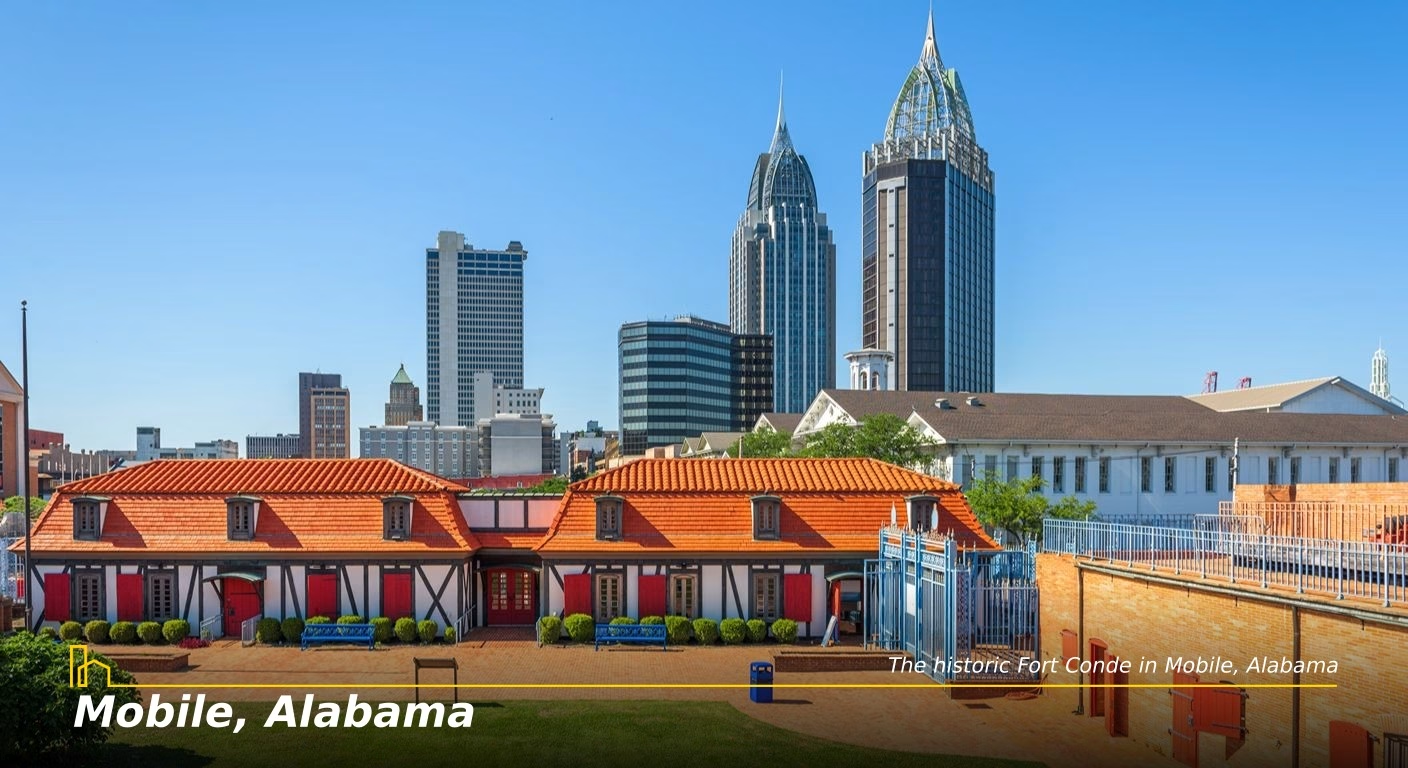
HOMEiA Score: 83/100
- Cost of Living: 18% below U.S. average
- Monthly Rent: $850
- Home price to income ratio: 4.0:1
- Income to rent ratio: 56.8x
- Safety rating: 65/100
A. Employment & Economy: Mobile’s economy is anchored by its deep-water port, one of the largest in the United States, driving international trade and manufacturing. The city has become a major aerospace hub with Airbus’s final assembly line, supporting hundreds of supplier companies. Healthcare, tourism, and maritime industries provide additional economic diversity, creating a reliable job market with opportunities across multiple skill levels.
B. Housing & Affordability: This area offers the most affordable housing on our list, with a cost of living 18% below the national average. The market includes historic homes in the Oakleigh Garden District, waterfront properties along Mobile Bay, and suburban developments, all at exceptionally accessible prices. Home-price-to-income ratio of 4.0:1 represents desirable value for homebuyers.
C. Quality of Life & Culture: Residents celebrate its rich history as AL’s first capital with preserved architecture, museums, and the nation’s oldest Mardi Gras celebration. Waterfront property provides access to boating, fishing, and beautiful beaches. Cultural attractions include the USS Alabama Battleship Memorial Park, Bellingrath Gardens, and a thriving arts scene centered around the Saenger Theatre.
D. Access & Infrastructure: Mobile Regional Airport (MOB) allows convenient air travel, while prime location on I-10 offers convenient access to the Gulf Coast. The healthcare system is comprehensive, with the University of South Alabama Medical Center serving as a regional trauma center. A port infrastructure supports both commercial and recreational activities.
E. Safety & Community: With a safety rating of 65/100, this offers comfortable living in most neighborhoods. The community is deeply connected to its history and traditions, with rooted neighborhood associations and civic pride. Family-friendly events, excellent parks, and community organizations create a welcoming atmosphere for new residents.
Recommended for you
3. Birmingham: The Medical and Cultural Capital
HOMEiA Score: 85/100
- Cost of Living: 15% below U.S. average
- Monthly Rent: $950
- Home price to income ratio: 4.2:1
- Income to rent ratio: 52.6x
- Safety rating: 62/100
A. Employment & Economy: Birmingham serves as Alabama’s economic and healthcare hub, with the University of Alabama at Birmingham (UAB) and its medical center driving employment and innovation. Having undergone a transition in recent years from its steel industry roots to now a diverse economy featuring finance, research, and professional services. Major employers include Regions Financial, PNC Bank (which acquired BBVA USA), and numerous healthcare systems, providing consistent career opportunities across multiple sectors.
B. Housing & Affordability: There’s exceptional value with a cost of living 15% below the national average. This housing market provides diverse options from historic homes in Mountain Brook and Homewood to urban lofts in downtown revitalization areas. A home-price-to-income ratio of 4.2:1 indicates ideal purchasing power for residents.
C. Quality of Life & Culture: Here combines urban sophistication with Southern hospitality. There’s world-class dining in its Food Hall, cultural institutions like the Birmingham Museum of Art and Alabama Theatre, and professional sports with the Birmingham Barons (baseball). Outdoor enthusiasts enjoy Red Mountain Park and Oak Mountain State Park, while music lovers appreciate the city’s vibrant live music scene.
D. Access & Infrastructure: Birmingham-Shuttlesworth International Airport (BHM) provides comprehensive air service, while the city’s interstate system offers needed regional connectivity. The healthcare system is nationally recognized, with UAB Hospital consistently ranked among the nation’s best. Public transportation and ongoing infrastructure improvements support the city’s growth.
E. Safety & Community: With a safety rating of 62/100, it has safe suburban enclaves alongside urban areas that require neighborhood-specific research. The community is diverse and engaged, with strong neighborhood associations and a revitalized downtown that’s attracting new residents and businesses. For those considering other states with great urban living, explore the best places to live in Georgia.

Related article
4. Auburn: The College Town Gem
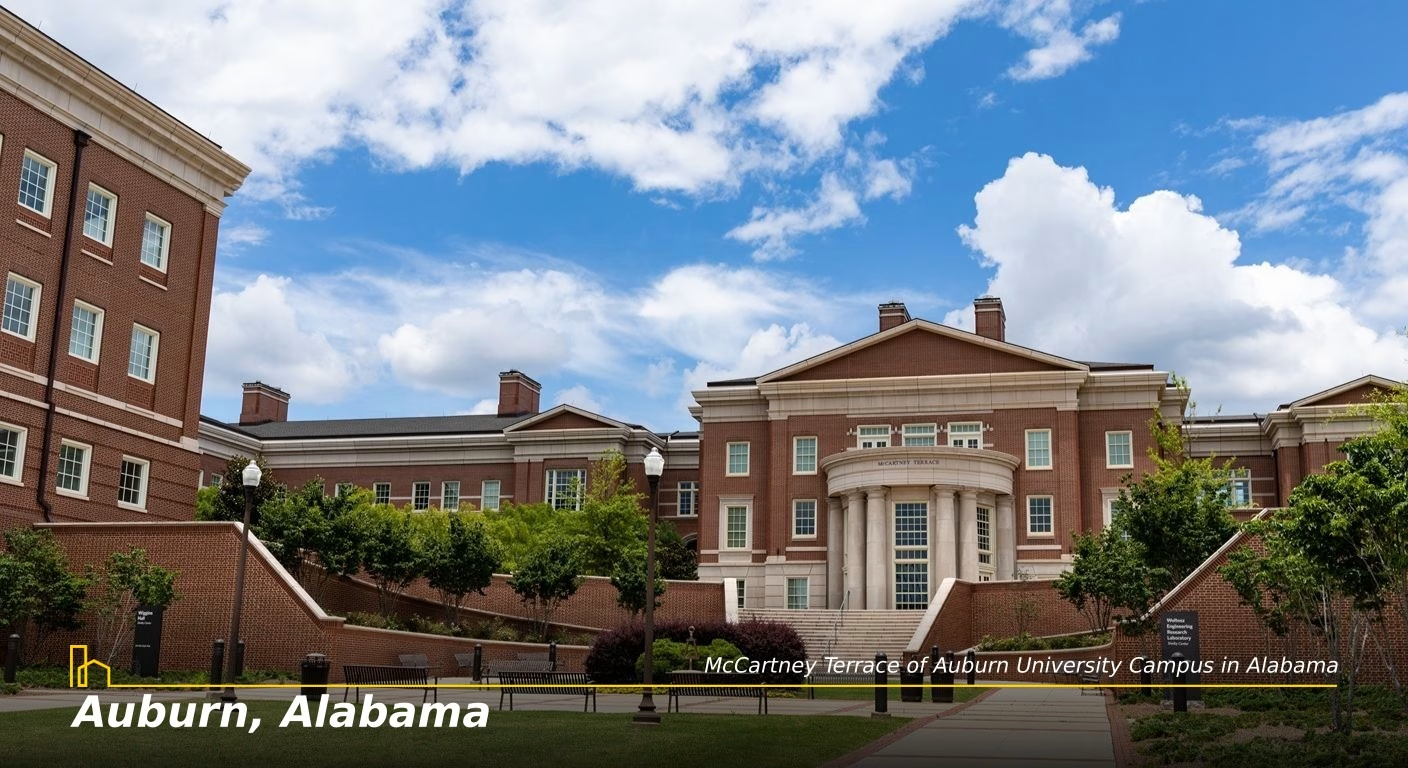
HOMEiA Score: 88/100
- Cost of Living: 10% below U.S. average
- Monthly Rent: $1,050
- Home price to income ratio: 4.5:1
- Income to rent ratio: 54.3x
- Safety rating: 82/100
A. Employment & Economy: Auburn’s economy is driven by Auburn University, providing consistent employment in education, research, and administration. The city has successfully attracted tech and manufacturing companies, creating a diverse economic base beyond the university. Major employers include Auburn University, East Alabama Medical Center, and various advanced manufacturing firms, offering career opportunities across education, healthcare, and technology sectors.
B. Housing & Affordability: Auburn offers a balanced housing market with a home-price-to-income ratio of 4.5:1. There’s a mix of historic homes near campus, modern subdivisions, and student housing, all holding value despite the university’s presence. Cost of living remains 10% below the national average, providing desirable quality of life for the investment.
C. Quality of Life & Culture: Life revolves around university activities, from SEC football at Jordan-Hare Stadium to cultural events and academic lectures. A charming downtown with local shops and restaurants, extensive park systems, and the Donald E. Davis Arboretum are some of the highlights. The university brings world-class performing arts, athletics, and educational opportunities to the community.
D. Access & Infrastructure: This is conveniently located near I-85, providing easy access to Atlanta and Montgomery. The city’s infrastructure supports its growing population with successful schools, healthcare facilities, and public services. High-speed internet and modern utilities support both residential and business needs.
E. Safety & Community: With a safety rating of 82/100, this is one of Alabama’s safest cities. The community is highly educated and engaged, with strong neighborhood associations and civic organizations. A university-town atmosphere creates a vibrant, intellectual community that values education, sports, and community involvement.
Related article
5. Huntsville: The Rocket City Innovation Hub
HOMEiA Score: 92/100
- Cost of Living: 12% below U.S. average
- Monthly Rent: $1,100
- Home price to income ratio: 3.8:1
- Income to rent ratio: 58.2x
- Safety rating: 78/100
A. Employment & Economy: Huntsville is Alabama’s economic powerhouse and the fastest-growing city in the state. Rocket City is home to NASA’s Marshall Space Flight Center, Redstone Arsenal, and a booming private aerospace and defense sector. Here has successfully diversified into cybersecurity, biotech, and advanced manufacturing, creating one of the most robust and high-paying job markets in the Southeast. With major employers being Boeing, Lockheed Martin, and Blue Origin, Huntsville offers exceptional career opportunities for STEM professionals.
B. Housing & Affordability: Despite rapid growth, here maintains exceptional affordability with a home-price-to-income ratio of 3.8:1. This market offers diverse housing options from historic districts to modern subdivisions, all at prices well below national averages. Strategic planning has kept pace with growth, ensuring housing supply meets demand while maintaining quality and value.
C. Quality of Life & Culture: The Hunt blends high-tech innovation with Southern charm. The city boasts the U.S. Space & Rocket Center, a vibrant downtown with craft breweries and farm-to-table restaurants, and extensive outdoor recreation at Monte Sano State Park. There is an injection of youth with the University of Alabama in Huntsville campus. An overall commitment to arts and culture is evident in its symphony orchestra, ballet company, and numerous festivals that celebrate its unique heritage.
D. Access & Infrastructure: Huntsville International Airport (HSV) provides global connectivity, while the road network efficiently handles its growing population. This healthcare system is top-rated, with Huntsville Hospital serving as a regional medical center. High-speed internet infrastructure supports a tech-driven economy and remote workforce.
E. Safety & Community: With a safety rating of 78/100, it provides needed security across most neighborhoods. The community is highly educated and engaged, with strong neighborhood associations and civic organizations. Family-friendly amenities, excellent schools, and community events create a welcoming environment for residents of all ages.

Related article
The 30 Best Things to Do in Montgomery, Alabama
Montgomery is Alabama’s state capital and the seat of Montgomery County. It’s a lively city with over 200,000 people. With a diverse selection of culture, history, and activities, there’s plenty for people to enjoy…
Comparative Data Table
City | HOMEiA Score | Cost of Living | Avg. Rent (2-Bed) | Home Price to Income Ratio | Income to Rent Ratio | Safety Rating |
|---|---|---|---|---|---|---|
| Montgomery | 80 | -16% | $900 | 4.3:1 | 53.1x | 58 |
| Mobile | 83 | -18% | $850 | 4.0:1 | 56.8x | 65 |
| Birmingham | 85 | -15% | $950 | 4.2:1 | 52.6x | 62 |
| Auburn | 88 | -10% | $1,050 | 4.5:1 | 54.3x | 82 |
| Huntsville | 92 | -12% | $1,100 | 3.8:1 | 58.2x | 78 |
Conclusion: Finding Your Perfect Alabama Match
The best Alabama city is subjective and depends on personal priorities and career goals. Huntsville delivers cutting-edge innovation and rapid growth, while Birmingham offers urban sophistication and healthcare leadership. Mobile provides coastal charm and historic preservation, Auburn boasts college-town energy and safety, and Montgomery combines capital city amenities with deep historical significance.
Each location presents a unique balance of cost, opportunity, and lifestyle. Your ideal choice hinges on aligning these factors with your personal, financial, and professional goals for life in the Heart of Dixie. For those still considering options, our guide to the best places to live in Florida might provide additional insights for Southern living.
Recommended for you




FAQs About Living in Alabama’s Best Cities
1. Which city has the best job market for technology professionals?
Huntsville is the clear leader for tech and engineering careers, with its concentration of aerospace, defense, and cybersecurity companies. The city’s NASA presence and growing private tech sector create exceptional opportunities for STEM professionals seeking high-paying positions in innovative fields.
2. I’m looking for the most affordable city with good amenities. Where should I consider?
Mobile offers the lowest cost of living at 18% below the national average while providing excellent amenities including waterfront access, historic districts, and cultural attractions. The city’s deep-water port and growing aerospace sector also provide diverse employment opportunities at accessible price points.
3. Which city is best for families with school-aged children?
Auburn combines overachievin schools, high safety ratings (82/100), and a family-friendly college town atmosphere. The city’s connection to Auburn University provides access to educational resources, cultural events, and youth programs that enrich family life. The strong community engagement and neighborhood safety make it ideal for raising children.
4. What’s the best city for young professionals seeking social opportunities?
Birmingham offers the most vibrant social scene with its revitalized downtown, diverse dining options, craft brewery scene, and professional networking opportunities. The city’s healthcare and financial sectors attract young professionals, while the urban amenities and cultural events provide ample social engagement outside of work.
5. I’m interested in history and culture. Which city should I choose?
Montgomery stands out for its profound civil rights history and capital city cultural institutions. The city’s museums, historical landmarks, and performing arts venues provide rich cultural experiences. The ongoing downtown revitalization is enhancing access to these attractions while preserving the city’s historical significance.
For those considering other states, you might also explore the pros and cons of living in Mississippi, the best places to live in Tennessee, or the pros and cons of living in Georgia. If you’re looking for more affordable options, check out our guide to the most affordable places to live in Tennessee or explore the most affordable places to live in Arkansas.


Related Content