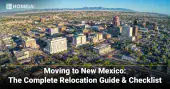







Moving to New Mexico: The Complete Relocation Guide & Checklist
- Local Editor:Local Editor: The HOMEiA Team
- Category: USA , New Mexico


Bordered by Texas, Arizona, and Mexico, and home to breathtaking landscapes, New Mexico offers a lifestyle defined by rich cultural heritage, artistic expression, and profound natural beauty. Over 2 million residents call The Land of Enchantment home, drawn by its unique blend of ancient traditions and modern living. Albuquerque provides urban amenities against a backdrop of the Sandia Mountains, while hundreds of smaller communities dot a landscape of high desert, river valleys, and volcanic mesas.
Known for green chile, the Roswell UFO legend, and iconic adobe architecture, this part of the American Southwest offers more to newcomers—a unique financial structure with no state tax on Social Security income, low overall cost of living, and culture of relaxation and community. This comprehensive moving to New Mexico guide covers essential relocation information, from preparing for the climate and understanding costs to navigating the legal requirements of becoming a New Mexico resident.
Key Takeaways
- The Affordable Cost of Living: New Mexico’s overall cost of living is approximately 12% below the U.S. average. Housing is more economical than in most other Western states, though utility costs can be high due to the climate.
- Diverse Climate Zones: Prepare for a high-desert climate with over 300 days of sunshine. Northern areas experience four distinct seasons with cold, snowy winters, while southern regions are warmer and drier year-round.
- Specialized Economy: Government, oil and gas, military, and tourism are the state’s economic pillars, offering stable jobs but often in specific sectors. The market for other professions is sporadic.
- Cultural Richness: Daily life is infused with a unique blend of Native American, Hispanic, and Anglo cultures, influencing everything from food and art to community events and architecture.
- Safety & Infrastructure: Safety ratings vary significantly between communities, and some rural areas may have limited access to high-speed internet and specialized healthcare.
I. Methodology: How We Built This Guide
Our relocation timeline and recommendations are based on a multi-factor analysis of the key elements that impact a move to New Mexico. We compiled data from verified 2026 sources, including the U.S. Census Bureau, Bureau of Labor Statistics, Zillow housing market reports, FBI crime statistics, and New Mexico state agencies.
Our evaluation criteria for advice and city selection are weighted as follows:
- Housing & Affordability (30%): Analyzing median home prices, rental costs, and utility averages to provide accurate budgeting advice.
- Access & Logistics (25%): Assessing the practicalities of moving goods and vehicles into the state, considering its landlocked but well-connected nature.
- Legal & Administrative Requirements (20%): Outlining the essential steps for establishing residency, including vehicle registration, driver’s licensing, and voter registration.
- Community & Lifestyle Integration (15%): Providing insights into cultural norms, community events, and tips for building a social network.
- Economic Preparation (10%): Offering guidance on job searching and financial planning specific to the state economy.

Related article
Our Methodologies to create HOMEiA Score Ratings for Each Group of Content
HOMEiA uses a consistent, data-driven methodology to evaluate U.S. states for livability, affordability, and long-term value. Our analysis centers on key factors such as Housing and Affordability, Cost of Daily Living, Access and Infrastructure, Community Strength, Safety and Quality of Life, Economic Resilience and Job Market…
1. What Is It Really Like to Live in New Mexico?

A. Culture & Lifestyle: New Mexico’s culture is a unique tapestry of Native American heritage, centuries of Spanish and Mexican influence, and the American Old West. There’s an emphasis on family, community, and a deep connection to the land and its history. Here, pace of life is relaxed and calmer than in major coastal cities. Community events including Pueblo feast days, Albuquerque International Balloon Fiesta, and local farmers’ markets are cornerstone activities, providing newcomers with opportunities to assimilate into the region.
B. Arts, Sports, and Entertainment: Santa Fe and Taos are world-renowned art colonies, boasting countless galleries and museums including the Georgia O’Keeffe Museum. Their cultural scene also includes the Santa Fe Opera, Indian Market, and countless local traditions. For pro sports, there is a minor league baseball and soccer team in Albuquerque (Albuquerque Isotopes and New Mexico United) while a minor league hockey team (New Mexico Goatheads) is set to play at the Rio Rancho Events Center in 2026. Outdoor sports are a way of life, from hiking and mountain biking in the summer to skiing and snowboarding in the winter in northern resorts.
Related article
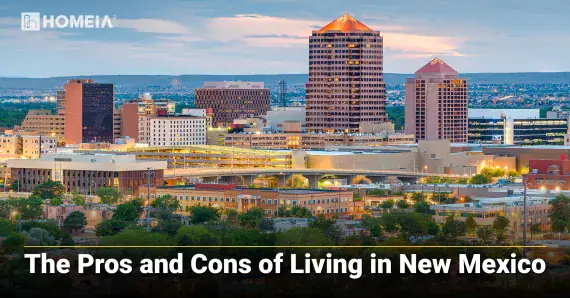
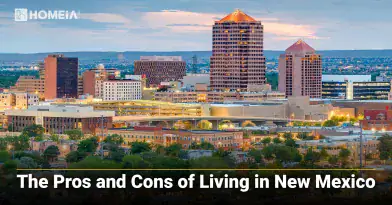
The Pros and Cons of Living in New Mexico
New Mexico is more than deserts and adobe—it’s a land of deep culture, creativity, and laid-back living. However, challenges like limited job opportunities, high crime, and underfunded schools exist. This guide explores New Mexico’s pros and cons, plus its best cities for professionals, families, and retirees seeking Southwestern charm.
C. Food Scene & Nightlife: Cuisine is famously distinct and centered around the question, “Red or green?” referring to the local chile sauce. Menus feature dishes including stacked enchiladas, carne adovada, and sopapillas. While fine dining thrives in Santa Fe, nightlife is generally reserved and centered around local breweries, wineries, and community events rather than going out. Smaller towns will likely have a few beloved local restaurants that serve as community hubs.
D. Outdoor Recreation & Natural Beauty: Outdoor recreation isn’t just a hobby; it’s a central part of the New Mexican identity.
- National Parks & Monuments: White Sands, Carlsbad Caverns, Bandelier, and Petroglyph National Monument offer unparalleled hiking, spelunking, and sightseeing.
- Skiing & Snow Sports: Taos Ski Valley, Angel Fire, and Ski Santa Fe provide world-class winter sports.
- Hiking & Fishing: The Sangre de Cristo and Sandia Mountains offer endless trails, while the San Juan River is a coveted trout-fishing destination.
- Public Land: Millions of acres of national forest and BLM (Bureau of Land Management) land provide endless exploration.
- E. Climate: New Mexico has several climate zones:
- Northern (Santa Fe, Taos): High desert. Frigid, snowy winters (20°F to 40°F), sensational summers (70°F to 85°F).
- Central (Albuquerque, Rio Rancho): High desert. Mild winters (30°F to 50°F), muggy summers (80°F to 95°F). Most populous due to the “moderate” climate.
- Southern (Las Cruces, Alamogordo): Low desert. Cool winters (40°F to 60°F), scorching summers (90°F to 105°F).
- Eastern (Clovis, Roswell): High plains. Windy with greater temperature swings and more severe weather potential.
2. Cost of Living & Affordability
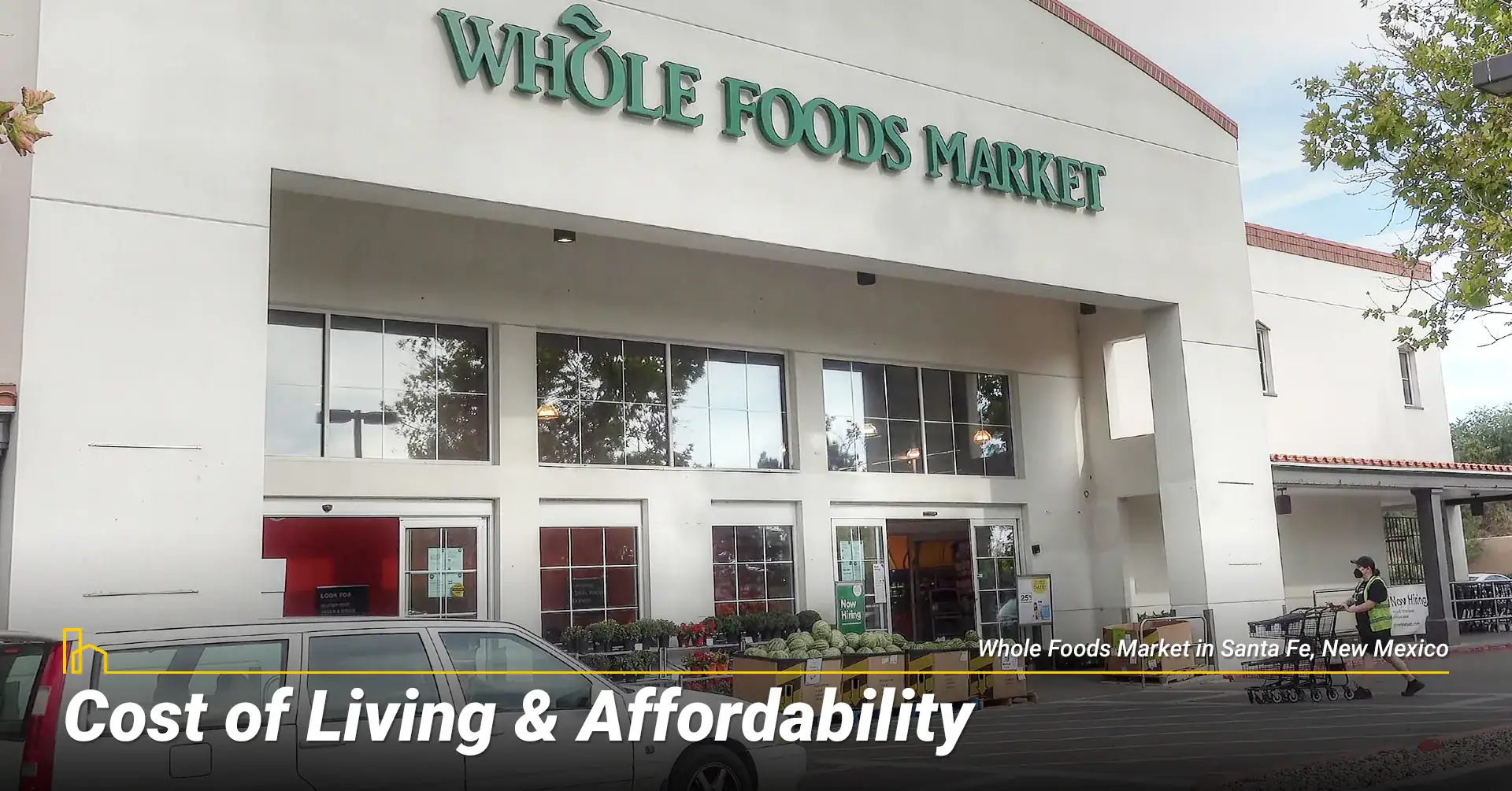
Affordability is one of NM’s greatest assets. Let’s break down the costs.
A. Housing Market: Housing costs vary by city and region.
Housing Type | Albuquerque | Santa Fe | Las Cruces | Rio Rancho | Clovis |
|---|---|---|---|---|---|
| Median Home Price | $315,000 | $550,000 | $265,000 | $305,000 | $175,000 |
| Avg. 2-Bedroom Rent | $1,150 | $1,400 | $950 | $1,300 | $850 |
B. Daily Expenses
Monthly Expense Category | Average Cost | Notes |
|---|---|---|
| Utilities (HVAC Focus) | $150–$300 | Highly seasonal; summer cooling costs in the south and winter heating in the north can be significant. |
| Groceries (Family of 4) | $500–$750 | Slightly above the national average in more remote areas due to transportation costs. |
| Gasoline | ~$3.20/gallon | Prices fluctuate but are often slightly below the U.S. average. |
| Internet | $70–$100 | Generally reliable service in cities; can be limited and pricier in very rural areas. |

Related article
The 5 Best Places to Live in New Mexico: A City Comparison
New Mexico blends ancient heritage with modern creativity, offering both vibrant cities and breathtaking wilderness. This guide spotlights the five best places to live in 2026, based on affordability, opportunity, safety, and lifestyle. From lively Albuquerque to artistic Santa Fe, discover where your Southwestern dream can truly take root.
3. Jobs & Economy
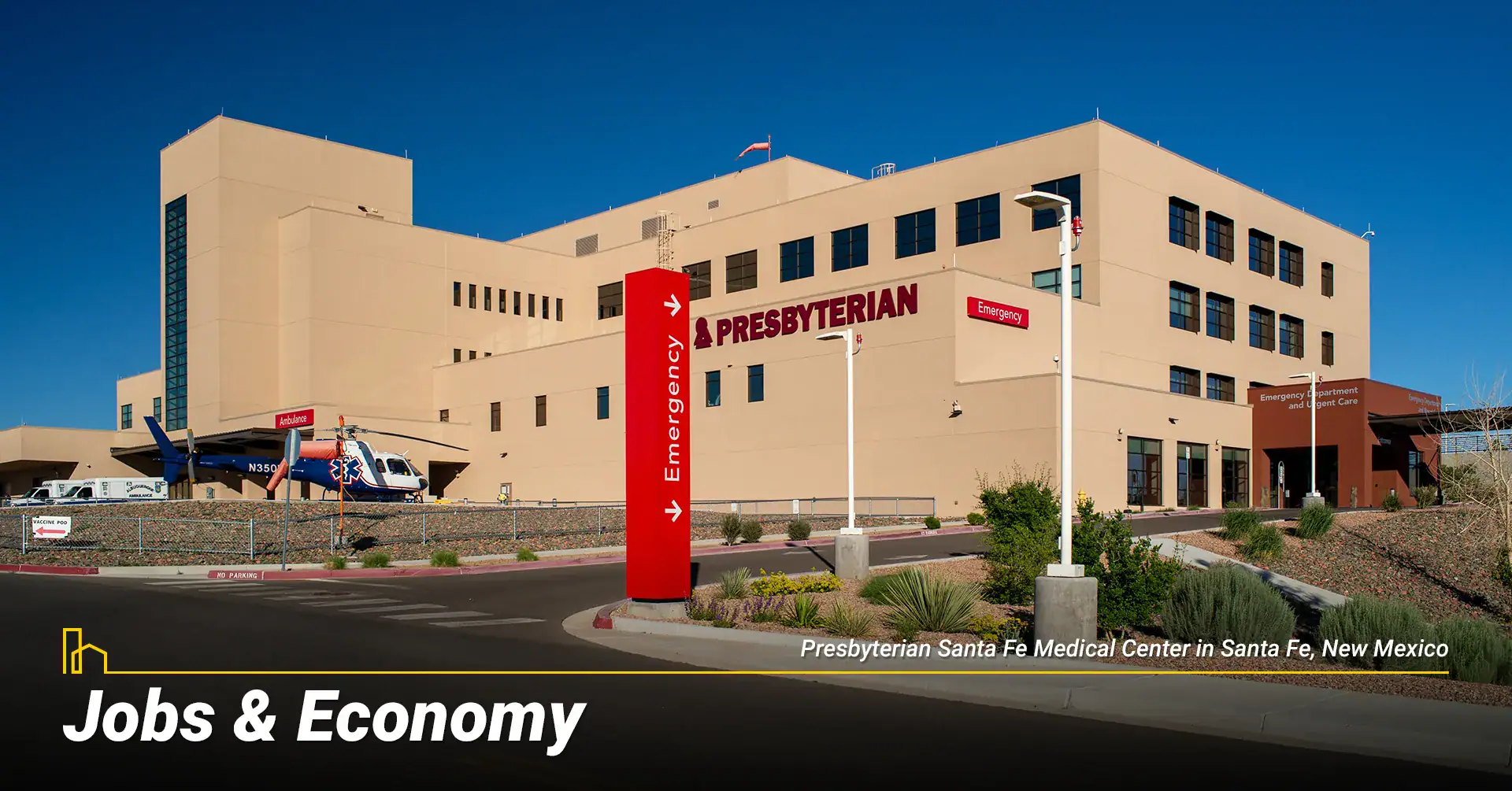
Economic opportunities are prevalent in a few key sectors:
- Government: The largest employer, including state, federal, and tribal government positions.
- Oil & Gas: A major industry, particularly in the southeast, providing high-paying jobs and funding state government.
- Military: Major bases (Kirtland AFB, Holloman AFB, Cannon AFB, White Sands Missile Range) provide stable employment and bring money into the state.
- Tourism & Hospitality: Growing industry focused on cultural tourism, outdoor recreation, and film production.
- Healthcare & Social Assistance: Stable and growing sector, especially in population centers.
4. Planning Your Move: A Timeline

A successful move requires planning, especially if coming from a great distance.
Timeline | Essential Tasks | Important Details |
|---|---|---|
| 8-12 Weeks Before | Plan & Research | Get moving quotes, create budget, research new state laws, start decluttering. |
| 6-8 Weeks Before | Notify & Pack | Give notice to your landlord, collect boxes, pack off-season items, transfer medical files. |
| 4-6 Weeks Before | Transfer Services | Schedule utility shutoff/start, file USPS change of address, find new doctors, register kids for school. |
| 2-4 Weeks Before | Finalize Details | Finish packing, plan travel route, confirm mover schedule, fill prescriptions. |
| 1-2 Weeks Before | Prepare to Go | Pack essentials box, defrost fridge, clean home, confirm utility dates. |
| Moving Day | Execute Move | Oversee loading, do final walkthrough, keep documents handy. |
| After Arrival | Settle In | Unpack basics first, update license/registration, explore new town. |
=> Get the Relocation Guide & Checklist PDF — prepared for both Desktop and Mobile devices.
5. Transportation
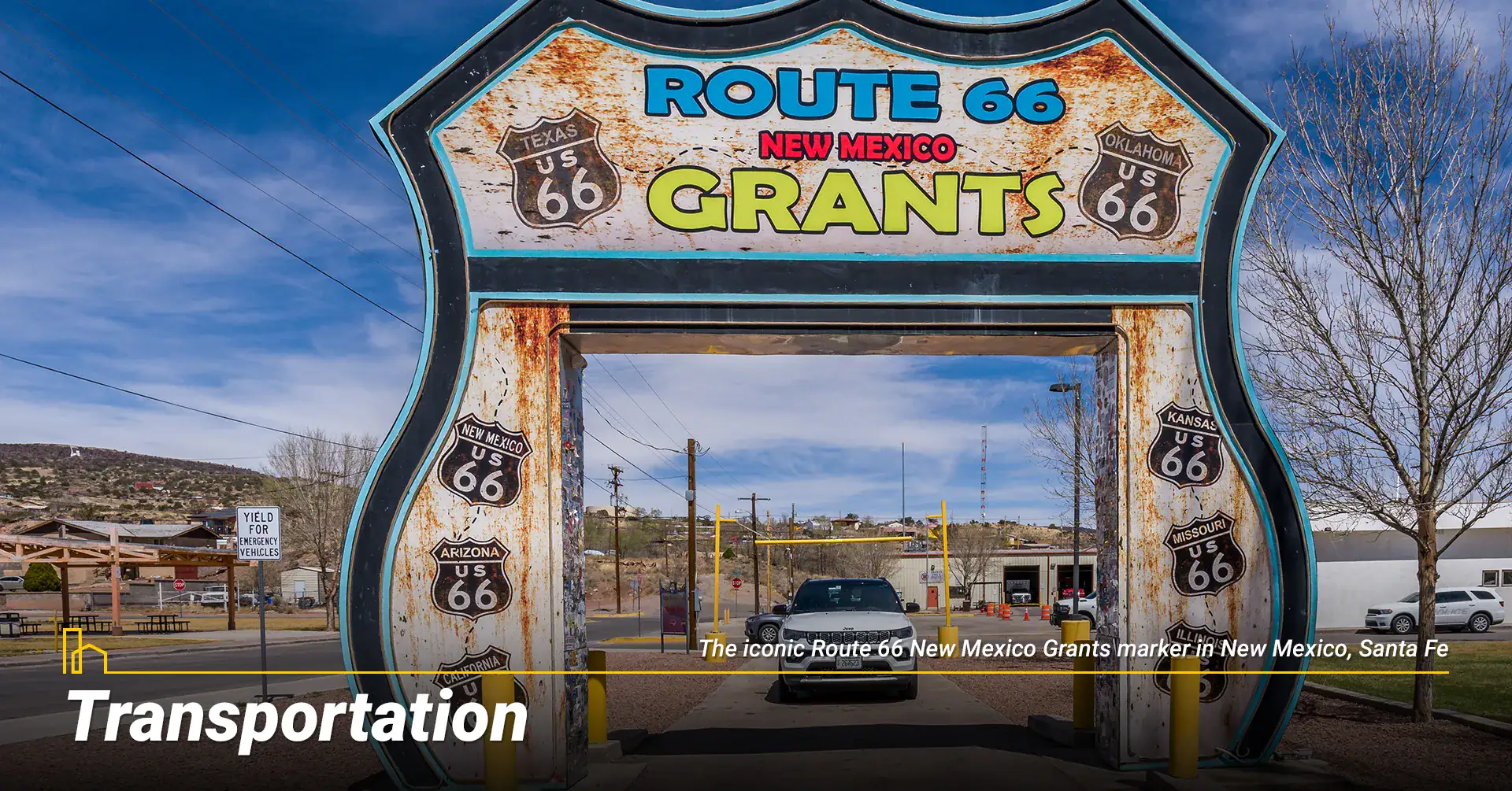
- Driving: I-25 runs north-south (Colorado to El Paso), and I-40 runs east-west (Arizona to Texas). These are the state’s lifelines. Rural communities are connected by state highways, but secluded areas face isolation.
- Flying: Albuquerque International Sunport (ABQ) is the major hub. Smaller airports in Santa Fe (SAF), Roswell (ROW), and Four Corners (FMN) in Farmington offer connecting flights.
- Public Transit: Albuquerque has a bus system and a modern streetcar called the ART. Other cities have limited public transit. Cars are essential for most residents.
- Winter Driving: In northern New Mexico, winter tires or all-weather tires are recommended from November to March. Carry an emergency kit in your car.
Recommended for you




6. Legal Requirements & Paperwork

New residents must complete several tasks:
- Vehicle Registration: Required within 60 days of establishing residency. You’ll need your out-of-state title, proof of NM insurance, an emissions certificate (if required by county), and a VIN inspection.
- Driver’s License: Required within 30 days. You must surrender your previous license. Must-brings are proof of identity, residency, and Social Security Number.
- Voter Registration: Registering to vote can occur when applying for your driver’s license.
- Other: If planning to hunt or fish, you will need to purchase a state license.
7. Financial Planning

Create a realistic budget accounting for moving expenses (moving truck or pod rental, travel). Keep housing expenditures below 30% of your income. Build a healthy emergency fund (3-6 months) to counter economic volatility. Take advantage of the low cost of living to pay down debt or increase savings.
Related article
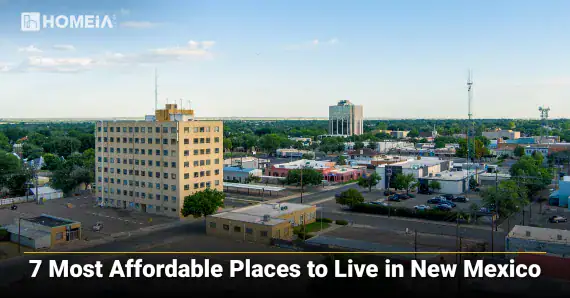
7 Most Affordable Places to Live in New Mexico
New Mexico combines cultural richness, natural beauty, and affordability, with median home prices well below the national average and no tax on Social Security income. This guide highlights seven of the most budget-friendly New Mexico communities for 2025, balancing cost, comfort, and the authentic Southwestern lifestyle for lasting financial stability.
8. Insider Tips from Locals
- Embrace the Chile: Your loyalty to red or green chile will be asked. “Christmas” means both. It’s a rite of passage.
- Sun Protection is Key: The high-altitude sun is intense. Invest in powerful sunscreen of SPF 30–50, sunglasses, and a hat.
- Stay Hydrated: Dry air can cause dehydration quickly, especially when active. Always carry water.
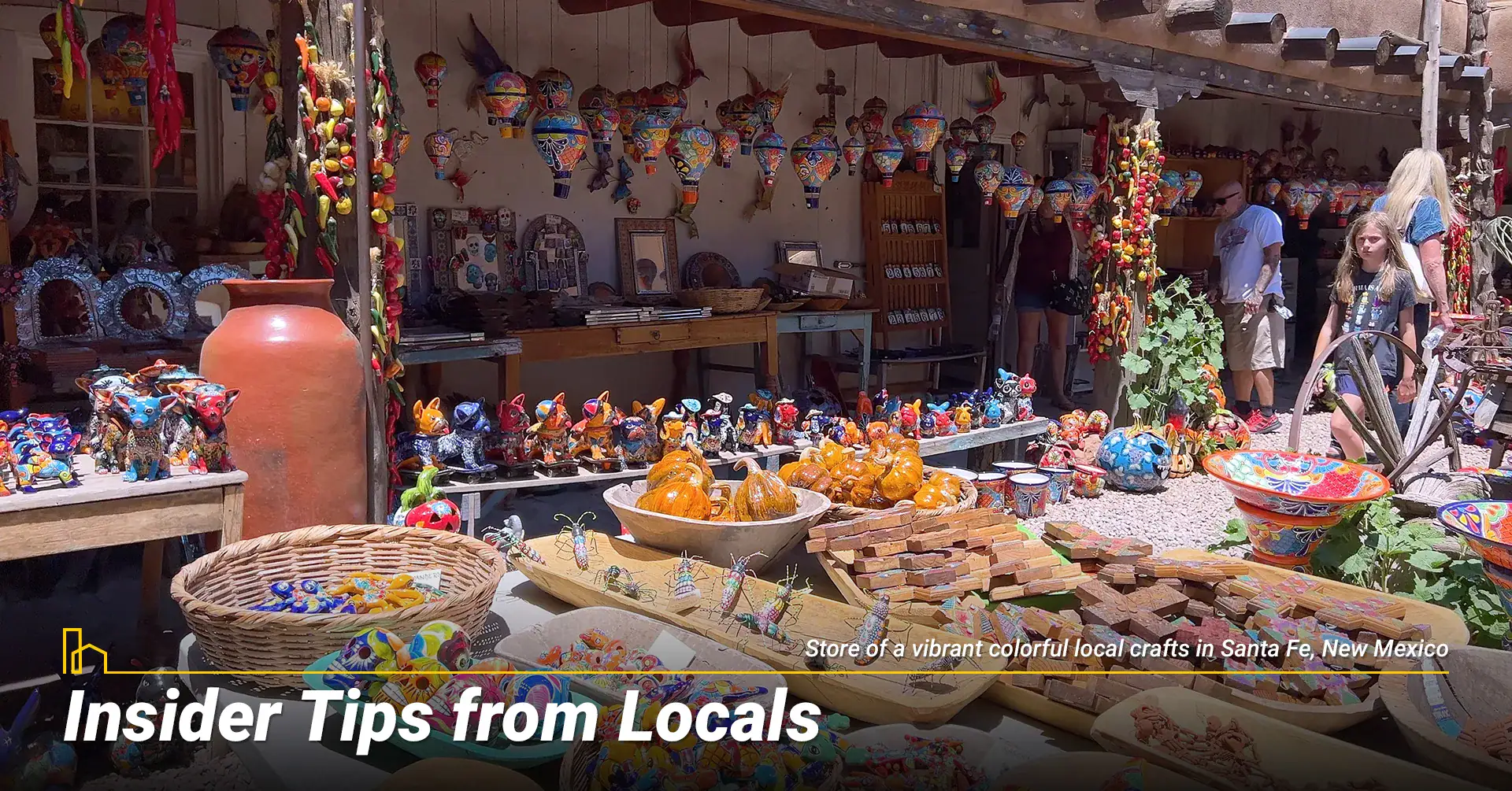
- Shop Local: Farmers’ markets and local artisans are the heart of the community. Support them for the best produce and unique goods.
- Be Patient: The pace is slower. Things operate on “New Mexico time.” Embrace it and learn to relax.
Conclusion
Moving to New Mexico means more than a new mailbox; it’s an embrace of a different rhythm of life. Doing so demands an appreciation for history, culture, and the outdoors. The rewards, however, are immense: financial ease, a profound sense of place, and the beauty of building a life in a truly enchanting corner of the world. With thorough preparation and an open mind, your relocation to the American Southwest can be the start of a deeply rewarding adventure. For those still considering options, our guide on moving to Colorado might provide an interesting comparison.
Recommended for you




FAQs About Moving to New Mexico
1. What is the first step to moving to New Mexico?
The absolute first step is to secure a job and housing. While the cost of living is low, the job market can be competitive outside key industries, and having these secured will make your transition smooth.
2. Should I drive or ship my car to New Mexico?
Driving is almost always the most convenient and cost-effective option. NM is easily accessible via major interstates (I-40 and I-25). Shipping a car can be expensive and is generally unnecessary unless you are moving from an extreme distance and cannot drive.
3. How do I get my belongings to New Mexico?
For large moves, using a national moving company or renting a truck is common. Pod-like services are also readily available. For smaller loads, using a freight service or driving a rented trailer can be cost-effective.
4. What should I pack vs. buy there?
Bring all essential documents, specialized gear, and personal items. Everyday household items, furniture, and bulky goods are better purchased in New Mexico to avoid high moving costs. You can find great deals at local stores or on Facebook Marketplace once you arrive.
5. Is it hard to make friends in New Mexico?
Generally, no. New Mexicans are famously friendly and welcoming to newcomers who show respect for the local culture. Join community groups, recreational sports leagues, volunteer, or take a class to meet people quickly. Showing up to local events is the fastest way to integrate.
For additional relocation resources, consider exploring our guides on moving to Texas, moving to Arizona, moving to Florida, moving to California, moving to Minnesota, moving to Utah, moving to Georgia, moving to Massachusetts, moving to Virginia, moving to Pennsylvania, and moving to Ohio.
Share