






The Pros and Cons of Living in Washington
- Local Editor:Local Editor: The HOMEiA Team
- Category: USA , Washington


When picturing Washington State, what crosses one’s mind are lush evergreen forests, majestic mountains, and the tech hub of Seattle. But the PNW offers more than that; here lies a place where natural beauty, economic opportunity, and progressive values define everyday living. Yet, moving there comes with significant trade-offs, from high costs of living to persistent rainfall and traffic congestion. This guide provides a balanced, comprehensive analysis of the pros and cons of living in Washington while offering detailed insights into the best cities for young professionals, families, and retirees.
Key Takeaways
- Natural Beauty: Home to stunning landscapes including the Cascade Mountains, Olympic Peninsula, and Puget Sound, offering unparalleled outdoor recreation from hiking to sailing.
- Economic Opportunity: A thriving economy anchored by tech giants like Microsoft and Amazon, with strong healthcare, aerospace, and maritime industries providing diverse career options.
- High Cost of Living: Significantly above national average, particularly in housing costs that can be challenging for middle-income families and first-time homebuyers. The cost of living in Washington is about 14-34% higher than the national average depending on the source and region, with housing costs roughly 50% or more above national averages in many urban areas.
- Climate Diversity: Western Washington experiences mild but rainy winters, while Eastern Washington offers sunnier, drier conditions with four distinct seasons.
- Traffic and Infrastructure: Major urban areas face significant traffic congestion, though public transportation options are expanding in the Seattle metro area.
Methodology: How We Evaluated Washington
Our analysis is based on a multi-factor review of key elements that impact residents’ quality of life and financial well-being. We compiled data from reputable 2025 sources, including the U.S. Census Bureau, Bureau of Labor Statistics, Zillow housing market reports, FBI crime statistics, and state agencies.
Our evaluation criteria are weighted as follows:
- Cost of Living (25%): This foundational metric analyzes the day-to-day expenses that define a household budget, including the cost of groceries, utilities, transportation, and healthcare, all benchmarked against national and regional averages to gauge true purchasing power.
- Economic Health & Opportunity (25%): Long-term stability is non-negotiable. This criterion assesses the robustness of the local economy by examining median household income, unemployment trends, and the diversity of key industries to ensure a community is resilient, growing, and full of potential for its residents.
- Housing & Affordability (20%): The most significant financial decision for most. We delve beyond median home prices and rental costs to use crucial ratios like home-price-to-income and income-to-rent—providing a clear picture of how housing costs align with local earnings.
- Quality of Life & Community (20%): Affordability means little without well-being. This metric evaluates the essential factors that contribute to daily life, including access to unique cultural amenities, outdoor recreation, climate, public safety, and the strength of community engagement.
- Access & Infrastructure (10%): A community’s potential is tied to its connections. This evaluates critical modern infrastructure, including reliable high-speed internet, healthcare access, transportation links, and proximity to major employers and commercial centers.

Related article
Our Methodologies to create HOMEiA Score Ratings for Each Group of Content
HOMEiA uses a consistent, data-driven methodology to evaluate U.S. states for livability, affordability, and long-term value. Our analysis centers on key factors such as Housing and Affordability, Cost of Daily Living, Access and Infrastructure, Community Strength, Safety and Quality of Life, Economic Resilience and Job Market…
Pros: Why Choose Washington? Top Benefits

A. Unmatched Natural Beauty and Outdoor Recreation: Washington’s greatest asset is its stunning and diverse landscape. Home to three national parks (Mount Rainier, Olympic, and North Cascades), the rugged Pacific coastline, and the volcanic Cascade Range. Creating a paradise for outdoor enthusiasts, residents can hike through old-growth forests, ski at world-class resorts, sail on Puget Sound, and explore pristine wilderness areas. For those more inclined to the indoors, there are professional sports teams in three of the four major sports (Seahawks, Mariners, Kraken) along with the WNBA (Storm) and soccer (Sounders FC and OL Reign FC), plus a vibrant music scene. Adventures truly never end.
B. Thriving Economy and Job Market: Here boasts one of the beefiest economies in the nation, anchored by global tech giants like Microsoft and Amazon. Diverse employment opportunities in this industry along with aerospace (Boeing), healthcare, maritime industries, and agriculture are plentiful. With no state income tax, residents keep more of their earnings, making it particularly attractive for high-income professionals. The robust job market and competitive salaries help offset the higher cost of living.
C. Progressive Values and Quality Education: In terms of ranking, it’s consistently among the most progressive states, with commendable environmental protections, LGBTQ+ rights, and worker protections. Government invests heavily in education, with excellent public universities like the University of Washington and Washington State University. Many communities feature highly-rated school districts and access to quality healthcare facilities.
D. Cultural Diversity and Urban Amenities: Seattle’s metropolitan area offers world-class cultural amenities, including renowned museums, theaters, and a thriving food scene. A diverse population contributes to rich cultural experiences, from international festivals to authentic ethnic cuisine. Thei rcommitment to sustainability and innovation creates a forward-thinking atmosphere that attracts creative professionals and entrepreneurs.
E. Climate Variety Across Regions: While Western Washington is known for its mild, rainy climate, the state offers remarkable diversity. Eastern Washington provides sunnier, drier conditions with four distinct seasons, while the Olympic Peninsula features temperate rainforests. This variety allows locals to choose the climate that best suits their preferences, from coastal living to high desert environments.
Related article
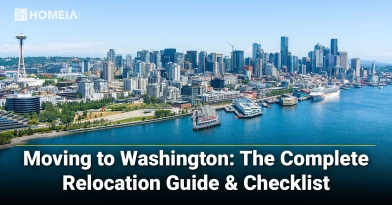
Moving to Washington: The Complete Relocation Guide & Checklist
Washington offers a lifestyle shaped by natural beauty, innovation, and cultural diversity. Over 8 million residents enjoy access to world-class cities like Seattle alongside forests, mountains, and coastlines. With a strong tech-driven economy, outdoor recreation, and progressive values, this guide covers relocation essentials…
Cons: Washington Living Challenges — What to Know

A. High Cost of Living: This is one of Washington’s most significant drawbacks, particularly in the Puget Sound region. Housing costs have skyrocketed, making homeownership challenging for many residents. Overall cost of living typically runs about 14%-34% above the national average, with housing costs roughly 50% higher than the national average reported in 2025. Groceries, utilities, and transportation add further financial pressure on household budgets.
B. Persistent Rainfall and Gray Skies: Western Washington’s reputation for rain is well-earned, with SEA averaging about 152 rainy days annually. Extended periods of overcast skies during fall and winter months can be challenging for those accustomed to sunnier climates. Seasonal Affective Disorder is a genuine concern, though many residents adapt through indoor activities and embracing the “cozy” atmosphere.
C. Traffic Congestion and Infrastructure Strain: Major urban areas, particularly the Seattle-Tacoma-Bellevue corridor, face significant traffic congestion. Commute times can be lengthy, and public transportation, while improving, still struggles to meet demand in some areas. Infrastructure strain extends to housing shortages and crowded public spaces in popular neighborhoods.
D. Earthquake and Volcanic Risks: The 42nd state sits in the seismically active Pacific Ring of Fire, with significant earthquake risks and active volcanoes including Mount Rainier and Mount St. Helens. While major events are rare, those must be prepared for potential natural disasters and understand emergency preparedness requirements.
E. Homelessness and Social Challenges: Common amongst West Coast states, it faces significant challenges with homelessness, particularly in urban centers. This high cost of living contributes to housing insecurity, and cities struggle with balancing compassion with public safety concerns. These issues are visible in many communities and require thoughtful policy solutions.
Related article
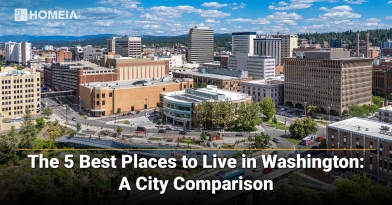
The 5 Best Places to Live in Washington: A City Comparison
Washington blends rugged wilderness with innovative urban life, making community choice essential. This guide ranks the state’s five best places to live using data on jobs, affordability, safety, amenities, and quality of life. From Seattle’s tech-driven energy to Spokane’s quieter appeal, we highlight where you can build…
Best Washington Cities for Young Professionals
1. Tacoma

HOMEiA Score: 78/100
- Cost of Living: About 12% above U.S. average
- Monthly Rent: $1,650
- Home price to income ratio: 6.5:1
- Income to rent ratio: 48.5x
- Safety rating: 52/100
Tacoma provides a more affordable alternative to Seattle while still offering a clear career trajectory. The city’s revitalized downtown features growing tech and creative sectors, complemented by stable government and healthcare employment. Millennials and Gen Z are drawn to the emerging arts scene, historic architecture, and more manageable cost of living. With its working waterfront, museum district, and proximity to Joint Base Lewis-McChord, Tacoma offers diverse career paths and an authentic Pacific Northwest experience.
2. Seattle
HOMEiA Score: 82/100
- Cost of Living: About 30-34% above U.S. average
- Monthly Rent: $2,200
- Home price to income ratio: 8.2:1
- Income to rent ratio: 45.5x
- Safety rating: 58/100
As Washington’s largest city and economic hub, the Emerald City offers unparalleled career opportunities for young professionals. The thriving tech scene centered around Amazon and Microsoft provides monumental starting salaries for entry-level positions, while startups and established companies across various industries offer diverse career paths. Vibrant neighborhoods, standout restaurants, and thriving arts scenes create an exciting urban lifestyle. Hosting six professional sports teams, world-class coffee culture, and proximity to outdoor recreation, here balances career advancement with quality of life.
3. Bellevue

HOMEiA Score: 85/100
- Cost of Living: About 30% above U.S. average
- Monthly Rent: $2,400
- Home price to income ratio: 7.8:1
- Income to rent ratio: 50.0x
- Safety rating: 75/100
Located across Lake Washington from Seattle, Bellevue offers a more polished, suburban alternative with suitable career opportunities. Home to major tech companies and corporate headquarters, the city provides high salaries in a cleaner, more organized environment. Recent college graduates appreciate the varied dining options, upscale shopping at Bellevue Square, and easy access to both urban amenities and outdoor recreation. A commitment to green spaces and planned development creates an attractive environment for career-focused individuals.
Recommended for you




Best Washington Communities for Families with Young Kids
1. Bellingham
HOMEiA Score: 82/100
- Cost of Living: About 8% above U.S. average
- Monthly Rent: $1,550
- Home price to income ratio: 6.1:1
- Income to rent ratio: 51.6x
- Safety rating: 65/100
Located near the Canadian border, Bellingham offers families an affordable coastal lifestyle with strong educational opportunities. Home to Western Washington University, the city provides cultural amenities and educational resources typically found in larger communities. Parents and children alike appreciate the access to outdoor recreation, including water activities on Bellingham Bay and hiking in the surrounding mountains. The combination of college town energy, natural beauty, and relative affordability creates an attractive environment for family life.
2. Issaquah

HOMEiA Score: 86/100
- Cost of Living: About 22% above U.S. average
- Monthly Rent: $2,100
- Home price to income ratio: 6.8:1
- Income to rent ratio: 54.8x
- Safety rating: 78/100
Nestled against the Cascade foothills, Issaquah offers families a picturesque setting with overachieving schools and community values. Issaquah School District consistently earns high marks, and the city’s commitment to environmental preservation creates a beautiful natural backdrop for raising children. Families enjoy access to hiking trails, community events, and a charming downtown area. This combination of natural beauty, educational excellence, and community engagement makes Issaquah a premier choice for families.
3. Redmond

HOMEiA Score: 88/100
- Cost of Living: About 28% above U.S. average
- Monthly Rent: $2,300
- Home price to income ratio: 7.2:1
- Income to rent ratio: 52.2x
- Safety rating: 80/100
Home to Microsoft’s headquarters, Redmond offers families an exceptional combination of economic opportunity and quality living. Lake Washington School District ranks among the state’s best, providing pristine educational opportunities. Families benefit from numerous parks, community centers, and family-friendly events throughout the year. The city’s commitment to green spaces, including an extensive trail system and Marymoor Park, provides ample recreational opportunities while maintaining a safe, suburban atmosphere.
Related article
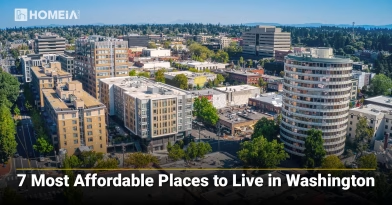
7 Most Affordable Places to Live in Washington
Washington is known for natural beauty and a strong tech economy, yet pockets of affordability remain beyond Seattle’s high prices. With no state income tax and wide regional cost differences, this guide analyzes housing, utilities, and transportation to identify seven of Washington’s most affordable places to live in…
Best Places to Retire in Washington
1. Port Angeles
HOMEiA Score: 76/100
- Cost of Living: About 2% below U.S. average
- Monthly Rent: $1,100
- Home price to income ratio: 5.8:1
- Income to rent ratio: 54.5x
- Safety rating: 60/100
Situated on the Olympic Peninsula, Port Angeles offers retirees stunning natural beauty at an affordable price. The town serves as the gateway to Olympic National Park, providing endless outdoor recreation opportunities. Golden agers enjoy the mild coastal climate, small-town atmosphere, and access to healthcare services. The combination of mountain views, waterfront location, and lower cost of living creates an ideal retirement setting for nature enthusiasts.
2. Olympia
HOMEiA Score: 79/100
- Cost of Living: About 10% above U.S. average
- Monthly Rent: $1,450
- Home price to income ratio: 6.3:1
- Income to rent ratio: 48.3x
- Safety rating: 68/100
As the state capital, Olympia offers retirees a blend of cultural amenities, natural beauty, and relative affordability. The city’s location on Puget Sound provides water access and mild climate, while the nearby Olympic Mountains offer scenic beauty. Those in their golden years appreciate the walkable downtown, necessary healthcare facilities, and active arts scene. The presence of state government and Evergreen State College creates a politically engaged and intellectually stimulating environment.
3. Spokane
HOMEiA Score: 80/100
- Cost of Living: About 5% below U.S. average
- Monthly Rent: $1,200
- Home price to income ratio: 5.4:1
- Income to rent ratio: 58.3x
- Safety rating: 62/100
Eastern Washington’s largest city offers retirees an affordable alternative to the expensive Puget Sound region. Spokane provides four distinct seasons, abundant sunshine, and lower cost of living stretching retirement savings further. Older residents enjoy access to quality healthcare facilities, cultural amenities like the Davenport Hotel District, and outdoor recreation in nearby state parks. A walkable downtown and active senior community create an engaging environment for retirement living.

Related article
12 Best Places in Washington State to Raise a Family
We’ll explore areas of the state that represent all different value systems and explain why people love living there. We’ll present each place’s unique characteristics, complete with opinions from locals…
Washington Lifestyle: Arts, Food, and Recreation

A. Arts and Culture: Washington’s cultural scene reflects its diverse geography and population. Seattle boasts world-class institutions including the Seattle Art Museum and Museum of Pop Culture, while smaller cities maintain vibrant local arts communities. This commitment to public art, from the Chihuly Garden and Glass to community murals, creates an environment that values creative expression across urban and rural areas.
B. Food Scene: Here, cuisine celebrates local ingredients, from fresh seafood to Eastern Washington produce. An agricultural diversity supports farm-to-table restaurants, while its coastal location ensures unbeatable seafood. Coffee culture is deeply ingrained, with Seattle serving as the birthplace of Starbucks and home to numerous independent roasters. Its wine industry, particularly in the Yakima Valley and Walla Walla regions, has gained international recognition.
C. Outdoor Activities: Recreation is central to the Washington lifestyle, with residents embracing outdoor activities year-round. Hiking, skiing, sailing, and fishing are popular pursuits, supported by the state’s extensive network of parks and public lands. The “REI mentality” permeates the culture, with Washingtonians valuing gear quality and environmental stewardship in their outdoor adventures.
D. Sports and Community Life: Washington residents passionately support their six professional sports teams, being the Seahawks (NFL), Mariners (MLB), Kraken (NHL), Storm (WNBA), Reign (NWSL), and Sounders (MLS). Community life often revolves around local farmers markets, neighborhood festivals, and outdoor activities. Overall environmental consciousness creates communities that value sustainability and local engagement.
Conclusion: Is Washington Right for Your Lifestyle?
Washington’s appeal lies in its stunning natural beauty, robust economy, and progressive values. Whether you’re building a career in Seattle, raising a family in Redmond, or enjoying an active retirement in Spokane, the Evergreen State presents a compelling case if able to adapt to its higher costs and climate challenges. Weigh the benefits and trade-offs in terms of career, community, affordability, and personal resilience to decide if Washington is the right fit for your next chapter. For those still considering their options, our guide on essential steps for moving to a new city is a great resource.
Recommended for you




FAQs About Living in Washington
1. What is the cost of living in Washington compared to other states?
Washington’s cost of living varies significantly by region, with the Puget Sound area typically 14-34% above the national average and Eastern Washington more affordable. Housing costs drive much of the difference, though the lack of state income tax helps offset expenses for higher-income residents.
2. How bad is the traffic in Washington?
Traffic congestion is significant in the Seattle-Tacoma-Bellevue corridor, with some of the worst commute times in the nation. However, public transportation options are expanding, and many residents adapt through flexible work arrangements or choosing to live closer to their workplaces.
3. Is Washington a good place for families?
Yes, for families who value outdoor recreation, quality education, and progressive communities. Cities including Redmond and Issaquah offer excellent schools and safe neighborhoods. However, the high cost of living can be challenging for middle-income families.
4. What are Washington’s job prospects?
Job prospects are excellent in technology, healthcare, aerospace, and maritime industries. The state’s diverse economy provides opportunities across multiple sectors, though competition can be fierce for certain positions in the tech industry.
5. How is healthcare access across the state?
Access to healthcare is excellent in major metropolitan areas but becomes more limited in rural Eastern Washington and the Olympic Peninsula. The state has several top-ranked medical centers, though specialized care may require travel from more remote areas.
6. What are the best outdoor activities in Washington?
Hiking, skiing, sailing, fishing, and mountain climbing are top pastimes. The state’s diverse landscape provides endless opportunities for recreation, from coastal kayaking to alpine skiing to desert hiking.
Washingtonians are generally environmentally conscious, politically engaged, and value work-life balance. The culture blends Pacific Northwest practicality with innovation and creativity, creating communities that value both outdoor adventure and intellectual pursuits.
Share