





Designing a sustainable home no longer means sacrificing beauty. Modern energy-efficient houses are comfortable, stylish, and environmentally responsible. By focusing on a strong building envelope, passive design, smart window placement, and durable materials — and using tools like…
Choosing the Right Modern Accent Chair for Your Space: Size, Scale, and Room Layout Explained
- Local Editor:Local Editor: The HOMEiA Team
- Category: Home Improvement
Share
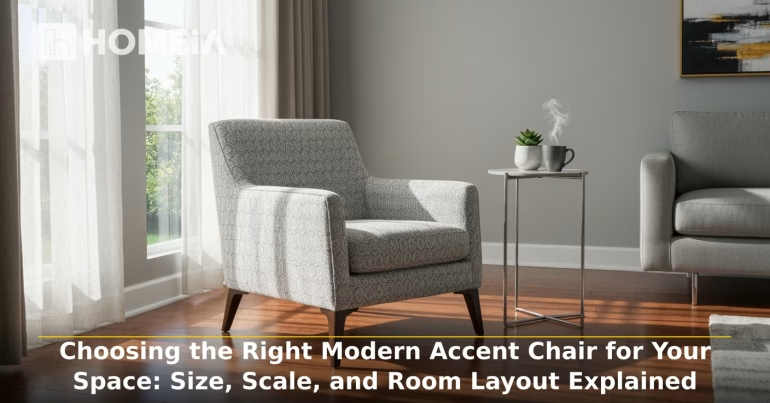
You’ve found it: the perfect modern accent chair. It has the sleek tapered legs, mid-century silhouette, and the exact shade of olive green you’ve been dreaming of. You click “buy,” wait for delivery, and finally set it in your living room—only to realize something is off. It looks like a dollhouse chair next to your sectional, or perhaps it’s so massive that you have to shimmy sideways to get past it to the kitchen.
This tragedy is all too common in home design. Throughout the world of interior design, an accent chair isn’t only a piece of decor; it’s a functional tool used to solve layout puzzles, provide comfort, and balance the visual weight of a room. When size or scaling is off, the whole room feels “uncomfortable,” even if you can’t quite put your finger on why.
In this guide, we’ll break down the science of choosing the right chair. From covering vital differences between size and scale, providing the exact measurements needed to shop with confidence, and even walking through layout scenarios for quintessential American apartments and homes.

Related article
Top 10 Things to Know When Shopping for Your Modern Home’s Furniture
High-quality furniture is an investment, much like your home, or your car. If you wouldn’t purchase a house or a car without putting in ample time and research, you shouldn’t impulse buy on furniture, either. Furniture shopping without proper planning can leave you feeling…
Table of Contents:
1. Understand Size vs. Scale vs. Proportion
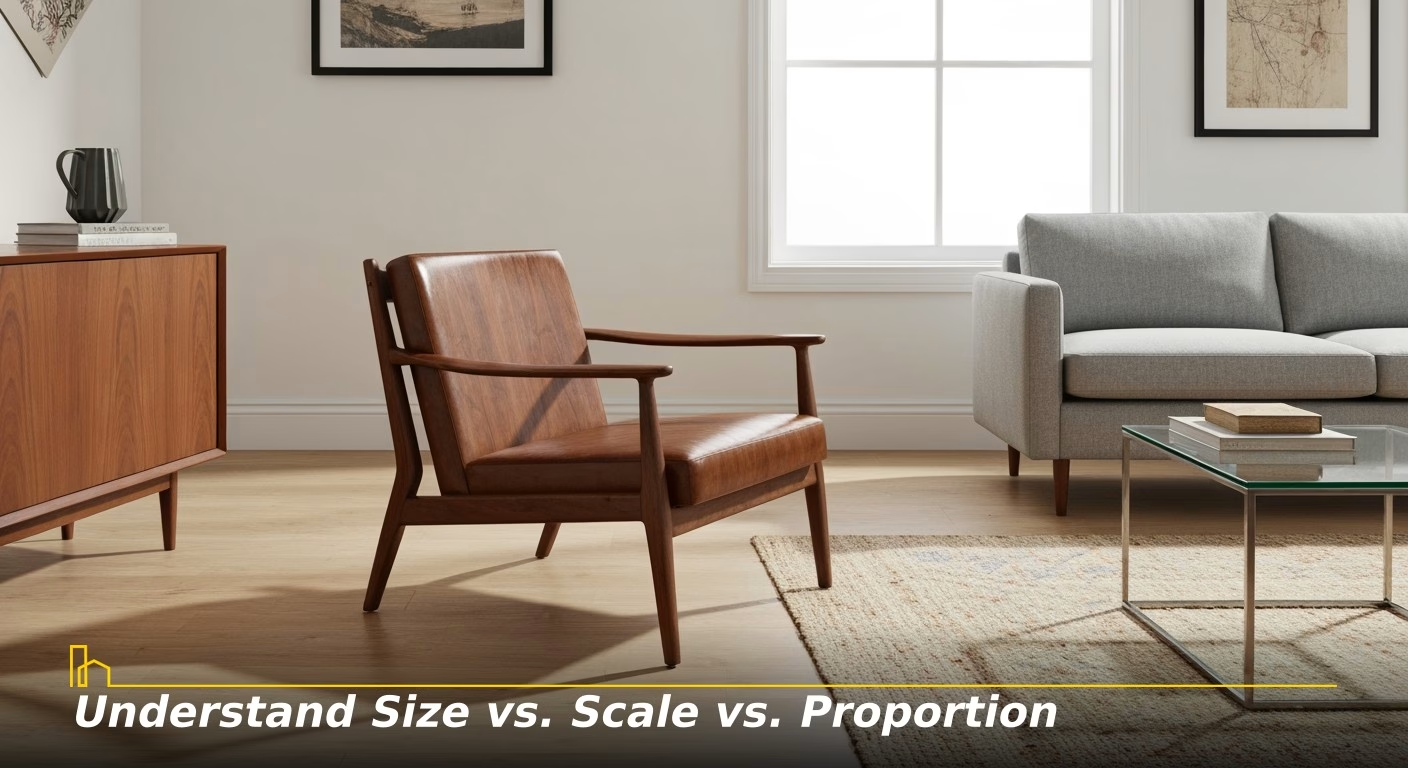
Before grabbing the measuring tape, you need to understand three design concepts that dictate how a chair feels in your home.
A. Size: The Physical Reality
Size refers to the actual dimensions of the chair. This is the “hard data” found in the product description: 30 inches wide, 32 inches deep, 35 inches tall. Size is objective. It tells you if the chair will physically fit through your front door.
B. Scale: The Relationship to Other Objects
Scale is how big or small the chair looks in comparison to the surrounding furniture.
- The “Off” Feeling: If you pair a heavy, overstuffed “chair-and-a-half” with a delicate, low-profile apartment sofa, the chair will appear gigantic
- The Fix: You want the bulk of the chair to feel compatible with the bulk of the sofa.
C. Proportion: The Relationship to the Room
Proportion is how the chair relates to the architectural features of the room.
- The “Off” Feeling: If you have 12-foot ceilings and purchase a low-slung, armless “slipper” chair, that chair will look like it’s floating in a void.
- The Fix: Taller rooms require chairs with additional vertical presence (higher backs or visual weight) to “anchor” the space.1

Related article
Washable Rugs vs. Traditional Rugs: Which is Best for High-Traffic Homes?
Imagine red wine spilling onto your prized rug — no matter how quickly you clean, the stain lingers. With 71% of U.S. households owning pets, washable rugs are revolutionizing home décor. This guide compares washable and traditional rugs by durability, comfort, design, cost, maintenance, and sustainability to simplify your choice.
2. Key Measurements to Know Before You Shop
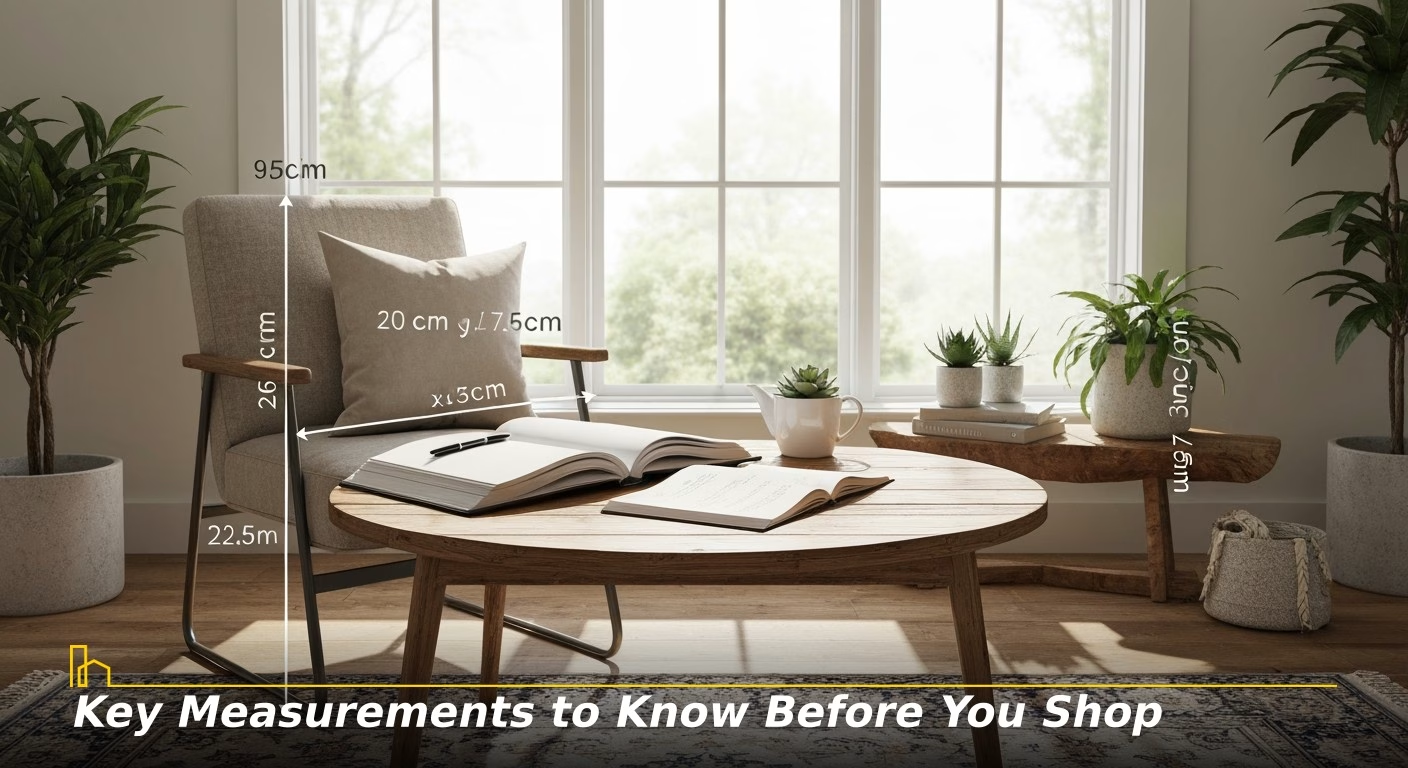
Shopping online is risky because photos lack context. To avoid the “too big/too small” trap, use this measurement checklist.
A. Seat Height
This is the most critical measurement for comfort and conversation.
- Standard Range: Most modern accent chairs have a seat height between 17 and 19 inches.
- The Rule of Thumb: Try to keep your accent chair seat height within 2 inches of a sofa’s seat height. If your sofa is 18 inches high and the chair is only 15 inches high, guests will feel like they are sitting on the floor while looking up at everyone else.
B. Chair Width and Depth
- Petite Chairs: 25–28 inches wide. Ideal for tight corners or bedrooms.
- Standard Chairs: 29–34 inches wide. The “sweet spot” for most living rooms.
- Oversized Chairs: 35+ inches wide. Best for large, open-concept spaces.
- Depth: Most modern chairs are 30–36 inches deep. Deep chairs (34″+) usually require a lumbar pillow for shorter people to sit comfortably.
C. Back Height
- Low Back (25–30 inches): Perfect for placing in front of windows (to keep the view clear) or in the middle of a room to maintain “sight lines” in open-concept homes.
- High Back (32–40+ inches): Ideal for “grounding” a room with high ceilings or providing a sense of privacy in a reading nook.
D. Clearance and Flow
Furniture needs “breathing room” to look intentional.
- Walkways: Leave at least 30–36 inches of walking space for major traffic paths.
- Side Tables: Chairs should be within 2–3 inches of a side table for convenient access to a drink.
- Coffee Table: Leave 14–18 inches between the front of the chair and the edge of the coffee table.

Related article
3. Matching Chair Size to Room Size
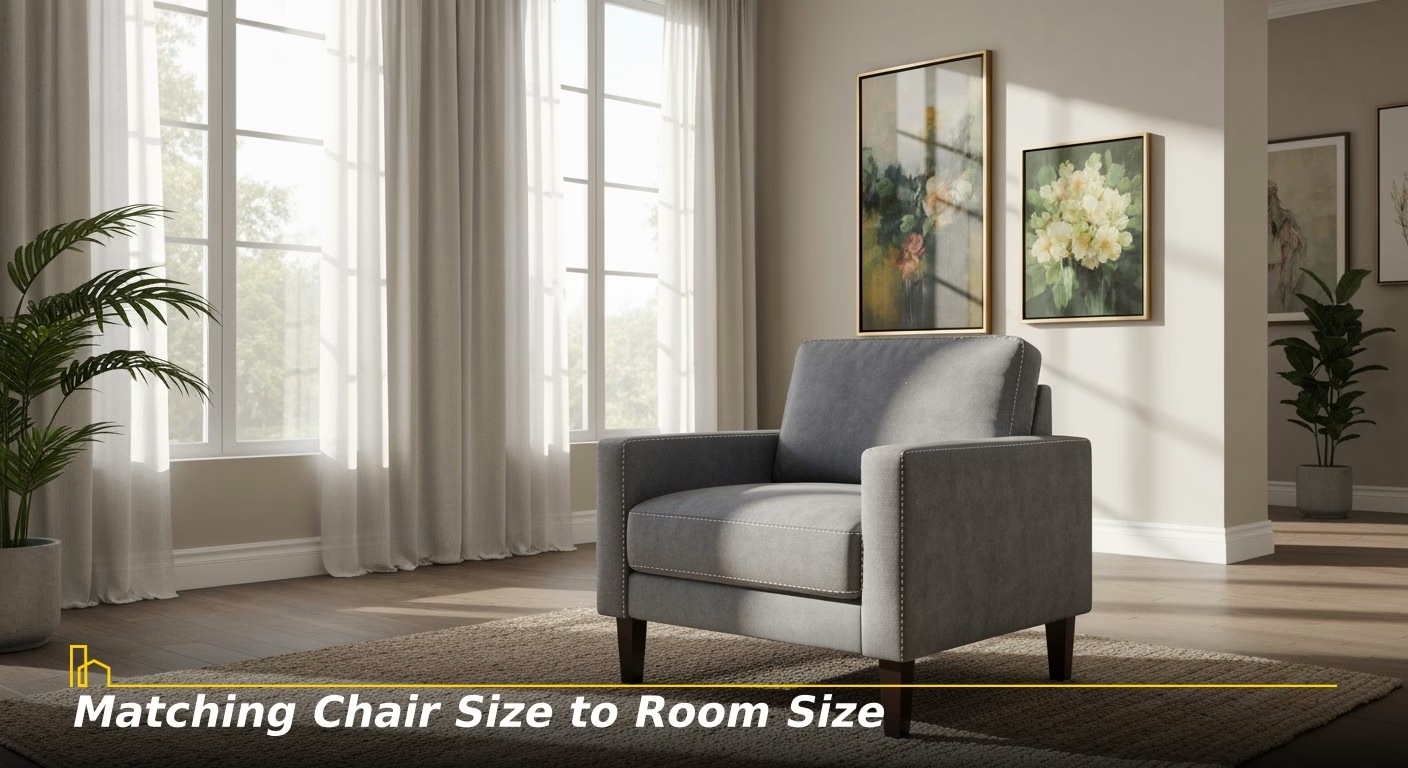
Use the following “word table” to identify which category of chair fits your specific living situation.
Room Type | Room Dimensions (Approx.) | Recommended Chair Width |
|---|---|---|
| Small Apartment / Studio | 10′ x 12′ or smaller | 25″ – 28″ (Look for “Slipper” or “Armless” styles) |
| Standard Living Room | 12′ x 18′ to 15′ x 20′ | 30″ – 34″ (Standard armchairs or club chairs) |
| Large / Open Concept | 20′ x 20′ or larger | 35″+ (Swivel chairs, loungers, or “Chairs-and-a-half”) |
4. When to Choose Low-Profile vs. Sculptural Chairs

The silhouette of the chair dictates how much “visual clutter” it adds to your home.
A. Low-Profile or Slipper Chairs
These are usually armless and sit lower to the ground.
- If living in a small apartment or have a window you don’t want to block, then choose a low-profile chair.
- If you want your room to feel airy and “uncluttered,” then choose a chair with exposed legs rather than a “skirted” base hitting the floor.
B. Higher-Back or Sculptural Chairs
These chairs have a distinct “personality” notably wingbacks, high-back swivels, or chairs with dramatic curves.
- If you have a large, empty corner that feels dead, then pick a tall, sculptural chair to act as a focal point.
- If you have very high ceilings, then choose a chair with a back height of at least 35 inches to help fill the vertical volume of the room.
Recommended for you




5. Room Layout Scenarios
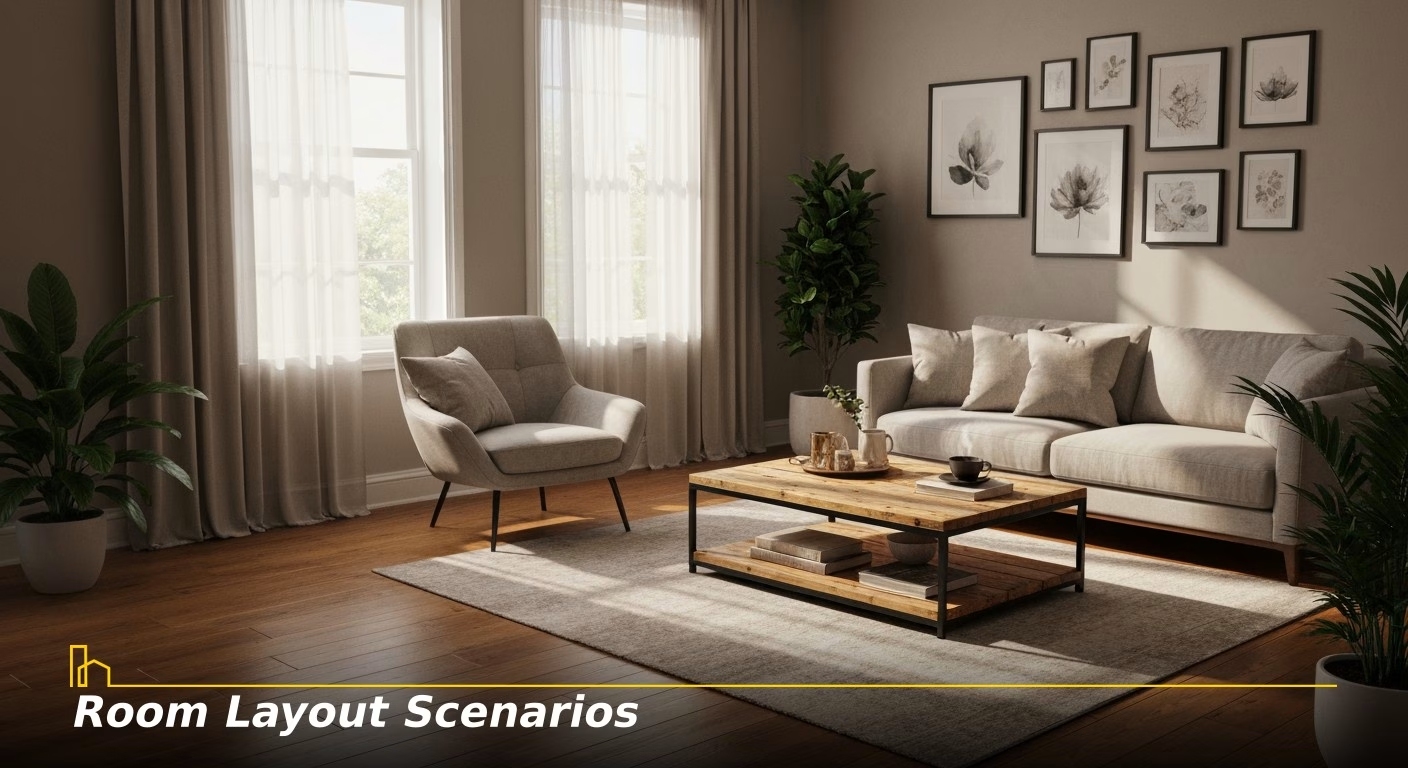
Determining the location of a chair is as important as the purchase itself. Here is how to handle the most common US home layouts.
Scenario A: The Long, Narrow Living Room
In these “bowling alley” rooms, common mistakes are pushing all furniture against the long walls.
- The Map: Place your sofa against one long wall. Place a modern accent chair at a 45-degree angle at the end of the sofa, facing toward the center of the room.
- Pro Tip: Choose a chair with “open” arms (where you can see through the armrests) to keep the narrow space from feeling boxed in.
Scenario B: The Square Living Room
Square rooms often feel like “floating islands” of furniture.
- The Map: Use a pair of identical accent chairs placed side-by-side, facing the sofa across a coffee table.
- The Rule: Leave 12 inches of space between them. Doing so creates a “conversation zone” feeling intimate rather than scattered.
Scenario C: The Open-Concept Space
In these homes, living rooms often flow into the kitchen or dining area.
- The Map: Use the back of the accent chairs to create a “wall.” Place two chairs with their backs facing the kitchen/dining area.
- The Rule: Use Swivel Chairs. This allows the person sitting to rotate toward the TV or back toward the kitchen to speak to the cook.
Scenario D: The Bedroom
- The Map: The best spot is a corner near a window.
- The Rule: Ensure the chair does not block the “swing path” of closet doors or the bedroom door. You need at least 3 feet of clearance in front of a closet to stand and move comfortably.

Related article
Personalized Wall Art Ideas: Turning Photos, Quotes, and Memories into Decor
Personalized wall art turns blank walls into meaningful expressions of your life and style. By showcasing photos, quotes, and memories, custom decor adds warmth and intention beyond generic prints. This guide explores creative ideas, layout tips, and sourcing options to help you design wall displays…
6. Practical “If/Then” Rules for Common Problems
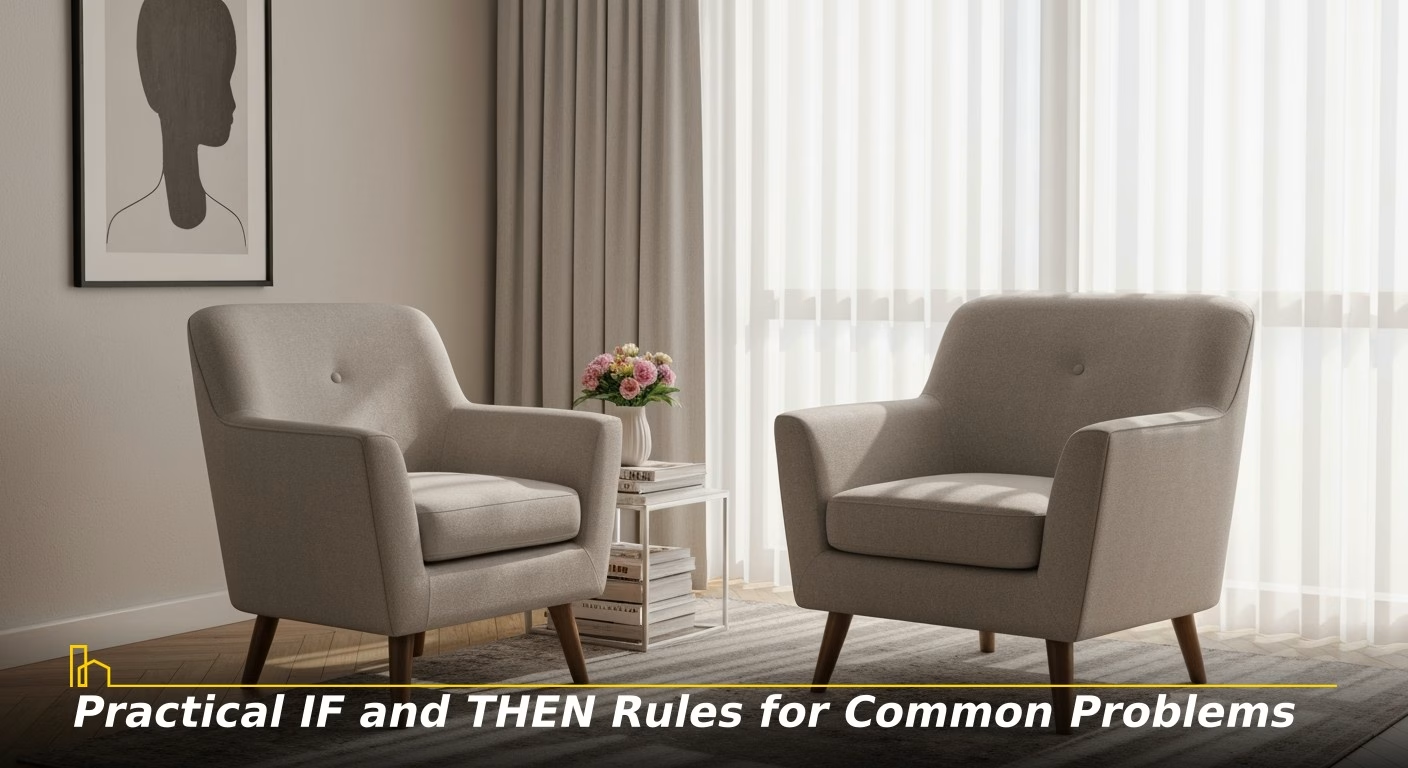
- If my accent chair feels too big for the room: Swap it for a chair with tapered legs. Seeing the floor underneath the chair creates an optical illusion of more space.
- If my accent chair looks too small next to the sofa: Add a chunky knit throw blanket over the back or a larger side table next to it. It increases the “visual footprint” of the chair.
- If the room feels crowded when I add a chair: Check your walkways. If you have less than 24 inches to walk around it, the chair is too deep. Consider an armless “slipper” chair instead.
- If I need more seating but have no floor space: Look for a “C-side table” that can tuck under the chair, or choose one with a narrower frame (metal or thin wood).
Closing: Confidence Before You Click ‘Buy’
Choosing the right modern accent chair is a balance of tape-measure precision and visual intuition. By focusing on seat height, scale relative to your sofa, and leaving enough room for traffic flow, you can avoid the frustration of a “misfit” furniture piece.
Before buying your next chair, take five minutes to mask out the dimensions on your floor using painter’s tape. Walk around the taped-out shape. Does it feel like an obstacle? Is it tiny from the doorway? Using this physical “mock-up” along with the rules in this guide ensures that your new chair won’t just look good on a screen—it will perfectly fit in your home.
Would you like me to help you calculate the ideal chair dimensions for a specific room size you have in mind?
Recommended for you




FAQs: “Too Big / Too Small” Accent Chair Questions
1. How do I know if an accent chair is too big for my living room?
If you have to walk in a zig-zag pattern to get through the room, or if the chair blocks more than 25% of a window’s glass, it’s too big.
2. Should my accent chair be the same height as my sofa?
The seat should be within 2 inches of the sofa seat. The back of the chair does not have to match. On the contrary, having a chair back that is slightly taller or shorter than the sofa adds visual interest.
3. How much space do I need around an accent chair for people to walk comfortably?
Aim for 30 to 36 inches for major pathways. For “secondary” paths (moving between a chair and a wall), you can go as low as 24 inches.
4. Can I mix different sizes and styles of accent chairs in the same room?
Yes, but keep one “common thread.” Either the seat heights should match, leg wood tones should match, or fabric colors should be in the same family.
5. Is one accent chair enough, or do I need a pair?
One chair is ideal for a reading nook or a small corner. If you are trying to balance a large sofa or sectional, a pair of chairs usually looks more intentional and finished.


Related Content