






Selling Your House “As-Is” What You Must Disclose (and When You Need a Real Estate Attorney)
- Local Editor:Local Editor: The HOMEiA Team
-
Category: Sell Home
Share



Many homeowners believe that listing a property “as-is” means they can skip disclosures and proceed without legal exposure. Doing so is quite the opposite. While this type of sale signals that the seller won’t make repairs, it does not override the legal duty to inform buyers of known material defects. Understanding the distinction between these obligations is the foundation of every successful as-is transaction.
Table of Contents:
Key Takeaways
- “As-Is” is not a “No Disclosure” clause: Selling as-is means you won’t perform repairs, not that you’re free to conceal known problems.
- Materiality is the standard: Disclose anything that significantly affects a home’s value, safety, or structural integrity.
- Transparency prevents litigation: Most post-closing lawsuits stem from latent defects the seller knew about but didn’t mention.
- Legal counsel adds real protection: An attorney can draft a Disclaimer of Reliance language limiting fraud exposure after closing.
- Documentation is your defense: Repair receipts and inspection reports prove good faith and full transparency.

Related article
The Pros and Cons of Selling Your Home “As Is”
When a home is listed “as is,” the seller commits to no repairs, renovations, or upgrades before closing. In turn, buyers would purchase the property in its current state, with no warranties for improvements. This approach manages expectations upfront and minimizes post-inspection disputes…
1. What “As-Is” Really Means
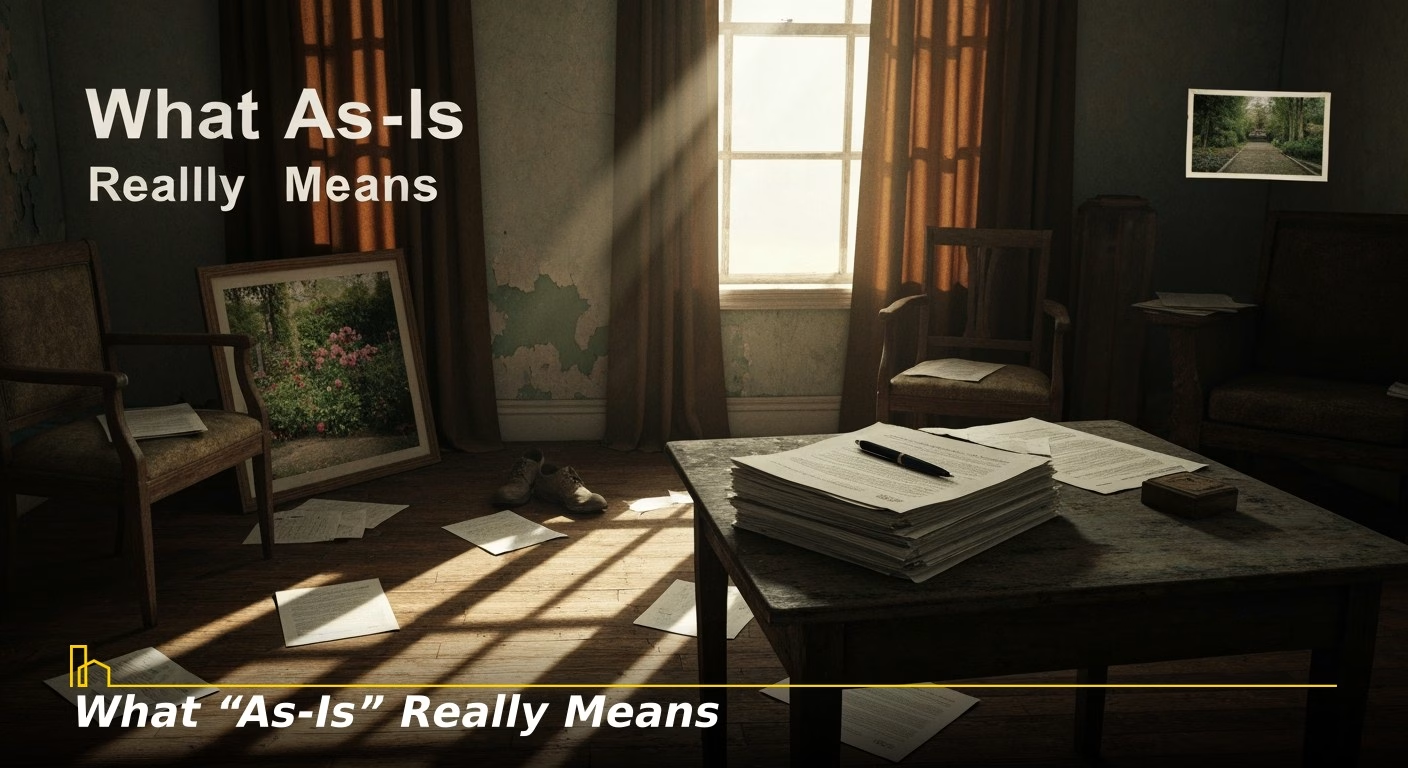
An as-is designation is primarily a contractual mechanism: it tells the market the seller will not negotiate repairs or credits based on inspection results. This incentivizes investors, house flippers, and cash buyers prioritizing speed over move-in readiness. What it does not do is eliminate disclosure obligations.
The table below summarizes where the clause ends and where the law begins:
|
Contractual Concept |
Seller’s Intention |
Legal Reality |
|---|---|---|
| Repair Obligation | Seller will not fix issues found during inspection. | Generally not required to remediate visible or hidden defects. |
| Disclosure Duty | Seller assumes silence is permissible. | “As-is” does not override state or federal disclosure laws. |
| Buyer’s Rights | Seller assumes the buyer has no right to inspect. | Buyers typically retain the right to inspect as part of due diligence. |
| Warranty Status | Seller disclaims all implied and express warranties. | Effective for conditions, but does not protect against fraud. |
The critical distinction: an as-is clause addresses the seller’s willingness to make repairs. Disclosure laws address their obligation to provide information. Homeowners listing as-is because they know the basement floods every spring but omits that fact from the mandatory disclosure form will not be protected by the clause. Courts routinely find that deliberate silence, combined with an as-is label, constitutes fraudulent inducement.
2. Your Core Disclosure Duties
A. What Counts as a Material Problem
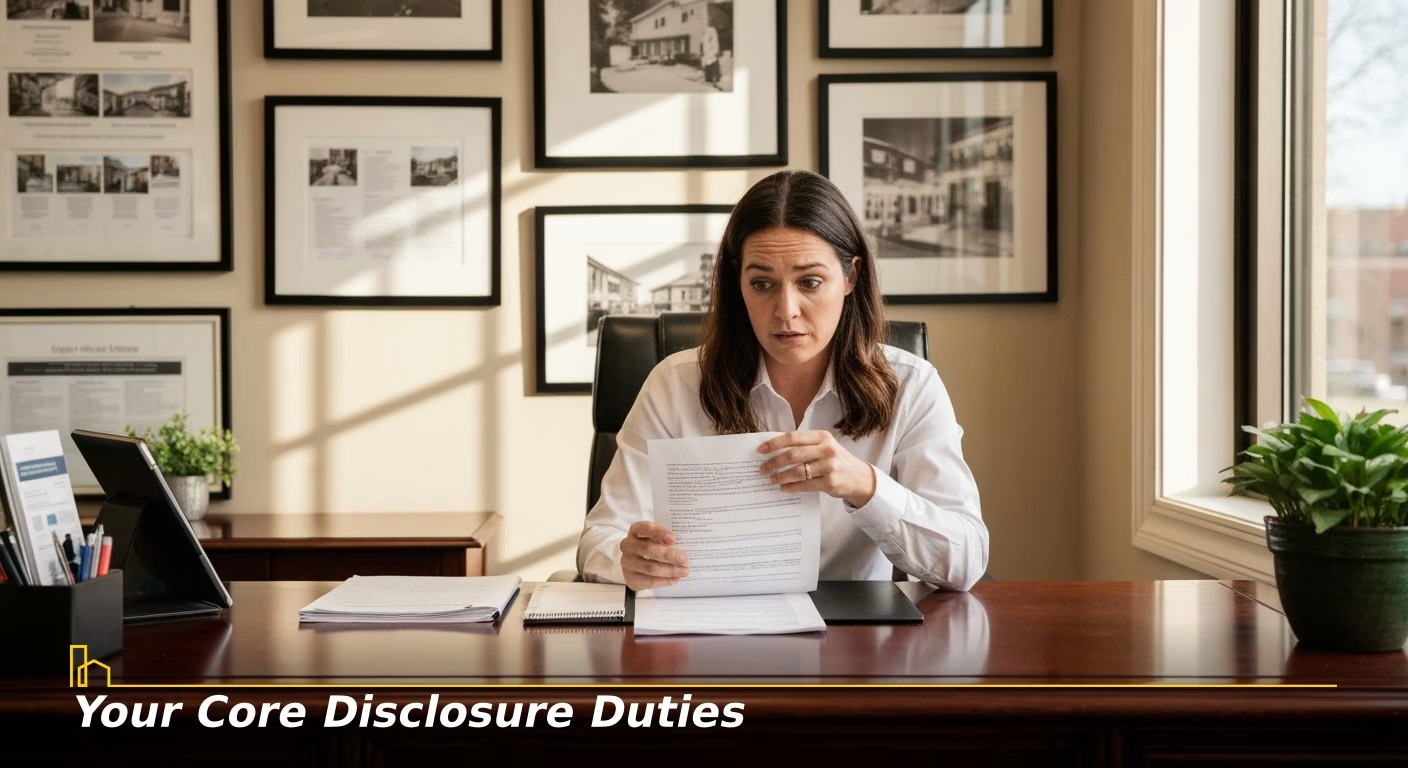
A material fact is any information that could significantly affect the property’s value, safety, or desirability to a typical buyer. Materiality is judged by how the information would influence a reasonable buyer’s decision, not by the seller’s subjective view of its importance.
|
Category |
Definition |
Examples |
|---|---|---|
| Economic Impact | Reduces market value or increases ownership cost. | Foundation repair costs; high HOA assessments. |
| Health and Safety | Hazards that could physically harm occupants. | Toxic mold; lead-based paint; faulty wiring. |
| Functional Utility | Prevents intended use of the property. | Non-potable water; failed septic system; zoning violations. |
| Legal Status | Clouds title or creates administrative liability. | Boundary disputes; unpermitted additions; pending liens. |
Sellers are not required to perform invasive testing, but actual knowledge is interpreted broadly. Someone who previously hired a contractor to patch a roof leak cannot honestly claim ignorance of roof issues, even if the leak hasn’t reappeared.
B. When and How Disclosure Works
Most states require a written seller disclosure form completed and delivered before or shortly after a purchase agreement is signed. Common examples include California’s Transfer Disclosure Statement, Texas’s Seller’s Disclosure Notice, and North Carolina’s Residential Property Disclosure Statement.
Disclosure is not a one-time event. If a new material issue surfaces while the property is under contract, like a sewer backup during a storm, the seller has a continuing obligation to update the form and notify the buyer in writing. Failure to do so constitutes bad faith and gives the buyer legal grounds to walk away with their earnest money.
Importantly, buyers in as-is deals often rely greatly on disclosures, not less, precisely because they know the seller won’t be making repairs. In several states, disclosure requirements cannot be contractually waived even if the buyer agrees to waive them. Before listing, consulting a top residential real estate lawyer can help ensure your disclosure forms are complete, accurate, and legally sufficient before the first buyer ever sees them.


Related article
7 Key Factors to Consider When Buying a For Sale By Owner Home (FSBO)
If your dream home is listed as FSBO, then it is wise to consider all the pros and cons of buying a FSBO property, as well as understand the steps you will need to take before you can call the property home. On the flip side, if you plan to sell your home for sale by owner, then you need to know what to expect…
3. Common Defects That Trigger Lawsuits
A. Water Intrusion, Leaks, and Mold
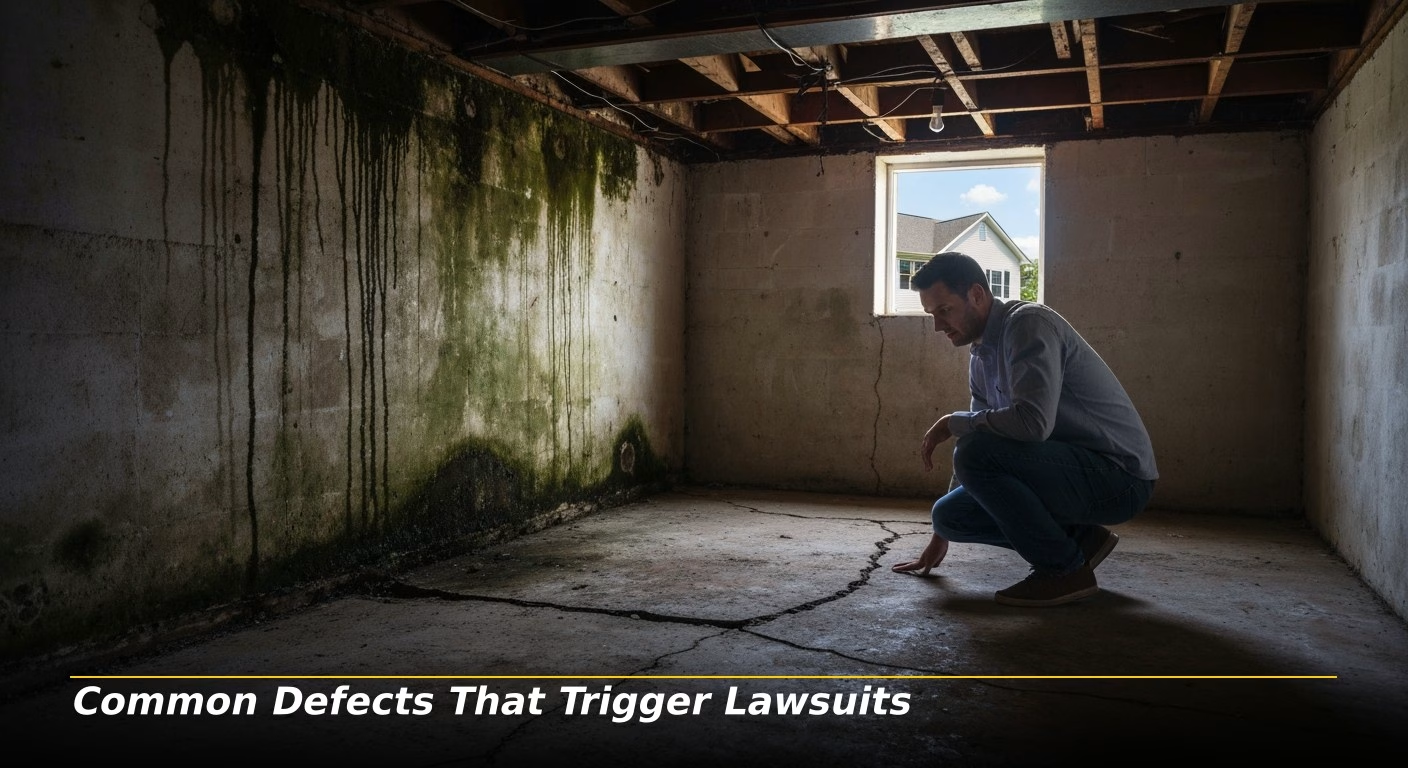
Water damage is the leading source of disclosure disputes. Chronic intrusion, whether from basement flooding, roof leaks, or wet crawl spaces, is almost universally material. The litigation risk spikes because water damage can be temporarily concealed with fresh paint or new carpet, giving buyers reason to believe evidence was intentionally hidden.
Mold expedites the problem. Toxic mold can trigger respiratory illness, opening the door to both property damage claims and personal injury suits. Sellers should disclose any flooding history, sump pump installations, prior mold remediation, and drainage systems such as French drains or interior drain-tile.
B. Foundation and Structural Problems
Structural defects: foundation cracks, bowed basement walls, slab shifts, or significant settlement, are among the most serious issues a buyer can discover post-closing. Regional geology adds complexity: Florida sellers must disclose known sinkhole activity, while Colorado sellers should disclose prior structural stabilization related to expansive bentonite soils. Hiding these issues in an as-is sale is not a defense, but evidence of fraud.
C. Roof, Mechanical Systems, and Safety Hazards
Big-ticket items (roof, HVAC, electrical panel, and plumbing) generate frequent post-closing complaints. A roof that has been repeatedly patched or is near end-of-life is material to a buyer who may not have the funds for a $20,000 replacement immediately after moving in. Specific safety hazards carry heightened disclosure weight because of potential physical harm:
- Electrical/Plumbing: Overloaded panels, aluminum wiring without proper connectors, or sewer lines prone to root intrusion.
- Hazardous Materials: Asbestos in floor tiles or insulation, lead-based paint, or radon above the EPA action limit.
- Code Violations: Missing egress windows in basement bedrooms or non-functioning safety alarms.
D. Unpermitted Work, Insurance Claims, and Code Issues
Administrative disclosures are straightforward for buyers to verify and simple for sellers to overlook. Major past insurance claims for fire, water, or storm damage signal a property vulnerability that may not be fully cured. Unpermitted work is particularly dangerous: a finished basement or added deck without necessary credentials can cause a lender to refuse financing (especially on FHA and VA loans), trigger a building inspection order to tear out the work, or cause the deal to collapse when tax records and square footage don’t match.
Recommended for you




4. How Disclosure Disputes Develop
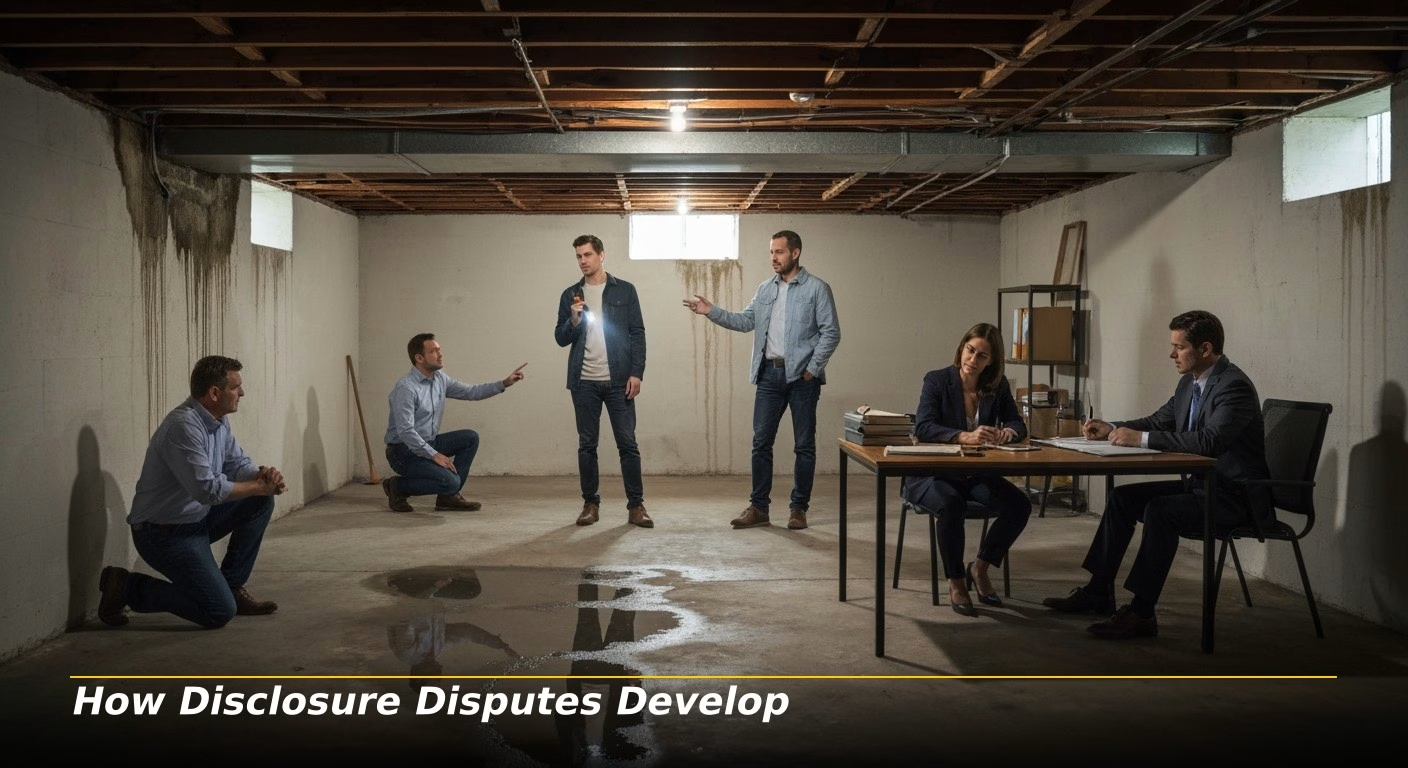
The typical disclosure dispute follows a predictable pattern. Weeks after closing, a heavy rain fills the basement. The buyer checks the disclosure form and sees “No” next to basement flooding. They speak with a neighbor, hire a contractor who points out old water marks under fresh paint, and consult an attorney. What began as a simple as-is sale transforms into expensive litigation.
To prevail, a buyer must usually establish four elements:
- Materiality: The defect was significant enough to have altered the buyer’s decision or price.
- Knowledge: The seller had actual or constructive awareness of the defect.
- Nondisclosure: The seller failed to reveal it or actively misled the buyer.
- Damages: The buyer suffered quantifiable financial harm.
Losing a disclosure dispute can mean paying repair costs, buyer legal fees, and in fraud cases, punitive damages. Pennsylvania’s Unfair Trade Practices and Consumer Protection Law even allows treble (triple) damages under certain conditions. Even a successful defense is pricey and can take years, making the as-is shortcut an unexpectedly long road.
5. When to Call a Real Estate Attorney

A. Before You List
Engaging an attorney before the property hits the market is the best bet a seller can make. They will review title and lien issues, walk through disclosure forms to ensure adequate specificity, and assess whether an as-is strategy is truly the right approach given the property’s known defects.
B. After You Receive an Offer
The purchase agreement becomes a governing document of the transaction. In an as-is deal, specific contract language matters enormously. Lawyers can include a merger clause or disclaimer of reliance, where the buyer explicitly acknowledges they are relying solely on their own inspections and not on any verbal representations by the seller or agent. This makes a subsequent fraud claim substantially harder to prove.
C. When the Situation Is Complex
Some circumstances make legal counsel a necessity:
- Serious Defects: Known foundation movement, recurring mold, or major unpermitted additions.
- Fiduciary Sales: Selling on behalf of an estate, a trust, or as part of a divorce settlement, where the seller may have limited knowledge of the property’s history.
- Title and Boundary Issues: Known encroachments, unclear easements, or disputed property lines.
- FSBO Sales: Without an agent to provide standard forms and process guidance, the seller bears sole responsibility for every legal requirement.
D. When Buyers Push Back or Threaten Suit
An as-is clause does not stop a buyer from requesting repairs after an inspection. The seller can simply decline, but doing so may kill the deal. A lawyer can evaluate whether a small concession, offered in exchange for a signed Final Release, is safer than risking the deal or a future lawsuit. If a buyer sends a demand letter or accuses the seller of failure to disclose, the seller must respond without counsel. Offhand remarks made in frustration can become evidence of knowledge or intent.

Related article
How to Sell the House by Yourself (FSBO)
The process of selling your home yourself can be a very intimidating, frustrating and time-consuming, but ultimately rewarding experience. This content will help you successfully sell your home, and we hope that you can accomplish this through your own efforts…
6. Practical Steps to Protect Yourself

|
Strategy |
Why It Matters |
Action Step |
|---|---|---|
| Over-Disclose | Silence is the primary source of liability. | When in doubt, write it out. Better to lose a buyer than face a lawsuit. |
| Document Everything | Paper trails prove good faith. | Provide receipts, remediation reports, and prior inspection findings. |
| Keep It in Writing | Verbal promises are unenforceable and dangerous. | Every credit decision or repair refusal must appear in the signed contract. |
| Preserve Communications | Email logs prevent “he said, she said” disputes. | Keep all buyer/agent correspondence in written form for at least three years. |
| Get Legal Review | Attorneys catch what boilerplate misses. | Have counsel review the as-is clause and the final disclosure form before signing. |
The as-is label is a powerful tool for defining the scope of a transaction, not an escape hatch from honest dealing. Sellers who are specific on disclosure forms, maintain thorough property records, and engage legal counsel early are the ones who close successfully and stay out of court. Careful preparation and expert guidance are the only true shields in a residential real estate transaction.
Recommended for you




FAQs About Selling Your House “As-Is”
1. If I inherited a home I never lived in, am I exempt from disclosure?
Executors and estate administrators are often exempt from completing the standard state disclosure form. However, you are still legally required to disclose any major defects knowingly aware of, including a basement known to flood, to avoid fraud or misrepresentation claims.
2. What if I discover a new problem after the buyer has signed the contract?
You have a continuing duty to update your disclosures through the day of closing. If heavy rain reveals a new roof leak while under contract, you must notify the buyer in writing immediately. Failure to do so can be treated as a breach of contract or fraudulent nondisclosure.
3. Can an FHA or VA loan buyer still demand repairs on an as-is home?
Yes. You are not contractually obligated to make repairs, but FHA and VA lenders have strict Minimum Property Standards covering safety and habitability. If the appraiser finds peeling lead paint or a broken HVAC, they may refuse to fund the loan regardless of the as-is agreement.
4. Can a buyer sue me even if they waived their right to an inspection?
Yes. Waiving an inspection limits a buyer’s ability to claim ignorance of observable issues, but it provides no protection if you actively concealed a hidden defect. Buyers who discover mold behind a recently built wall can still pursue a fraud claim despite forgoing an inspection.
5. As a landlord, do I have the same disclosure duties as a resident owner?
Generally, yes. There is typically no legal exception for rental or investment properties. Landlords are expected to be knowledgeable of the home’s condition based on maintenance history, repair records, and move-in/move-out inspections.


Related Content