



7 Best Small and Safe Towns to Live in Oregon
- Local Editor:Local Editor: The HOMEiA Team
- Category: City Living Guide
Share


In the 80’s, Oregon’s larger-than-life Governor Tom Mcall famously quipped: “We want you to visit our state…But for heaven’s sake, don’t move here to live. Or if you do have to move here to live, don’t tell any of your neighbors where you are going.” McCall’s words were representative of a state culture marked by friendliness for the sake of efficiency rather than warmth. He later elaborated: “Oregon, queen bee though she is, is not yet ready for the swarm.”
Despite anti-outsider sentiments, Oregon’s population has climbed consistently since the governor’s comments, welcoming a broad array of people looking to make their home in the west. It’s not hard to see why, considering the Beaver State’s laid-back pace, lack of sales tax, and excess access to diverse natural beauty. The Beaver State holds everything from beaches to mountains, deserts, deciduous and evergreen forests, and oak savannah. Oregon also boasts a violent crime rate well below the national average, with many small towns in the state taking on an outsized share in keeping rates low.
Whether you’re a remote worker looking to experience a remote landscape, a new parent hoping to raise their kids in a quiet environment, a retiree seeking to enjoy some peace of mind, or anyone in-between, here are seven of the best small and safe towns to live in Oregon for 2026.


Related article
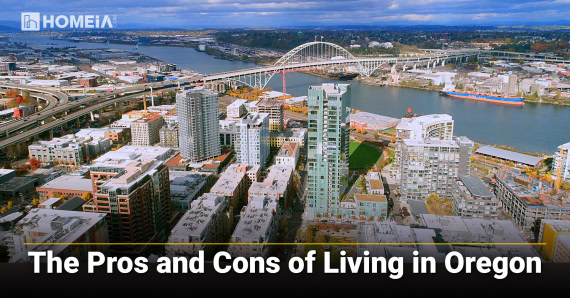
The Pros and Cons of Living in Oregon
Explore the Pros and Cons of living in Oregon, from no sales tax and scenic beauty to rising housing costs. Learn about Oregon’s top cities, lifestyle options, and what to expect before relocating. Find out if this progressive, nature-filled state aligns with your goals…
Table of Contents:
1. Baker City
South of the Umatilla reservation along I-84 lies one of eastern Oregon’s finest possessions: Baker City. At the risk of sounding like a broken record, Baker City is yet another small town marked by its remarkable natural features. To the east, along the Idaho border, the storied Snake River meanders its way through deep canyons. From downtown, one can see the Wallowa Mountains towering against purple and orange sunsets. The night sky glitters with western stars.
The downtown itself stands out for its historical preservation. Victorian era buildings, with their fine details, line the streets. The Geiser Grand Hotel and its distinctive spire stand out as the de facto symbol of the city. Baker City maintains the rugged vibe of its wild-west history, while also having the benefit of a larger sized community. Just over 10,000 residents call Baker City home, necessitating more local parks, shops, and a public library.
The nearby cities of Hermiston, Pendleton, and La Grande offer high-quality local produce, educational opportunities, and the state’s most famous rodeo. While located in a dry region, the nearby Columbia River offers valuable irrigation to area farming communities. Boise, ID is just a two-hour drive through the mountainous desert. Like Sisters, cowboy culture is prevalent, and wild horses and pronghorn antelope range nearby.
2. Manzanita
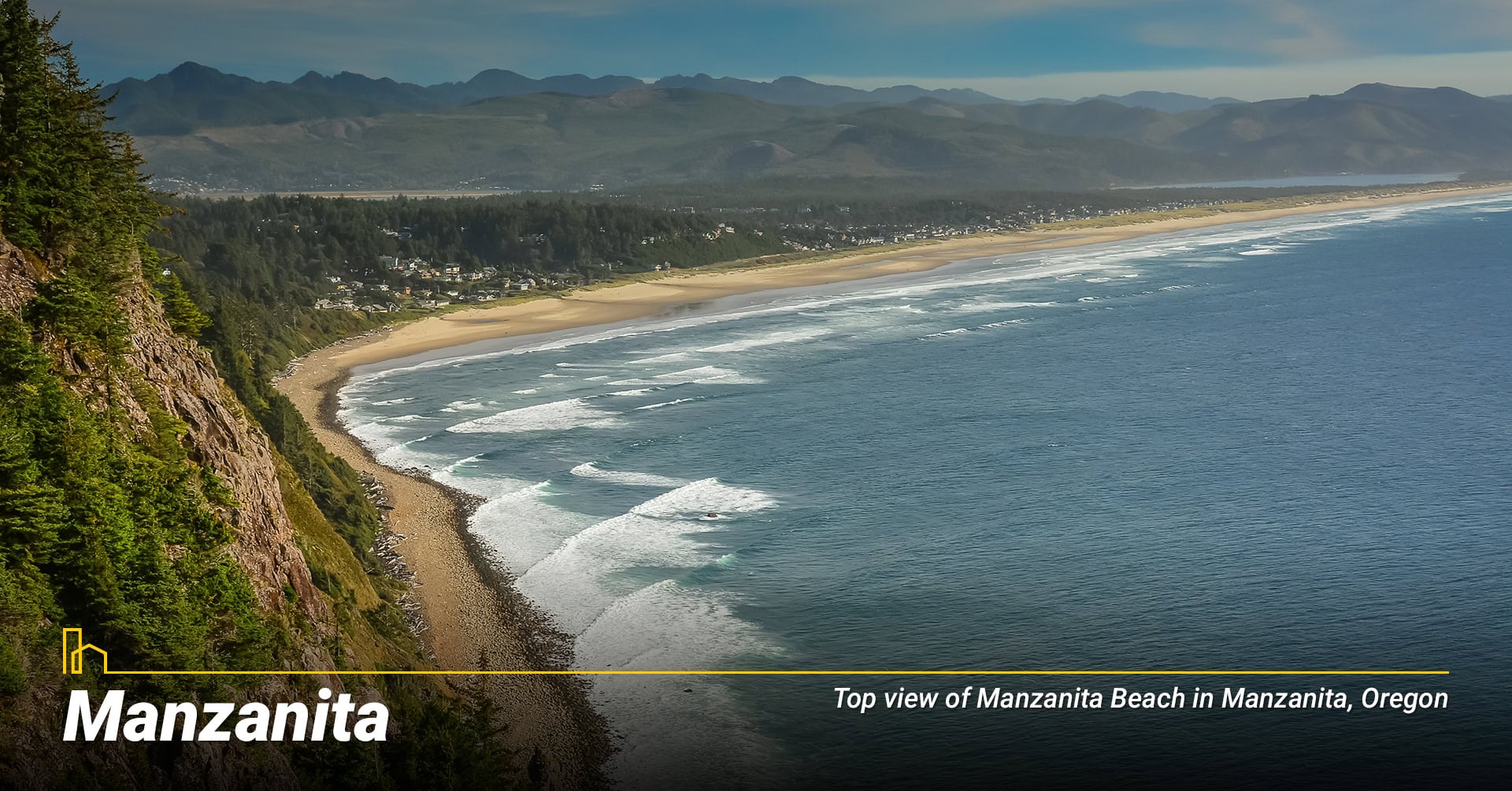
Speaking of Gov. Tom McCall, one of Oregon’s greatest public assets is its state-certified public beaches. Every inch of Oregonian coastline, from water to vegetation is publicly owned thanks to a landmark 1967 bill signed under McCall’s stewardship.
Dubbed “Fancy-nita” by some Oregonians, the Ville certainly attracts, shall we say, the more golf and tennis-playing sector of Oregon’s population. That said, if you love golf and prioritize your peace of mind, it’s hard to get safer than Manzanita. The town of 700 often reports one or no violent crimes annually.
A tight-knit seacoast community, Manzanita offers a fantastic opportunity to take advantage of the open waves. For the brave of heart, the coastline can be surfed, kayaked, or boogie-bordered with the help of a wetsuit. The beaches yield sparkling agates and are often dotted with colorful kites (to the south, Lincoln City hosts an annual kite festival). In the spring and summer, Airbnb and guest houses swell with those looking to take advantage of the quiet atmosphere, quaint shops, and tumbling waves. However, Manzanita doesn’t have the same raucous energy as its coastal neighbors, Seaside and Cannon Beach.
For a year-round Manzanita resident, ocean safety will likely rise above other concerns. Oregon’s coast can be violent, and susceptible to riptides and rogue waves. Those with pets and small children will want to brush up on their water safety habits. One other disadvantage to coastal living is the impending Cascadia subduction zone earthquake. Residents ought to be sure to plan their tsunami escape route if “The Big One” strikes in our lifetimes.
Recommended for you




3. Coquille
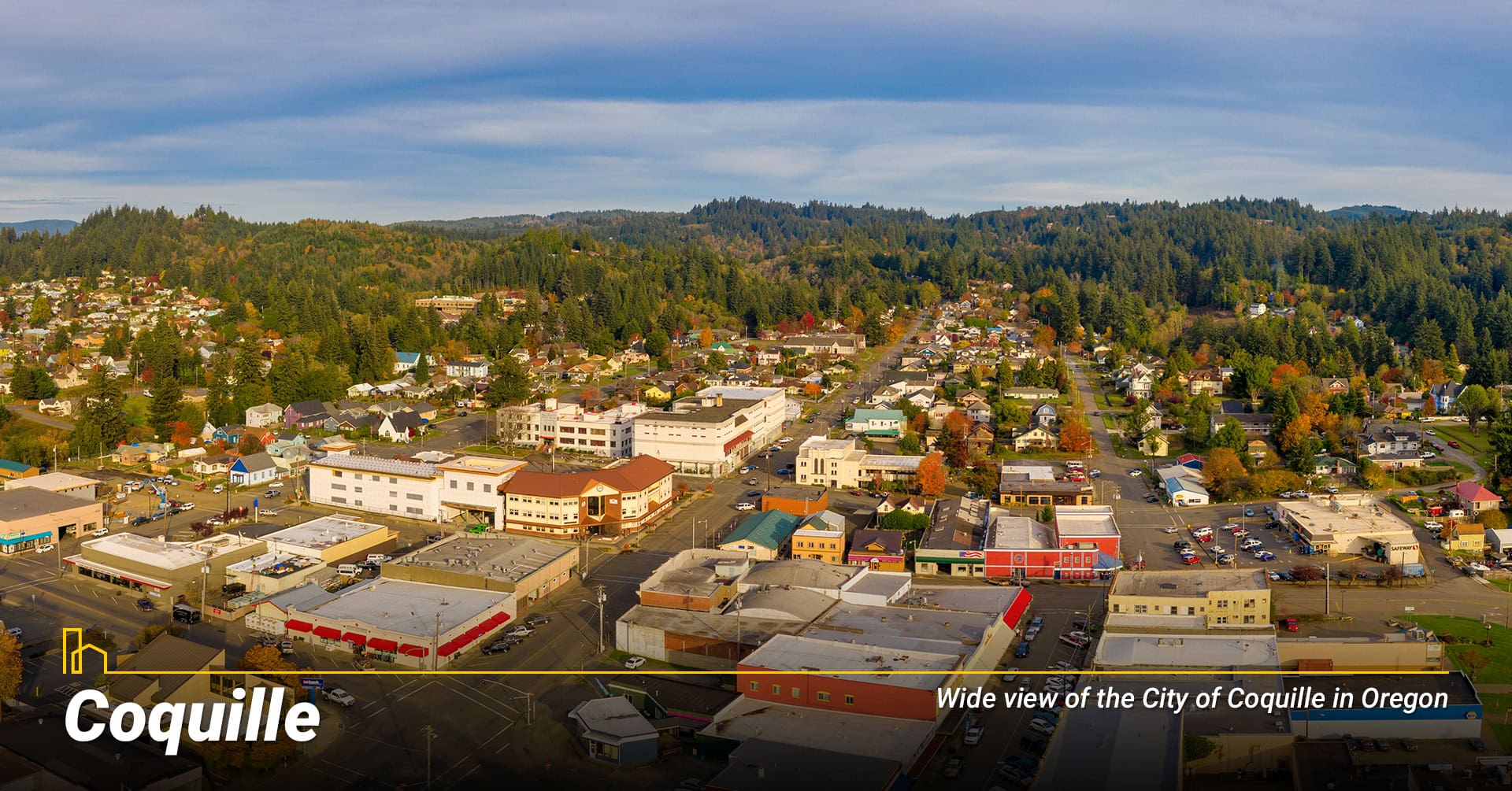
Perhaps the most outside-the-box selection for this list, Coquille (ko-keel) rarely makes headlines. Take it from the Travel Oregon website: “Coquille is a great little town. It’s got that off-the-beaten track, locals-only, undiscovered territory kind of charm. We currently don’t have any stories or activities for this little gem, so we’re counting on you to go exploring and report back.”
Having spent considerable time in Coquille growing up, I can report on friendly people, beautiful natural areas, kitschy murals lining brick walls, and a drowsy but pleasant downtown area. Think of a Stephen King-esque small post-industrial community but subtract the elemental evils and scary clowns. If you’ve seen Stand By Me, think Castle Rock. That’s basically Coquille.
As the seat of Coos County, Coquille bears the heritage of Oregon’s beleaguered logging and fishing industries. Today, Coos County and Coquille are on the brink of an expansion in the renewable energy and tech sectors.
Like other coastal Oregon towns, Coquille experiences heavy rains most of the year. However, the showers give way to vibrant and warm summers. Considering Coquille’s out-of-the-way status, there may be no better place to experience them than in Coos County’s secluded foothills. Mountain bikers enjoy an abundance of trails. Local hunters and fishers can find elk, black tail, chinook, coho, and steelhead in Coos County’s wild forests and waterways.
The next nearest large city to Coquille is Eugene (two-and-half-hour-drive). It would take as long to reach California’s Redwoods National Park. Coos County residents are committed to their lifestyle and seclusion.
Coquille, with a population of 3800, has significantly lower violent and property crime rates than the state average.
4. Yamhill
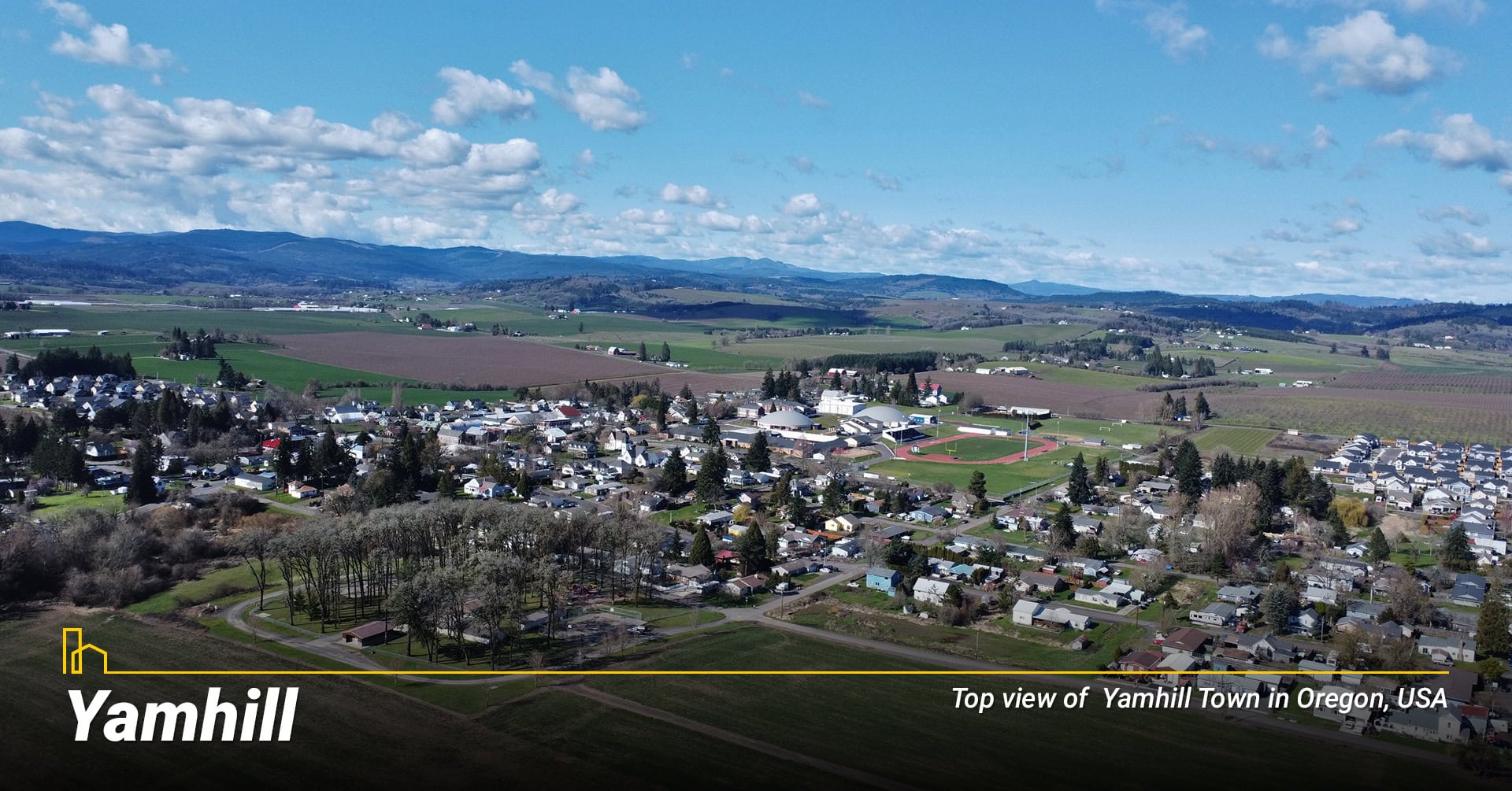
Located in Portland’s peripheral farmlands, Yamhill hasn’t seen more than three violent crimes in a year since before the census began. For those who can’t be bothered to lock their doors, Yamhill calls to you.
Founded in 1891, Yamhill is home to stately turn-of-the-century farmhouses and sprawling oak savannah. It’s an Oregon wine country favorite, famous for high-quality pinot-noir grapes. Residents enjoy large lots and farms, bed and breakfasts, and quiet living.
Author Beverly Cleary (Ramona and Beezus) was born in Yamhill and includes the city in the title of her autobiography.
With a population of just over 1,000, Yamhill residents can commute to other cities such as Sherwood, Newberg, and McMinnville in 30 minutes or less for work. Portland itself can be reached in under an hour, making it an ideal escape for those who want to love Oregon’s largest city at a distance. Yamhill residents can take a scenic afternoon drive through rolling hills, see a Timber’s or Blazer’s game, visit the Portland rt museum, and then wrap up their day back home at an award-winning winery.

Related article
7 Best Small and Safe Towns to Live in Oregon
If you like your west a little less wild, let these Oregon towns sit at the top of your list. Each marks a unique pocket of Oregon, holding a unique culture, history, and landscape…
5. Honorable mention: Government Camp
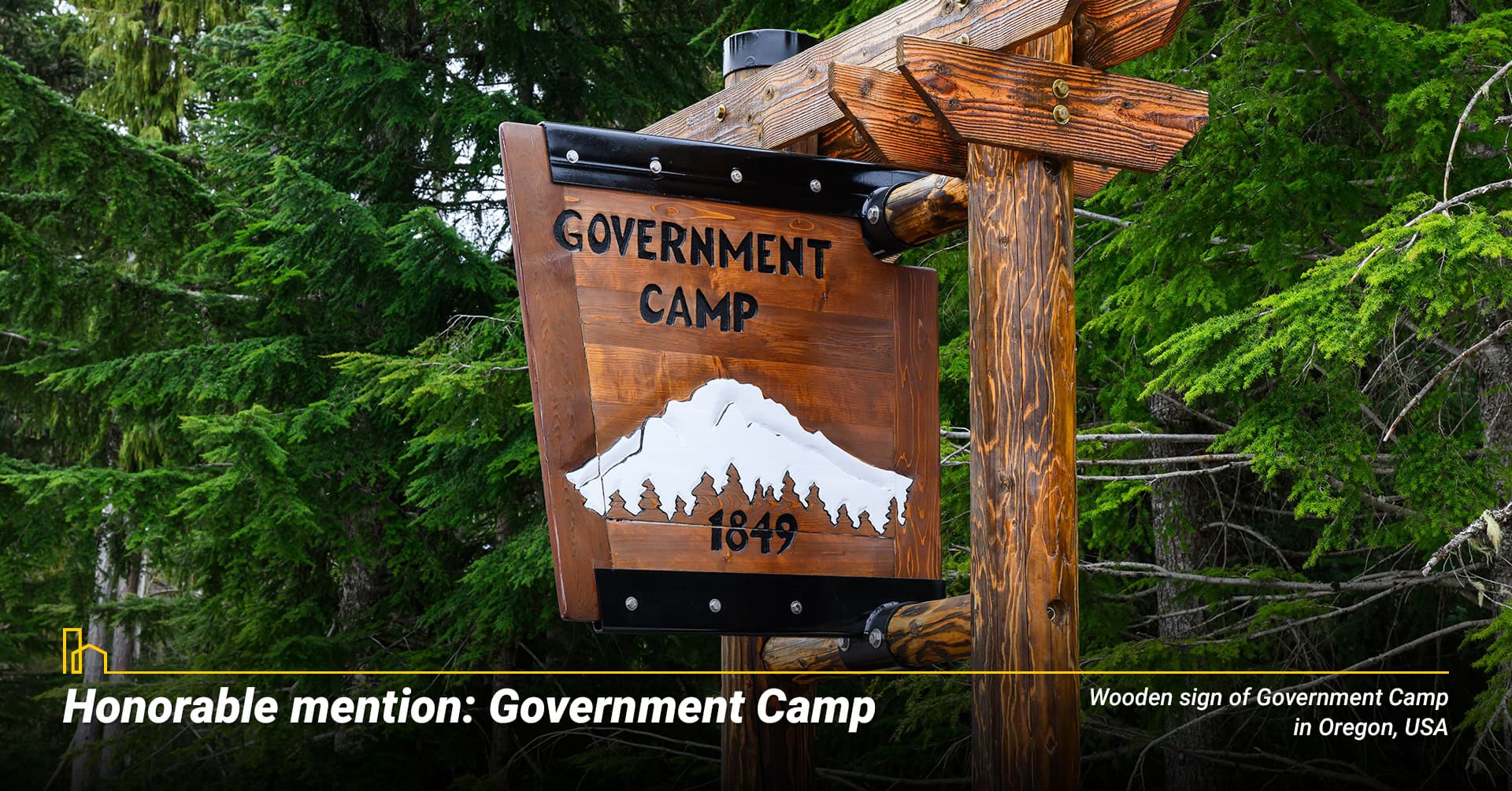
Though not quite an official town, the unincorporated community of Government Camp acts as the unofficial gateway to Mt. Hood. The alpine village sits 4,000 feet above the rest of the state, close to the peak of Oregon’s most beloved mountain.
Through the winter, skiers flock to Timberline Lodge or Mt. Hood Meadows resorts. “Govvy” (as it is affectionately referred to) hosts one main street: Bavarian architecture abounds, and a popular bar serves the community year-round. While the winter rules the community’s culture, summer offers its own array of joys on the mountain. One can swim Trillium and Timothy Lakes, hike the national forest, and enjoy the mountain’s cheerful spring wildflowers.
Homes in Government Camp range from secluded three-story forest fortresses to newly developed apartments and condos closer to U.S. Hwy 26. Portland and its airport are only 55 miles away. The Columbia River Gorge, woefully not yet mentioned on this list, waits to be explored just to the north. Government Camp’s local economy is decidedly tourism-based.
6. Silverton
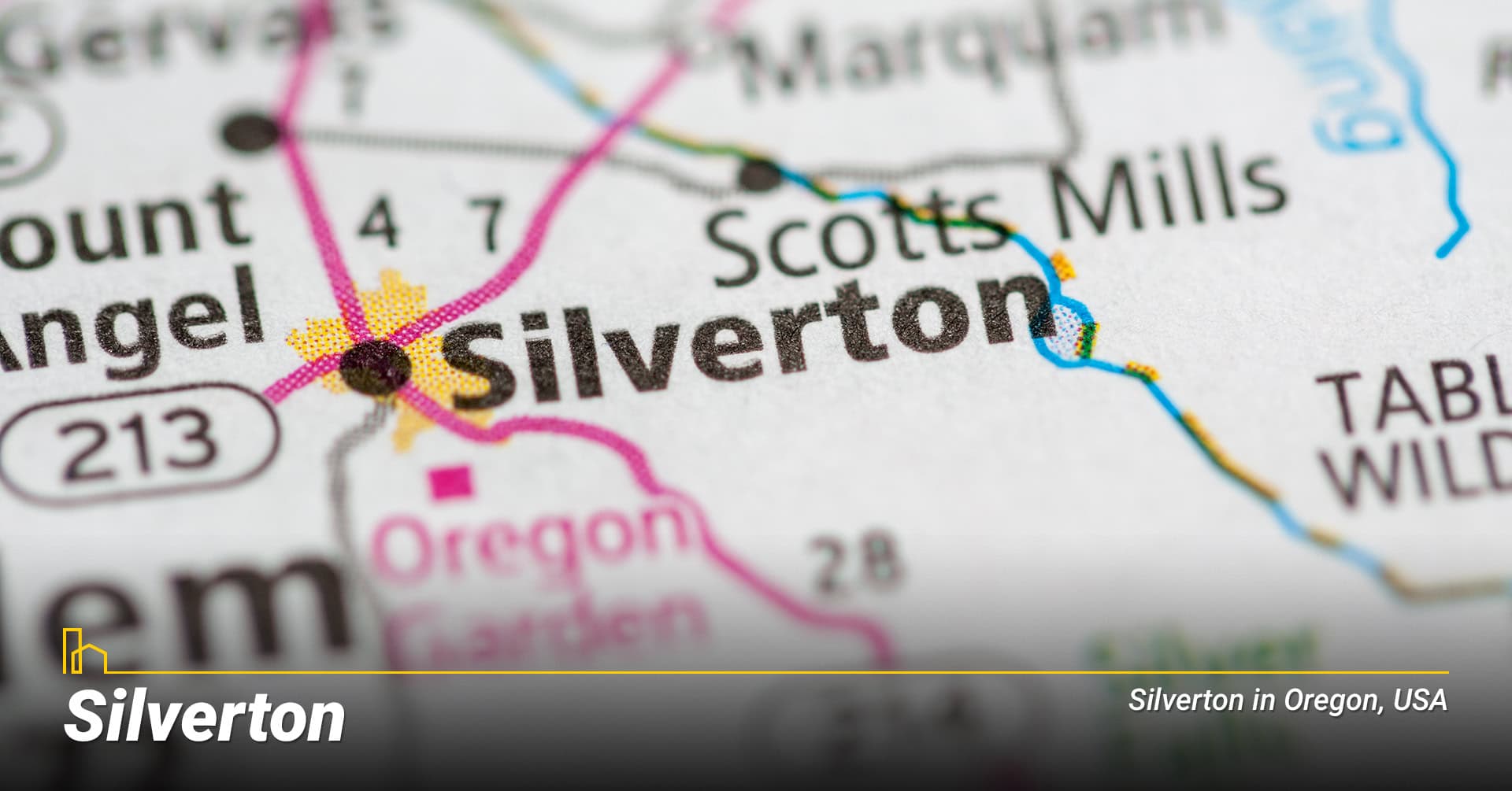
A quick drive Northeast of Oregon’s capital, the city of Silverton rests comfortably among Willamette Valley woods and farmlands. Its growing population of 10,000 makes it an ideal size for those hoping to live at a slower pace while still maintaining a strong community. A historic downtown acts as “The Garden City’s” main gathering place. Entering town, a drive over one of the city’s canals places one among red brick shops, restaurants, and offices that rival Norman Rockwell’s finest work.
The Judy Schmidt Memorial Skatepark stands out among its small-town counterparts as a high-quality facility. Silverton High School (home of the Foxes) was beautifully remodeled this century. Their football team goes to the state playoffs nearly every year.
Within the Willamette Valley, the Garden City experiences 40 inches of spitting rain and several months of cloud cover a year. Moody false springs give way to mild but increasingly hot summers. For a few weeks out of the year, one can buy Oregon’s endemic “Hood” strawberries from a fruit stand along the Cascade Highway. Silverton is no less than two hours from the mountains and the coast. Nearby Silver Falls state park offers stunning hikes, that are enjoyable even in the wet months.
Silverton enjoys a violent and property crime rate that is half that of the rest of Or3egon. In 2022, only 16 violent crimes were reported to the Silverton Police Department. Smoke and wildfire mark an emerging danger to the community, alongside the rest of the Willamette Valley and the state at large. The 2020 Santiam Fire left a considerable mark in the memories of Silvertonians and their Salemite neighbors.
Recommended for you




7. Sisters
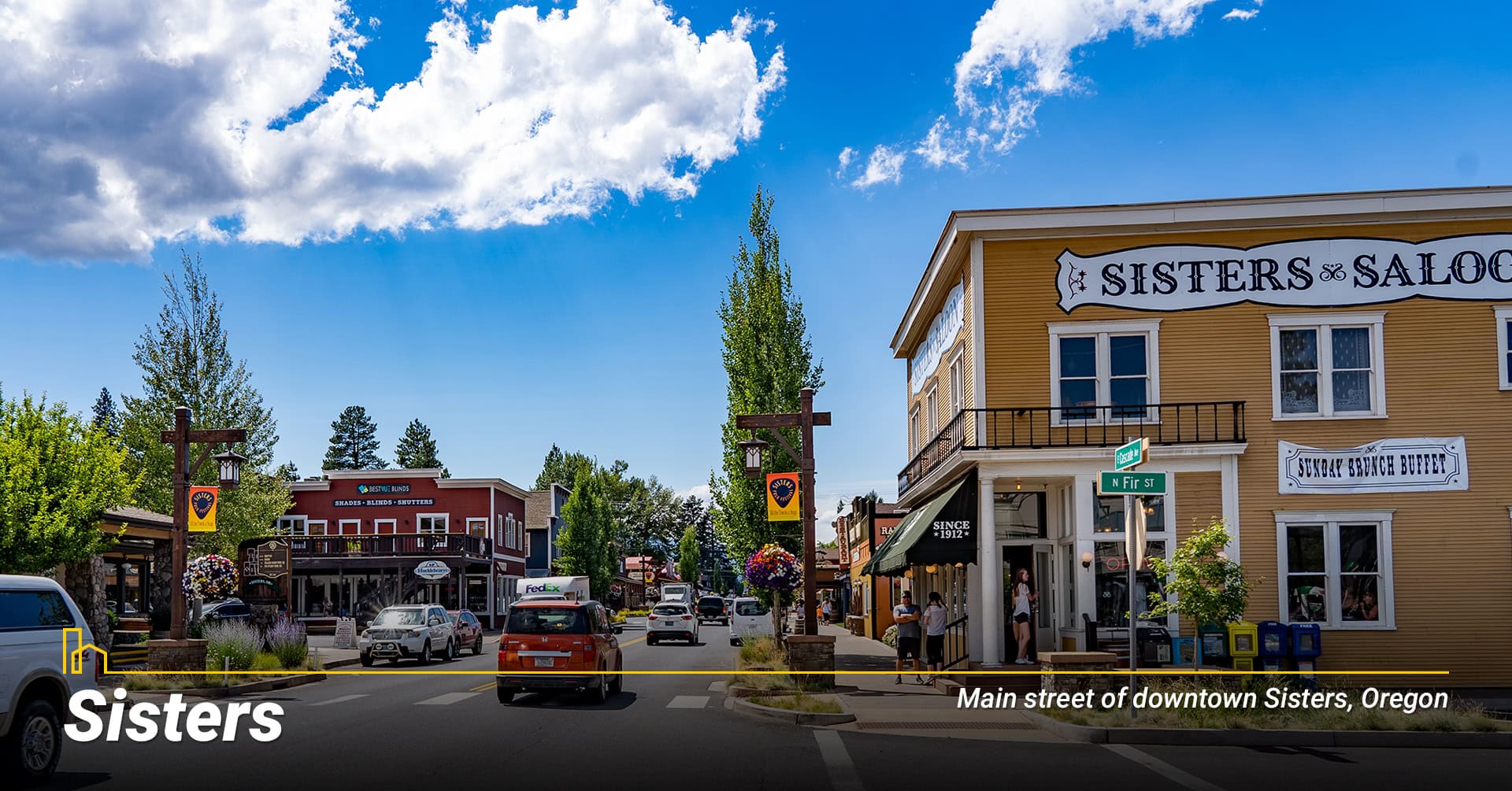
Breaching through the Cascade Mountains from the West, dense emerald fir and deciduous forests give way to dry, high desert pine stands and jagged volcanic rock formations. On the Eastern edge of the Cascade Range, Sisters offers all the dramatic natural features of its Deschutes County neighbors, Bend and Sunriver, without the clamor of perennial sun-hungry tourists.
For the right transplant, Sisters could be both an adventure lover’s hub or a sleepy retirement village. Forty minutes to the east, Smith Rock, the legendary climber’s mecca, juts into the western sky. To the West, the titular Three Sisters, Three Fingered Jack, and Mt. Jefferson offer an abundance of world-class hiking and camping. To the south, residents can tackle Mt. Bachelor ski resort, a frequent training ground for U.S. Olympians.
However, the town of 3,300 also offers plenty of rustic, stay-at-home appeal. The homes and shops of downtown Sisters look and feel like a spaghetti western movie set that received a multi-million-dollar facelift. Fast food joints have not yet permeated the street corners; the wood paneled Sisters Coffee company stands in for Starbucks, and the nostalgic Sno-Cap drive-in gets busy on the weekends. The Sisters Rodeo dominates the second weekend in June.
Regarding crime, Sisters’ residents likely worry more about rattlesnakes (or runaway bulls) than burglaries.
Conclusion: If you like your west a little less wild, let these Oregon towns sit at the top of your list. Each marks a unique pocket of Oregon, holding a unique culture, history, and landscape. Here’s Tom McCall with the last word: “Oregon is an inspiration. Whether you come to it or are born to it, you become entranced by our state’s beauty, the opportunity she affords, and the independent spirit of her citizens.”

Related article
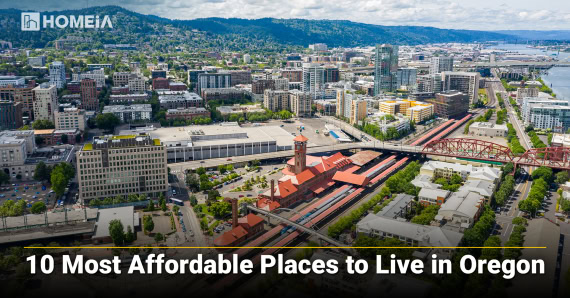
10 Most Affordable Places to Live in Oregon
Oregon’s many cities and towns each offer something different, depending on each person’s lifestyle and preferences. In the state’s more prominent cities, you’ll find bustling streets full of shops and events. The smaller towns offer a quiet, quaint ambiance with close-knit communities, while its rural areas present lakes, rivers, wildlife, and miles of open land.
FAQs about the Best Small and Safe Towns to Live in Oregon
- Which small Oregon towns does the article highlight, and what do they have in common?
HOMEiA’s list focuses on Baker City, Manzanita, Coquille, Yamhill, Government Camp (honorable mention), Silverton, and Sisters as bijou, safety-oriented communities.
They generally share below-average violent-crime rates, tight-knit neighborhoods, proximity to forests, rivers, or coastlines, and slower day-to-day rhythms than Portland, Salem, or Eugene. - Who is most likely to thrive in Baker City, Coquille, and Yamhill?
Baker City tends to attract history buffs, outdoor enthusiasts, and remote workers appreciating Eastern Oregon’s open landscapes, historic downtown, and lower housing costs.
Coquille and Yamhill appeal to those seeking quiet, agricultural or coastal-adjacent living—Coquille with “locals-only” small town charm near the south coast, Yamhill with classic farmhouses and wine-country surroundings in the Willamette Valley. - How do Manzanita, Government Camp, and Sisters differ as “vacation-town” options?
Manzanita delivers a tiny, upscale coastal village experience, with almost zero violent crime, walkable beach access, and a reputation for attracting golfers and tennis players seeking peace and quiet..
Government Camp and Sisters lean into mountain town lifestyles—Government Camp at the base of Mt. Hood for snow sports and alpine access; Sisters with a polished Western downtown, coffeehouses, galleries, alongside cherished festival and rodeo culture. - What makes Silverton stand out among Oregon’s small safe towns?
Silverton offers Garden City charm, historic brick downtown, and seamless access to Silver Falls State Park and Willamette Valley agriculture, making it popular amongst families and retirees who want community plus nature.
Around 10,000 people call it home, making this area substantial enough for basic services and events while still compact to preserve a deeply-rooted sense of safety and familiarity. - How should cost of living factor into choosing among these towns?
Eastern and inland towns like Baker City and Coquille typically possess lower housing costs than coastal hotspots, notablyManzanita or tourist-heavy Sisters and Government Camp, where vacation demand pushes prices up.
Prospective residents should compare median home prices, rents, and typical utilities and groceries, balancing safety and scenery against the premium in more resort-oriented communities. - What are the biggest tradeoffs of choosing a small, safe Oregon town over a larger city?
Residents gain lower crime, quieter streets, and easier access to forests, trails, and coastline but often accept fewer job opportunities, limited nightlife, and reduced access to specialized healthcare or higher education.
Many remote workers and retirees find the tradeoff favorable, while Millennials and Gen Z may need to confirm their industry is viable from a distance or within commuting range. - What practical steps should someone take before relocating to one of these towns?
A sound approach is to visit in both peak and off-season, test internet speeds, speak with locals about crime and community events, and price out housing, insurance, and healthcare for that specific town.
Comparing two or three short-listed towns—such as Silverton vs. Sisters vs. Manzanita—on safety data, cost of living, outdoor access, and “everyday convenience” helps confirm the chosen town aligns with lifestyle and budget expectations.


Related Content