






Moving to Michigan: The Complete Relocation Guide & Checklist
- Local Editor:Local Editor: Kelly Gibson
-
Category: City Living Guide
Share


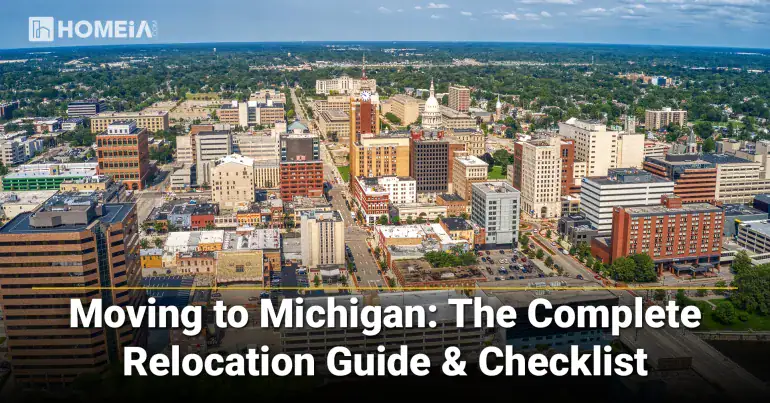
Bordered by four of the five Great Lakes, Michigan is filled with incredible natural beauty and industrial resilience. From the urban revitalization of Detroit to the charming coastal towns of the Upper Peninsula, the Great Lakes State offers a diverse and affordable lifestyle that attracts new residents from across the country. Over 10 million people call it home, drawn by a strong sense of community, four-season climate, and a cost of living that won’t break the bank. This comprehensive Moving to Michigan guide provides everything you need to know, from securing a job to obtaining your new driver’s license.
Table of Contents:
- Key Takeaways
- 1. Culture & Lifestyle
- 2. Food Scene & Nightlife
- 3. Outdoor Recreation & Natural Beauty
- 4. Climate
- 5. Cost of Living & Affordability
- 6. Jobs & Economy
- 7. Education & Schools
- 8. Tax Structure
- 9. Best Places to Live
- 10. Planning Your Move
- 11. Transportation
- 12. Legal Requirements & Paperwork
- 13. Financial Planning
- 14. Insider Tips from Locals
Key Takeaways
- Affordable Living: Michigan’s cost of living is approximately 8% below the U.S. average, with housing costs nearly 20% lower. The median home value is around $235,000, with median rent for a two-bedroom apartment averages $1,100.
- Four Distinct Seasons: Experience warm, sunny summers (70s°F-80s°F), spectacularly colorful falls, cold and snowy winters (20s°F-30s°F), and wet, blossoming springs. Winter snow averages 35-60 inches yearly, depending on the region.
- Diversified Economy: While still an automotive leader, it has pivoted with advanced manufacturing, healthcare, technology, and agriculture. The unemployment rate hovers around 4.5%, with steady job growth.
- Natural Playground: Having over 3,200 miles of freshwater coastline, 100+ state parks, and countless inland lakes, outdoor recreation is a way of life here, from boating and fishing to hiking and skiing.
- Cultural Richness: Home to Motown, world-class museums, a renowned craft beer scene, and passionate college and professional sports fandoms.

Related article
Our Methodologies to create HOMEiA Score Ratings for Each Group of Content
HOMEiA uses a consistent, data-driven methodology to evaluate U.S. states for livability, affordability, and long-term value. Our analysis centers on key factors such as Housing and Affordability, Cost of Daily Living, Access and Infrastructure, Community Strength, Safety and Quality of Life, Economic Resilience and Job Market…
1. Culture & Lifestyle
A. Heritage and Industrial Pride
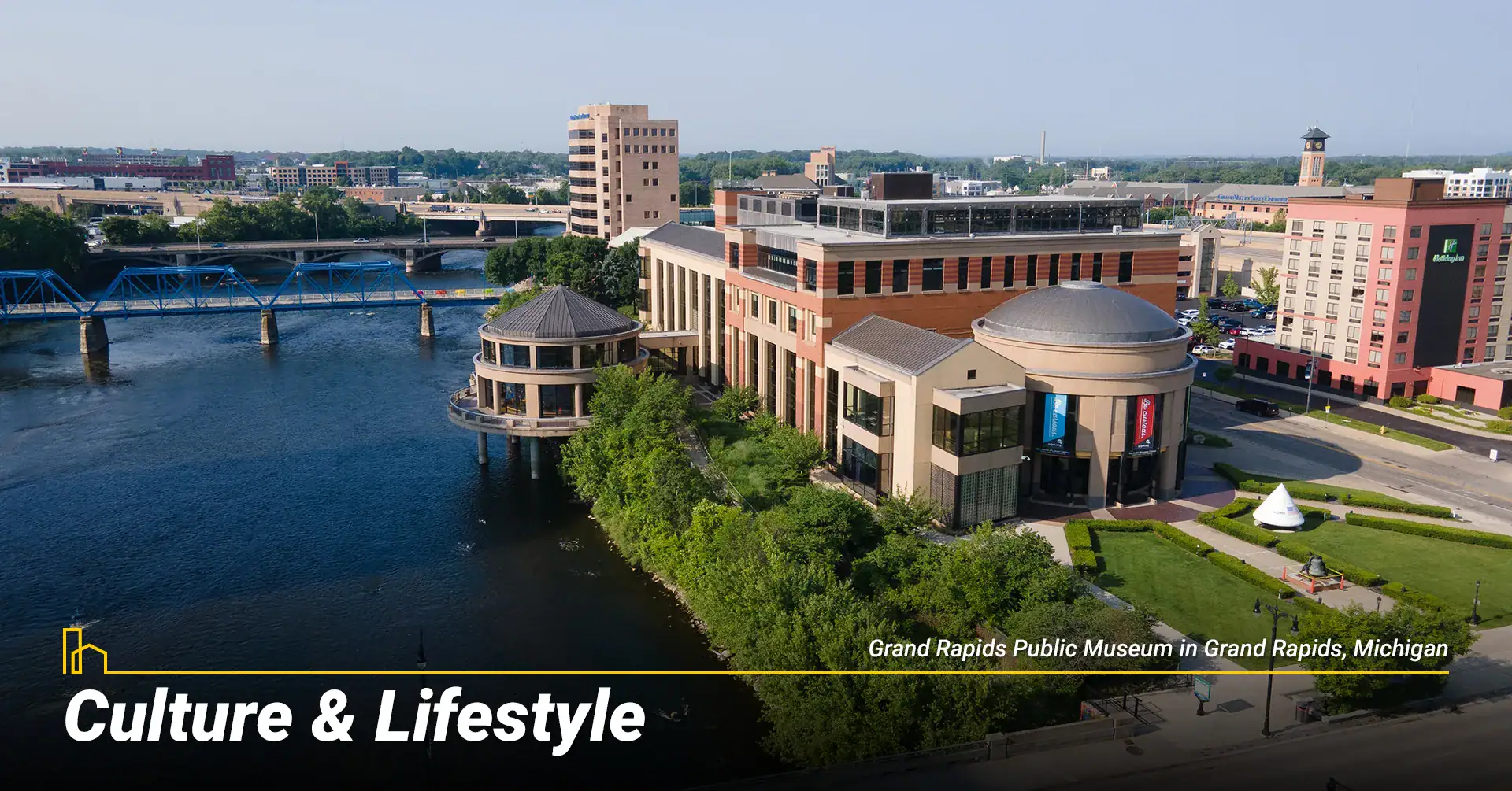
The 26th state’s identity is deeply rooted in its history as the heart of the American automotive industry. This legacy fosters a culture of hard work, innovation, and resilience. Their “Pure Michigan” campaign perfectly captures its other defining characteristic: an immense pride in its stunning natural resources. Blending grit with natural beauty creates a down-to-earth, friendly atmosphere where newcomers are quickly welcomed. Community events like the National Cherry Festival in Traverse City, ArtPrize in Grand Rapids, and countless local fairs and farmers’ markets are central to social life.
B. Arts, Sports, and Entertainment
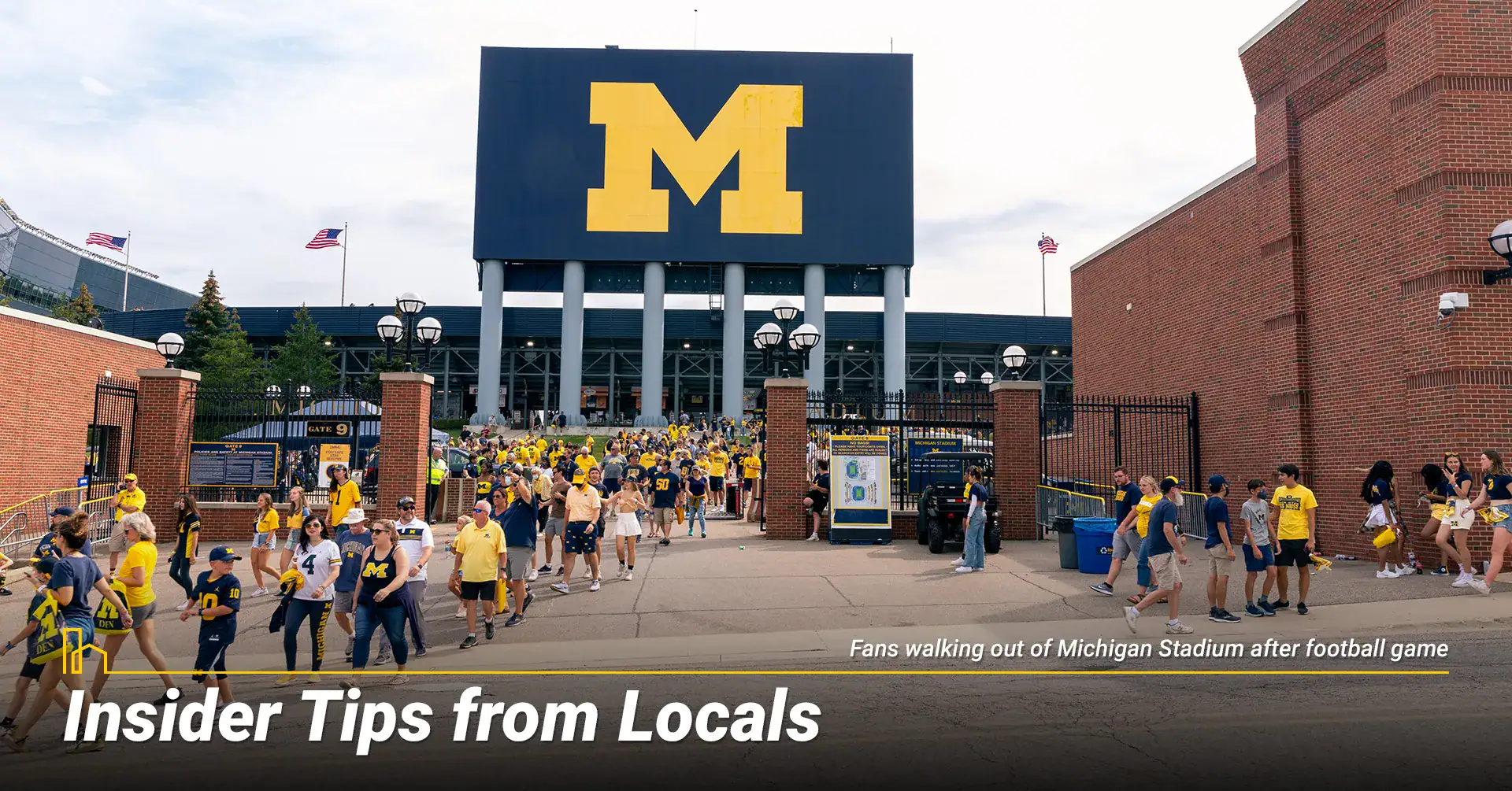
Detroit’s cultural institutions are world-class, including the Detroit Institute of Arts, Motown Museum, and the Henry Ford Museum of American Innovation. Music is in the state’s DNA, from iconic rock and techno to a thriving modern music scene. Michiganders are fiercely loyal sports fans, cheering for teams like the Detroit Lions (NFL), Red Wings (NHL), Tigers (MLB), and Pistons (NBA), and a WNBA team joining the mix in 2029. A fierce rivalry between the University of Michigan Wolverines and Michigan State University Spartans culminating at the Battle for the Paul Bunyan Trophy during their yearly football game divides—and unites—households every fall.
2. Food Scene & Nightlife
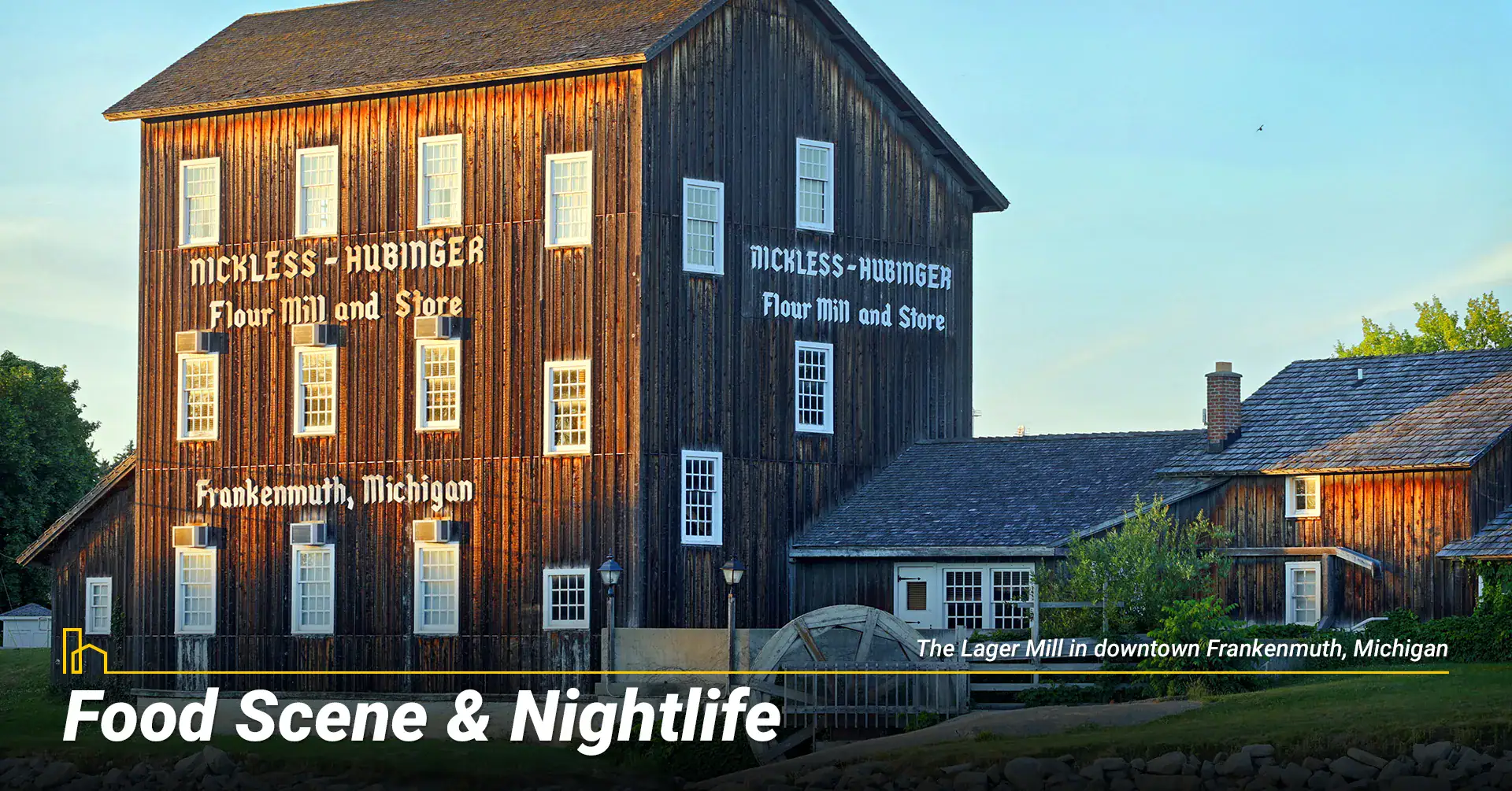
Michigan’s culinary scene is a delicious reflection of its agricultural and cultural diversity. Must-try regional foods include the Detroit-style rectangle pizza (with its crispy cheese crust), Vernors ginger ale, and Better Made potato chips. Nationally, iconic pizza chains Little Caesars and Domino’s launched in Michigan in 1959 and 1960 before franchising. The state is also a top producer of cherries, apples, and blueberries, which feature prominently in local dishes and craft beverages.
The craft beer scene is one of the best in the nation, with Grand Rapids being named “Beer City USA” multiple times. Distilleries and wineries, particularly along the Lake Michigan shore wine trail, are popular destinations for tourists and locals alike. Nightlife ranges from sophisticated cocktail bars and live music venues in downtown Detroit and Ann Arbor to cozy pubs and breweries in smaller towns across the state.


Related article
Pros and Cons of Living in Michigan
Michigan offers diverse communities to match any lifestyle, from vibrant cities to tranquil lakeside towns. Whether seeking career opportunities, family-friendly neighborhoods, or a peaceful retirement, the Great Lakes State provides affordable options with unique attractions and natural beauty. As you consider making Michigan your home, weigh the pros and cons…
3. Outdoor Recreation & Natural Beauty

Outdoor adventure is never far away in the Mitten State. Their crown jewels are its Great Lakes shores, offering sandy beaches and dunes that feel oceanic. Sleeping Bear Dunes National Lakeshore is consistently ranked among the most beautiful places in America.
- Summer: Boating, swimming, fishing, kayaking, hiking, and camping are ubiquitous.
- Fall: “Leaf peeping” drives through the northern Lower Peninsula are a spectacular annual tradition.
- Winter: Downhill and cross-country skiing, snowboarding, snowmobiling, and ice fishing take over.
- Spring: Maple sugaring and hiking as the forests come back to life.
With thousands of miles of trails, hundreds of waterfalls (especially in the Upper Peninsula), and immense forests, the opportunities for exploration are endless.
4. Climate

Michigan has a humid continental climate with four distinct seasons. The Great Lakes significantly moderate temperatures but also produce “lake-effect” snow, particularly in western and northern parts of the state.
|
Season |
Temperature (°F) |
Highlights |
|---|---|---|
| Spring | 40-65 | Unpredictable; can be rainy and cool. Fruit blossoms bloom in May. Severe thunderstorms are possible. |
| Summer | 70-85 | Warm and humid, especially in the south. Plenty of sunshine. Perfect beach weather along the coasts. |
| Fall | 45-65 | Crisp, cool air and spectacular foliage colors, typically peaking in October. Ideal for outdoor activities. |
| Winter | 20-35 | Cold and snowy. The northern UP gets the most snow. Southern areas see less but still experience winter. |

Related article
Top 5 Best Places to Live in Michigan
The state of Michigan has a city for everyone, whether you want a college vibe, metro urban environment, or to conclude your day with a dazzling sunset over a freshwater ocean. Michigan boasts over 90 colleges and universities and Michiganders are never more than six miles from a body of water. Sound like a great place to live? I agree! While so many cities…
5. Cost of Living & Affordability
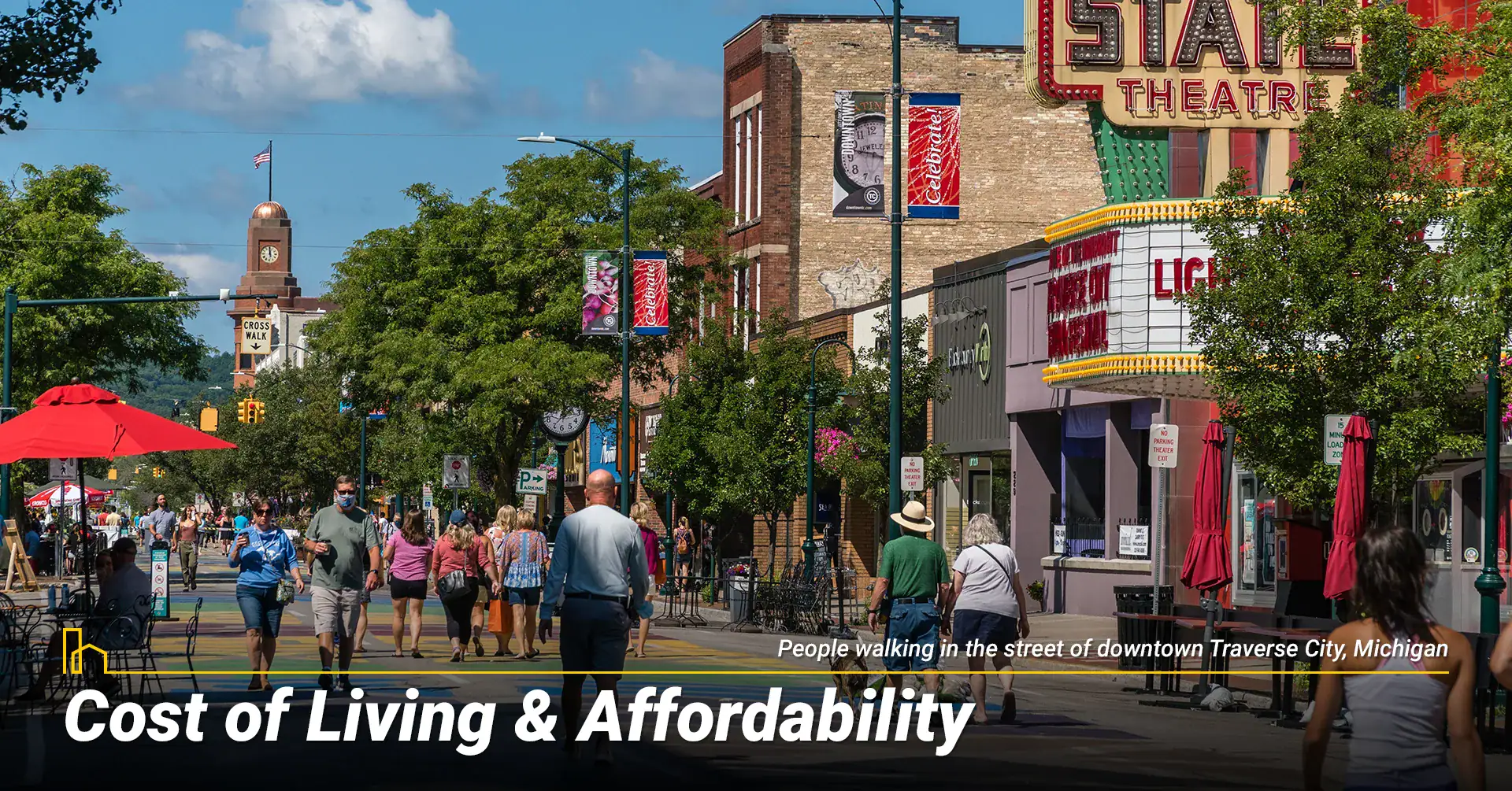
Here, affordability is a major draw. Overall expenses run 8% below the national average, primarily due to housing. While utilities can be higher in winter, groceries and transportation costs remain reasonable.
A. Housing Market
The housing market offers tremendous value. While prices have risen, they remain well below the national median. Urban revitalization in Detroit has created a dynamic market with both ultra-affordable and luxury options.
|
Housing Type |
Detroit |
Grand Rapids |
Ann Arbor |
Statewide Average |
|---|---|---|---|---|
| Median Home Price | $85,000 | $275,000 | $450,000 | $235,000 |
| 1-Bedroom Rent | $900 | $1,150 | $1,400 | $950 |
| 3-Bedroom Rent | $1,300 | $1,600 | $2,200 | $1,400 |
| Property Tax Rate | ~2.0% | ~1.4% | ~1.6% | ~1.32% (avg effective) |
B. Daily Expenses
A family’s budget stretches further in this part of the Midwest, allowing for more disposable income for recreation and savings.
|
Monthly Expense Category |
Average Cost |
|---|---|
| Utilities | $210 |
| Mobile/Internet | $150 |
| Groceries (Family of 4) | $420 |
| Gasoline | $140 |
| Public Transit Pass | $60 |

Related article
5 Most Affordable and Safe Places to Live in Michigan
Michigan offers a wealth of affordable, safe communities with distinct characteristics and amenities. From waterfront charm in Traverse City to academic vibrancy in East Lansing, these five cities demonstrate the diverse lifestyle options available throughout the Great Lakes State…
6. Jobs & Economy
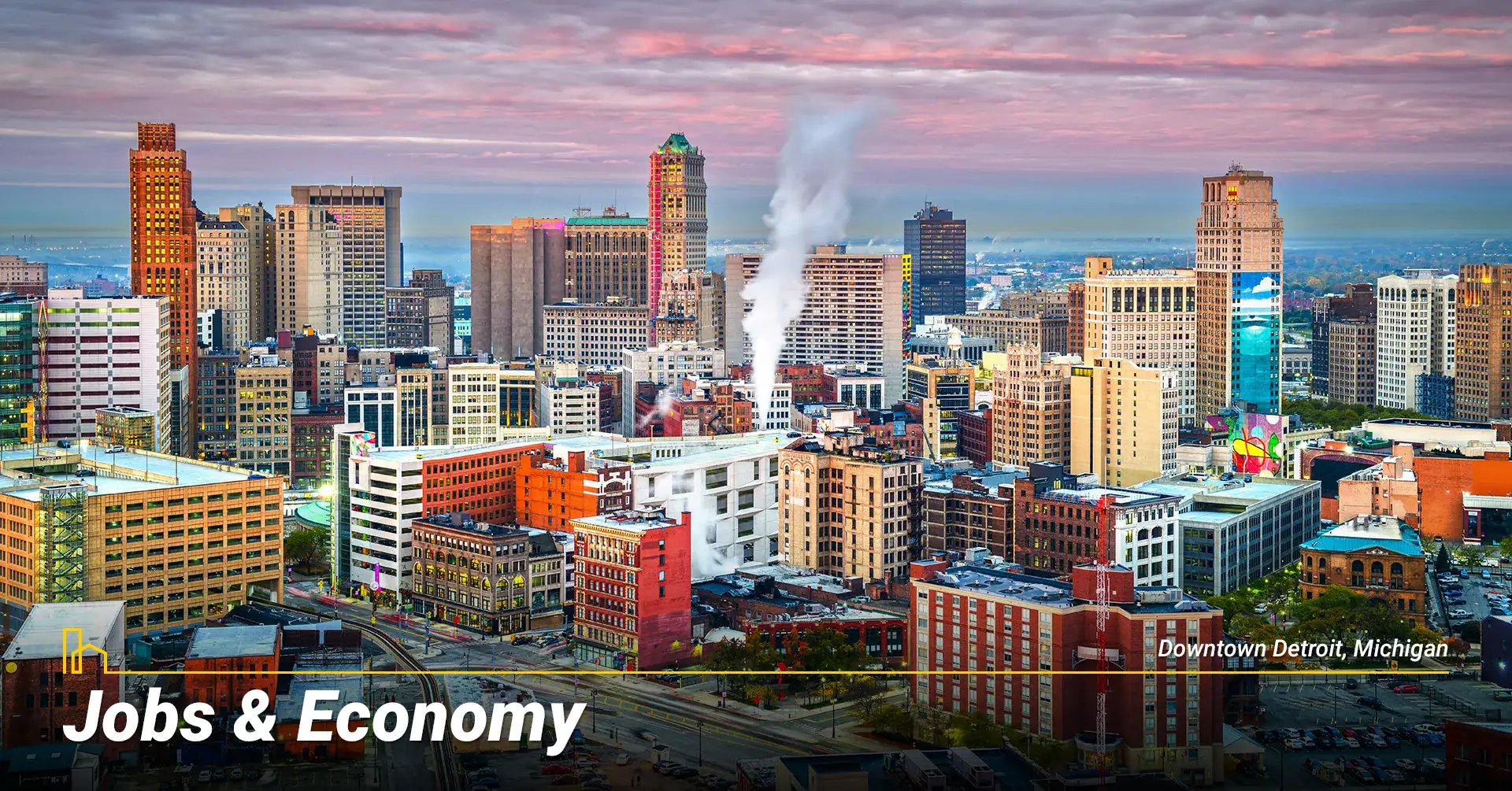
The economy is diversified beyond the “Big Three” automakers (GM, Ford, Stellantis). While remaining cornerstones, sectors including healthcare, technology, and agriculture are having their time in the sun as major employers..
- Manufacturing: Still a powerhouse, encompassing automotive, aerospace, furniture, and chemical production.
- Healthcare: Major systems like Beaumont Health, Spectrum Health, and the University of Michigan Health System provide thousands of jobs.
- Technology: Growing hubs in Ann Arbor (mobility and software) and Detroit (fintech and startups) are attracting talent.
- Agriculture: A top producer of cherries, apples, blueberries, and dairy products.
With a healthy job market,unemployment hovers around 4.5%. Wages are competitive, particularly in skilled trades and professional services. For a different perspective, you can read about the pros and cons of living in Ohio, a neighboring industrial state.
7. Education & Schools
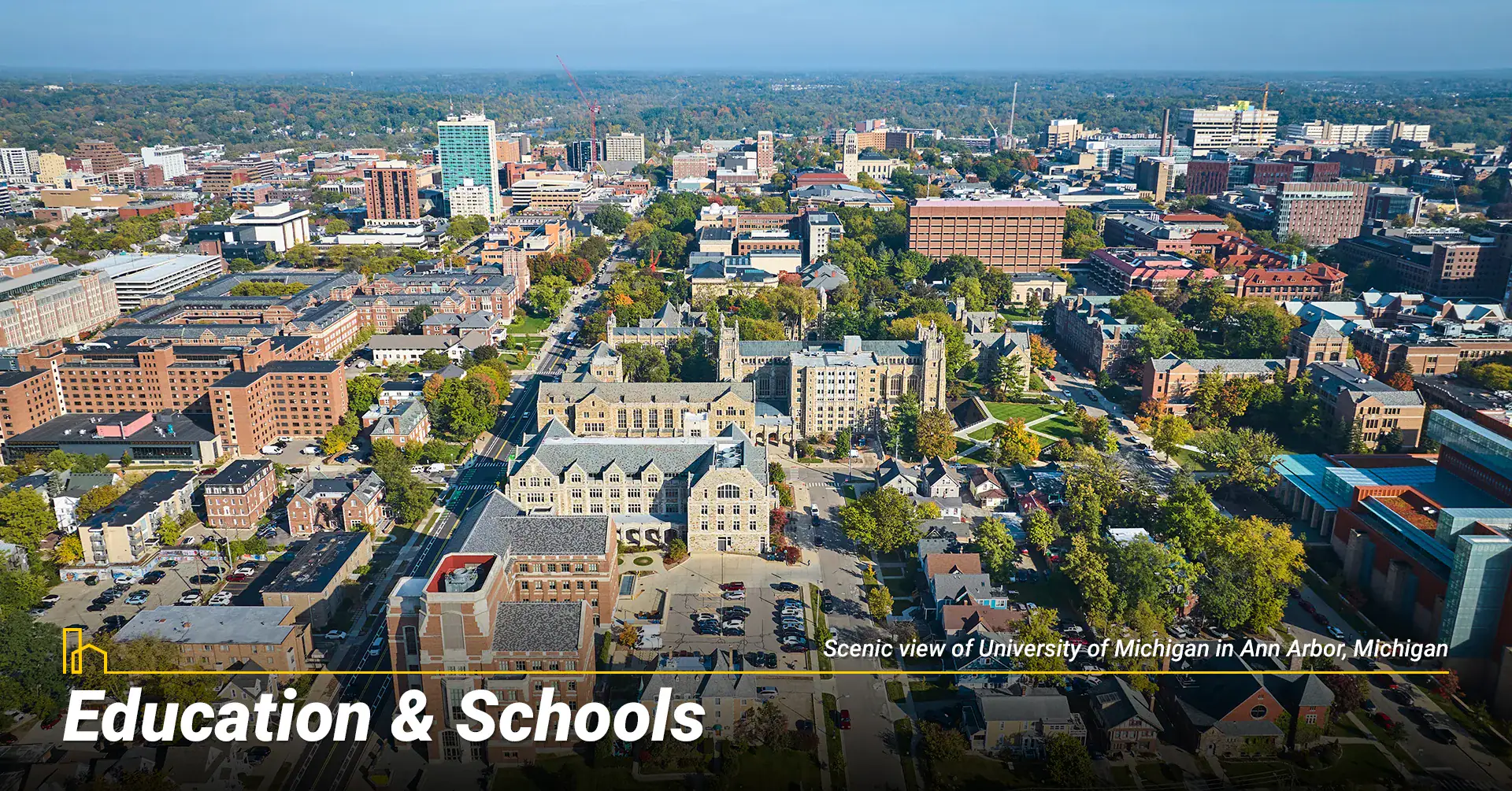
Staying committed to education, some of the nation’s top public universities call the Big M home.
- K-12: The state has over 3,000 public schools. Districts in areas like Oakland, Washtenaw, and Ottawa counties are highly ranked. There are also numerous charter and private school options.
- Higher Education: The University of Michigan (Ann Arbor) and Michigan State University (East Lansing) are world-renowned research institutions. Other top schools include Wayne State University (Detroit), Michigan Tech (Houghton) and Western Michigan University (Kalamazoo). The Michigan Achievement Scholarship has recently made college more affordable for in-state students.
- Community Colleges: A robust network of 28 community colleges offers career training and transfer programs.
Recommended for you




8. Tax Structure
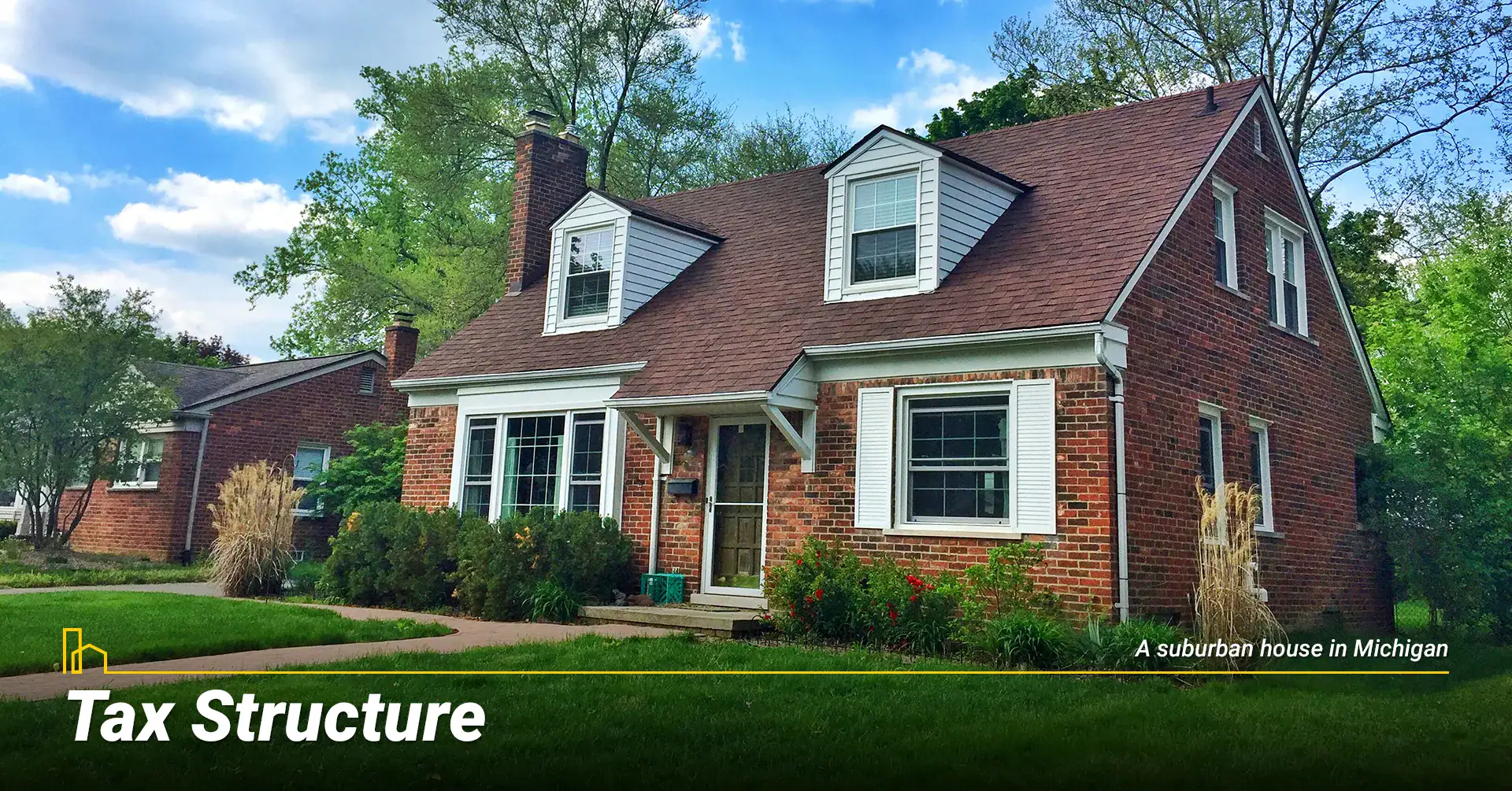
Michigan has a relatively straightforward tax system.
|
Tax Type |
Rate |
Notes |
|---|---|---|
| Income Tax | 4.25% flat rate | Applies to most income |
| Sales Tax | 6% | Does not apply to groceries or prescription drugs |
| Property Tax | ~1.32% (avg effective) | Varies significantly by municipality; homestead properties are taxed at a lower rate. |
| Vehicle Registration | Varies by vehicle value | Based on the manufacturer’s list price of your vehicle, decreasing yearly. |
9. Best Places to Live
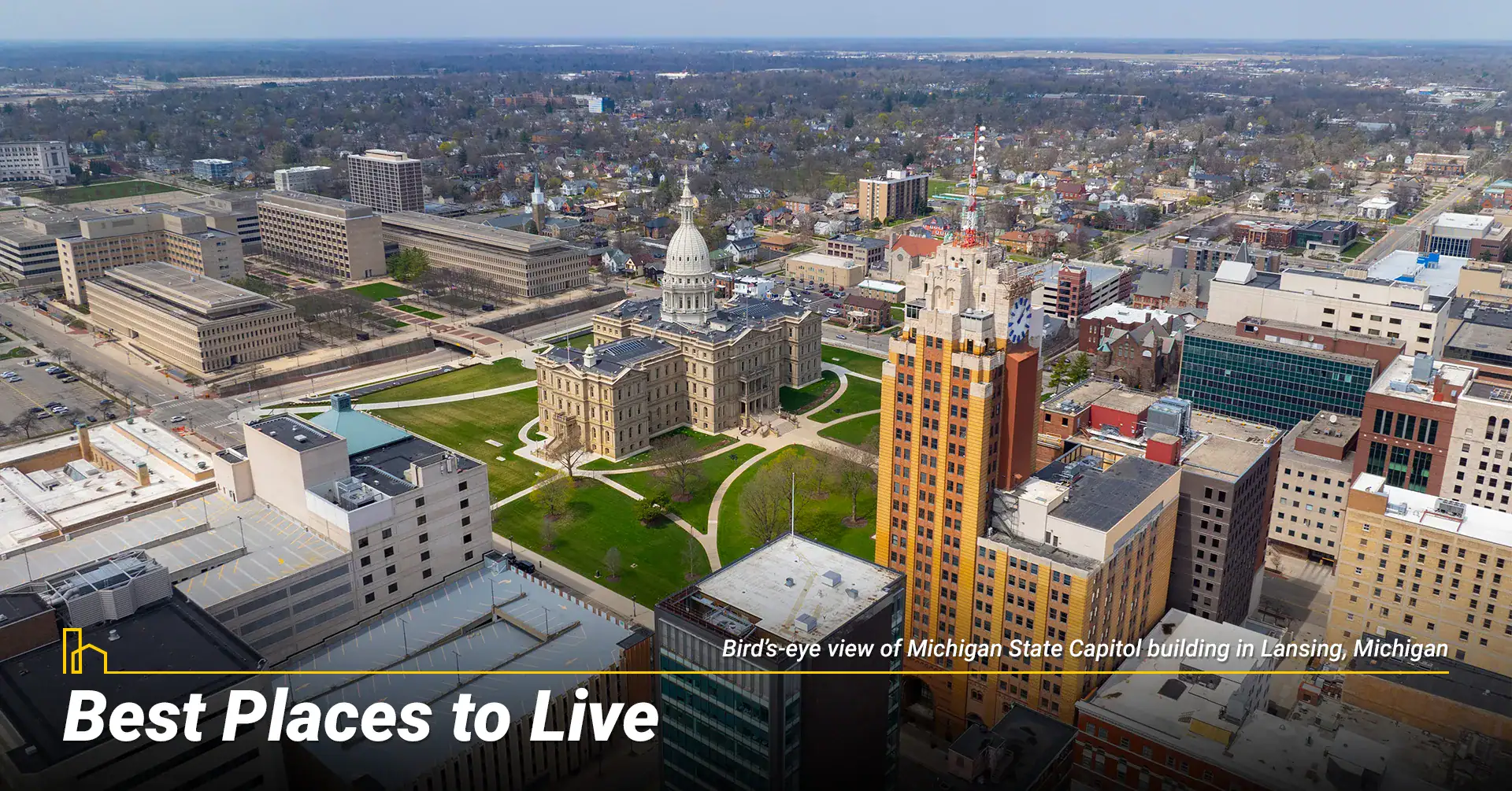
This Water Winter Wonderland offers a diverse range of communities to suit any lifestyle.
|
City |
Population |
Median Home Price |
Key Features |
|---|---|---|---|
| Ann Arbor | 124,000 | $450,000 | College town, top healthcare, vibrant downtown, excellent schools |
| Grand Rapids | 201,000 | $275,000 | Thriving beer city, strong job market, family-friendly, access to Lake Michigan |
| Detroit | 640,000 | $85,000 | Cultural hub, rapid revitalization, major sports, historic architecture |
| Traverse City | 15,000 | $375,000 | Tourist destination, wine country, stunning natural beauty, outdoor paradise |
| Lansing | 113,000 | $190,000 | Affordable capital city, home to Michigan State University, government jobs |
For a quieter pace, towns like Holland (Dutch heritage), Frankenmuth (Bavarian theme), and Marquette (UP outdoor hub) are fantastic options. You might also explore the best places in Ohio for young adults for a comparison in the region.

Related article
3 Most Affordable Neighborhoods to Live in Sterling Heights, Michigan
This article explores three of the most affordable neighborhoods in Sterling Heights, highlighting their distinctive features, amenities and overall livability for prospective residents…
10. Planning Your Move

A successful move requires a solid plan. Use this timeline to stay organized.
|
Timeline |
Essential Tasks |
Important Details |
|---|---|---|
| 8-12 Weeks Before | Research cities/neighborhoods. Create a budget. Begin job search. | Use online tools and visit if possible. Include all moving costs, deposits, and travel. Network on LinkedIn. |
| 6-8 Weeks Before | Secure housing. Hire movers. Start packing. | Schedule home inspections. Get multiple moving quotes. Label boxes by room and priority. |
| 4-6 Weeks Before | Arrange utilities. Submit change of address. Transfer medical records. Enroll kids in school. | Schedule turn-on dates. Update bank, subscription, and voter registration. Request records early. Complete school forms. |
| 2-4 Weeks Before | Confirm travel plans. Finish packing. | Double-check flight/hotel details. Pack a “first night” box with essentials. Donate unneeded items. |
| 1-2 Weeks Before | Clean old home. Prepare a moving day kit. | Do a final clean. Pack snacks, water, tools, and important documents. Verify utility activation. |
| Moving Day | Supervise loading. Do final walkthrough. | Take inventory. Check all closets and rooms. Ensure utilities are on at the new place. |
| After Arrival | Unpack basics. Get MI license. Register car. | Focus on the kitchen and bedrooms first. You must get a MI license within 30 days and register your vehicle within 15 days. |
=> Get the Relocation Guide & Checklist PDF — prepared for both Desktop and Mobile devices.
11. Transportation
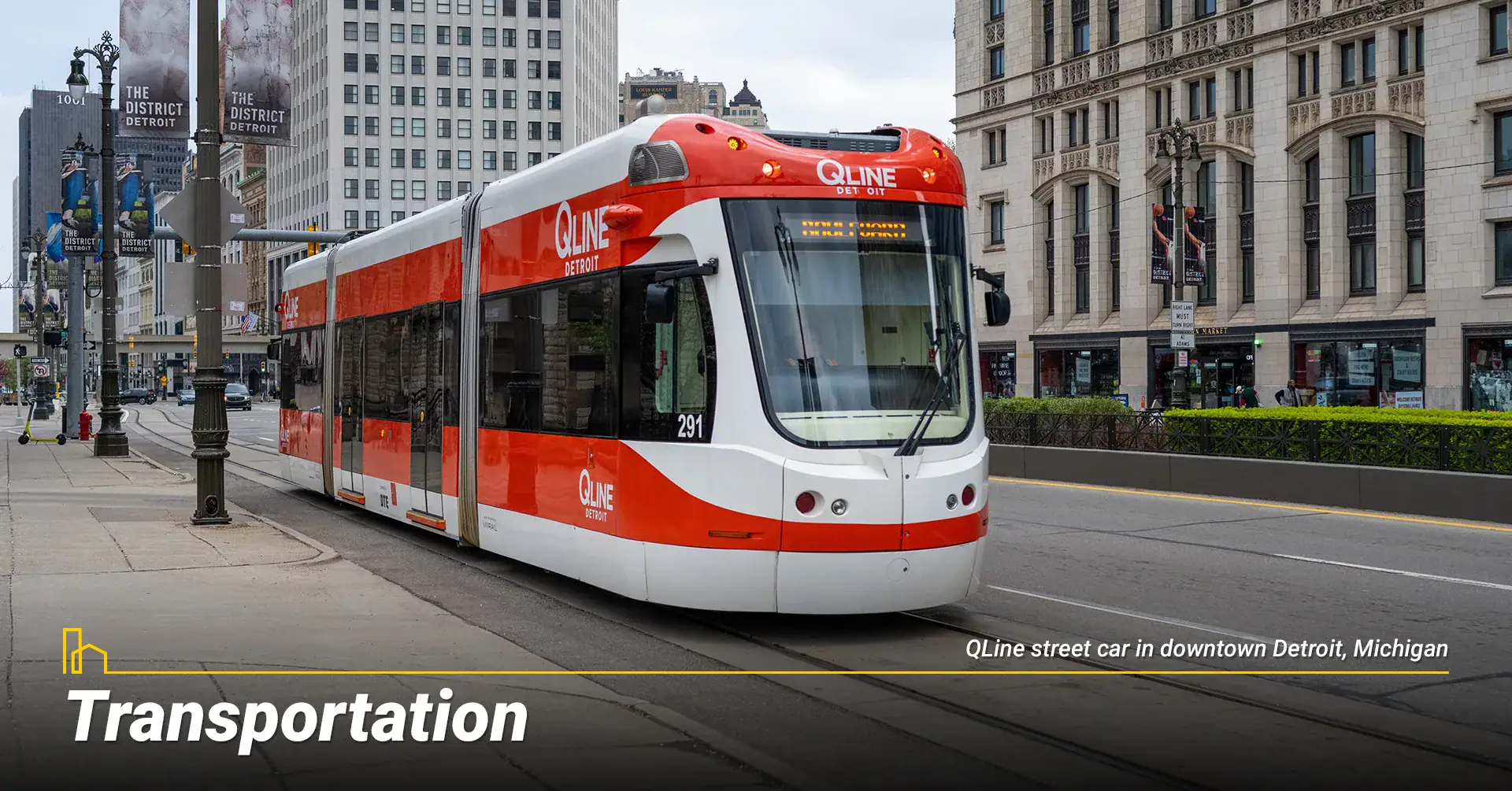
Residents will be the first to say this is a car-dependent state. Major interstates (I-75, I-94, I-96, I-69) connect to the metropolis. Commute times are reasonable (avg. 25 minutes), but metro Detroit traffic is heavy. Public transit exists in larger cities (Detroit’s QLine streetcar and DDOT buses, Grand Rapids’ The Rapid) but is limited in rural areas. Major airports include Detroit Metropolitan (DTW), Gerald R. Ford International (GRR), and Cherry Capital (TVC). Amtrak provides rail service to Chicago and Port Huron.

Related article
3 Most Affordable and Safe Neighborhoods to Live in Detroit, Michigan
Detroit’s metropolitan area offers diverse options for those seeking affordability without compromising safety. New Center stands out with its rich history and vibrant community, while Bagley offers historic charm with strong community ties. Rivertown demonstrates Detroit’s urban renewal with waterfront living and downtown access…
12. Legal Requirements & Paperwork

New residents have 30 days to obtain a Michigan driver’s license or state ID and 15 days to register their vehicles and title with the Secretary of State. Proof of identity, Social Security number, Michigan residency, and proof of auto insurance are required. Don’t forget to register to vote. Update your address with all financial institutions and service providers.
13. Financial Planning

Create a moving budget that includes all potential expenses. Aim to keep your housing costs below 30% of your income. Build an emergency fund to cover 3-6 months of expenses, especially given the seasonal nature of some work. If buying a home, research down payment assistance programs and get pre-approved for a mortgage.
Related article
25 Best Things to Do in Grand Haven, Michigan
Families are drawn to Grand Haven for many reasons: it’s a safe city with affordable housing, low crime and good schools. Whether your family is visiting the area or settling down for good, Grand Haven has a lot of things to do that are fun for both adults and children…
14. Insider Tips from Locals
- Master the Seasons: Invest in a durable winter coat, boots, and an ice scraper for your car. Embrace winter activities—it makes the season enjoyable.
- Explore the Coasts: Don’t stay based in one place.An “Up North” trip is a summer ritual for a reason. Explore both the LP and UP shorelines.
- Learn the Highways: “The Lodge” (M-10), “The Jeffries” (I-96), and “Southfield” (M-39) are all key Detroit-area freeways.
- Get an EZ-Pass: For tolls on the Mackinac Bridge and if planning to travel to other states, an EZ-Pass is convenient.
- Be a Sports Fan: Even if you’re not, understanding the rivalries (Wolverines vs. Spartans, Red Wings vs. Blackhawks) is key to social bonding.
Conclusion: Moving to Michigan offers a unique opportunity to enjoy a high quality of life surrounded by natural beauty, all at an affordable price. Whether you’re drawn by the cultural energy of Detroit, Ann Arbor’s innovative spirit, Grand Rapids’ friendly charm, or the serene landscapes of the north, a welcoming community and a lifestyle that balances work and play awaits. With careful planning and an open mind, your relocation to the Great Lakes State can be the start of a wonderfully fulfilling new chapter.
Recommended for you




FAQs About Moving to Michigan:
1. Is Michigan a good state to move to?
Yes, for those who value affordability, four distinct seasons, outdoor recreation, and a defined sense of community. It’s particularly attractive for families and professionals in engineering, healthcare, and tech.
2. What are the biggest pros and cons of living in Michigan?
Pros: Low cost of living, natural beauty, abundant fresh water, four-season climate, sports and culture.
Cons: Harsh winters, high auto insurance rates, and economic volatility in some regions.
3. What salary do you need to live comfortably in Michigan?
A single person can live comfortably on $50,000-$55,000 annually. Families of four would need approximately $80,000-$90,000 to comfortably cover housing, food, transportation, and leisure..
4. Are Michigan winters unbearable?
They are challenging but manageable for those prepared with the right clothing and attitude. The snow and cold also enable unique winter sports and activities. The beauty of winter here can be stunning.
5. What is there to do in Michigan?
Possibilities are vast: exploring Great Lakes beaches, touring wineries, visiting world-class museums, attending major league sports games, hiking and camping in state parks, and enjoying the vibrant restaurant and brewery scenes in its cities.
6. Is Michigan a tax-friendly state?
It’s moderately tax-friendly. It has a flat income tax and average sales tax, but property taxes and vehicle registration fees can be relatively high. Overall, the tax burden is lower than in many coastal states.
7. How long does it take to become a Michigan resident?
You are considered a resident once you establish a domicile (a permanent home) in Michigan. Key steps like getting a driver’s license and registering your vehicle must be completed within 30 days of moving.

Related Content