



8 Key Steps to Buy a Mobile Home in Texas
- Local Editor:Local Editor: The HOMEiA Team
- Category: Buy House , Real Estate Investing
Share


Texas is a popular place to own a mobile home—and to manufacture them! If mobile home life is for you, you’ll have to do some research before you buy. Talk to people who own different manufactured homes. Think about your budget and if a manufactured home is compatible with your lifestyle.
Research the regulations your home will have to meet, find authorized dealers who sell in your area, learn more about various manufacturers and their products, and think about how the weather will affect your home. Find financing and insurance and finally purchase your home. Once you have a lot prepared, you can have your home delivered and move on in.
We’ll help you learn the ins and outs of buying a mobile home in Texas so you’ll have a new place to hang your hat in no time.
But first, is it “mobile home” or “manufactured home”? It’s both, in common use, but technically the term “mobile home” is out of date. Since 1976 the Department of Housing and Urban Development has regulated factory-built homes, and homes built under that code are properly called “manufactured homes.”
Here are 8 Key Steps for buying a mobile home in Texas.
Table of Contents:
- 1. Get to Know Some Texans Living in Manufactured Homes
- 2. Think About Your Money and Your Lifestyle
- 3. Learn about Rules and Regulations
- 4. Locate Nearby Sellers
- 5. Evaluate Manufacturers and their Products
- 6. Think About Texas Weather
- 7. Finance, Insure and Sign on the Line
- 8. Bring Your House Home
- Conclusion
- FAQs About Buying a Mobile Home in Texas
1. Get to Know Some Texans Living in Manufactured Homes

Since talking to current owners will give you unparalleled insight into the lifestyle and the Pros and Cons, make sure it’s at the top of your to-do list.
It shouldn’t be too hard to find people to talk to; in fact, after detached homes, manufactured homes constitute the largest segment of the housing market in Texas.
For many Texas residents, the value of a manufactured home is a good match for the price, and it gives them the lifestyle they need.
In Texas, manufactured homes are even more popular than they are in the United States in general. They make up 7.3% of all housing units. (In the U.S. as a whole, that number is about 6.1%).
Home Mortgage Disclosure Act data shows that in the state of Texas, more people financed manufactured homes in 2018 than in any other state, well ahead of Florida and California. Those sales appear to be distributed across the state, as no individual county in Texas ranked in the top 15.
As more people move to Texas, the number of manufactured homes grows, too. There are 11.3% more manufactured homes in Texas today than there were in 2005.
While some manufactured homes are sited on private property, many are clustered in mobile home parks (also called manufactured home communities) where many owners share common amenities. Texas has about 2,565 of these mobile home parks (source: mhvillage.com). Some are all-age communities, open to the general public, while others target the 55+ retiree population.


Related article
The 10 Cheapest Places to Live in Texas (updated)
They say everything is bigger in Texas, and for good reason. From some of America’s largest and active metropolitan cities to the host of recreational activities for people of all ages across the state to the many bigger-than-life personalities who call Texas home, Texas has plenty to offer for everyone. here’s the list of 10 lowest cost of living places…
2. Think About Your Money and Your Lifestyle

If you’re considering a manufactured home in Texas for your next dwelling, you are probably prioritizing one or both of these factors: cost savings and lifestyle.
It’s common knowledge that manufactured homes tend to cost less than site-built homes; while it’s not the only selling point, it’s probably the biggest. But where do the savings come from?
Overall, it is the efficiency of building indoors in a central location, using uniform building practices, that makes the homes less expensive.
For example, the weather is less of a factor indoors; it typically doesn’t impact work, and materials are protected from damage.
There is also an economy of scale; supplies can be kept on hand in bulk, since they all are needed at the same place and unused materials can be used on the next build. And the builders themselves are skilled at their particular tasks thanks to the consistency of the work.
Since it’s more efficient to build a constant stream of structures in an indoor factory, you pay less for the home. The average manufactured home in the South cost $84,213 in 2020, according to the Manufactured Housing Survey. The median home value in Texas overall, by contrast, is about $200,400.
Many Texans also simply prefer the manufactured home lifestyle, since the homes tend to be easier to clean and maintain, and many enjoy the amenities and community involvement that come with life in a manufactured home community.
If these benefits appeal to you, too, and if your budget is incompatible with a site-built home, it may be a great choice for you to buy a mobile home in Texas.

Related article
3 Most Affordable and Safe Neighborhoods to Live in San Antonio, Texas
With an advantageous tax structure, a low cost of living, and a warm, diversified climate, San Antonio blends financial attractiveness and cultural life, making it a dynamic and cheap Texas destination…
3. Learn about Rules and Regulations
In Texas, manufactured homes are subject to a number of laws and regulations. The manufacture, sale, and setup of manufactured homes are all regulated in some way.
These laws, which are largely part of the Texas Manufactured Housing Standards Act, are administered by the Texas Department of Housing and Community Affairs (TDHCA) and its Manufactured Housing Division. The division also acts as the state supervisory agent for the Department of Housing and Urban Development (HUD).
Laws and regulations fall into two categories: before you move into your home and after you’ve taken occupancy.
The Standards Act calls for monitoring the production of homes manufactured in or shipped to Texas, as well as monitoring licensed manufactured home retailers.
Additionally, the division must maintain records regarding ownership, conduct training and issue licenses for the industry, inspect installations, issue state seals, and handle consumer complaints under the act.
The goal of these regulations and their enforcement is to provide safe, well-built and properly installed housing for the people of Texas.
Recommended for you
4. Locate Nearby Sellers

It’s best to visit several sellers before you make a decision on your new mobile home. Or, if you are shopping for an existing home, it’s a good idea to tour several. Seeing a variety of options will help you understand what you need and what you can get in your price range.
Like a car dealership, a manufactured home dealership will have a lot with a variety of models to show you. Some dealers are independent and may sell more than one brand of home, while others are factory dealers who only sell product lines from a particular manufacturer.
Manufactured homes can be customized in many ways, but every change affects the bottom line. Be sure to ask lots of questions about what is included and what isn’t as you tour top-of-the-line models.
For the most part, you’ll see examples of what you can buy; however, the dealer may have some ready-made homes for sale, allowing you to see exactly what you’re going to get.
If you’re interested in living in a community, ask whether they have units available to buy already set up in their park. You may find that what you’re looking for is already there.
The occupational licensing program for manufactured home dealers and salespeople in Texas is overseen by the Texas Department of Housing and Community Affairs’ Manufactured Housing Division. This division works to ensure that people working in the industry pass appropriate checks and have the education they need.
Related article
21 Affordable Things to Do in Midland, Texas
Midland offers many fun and affordable attractions for its residents. We took a closer look at these activities and put together a list of 21 popular, affordable things to do in Midland, Texas…
5. Evaluate Manufacturers and their Products
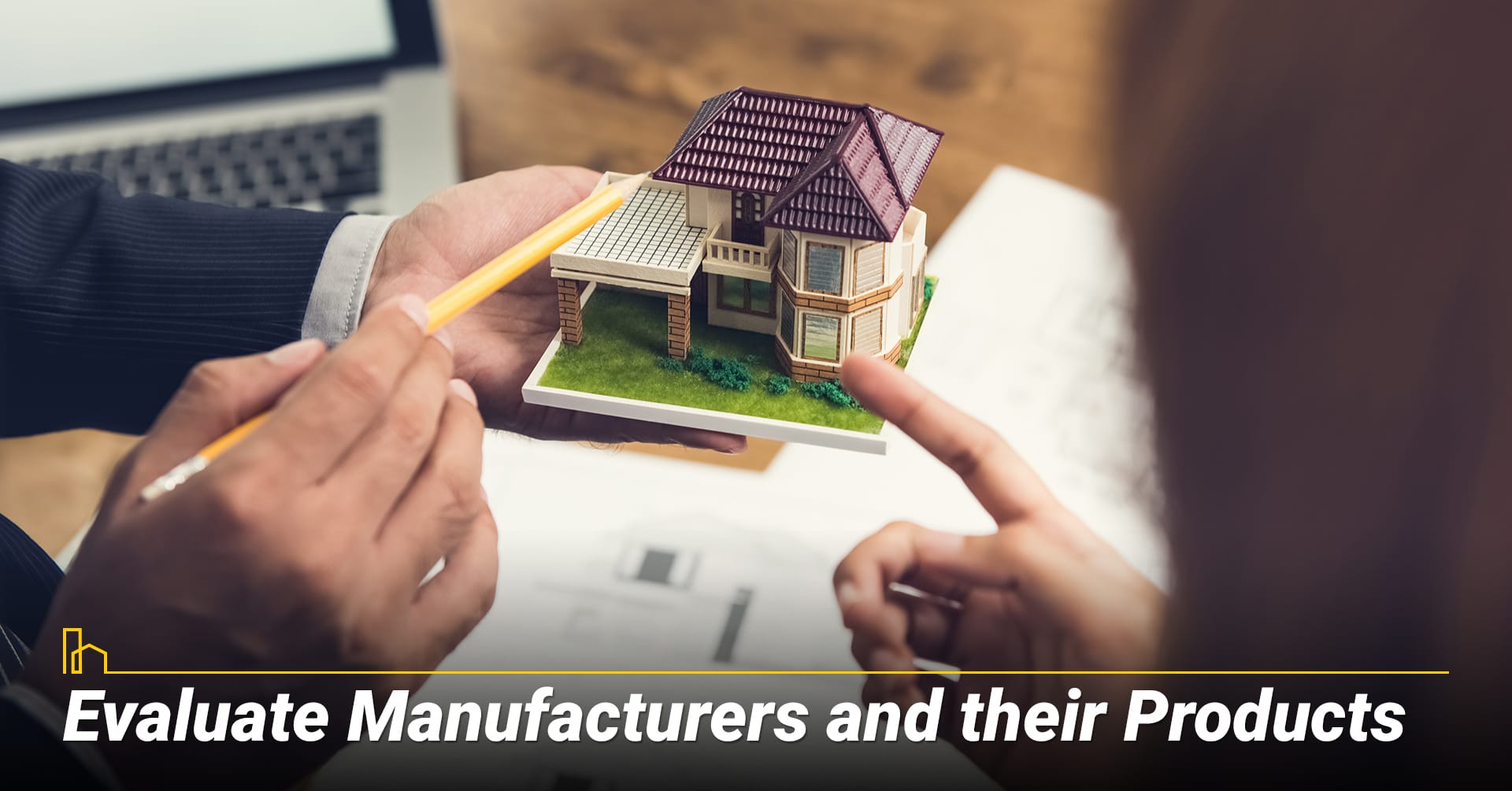
Your tours will give you a taste of the homes that are out there; then you’ll be set to do some deeper research into your favorite manufacturers and their lines of homes.
Since all builders adhere to the HUD code, all new homes should have a baseline level of quality and safety. Still, there are plenty of differences in terms of layout, quality versus price, style, customer service, and warranties.
There are plenty of options for manufacturers who sell in Texas. Here are some companies that serve the state:
- a) Athens Park Homes
- b) Buccaneer Homes
- c) Cappaert Homes
- d) Cavalier Home Builders (Clayton)
- e) Cavco Homes
- f) Atlantic Homes (Champion)
- g) Redman Homes (Champion)
- h) Clayton Homes
- i) Deer Valley Homes
- j) Fleetwood Homes (Cavco)
- k) Franklin Homes (C3 Design, Inc.)
- l) Karsten Company, Inc.
- m) Legacy Housing
- n) Lexington Homes, Inc. (Cavco)
- o) Oak Creek Homes (American Homestar Corp.)
- p) Oakwood Homes
- q) Palm Harbor Homes (Cavco)
- r) Platinum Homes, LLC
- s) Redman Homes (Champion)
- t) Skyline Corporation
- u) Solitaire Homes, Inc.
- v) Southern Energy Homes, Inc. (Clayton)
- w) Sunshine Homes, Inc.

Related article
15 Best Cities for Families in Texas
There are many employment opportunities throughout the state and many enjoyable communities to call home. We’ve compiled a list of 15 cities that rank high in education, affordability, and safety—areas of interest for many potential homeowners…
6. Think About Texas Weather

Keep in mind as you shop that your home will have to stand up to the particular weather and environmental conditions where you live, whether that’s heat, wind, tornadoes, or hurricanes. You’ll need a protective exterior and well-constructed and attached walls and roof.
Since Texas heat can be intense, your home is vulnerable to sweltering air, especially given the ratio of exterior walls to the interior of your home. That means one thing: air conditioning.
Look for an Energy Star option package, available from many retailers, if you want to save money on your energy bill and have less of an impact. A well-insulated, well-sealed home will help it stand up to the elements.
Proper installation is critical to a home’s effectiveness. To make sure yours can withstand Texas weather, ensure that you have a licensed and experienced installation team with a good reputation in the area. If you have questions about particular weather events, ask your sales representative or your installation crew.
Recommended for you

7. Finance, Insure and Sign on the Line

The next step in buying your mobile home, once you’ve decided which home you want, is to figure out how to pay for it. Once option is to pay cash for the home—but that’s not practical for most buyers. Instead, you’ll probably need to take out a loan.
In some cases, you may qualify for a mortgage, especially if you’re buying land along with the home rather than renting a lot. For other buyers, though, a chattel loan is the way to go. This type of loan tends to have slightly higher interest rates, but it is available to more buyers and may require less money down.
Home Mortgage Disclosure Act data shows how many manufactured homes were financed through land/home loans and how many were financed with chattel loans. In 2018, almost 65% of loans for manufactured homes in Texas were Land/Home loans, while just over 35% were chattel loans.
Another thing to arrange—and it may be required by your lender, even though it’s not required by the state—is insurance. It is the best way to protect your financial investment, because it will cover the cost to repair or replace your home in the event that it suffers sufficient damage.
If you’ve got the money and the insurance lined up, you’re now ready to sign the contract and buy your manufactured home.
Related article
12 Key Factors to Know About Living in Houston
Houston, Texas is a vibrant city with much to offer. U.S. News & World Report ranks Houston #30 in its Best Places to Live assessment and #26 in Best Places to Retire. There’s much to love about this southern city, nicknamed Space City in the days of the NASA Manned Spacecraft Center…
8. Bring Your House Home
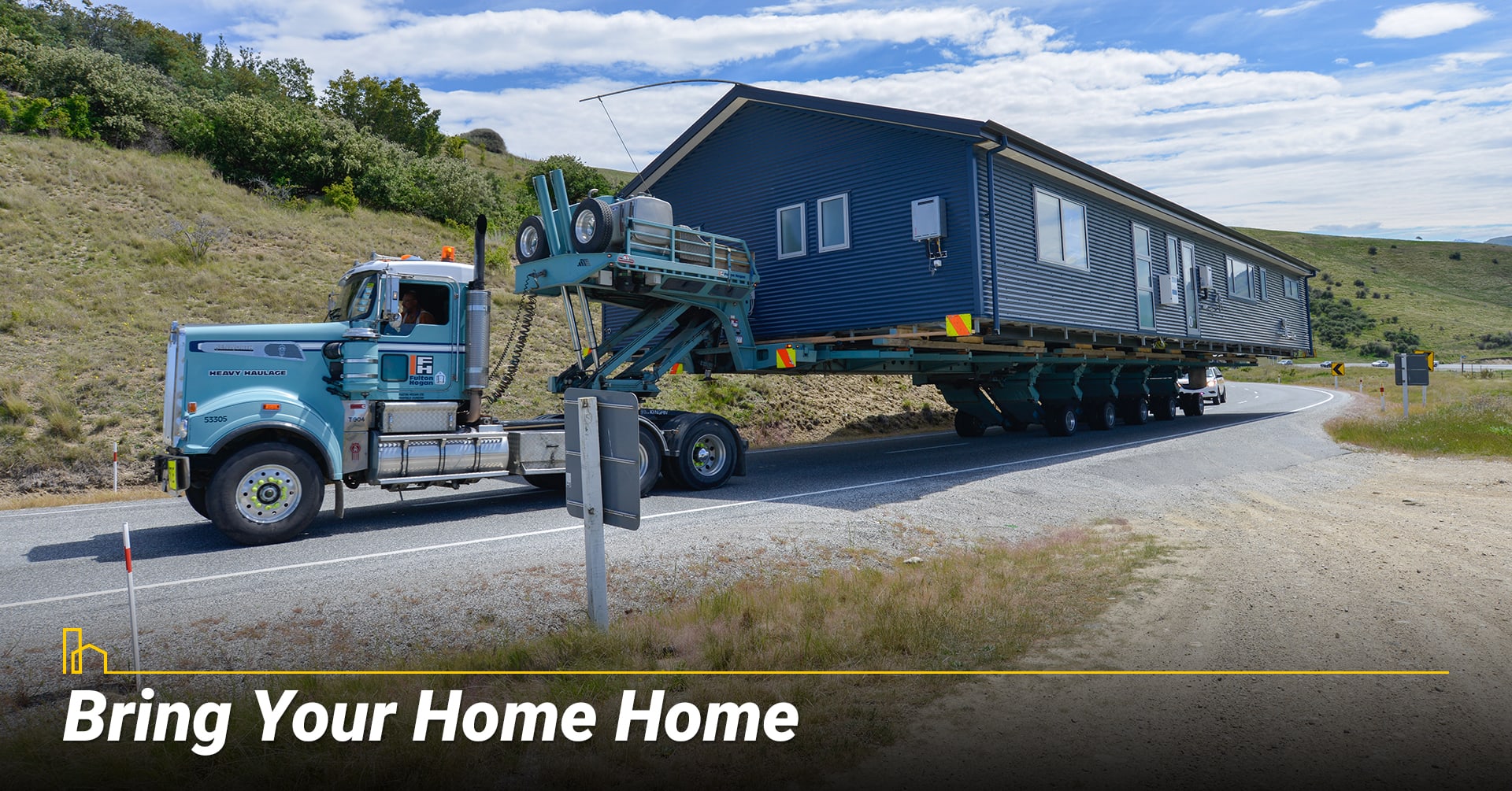
Your home needs a place to live. You’ll either buy land to place it on (if you haven’t already), or you’ll lease a lot. Either way, you’ll need to make sure all the prep work is done before you take delivery of your brand-new home.
In most cases, you should have your new home within roughly two to three months after you’ve begun the process. Enjoy seeing your home delivered and installed at its new location. You’ll do a final walk-through before you get the keys. Then you’ll be the proud owner of your own new Texas manufactured home!
Conclusion
While purchasing a manufactured home in Texas is unique in some ways, for the most part the process is the same as it is across the United States. If you’re looking for more detailed information about the process of preparing and purchasing a home, check out 10 Key Things to Know Before Buying a Manufactured Home and Important Things to Know When Buying A House in Texas.
The Lone Star State is waiting for you to join the ranks of happy manufactured homeowners.

Related article
5 Best Small Towns to Live in Texas (Updated 2026)
Texas small towns attract families seeking charm, opportunity, and community. Our helpful guide highlights Fredericksburg, Dripping Springs, Boerne, Wimberley, and Brenham, sharing key facts on housing, schools, and culture to help you find the perfect place for a cozy, fulfilling Texas lifestyle and informed relocation choice…
FAQs About Buying a Mobile Home in Texas
- How do I choose between a mobile home park and placing a home on private land?
Living in a park usually entails lower upfront land costs, built-in utilities, and shared amenities such as pools, playgrounds, or community centers. In exchange, you pay ongoing lot rent and agree to park rules regarding pets, parking, exterior changes, and sometimes age or home-condition standards. Placing a home on land you own (or family land) offers long-term control, potential equity growth, and freedom to add garages, porches, or sheds, subject to local zoning. However, you must budget for land acquisition, site prep, septic or sewer, utilities, and sometimes stricter installation requirements, which can raise initial costs. - What are the most important Texas-specific rules and titles I need to understand?
In Texas, most manufactured homes are regulated by state agencies licensing retailers and installers, set installation standards, and maintain records of home ownership and titles. New homes must meet federal HUD code standards and be installed by licensed professionals; skipping a licensed installer can jeopardize your warranty and legal protections. For financing, it matters whether the home is titled as personal property (like a vehicle) or as real property attached to land, since that classification affects loan options and how liens are recorded. If planning to qualify for a traditional mortgage, you’ll typically need the home permanently affixed to a foundation, located on owned land, and converted to real property through the proper title procedures. - What financing options do Texas buyers have beyond paying cash?
You can often choose between chattel loans, traditional mortgages, and government-backed products, depending on whether you own land and how it’s titled. Chattel loans finance the home as personal property on owned or leased land, usually with shorter terms and higher interest rates but more flexible property requirements. If this is permanently installed on land you own and treated as real property, you may qualify for conventional, FHA, VA, or USDA loans, which typically offer longer terms and lower rates but stricter credit, appraisal, and installation standards. Whichever route you pursue, lenders will review your credit score, income stability, down payment, and the home’s age and condition. - What should I look for when comparing Texas mobile home dealers and manufacturers?
In addition to price and floor plan, check whether dealers are properly licensed, have a clear complaint history, and provide detailed written estimates separating home cost, delivery, installation, and optional features. Reputable dealers explain which manufacturer built the home, what construction standards are used, and ratings for wind, energy efficiency, and Texas weather conditions including heat, hail, and storms. Ask to see models similar to what you’ll receive, including examples of trim quality, cabinet construction, insulation, and window types, rather than relying only on brochures or staged show models. Finally, compare warranties on structure, systems, and appliances, and clarify who handles service calls if problems appear after move-in—the factory, the dealer, or third-party contractors. - How does Texas weather affect how I should plan, place, and insure my mobile home?
Famed Texas weather encompasses extreme heat, wind, hail, and in some regions hurricanes or tornadoes, so siting and installation are crucial. You’ll want proper tie-downs or anchoring systems, well-designed skirting, and site grading that directs water away from the home to reduce moisture and storm risks. In coastal or high-wind areas, it is vital to ask about wind-zone ratings, roof materials, and impact-resistant features when choosing a model. Insurance should be tailored to manufactured housing and local hazards; policies may differ from standard homeowners insurance and can require specific installation documentation or upgrades. - What extra costs and ongoing fees do buyers often overlook?
Beyond the purchase price, many underestimate site preparation, including clearing, grading, utility hookups, driveway construction, and any needed septic or well work. Park residents should factor in lot rent, community fees, and possible increases over time, while landowners must budget for property taxes, maintenance, and any HOA or road-maintenance dues. Closing costs, permit fees, and installation inspections can also add up, especially when converting a home and land to real property for mortgage financing. Long-term, set aside funds for roof replacement, skirting repairs, HVAC upgrades, and potential relocation or re-leveling if it ever needs to be moved or adjusted. - How can first-time Texas buyers protect themselves from costly mistakes?
Begin by working only with licensed retailers and installers, and keep copies of all contracts, disclosures, serial numbers, and installation records in a safe place. Never skip inspections, both of the home itself and, when applicable, the land or park site, so you can identify hidden issues with foundations, utilities, drainage, or previous moves. Take time to understand financing documents, including interest rate, term, prepayment penalties, and what happens if you sell or move the home. Finally, contact local planning and zoning offices before committing, to confirm that your intended use, home type, and any future additions or outbuildings comply with local rules. Doing so can prevent expensive surprises and delays.


Related Content