







6 Tips for Pet-Friendly Curtains
- Local Editor:Local Editor: Zana Dodig
- Category: Home Maintenance , Home Improvement


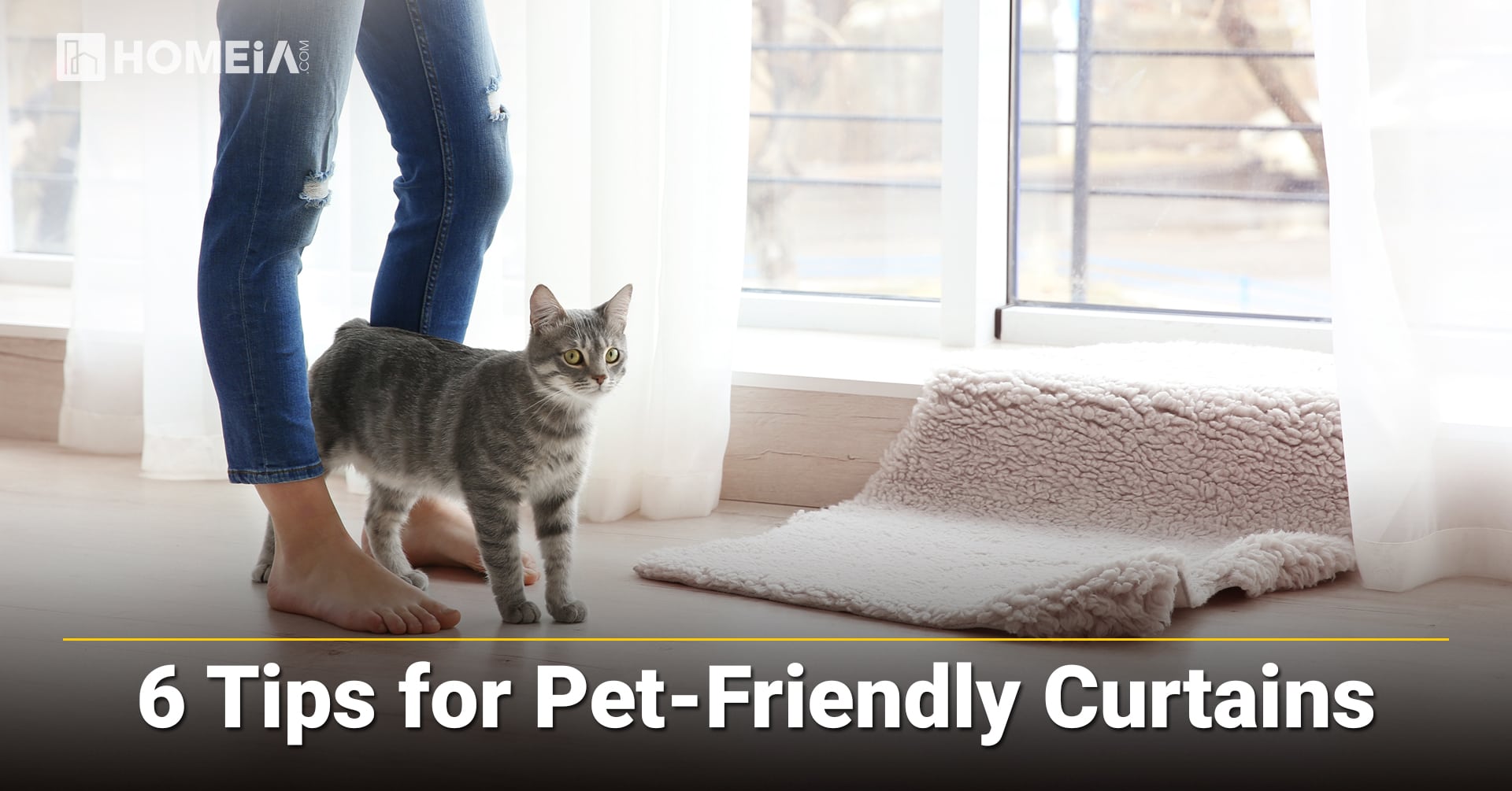
As great as living with a pet is, there are certain décor adjustments that you need to make to preserve your interior. One of those things is curtains. Once you see a kitten climbing on your beloved curtains, you’ll know it’s time to find a better solution and protect the window treatments as much as possible.
Safety is important, too. Just as you’re careful with the greenery you have in the house, you also need to choose your curtains wisely. You don’t want your furry friend to get injured while playing and climbing.
When it comes to the safety of your pets and the appearance of your curtains, you should think about curtain length, color, material, print, and more.
Below, you’ll find six tips that you should consider when buying pet-friendly curtains.
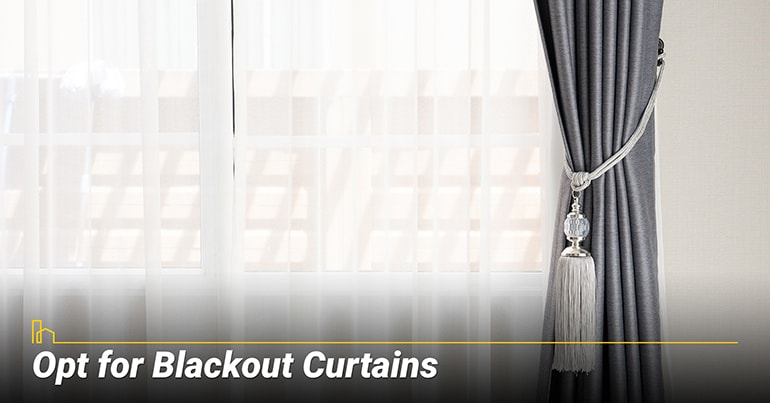
1. Opt for Blackout Curtains
Blackout curtains are very popular right now, so it’s a good thing they’re a suitable choice for pet owners. They come in many colors, prints, and lengths, so you’ll have a lot to choose from.
One of the reasons why these curtains are perfect if you own pets is the material thickness. These blackout styles feature a high thickness, meaning that your cats and dogs won’t be able to get their claws into the drapes as easily. Once they see that these coverings are not an exciting toy, they’ll give up.
To get the most out of blackout window treatments, you could opt for floor length. But if your pet keeps trying to put its claws on the material, you can always make the curtains shorter. If you’ve never had blackout curtains before, it’s good to know that, while they’re the best choice for your bedroom, they’re also suitable for all the other rooms in your home.


Related article
10 Most Affordable Places to Live in Florida: Discovering Florida’s Hidden Gems
Florida, known for its sunny beaches, vibrant culture and diverse communities, is a dream destination for many. But living in this paradise doesn’t have to break the bank. In this article, we’ll explore some of the most affordable places in Florida that offer a great quality of life without the hefty price tag…
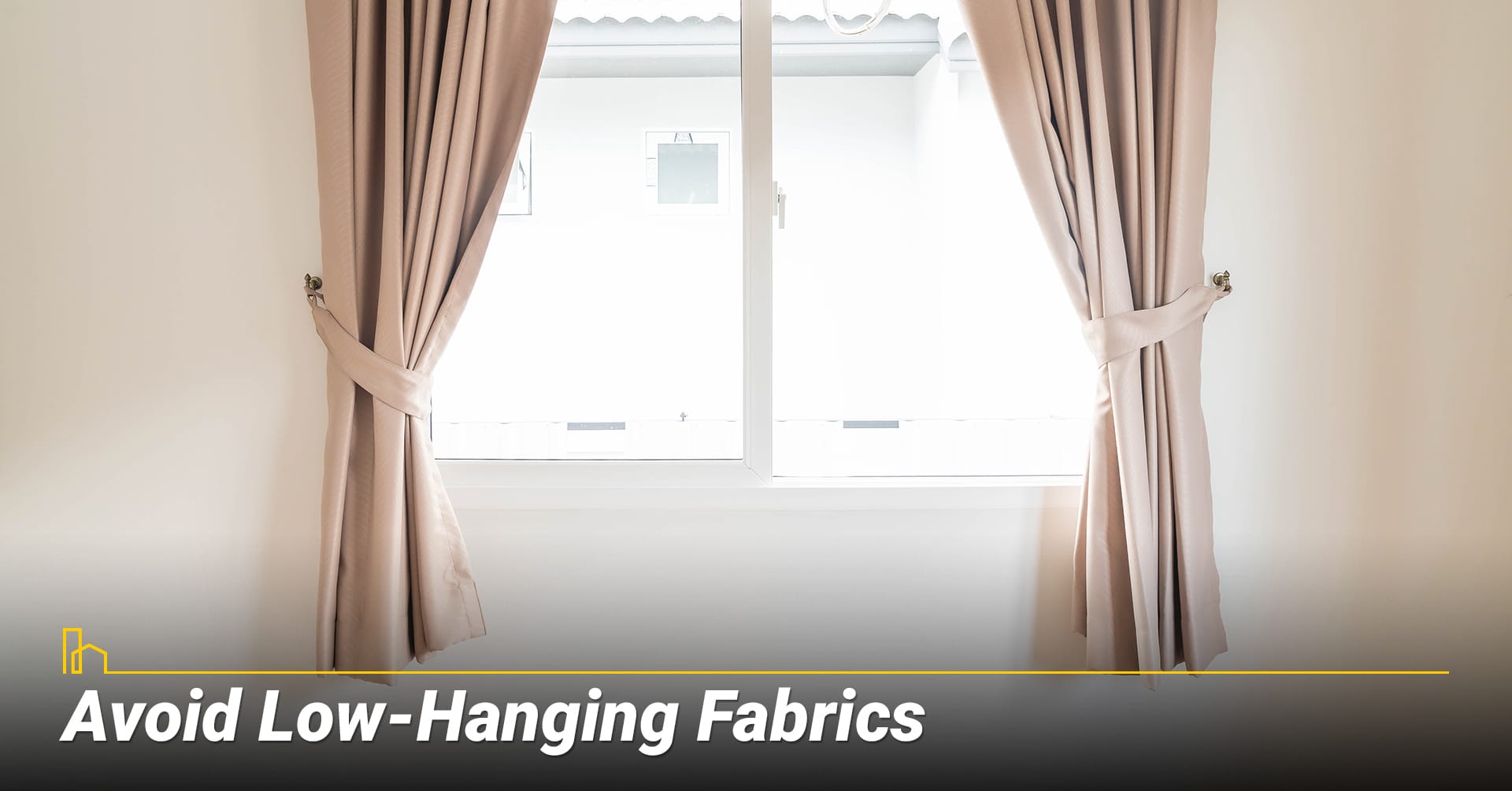
2. Avoid Low-Hanging Fabrics
Low-hanging fabrics are your pet’s favorite toy. We’re so sorry to let you know that you might have to get rid of those gorgeous, flowing curtains you love so much. Cats–especially kittens—love climbing on curtains, and you’ll be so hurt to see the curtains being tortured like that.
Low-hanging materials also make it easier for your pet to get tangled, causing even more damage than climbing. These things considered, your smartest choice is to get rid of low-hanging curtains and drapes from all over the house. If you need extra privacy after going short, you can install blinds on the windows.

Related article
12 Best Cities to Live in Arizona for Families
We took 4 main variables into consideration to determine the best places in Arizona to raise a family. The variables are quality of education, health care, personal safety, and recreational opportunities. Here you’ll find our list, along with the highlights that make each Arizona locale a special place to raise a family…
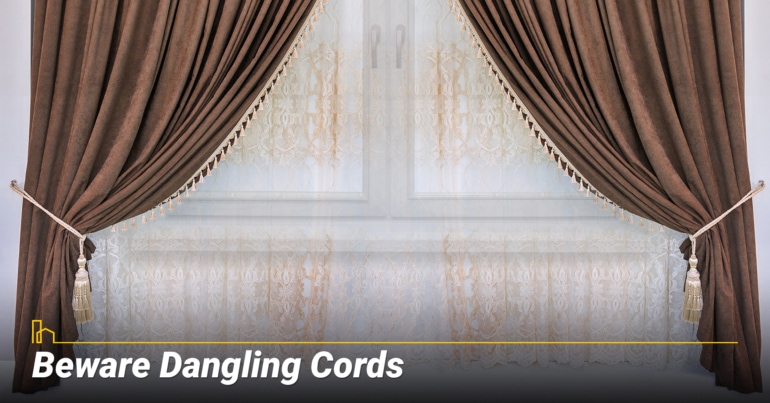
3. Beware Dangling Cords
When we say no dangling cords, we really mean it. If you’re a long-time pet owner, you already know that any cords that hang from the wall or the windows are a tempting pet toy. Kittens and puppies find these cords so fascinating! But hanging items also pose a danger to your pet’s health, so you should be careful with what you choose.
If you want to avoid a disaster, you should stay away from curtain accessories such as tieback ropes, clips, tassels, or anything else hanging and attracting attention. Your pets will jump on these accessories, chew, and pull on them.
If you hate that your window treatments are so basic and boring, there are ways to boost their appearance without fearing that your furry friends will destroy them.
Let’s talk about trendy curtain rods, rings, and accessories they can’t reach. There are so many stunning curtain rods you can choose from in gorgeous colors such as gold, copper, silver and brass. Next, upgrade the rods with fabulous, eye-catching finials. If that’s not your thing, opt for fun rings and buttons.
Recommended for you


4. Choose Materials and Colors Carefully
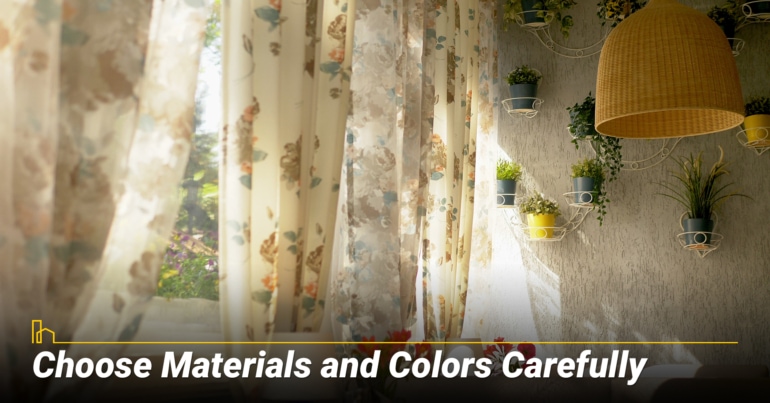
Investing in expensive drapes and curtains is not a wise idea when you own a pet. High-end materials such as silk and velvet can cost a fortune. It would be such a waste to see them destroyed after a few days by the skilled claws of your furry friend.
If you don’t want to see your money go down the drain, you should choose textured fabrics that won’t show damage as easily. Another smart move is to pick more affordable materials that you can replace more often if there’s extensive damage.
When it comes to colors, opt for multi-colored, printed fabrics. If there’s a patterned curtain material that works well with your interior, don’t hesitate to buy it. When the curtains are printed, people won’t notice pulled strands, hanging threads, nail damage, and holes.

Related article
15 Best Places to Raise a Family in the U.S.
Finding the right place to raise a family means balancing safety, education, affordability, healthcare, and long-term opportunity. With remote work expanding relocation options, more communities than ever offer an excellent quality of life for parents and children alike. This guide evaluates the best family-friendly cities using data on schools, crime, housing, employment, healthcare, and local amenities to help you make a confident, informed decision…
5. Consider Insulated Curtains
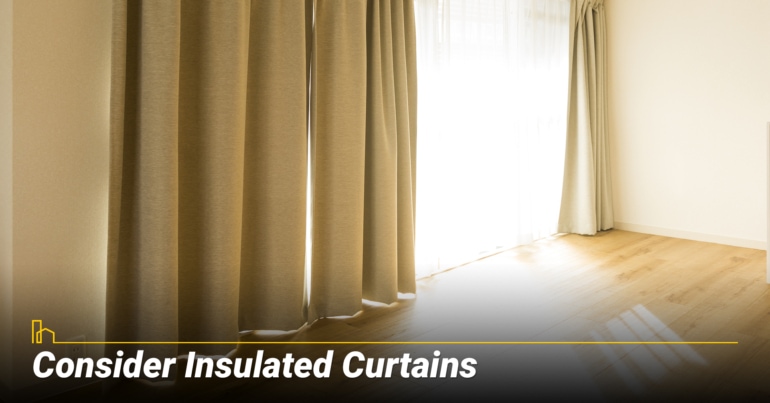
Another great addition to a pet-friendly home is insulated curtains. They are made of a thick material that is durable and can withstand damage. The main goal of these curtains is to keep your home safe, but they’re also fantastic at keeping the pets away from the windows.
Just like with the blackout type, the thick insulated fabric won’t be as interesting for your pets because they can’t hook their nails on it. They’ll very likely try, but as soon as they notice they can’t climb the curtains, they’ll quit.
Another reason that you want a thick material is because the furry friends won’t scratch it.
Recommended for you




6. Ditch the Curtains
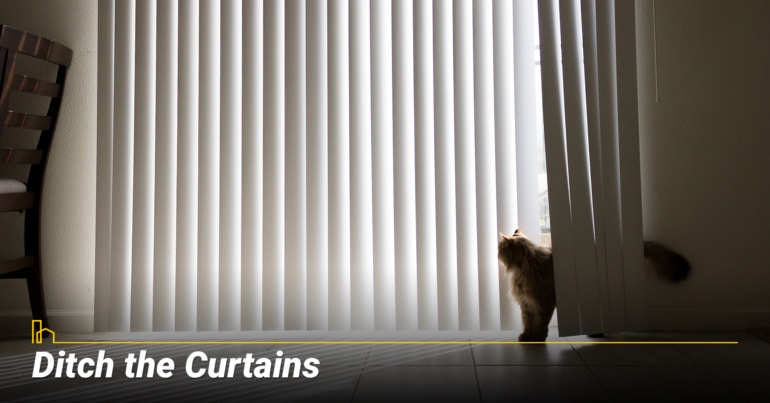
If none of these tips works, forget about curtains and find durable window coverings such as vertical blinds, roller blinds, and bamboo shades. These coverings will keep the room dark enough when needed, and you can easily regulate how much light gets in.
Cats and dogs are not big fans of these treatments because they’re not suitable for climbing or scratching. Roman blinds are made of fabric, but they’re short, hard to reach, and use a thick material.
Conclusion
Pet-proofing your home is just as crucial as babyproofing because there are countless accidents that can happen. One of the best ways to start is to find pet-friendly curtains. It will save you money, nerves, and time.
When searching for the best curtain choices, you need to remember that low-hanging fabrics and dangling cords are a huge “no.” Blackout draperies and curtains are great because they feature a thick material and offer privacy.
Insulated curtains will keep your home warm and safe from cat and dog curtain attacks. They are also made from a thick fabric that is not as interesting to pets. When it comes to colors, vibrant prints are the best because they will hide the damage.
When none of these tips works, that might be a cue to switch to simple window coverings such as Roman blinds, roller shades, or bamboo shades.
Recommended for you




FAQs About Pet-Friendly Curtains:
- Which curtain fabrics stand up best to claws and fur?
Tightly woven synthetic fabrics—including microfiber, canvas, and performance polyester—resist snagging better than loose weaves or open knits. These materials make it difficult for claws to “hook,” so pets are less rewarded for jumping or climbing.
Performance textiles marketed as scratch-resistant or pet-friendly often also repel hair and stains, reducing visible fur buildup and simplifying cleaning. If you love a softer look, select a fabric with a subtle texture instead of delicate embroidery or open slubs, which show damage quickly.
- Are there window treatments that work better than curtains in high-traffic pet areas?
Yes—roller shades, faux-wood blinds, cellular shades, and plantation shutters often outperform curtains where dogs are constantly pawing at windows or charging the door. These treatments are harder to climb, have fewer loose edges, and are usually easier to wipe clean.
For doorways and low windows, cordless roller shades or composite shutters are especially effective since they minimize dangling parts and present a solid, chew-resistant surface. You can still soften the look by layering a short, stationary curtain panel that doesn’t reach paw level.
- What can I do if my cat already climbs the curtains?
The most effective strategy is to remove the reward and provide an approved alternative. Shorten or replace climbable panels, then add a cat tree, window perch, or shelf next to the window creating the same view with better footing. Owners find that once a cat has a higher vantage point, curtain climbing drops dramatically.
Behavior-wise, redirect gently: interrupt the climb with a sound, move the cat to the perch, and reward calm behavior there. If needed, pet-safe citrus or bitter spray on the lower curtain section can reduce interest without damaging fabric.
- How can I keep curtains clean and allergen-friendly in a multi-pet home?
Choose machine-washable panels and plan on laundering them every couple months, or more often if someone in the household has allergies. Between washes, a weekly pass with a vacuum’s upholstery attachment or lint roller on the bottom third of the curtain keeps fur and dander under control.
Tight-weave, synthetic fabrics tend to trap less dust and hair than heavy chenille or deep-pile velvet, even if those look luxurious. Consider anti-static or performance finishes that help hair slide off instead of clinging, particularly in homes with long-haired breeds.
- What safety mistakes do pet owners commonly make with window coverings?
Monumental hazards are dangling cords and unstable hardware. Looping or hanging cords can pose strangulation risks for cats and small dogs, especially when they’re chasing sunbeams or each other. Upgrading to cordless, wand-controlled, or motorized systems immediately reduces that risk.
Heavy rods mounted only in drywall (not into studs or with proper anchors) can rip out if a large dog launches at the window or cats swing from the fabric. Always use sturdy brackets and anchors rated for your curtain’s weight, especially with blackout or insulated panels.
- How should I choose curtain styles for different rooms based on pet behavior?
Match the treatment to how your pets actually use each space:
- Living room / family room: Shorter blackout or insulated panels with sturdy rods, or layered roller shades plus decorative side panels to survive regular traffic and naps under the window.
- Kitchen and mudroom: Café-height or sill-length curtains, or cordless shades, to stay above splash and paw level.
- Bedrooms and offices: You can often use softer fabrics here, but still keep cords off the floor and avoid puddling if cats sleep on window sills.
Thinking room-by-room lets you reserve the most delicate textiles for spaces where pets spend less time, rather than making one fabric work everywhere.
- Can I have stylish, on-trend curtains and still make the space pet-friendly?
Yes—pet-friendly does not require ugly and indestructible. Modern scratch-resistant sheers, textured blackout panels, and waffle-weave fabrics appear tailored and high-end while quietly hiding fur and small snags. Current design trends favor solid, textured neutrals and layered looks, both of which pair well with performance fabrics.
To keep a designer feel:
- Use full-width panels (2–2.5x the window width) so curtains still drape luxuriously even in tougher fabrics.
- Lean on pattern and mid-tone colors to disguise wear while coordinating with your existing palette.
With the right material choices and hardware, pets can move freely while window treatments remain stylish and functional over time.
Share